
I looked at both aluminum and vinyl windows when updating my own place and helping friends choose replacements.
You face the same trade-offs every time: strength versus insulation, slim frames versus thick energy savings, upfront price versus long-term bills.
This comparison lays out the real differences in how each type performs so you can match the window to your climate, house style, and budget without guessing later.
| Aspect | Aluminum Windows | Vinyl Windows |
| Frame Strength | Very high; supports large glass areas with thin frames | Moderate; needs thicker frames for similar spans |
| Insulation | Lower; conducts heat and cold unless thermally broken | High; multi-chamber designs trap air effectively |
| Energy Efficiency | Average in mild climates; better with upgrades | Excellent; often higher ratings for heat retention |
| Durability | Excellent against weather, dents, and impact | Very good but can warp in extreme heat over decades |
| Maintenance | Minimal; no painting, resists corrosion | Minimal; no painting, easy clean, no rot |
| Appearance | Sleek, modern, thin sightlines, custom finishes | Thicker frames, many color options including wood-look |
| Cost | Higher initial price for quality units | Lower upfront cost for comparable sizes |
| Lifespan | 20–40+ years with proper install | 20–30 years typical in most homes |
| Condensation | More likely on frames in cold weather | Less common due to better thermal break |
| Customization | Strong for large or odd shapes | Good for standard residential sizes |
Key Differences between Aluminum and Vinyl Windows
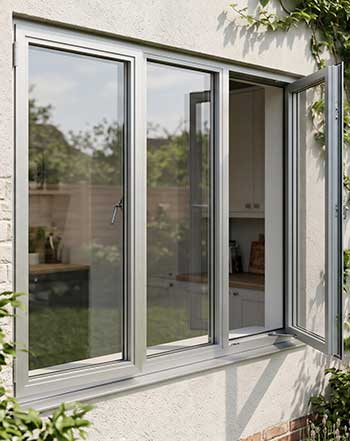
- Frame profile and glass area differ sharply. Aluminum frames stay thin yet rigid, so you get more visible glass and cleaner lines on big windows or sliding doors. Vinyl frames run thicker because the material itself is less stiff; the extra width hides the hardware and chambers but cuts into your view and light slightly.
- Thermal performance separates them in daily use. Aluminum transfers temperature quickly, so frames feel cold in winter and warm in summer unless the manufacturer adds a thermal break. Vinyl’s hollow chambers and low conductivity keep the indoor side closer to room temperature, which shows up on energy bills and comfort near the windows.
- Strength and span capacity favor aluminum. You can install taller or wider openings with aluminum without adding extra supports as often. Vinyl handles normal residential sizes fine but can flex more under wind load on very large units, so builders sometimes limit spans or reinforce them.
- Expansion and contraction behavior changes with temperature swings. Vinyl expands and contracts more than aluminum. In hot summers or cold winters that gap movement can stress seals over years if the install is tight. Aluminum moves less, which helps keep weatherstripping consistent.
- Color and finish longevity vary. Aluminum accepts anodized or powder-coated finishes that hold color and resist fading well. Vinyl comes extruded in color or with laminated films; the solid color goes all the way through, so scratches stay less noticeable, yet intense sun can still fade cheaper vinyl over long periods.
- Recyclability and material impact differ at end of life. Aluminum is widely recycled with high recovery rates. Vinyl recycling exists but is less common for windows, so more of it ends up in landfills when replaced.
- Weight and installation handling favor vinyl for many crews. Vinyl windows are lighter, which speeds up carrying and setting them in place. Aluminum units weigh more, especially with larger glass, so installers need more people or equipment on bigger jobs.
- Sound transmission depends on the glass package more than the frame, yet frame stiffness plays a role. Aluminum’s rigidity can transmit more vibration in some assemblies. Vinyl’s flexibility and chambers often dampen outside noise better when paired with the same glass.
Also Read: Comparison of Milgard And Simonton Windows.
Key Features of Aluminum Windows
- Thin, strong frames that maximize glass. The metal’s high strength-to-weight ratio lets manufacturers keep profiles narrow. You see more of the outside and the window looks less bulky from inside, which matters on modern homes or when you want unobstructed views.
- Thermal-break options on better models. Many aluminum windows now include a plastic or composite strip that interrupts the metal path. This reduces heat transfer and condensation compared with older all-metal frames, though it rarely matches vinyl’s baseline performance.
- Corrosion resistance in coastal or wet climates. Properly finished aluminum resists rust and salt air better than many people expect. Anodizing or high-quality powder coats protect the surface for decades when maintained with occasional washing.
- Design flexibility for large openings. Sliding glass doors, floor-to-ceiling windows, and commercial-style units often use aluminum because it can handle the loads without looking massive. Custom shapes and curved sections are also more practical.
- Low maintenance surface. You wipe the frames with soap and water. No scraping, sanding, or repainting is required under normal conditions. The finish stays intact as long as you avoid abrasive cleaners.
- Recyclable at the end of service. When the window finally comes out, the aluminum can be melted and reused with relatively little energy loss. This appeals if you track material life cycles.
- Hardware integration and security. Strong frames accept heavy-duty locks, multipoint systems, and impact-resistant glass without flexing. In high-wind or security-focused areas this adds confidence.
- Color and texture range through coatings. You can choose metallic looks, matte blacks, or wood-grain simulations that hold up outdoors. The finish bonds to the metal rather than sitting as a film.
Pros of Aluminum Windows
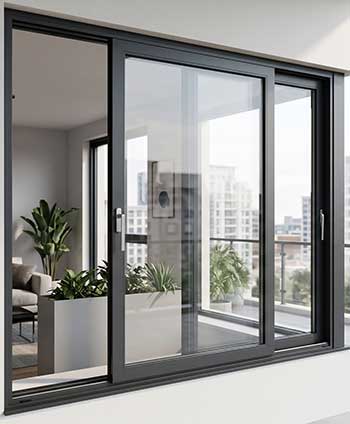
- Exceptional strength lets you specify larger glass areas without heavy framing. In rooms where light and view matter most, the thinner profiles make a noticeable difference compared with vinyl of similar overall size.
- Long service life in harsh weather. Aluminum does not rot, warp from moisture, or become brittle in cold the way some plastics can. Coastal homes and high-exposure elevations often favor it for that reason.
- Modern aesthetic that stays current. Clean lines and narrow frames suit contemporary architecture and renovations that aim for a minimal look. You can paint or powder-coat later if tastes change, though the factory finish usually lasts.
- High resistance to impact and forced entry when specified correctly. The rigid frame holds locks and glass securely. Impact-rated versions meet stricter building codes in hurricane or high-wind zones.
- Minimal ongoing care beyond cleaning. Once installed and finished, the frames do not require periodic painting or sealing under normal conditions. Occasional washing keeps the surface looking new.
- Recyclability reduces long-term waste. At replacement time the metal re-enters the supply chain efficiently. Some owners value this when they plan future updates.
- Custom fabrication for non-standard openings. Fabricators can produce unusual shapes, angles, or very tall units more readily than with standard vinyl extrusions.
- Stable dimensions across temperature changes. Less expansion and contraction means seals stay compressed consistently, which helps air and water performance over decades.
Cons of Aluminum Windows
- Higher heat and cold transfer through the frame. Even with thermal breaks, aluminum conducts more than vinyl. In cold climates you may feel cooler air near the window and see higher heating costs unless the glass package compensates.
- Greater chance of frame condensation. When indoor humidity meets a cold metal frame, moisture can form on the indoor surface. Vinyl reduces this effect because the frame surface stays warmer.
- Higher purchase price for equivalent performance. Quality thermally broken aluminum units often cost more than standard vinyl of similar size and glass. The premium shows up most on larger or custom orders.
- Potential for galvanic corrosion if dissimilar metals contact the frame. Installers must use compatible fasteners and flashings. Poor detailing can lead to staining or pitting over time.
- Limited color depth compared with vinyl’s through-color. Surface coatings can chip or scratch to bare metal, which then needs touch-up. Vinyl’s integral color hides minor damage better.
- Heavier units that complicate handling and shipping. Large aluminum windows require more labor or equipment during installation, which can raise labor costs on complex jobs.
- Less inherent sound damping from the frame material itself. You usually need laminated glass or thicker assemblies to reach the same noise reduction that vinyl achieves more easily.
- Thermal bridging remains a design consideration. Even improved models rarely match the lowest U-factors of high-end vinyl without adding cost and complexity.
Also Read: Are EcoView Windows Worth It?
Key Features of Vinyl Windows

- Multi-chamber frame construction. Internal walls create air pockets that slow heat flow. Combined with low-conductivity plastic, this gives vinyl windows strong insulating numbers right out of the box without extra breaks.
- Fusion-welded corners on most residential units. The frame pieces melt together at the corners, forming a continuous seal. Water and air have fewer paths to leak compared with mechanically joined frames.
- Integral color that resists chipping. Pigment runs through the material, so minor scratches do not show white underneath the way painted surfaces can. Laminated options add wood-grain or other textures on the surface.
- Low thermal conductivity for comfort. Frames stay closer to indoor temperature, reducing cold drafts near the glass and lowering the chance of condensation on the frame itself in winter.
- Variety of styles and grille options. Double-hung, casement, awning, picture, and sliding units are widely available. Decorative grilles between the glass or on the surface let you match traditional or contemporary looks.
- Energy ratings that often exceed code minimums. Many vinyl windows carry high U-factor and Solar Heat Gain Coefficient performance, which helps in both heating and cooling seasons when paired with the right glass.
- Lightweight construction that simplifies handling. Installers and DIYers move them more easily. The lower weight also reduces stress on older wall structures during replacement.
- Weatherstripping and seal systems designed for residential use. Manufacturers tune the compression seals and weep systems for typical home exposures, so they perform reliably with standard maintenance.
Pros of Vinyl Windows

- Strong energy performance at a moderate price. The insulating frames and welded construction deliver solid ratings that reduce heating and cooling loads in most climates. Many homeowners see measurable bill drops after replacement.
- Low maintenance over the life of the window. No painting, no sealing, and simple cleaning keep them looking acceptable for years. The material does not rot or corrode under normal exposure.
- Competitive upfront cost for standard sizes. Vinyl windows often undercut aluminum on price for the same opening, which helps when you replace multiple units at once.
- Comfort near the window. Warmer frame surfaces in winter mean less radiant cold and fewer complaints about sitting next to the glass. This shows up in daily use more than pure numbers sometimes.
- Wide availability and installer familiarity. Most residential contractors stock or can order vinyl units quickly. Replacement is straightforward in existing openings with common brickmold or nail-fin systems.
- Color and style options that cover most tastes. From white to dark bronze to wood-grain laminates, you can match siding, trim, or interior décor without custom fabrication in many cases.
- Good resistance to moisture and insects. Vinyl does not absorb water or provide food for pests the way wood can. Seals and weep holes manage incidental water effectively when maintained.
- Predictable performance in moderate climates. In areas without extreme temperature swings or high winds, vinyl delivers reliable service with fewer specialty upgrades required.
Cons of Vinyl Windows

- Thicker frames reduce glass area. The extra material needed for strength means slightly less light and a bulkier look. On small windows the difference is minor; on large ones it becomes more obvious.
- Potential for expansion and contraction stress. Significant temperature changes can cause the frame to move. Over many years this movement may loosen seals or create small gaps if the original install was rigid.
- Color fading on lower-grade products in intense sun. Dark colors absorb more heat and can show fading or warping sooner than light colors or better formulations. Quality varies by manufacturer.
- Limited strength for very large or high-wind applications. Extreme spans or hurricane zones often require aluminum or reinforced vinyl. Standard vinyl may not meet the structural demands without upgrades.
- Less recyclable at end of life. While some programs accept vinyl windows, recovery rates lag behind aluminum. More material typically goes to landfill when the window is replaced.
- Surface can scratch or dent more easily than metal. Heavy impacts or abrasive cleaning may mark the plastic. Repairs are limited; severe damage usually means full unit replacement.
- Heat buildup on dark frames in direct sun. Dark vinyl can get very hot, which accelerates expansion and may affect nearby materials or seals over time.
- Fewer options for ultra-slim or commercial-style profiles. If you want the thinnest possible frame or a specific architectural look, vinyl choices narrow quickly.
Also Read: Try Our Fee 3D Window Replacement Cost Estimator.
Frequently Asked Questions (FAQ)
They conduct heat and cold more readily than vinyl, which can raise energy costs and cause frame condensation in cold weather. Quality units with thermal breaks reduce but do not eliminate the issue. They also tend to cost more upfront.
In very cold climates the lower insulation can make rooms less comfortable and increase heating bills. If your budget is tight or you prefer the thicker, more traditional look of vinyl, aluminum may not justify the premium. Condensation risk and higher price are common reasons homeowners choose vinyl instead.
No single brand wins for every house. Look for units with strong NFRC ratings, solid warranties, and frames that match your climate—vinyl for insulation priority or thermally broken aluminum for strength and slim profiles. Local installers and recent homeowner reviews on similar homes give the most useful guidance.
Late fall through early spring often brings lower demand and better contractor pricing in many regions. Manufacturers and installers may offer promotions when business slows. Schedule early enough to avoid weather delays and confirm any seasonal rebates still apply.
Wrapping Up
I compared the two across strength, insulation, cost, and daily use, and the better choice depends on what you prioritize for your house. If you want maximum glass, modern lines, and high strength in a mild or coastal setting, aluminum often fits.
If you want stronger insulation, lower upfront cost, and simpler comfort in a heating or cooling climate, vinyl usually serves you better. You can mix them—aluminum on large view windows and vinyl on the rest—if the project allows.
Match the material to your climate, the size of the openings, and how long you plan to stay. The right window reduces energy use, stays low-maintenance, and looks right for years once you weigh those factors clearly.