
I decided to write this article because choosing between stucco and cement siding ranks among the biggest exterior decisions a homeowner faces, and the wrong pick can cost thousands in repairs or leave you frustrated with upkeep for decades.
After analyzing real performance data, climate impacts, and long-term ownership realities, I put together a clear breakdown so you can match the material to your home, budget, and lifestyle without the usual marketing fluff.
| Factor | Stucco | Cement Siding |
| Typical Installed Cost | $7–$15 per sq ft | $8–$14 per sq ft |
| Lifespan | 50–100 years with care | 30–50 years |
| Best Climates | Dry, arid, mild | Nearly all climates |
| Appearance | Seamless, textured, monolithic | Plank, panel, wood-look, versatile |
| Maintenance | Occasional crack repair, repaint | Periodic cleaning, repaint every 10–15 yrs |
| Moisture Resistance | Moderate (needs proper drainage) | Excellent |
| Fire Resistance | Excellent | Excellent |
| Installation Difficulty | Highly skilled labor required | Specialized but more modular |
| Impact Resistance | Moderate (can crack) | High |
Key Differences Between Stucco and Cement Siding
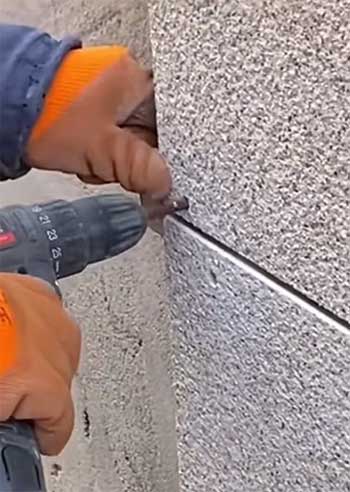
- Material Composition And How It Behaves Under Stress Stucco forms a rigid shell. Once cured it has almost no give. If the foundation settles or the framing expands and contracts, the stucco surface develops hairline or larger cracks. Cement siding contains cellulose fibers that give the boards a slight amount of flex. That flex lets individual boards move independently so the whole exterior stays intact through temperature swings and minor structural shifts. In my analysis this single difference explains why stucco thrives in stable dry soil and struggles where clay soils expand and contract.
- Installation Method And The Skill Required Applying stucco demands a multi-day process with careful timing between coats so each layer cures properly. A crew that rushes the cure or skips proper flashing around windows invites future leaks. Cement siding installs faster because the boards arrive ready to cut and fasten. Still, the material is heavy, so installers need the right tools and experience to avoid breakage and to seal every joint correctly. I have seen both systems fail when the installer lacked specific training, but the failure modes differ: stucco fails through water intrusion behind cracks, while cement siding fails through poorly sealed butt joints or missing flashings.
- Visual Character And Architectural Fit Stucco creates a smooth or textured monolithic surface that looks right on Spanish, Mediterranean, Pueblo, or modern minimalist homes. There are no horizontal lines to break up the wall. Cement siding offers lap profiles that mimic wood, shingle styles, board-and-batten, and even some textured panels that approximate stucco. If your neighborhood leans Craftsman, farmhouse, or traditional East Coast, cement siding usually blends better. The reverse is true in the Southwest and Southern California where seamless stucco defines the regional style.
- How Water Moves Through The Wall Assembly Properly detailed stucco relies on a drainage plane behind the lath so any water that soaks through the porous surface can escape at the bottom. When that plane is missing or blocked, moisture stays trapped and can rot the sheathing. Cement siding boards are far less porous. Water tends to sheet off the face, and the overlapping design creates natural drainage paths. In wetter climates this difference becomes decisive.
- Weight And Structural Demands Both materials add significant weight compared with vinyl. Stucco’s continuous coat distributes load evenly. Cement boards concentrate weight at fastener points, so the underlying framing and sheathing must be solid. Older homes sometimes need extra blocking or reinforcement before cement siding goes on.
- Repair Philosophy When stucco cracks, the repair involves cutting out the damaged area, rebuilding the layers, and trying to match texture and color—an art that often leaves a visible patch. Cement siding repairs usually mean replacing one or two boards. Matching factory color can still be tricky, yet the process is more modular and predictable.
Key Features of Stucco
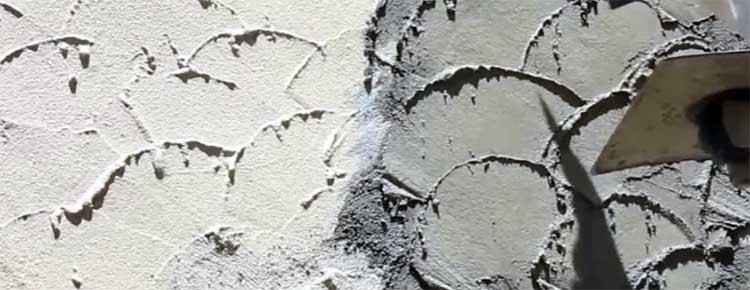
- Continuous seamless surface that eliminates joint lines and creates a solid architectural presence Once finished, the wall reads as one piece. This quality lets stucco follow curves, arches, and complex shapes that board siding cannot match easily. I find this especially valuable on homes with rounded corners or ornate entry details.
- Thick cement mass that contributes thermal inertia The multi-coat system adds mass that slows heat transfer. In hot dry climates the walls stay cooler longer into the evening, reducing cooling loads. The same mass also dampens sound from outside traffic or neighbors.
- Fire performance that meets or exceeds strict codes Traditional three-coat stucco is non-combustible and can provide a one-hour fire rating when applied to the required thickness. In wildfire-prone regions this continuous barrier leaves fewer gaps for embers to enter compared with any board system that has seams.
- Ability to accept integral color or endless painted finishes Pigment can be mixed into the finish coat so the color goes all the way through. Even when painted, the surface accepts elastomeric coatings that bridge small cracks and extend the time between repaints.
- Compatibility with both traditional three-coat and modern one-coat systems The classic method builds roughly ⅞ inch of material. One-coat systems use a modified mix over foam or special lath and finish faster, though they trade some of the longevity of the full three-coat approach.
Also Read: Comparison of Hardie Board And Cement Board.
Pros of Stucco
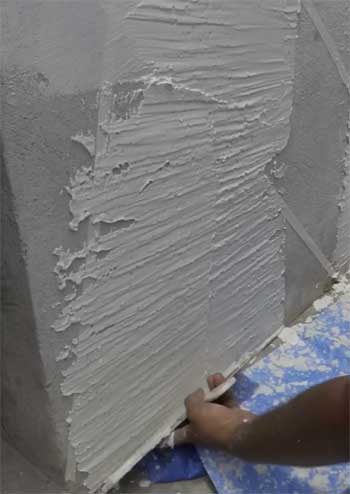
- Long service life when climate and installation align In dry regions with stable soils, properly applied three-coat stucco routinely lasts 50 to 80 years and sometimes reaches a full century. Historic buildings across the Southwest still carry original stucco from the early 1900s. That longevity can amortize the initial cost over a longer period than most competing materials.
- Lower average installed price in many markets Current national ranges place stucco between $7 and $15 per square foot installed, with many projects landing near $8 to $10. On a large simple wall plane the continuous application can undercut the cost of cutting and fastening hundreds of individual boards.
- Superior aesthetic for specific architectural traditions The seamless surface delivers the authentic look expected on Mediterranean, Spanish Colonial, and many contemporary designs. No amount of textured cement board fully recreates that continuous skin.
- Excellent fire and pest resistance The inorganic composition leaves nothing for insects to eat and creates a barrier that performs well in wildfire zones. Insurance carriers in high-risk areas often view stucco favorably when the assembly is correctly detailed.
- Ability to form complex shapes without visible joints Curves, recessed entries, and sculpted details flow naturally. Cement board systems struggle with these forms and usually require additional trim that interrupts the surface.
- Potential for integral color that never needs full repainting When pigment is mixed into the finish coat, fading occurs more slowly and touch-ups blend more easily than surface paint on boards.
Cons of Stucco
- Tendency to crack when the structure moves Foundation settlement, seismic activity, or even normal wood-frame shrinkage can open cracks. Once cracks appear, water finds a path behind the stucco. I have inspected homes where small hairline cracks led to extensive sheathing rot because the drainage plane was compromised.
- Higher vulnerability in wet or freeze-thaw climates Stucco is porous. In regions with heavy rain followed by freezing temperatures, water absorbed into the surface expands and can cause spalling or larger cracks. Performance data from the Southeast and Pacific Northwest consistently show shorter service lives and higher repair frequency.
- Difficult and expensive matching during repairs Patching requires skill to recreate the original texture and color. Even good patches often remain visible. Full elevation re-stucco becomes the practical solution once damage spreads, driving costs up quickly.
- Dependence on highly skilled labor The shortage of experienced plasterers in many markets raises both price and the risk of poor workmanship. A rushed or inexperienced crew can create problems that only appear years later.
- Limited insulation value in the cladding itself Traditional stucco provides thermal mass but little R-value. Modern energy codes usually require additional continuous insulation behind or within the assembly, adding complexity and cost.
- Potential for staining and discoloration from water runoff Improperly detailed roofs, gutters, or window sills can leave dark streaks that are hard to clean without specialized products.
Key Features of Cement Siding
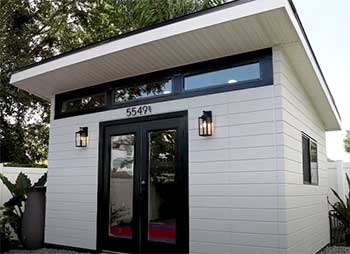
- Factory-engineered boards that arrive consistent in thickness, density, and moisture content Every board behaves the same way. This predictability simplifies estimating and reduces on-site surprises. Many products come with factory-applied finishes that carry warranties of 15 years or more on the color.
- Cellulose fiber reinforcement that improves toughness without adding brittleness The fibers act like rebar on a microscopic scale. Boards can take impact from hail or lawn equipment better than pure cement products and resist the sudden snaps that sometimes occur with older asbestos-cement siding.
- Wide range of profiles that let the same material serve multiple architectural styles You can specify smooth contemporary panels, deep wood-grain lap siding, or textured surfaces that recall traditional plaster. This flexibility makes cement siding a practical choice when the house style does not dictate a seamless look.
- Built-in resistance to common biological threats Termites cannot digest the material. Rot fungi find nothing to feed on. In regions where wood siding fails within 15–20 years, cement siding keeps its structural integrity far longer.
- Compatibility with rainscreen and advanced weather-resistive barrier systems Modern installation methods create a ventilated gap behind the boards. That gap improves drying capacity and further reduces the chance of moisture problems in the wall cavity.
Also Read: My Experience With Alside Ascend Siding.
Pros of Cement Siding
- Strong performance across a wide range of climates The low porosity and overlapping design handle rain, snow, and humidity better than traditional stucco. Installers in the Northeast, Midwest, and coastal areas report fewer moisture-related callbacks with fiber cement than with stucco systems.
- Predictable, modular repairs Damaged boards can be removed and replaced individually. Matching is easier when factory-finished products are used, and the work stays localized rather than requiring large patches.
- High resistance to impact, rot, and insects Hail that would crack stucco often leaves only surface marks on fiber cement. Termites ignore it, and the material does not support mold growth the way organic sidings do.
- Design flexibility that suits almost any house style From modern board-and-batten to classic clapboard, the same product line covers multiple looks. This reduces the need to mix materials on complex elevations.
- Longer intervals between major maintenance cycles Factory finishes can last 15 years or more before repainting becomes necessary. Even field-painted boards typically need attention only every 10 to 15 years, and the surface prepares more easily than porous stucco.
- Strong warranties from major manufacturers Leading brands offer 30-year limited warranties on the product itself and separate color warranties. These written guarantees give homeowners clearer recourse than the variable warranties common with site-applied stucco.
Cons of Cement Siding
- Higher average installed cost in many regions Prices commonly run $8 to $14 per square foot, and premium factory-finished products push toward the upper end. On a full house the difference versus stucco can reach several thousand dollars.
- Significant weight that complicates handling and may require framing upgrades Installers need proper lifting techniques and sometimes additional structural support on older homes. The weight also increases shipping costs to remote job sites.
- Visible joints and the need for careful caulking Unlike seamless stucco, every board joint and trim intersection must be sealed. Caulk eventually fails and must be maintained, creating an ongoing inspection item that pure stucco avoids.
- Brittleness during cutting and installation if mishandled Although tougher than pure cement, the boards can still crack if dropped or cut with the wrong blade. Job-site breakage adds waste and cost.
- Limited ability to form complex curves without special products Standard boards work best on flat planes. Rounded walls or elaborate architectural details usually require additional trim or custom fabrication that increases expense.
- Repainting still required over the life of the product Even the best factory finishes eventually fade or chalk. When repainting becomes necessary the entire elevation is usually done at once, creating a larger periodic expense.
Performance Considerations That Tip the Scale
Climate remains the single largest filter.
In Phoenix, Tucson, or inland Southern California, stucco’s longevity and lower cost make strong economic sense when installed by experienced crews.
In Florida, the Pacific Northwest, or any area with frequent driving rain and freeze-thaw cycles, cement siding’s moisture management and crack resistance usually deliver lower lifetime cost despite the higher initial outlay.
I also weigh the home’s age and framing type.
Newer homes with engineered lumber and proper moisture barriers tolerate either material.
Older homes with settling foundations or minimal overhangs favor the more forgiving cement siding.
Architectural authenticity matters more than many people admit. Forcing board siding onto a Spanish Colonial or forcing stucco onto a New England Cape often looks forced and can hurt resale appeal in style-conscious neighborhoods.
Also Read: Comparison of Hardie Board And LP SmartSide.
Frequently Asked Questions (FAQ)
Stucco is still widely used in dry climates, but many builders in wetter regions have shifted to other materials because of cracking, moisture problems, and higher liability from installation errors.
Yes. Installed stucco typically costs less per square foot than fiber cement siding in most markets.
It can crack with structural movement, performs poorly in wet or freeze-thaw climates, is difficult to repair invisibly, and requires highly skilled labor.
Expect roughly $7,000 to $17,000 depending on local labor rates, stucco type, and the actual wall area rather than floor area.
Wrapping Up
I have laid out the performance realities, cost ranges, and ownership trade-offs so you can decide with clear eyes. If your climate is dry, your architecture favors seamless walls, and you have access to skilled plasterers, stucco still delivers exceptional longevity and value.
If you face frequent rain, temperature swings, or prefer modular repairs and broader design options, cement siding usually proves the more reliable long-term partner. Either way, the quality of installation and the details of the weather barrier matter more than the material itself.
Choose the system that matches your specific conditions, hire people who know that system cold, and you will own an exterior that protects and looks good for decades.