
I decided to put stucco and Hardie Board side by side after months of comparing them for my own exterior project.
This piece lays out what each material actually delivers in daily life so you can weigh cost, upkeep, weather performance, and long-term value without the usual sales talk. You will walk away knowing which one fits your house, climate, and budget.
| Factor | Stucco | Hardie Board (Fiber Cement) |
| Material Base | Cement, sand, lime, water | Cement, sand, cellulose fibers |
| Typical Lifespan | 50–80+ years with care | 30–50 years, often longer with paint |
| Maintenance Level | Moderate to high (crack repair, sealing) | Low (periodic cleaning, repaint every 10–15 yrs) |
| Cost per Square Foot | $6–$12 installed | $5–$11 installed |
| Fire Resistance | Excellent | Excellent |
| Moisture Behavior | Can trap water if cracked | Resists water absorption when sealed |
| Weight | Heavy, needs solid substrate | Heavy, needs careful framing support |
| Appearance Options | Smooth, textured, colored in mix | Wood-look, smooth, wide color range |
| Installation Skill | Highly skilled labor required | Specialized but more standardized |
| Climate Fit | Best in dry, mild zones | Works in most climates including wet/cold |
Key Differences Between Stucco And Hardie Board
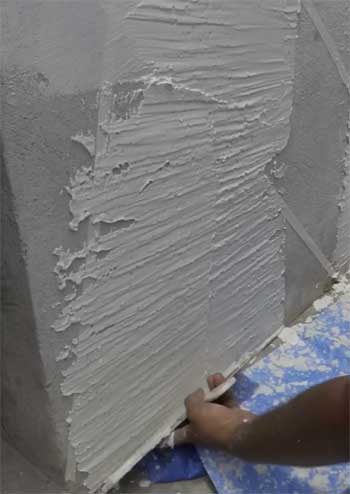
- Continuous surface versus modular boards Stucco forms one unbroken skin that wraps corners and openings with almost no seams. Hardie Board arrives as individual planks or sheets that must be joined, creating a pattern of horizontal or vertical lines. The continuous look of stucco feels seamless; the board look gives clear shadow lines that many people prefer for a more architectural appearance.
- On-site mixing and craftsmanship versus factory precision With stucco the crew mixes, applies, and textures the material right on your walls, so the final quality rests heavily on the skill of the plasterer. Hardie Board is manufactured under controlled conditions, then cut and fastened on site. That difference means stucco can vary more from house to house while Hardie stays more predictable once the crew follows the manufacturer’s fastening schedule.
- Response to water intrusion A properly detailed stucco system sheds water, yet any crack can let moisture reach the substrate and stay trapped behind the dense layer. Hardie Board is less permeable when painted, and its joints are designed so water that does get behind can drain or dry. In wet climates the board system usually recovers faster after a soaking rain.
- Acoustic behavior The solid mass of stucco dampens outside noise more effectively than the thinner Hardie boards. If your house sits near a busy road, the difference in interior quiet is something you notice the first time you close the door.
- Repair philosophy Fixing stucco usually means blending new material into the existing surface so the patch becomes part of the whole. Repairing Hardie often means removing a damaged board and installing a new one, then matching the paint. Both approaches work, yet the visual outcome and labor time differ.
- Weight distribution on the structure Both materials are heavy, but stucco’s weight is spread as a continuous load while Hardie concentrates load at the fastener points. Framing that is already borderline may need extra attention with either choice, yet the continuous load of stucco can be easier for older foundations to accept.
Also Read: Comparison of T1-11 And LP SmartSide.
Key Features of Stucco
- Cement-based formula that hardens into a continuous shell I like how the mix of Portland cement, sand, and lime creates a monolithic surface once cured. It bonds tightly to the wall and can be applied in multiple coats for thickness that feels solid under your hand. The final layer can be left natural or pigmented so the color runs through the material instead of sitting only on top.
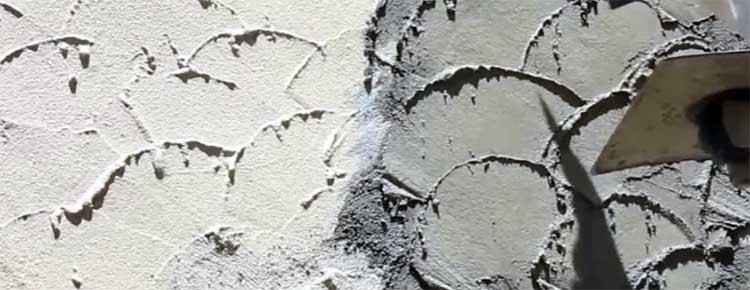
- Wide range of textures from smooth to heavy dash You can walk up to a finished wall and run your fingers across anything from a glass-smooth finish to a rough, hand-troweled look that catches light differently at every hour. That variety lets the same material suit both modern boxes and older Mediterranean-style homes without looking forced.
- Inherent fire resistance that needs no extra treatment Because the ingredients are non-combustible, the surface itself will not feed a flame. I have seen fire-rating documents that put traditional three-coat stucco at zero flame spread, which matters if your neighborhood sits in a high-risk zone.
- Thermal mass that moderates indoor temperature swings The thick layer stores heat during the day and releases it slowly at night. In mild climates this passive effect can shave a noticeable amount off cooling bills, something I noticed when comparing energy statements from stucco homes versus lighter claddings.
- Ability to be repaired in place rather than replaced panel by panel Small cracks or chips can be patched with matching mix and blended so the repair almost disappears. That local fix option keeps the overall surface intact longer than materials that force you to swap out whole sections.
Pros of Stucco
- Long service life when the climate cooperates In dry regions with mild winters I have seen original stucco still performing after sixty or seventy years with only occasional crack sealing. That longevity spreads the initial cost over decades and reduces the frequency of full recladding projects.
- Design flexibility that supports custom curves and ornament Because the material is plastic when applied, it can follow arched openings, rounded corners, or decorative moldings without special parts. That freedom lets the exterior match the architectural style more closely than rigid boards allow.
- Solid, masonry-like feel that many owners associate with permanence Walking up to a stucco wall and knocking on it produces a dense sound that signals substance. For buyers who equate that feel with quality, the material carries an emotional weight that lighter sidings struggle to match.
- Color that can be integral rather than surface-only When pigment is mixed into the finish coat the color is present throughout the thickness. Minor chips or wear do not reveal a different base color the way painted surfaces can, so the wall ages more evenly.
- Natural resistance to surface burning The mineral composition means embers landing on the wall are far less likely to ignite the cladding itself. In areas where wildfire risk is rising, that property can influence insurance conversations and peace of mind.
- Ability to create deep reveals and shadow play through texture Heavy textures catch sunlight and create changing patterns across the façade during the day. That visual movement keeps the wall interesting without relying on paint color alone.
Cons of Stucco
- Tendency to develop hairline cracks from structural movement or thermal cycling Houses settle, wood framing shrinks, and temperature swings stress the rigid shell. Those stresses show up as fine cracks that must be sealed before water enters. In freeze-thaw climates the cracks can widen over successive winters and turn into larger problems.
- Higher labor cost and longer installation schedule A proper three-coat system needs multiple days between coats for curing, and the skill required means fewer qualified crews. The timeline stretches compared with board systems that can go up faster once the weather cooperates.
- Potential for hidden moisture damage if the weather barrier or flashing fails Once water gets behind a dense stucco layer it has limited paths to escape. Over time that trapped moisture can rot sheathing or encourage mold, and the damage may not become visible until the surface shows staining or soft spots.
- Difficulty matching texture and color during later repairs Even a skilled applicator can struggle to make a patch blend perfectly with aged surrounding material. The repair often remains slightly visible, which frustrates owners who want an invisible fix.
- Limited performance in regions with frequent freeze-thaw cycles Water that enters small cracks expands when it freezes, progressively opening the surface. In colder, wetter climates the material requires more vigilant maintenance and may not last as long as advertised.
- Heavy weight that demands solid structural backing Older homes with lighter framing sometimes need reinforcement before stucco can be applied safely. That extra structural work adds cost and complexity that is easy to underestimate at the start of a project.
Also Read: Is Certainteed Monogram Siding Worth It?
Key Features of Hardie Board
- Engineered fiber-cement planks or panels with consistent density Every board comes out of the factory with the same thickness and fiber distribution, so you avoid the soft spots or thin areas that sometimes appear in site-mixed finishes. The cellulose fibers give the cement flexibility it would not have on its own, reducing the chance of sudden breaks during handling.
- Pre-finished or paintable surface that holds color for years Factory-applied ColorPlus finishes lock the pigment into the board under a clear topcoat. If you prefer to paint on site, the surface accepts acrylics well and the color stays true longer than wood because the substrate does not expand and contract as much with humidity.
- Resistance to termites, rot, and fungal growth built into the formula The inorganic matrix gives insects nothing to eat and moisture little chance to start decay. I checked lab data showing zero structural loss after long exposure to subterranean termites, which is a quiet but real advantage in many regions.
- Dimensional stability across temperature and humidity swings Unlike wood that cups or vinyl that expands in heat, fiber cement stays close to its original size. That stability means joints stay tight and the painted surface is less likely to crack from movement underneath.
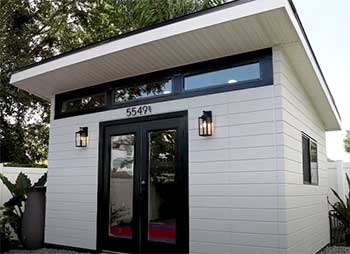
- Available in multiple profiles that mimic wood lap, shingle, or panel looks You can choose a traditional clapboard reveal or a wider contemporary panel without switching materials. The edges are clean and square, so the finished wall reads as intentional rather than approximated.
Pros of Hardie Board
- Low ongoing maintenance once the surface is sealed and painted Annual cleaning with a soft brush and mild detergent is usually enough. The boards do not need the frequent crack sealing that stucco demands, so the time and money spent on upkeep stay modest for most of the product’s life.
- Consistent performance across a wide range of climates Factory testing shows the material holds up in both humid coastal zones and dry inland areas. The dimensional stability reduces the seasonal movement that can open joints or stress paint films.
- Factory-controlled quality that reduces on-site variables Because the boards are made under the same conditions every time, you avoid the batch-to-batch differences that can appear with site-mixed stucco. That predictability helps the finished job match the samples you approved.
- Resistance to biological attack without chemical treatments Termites, carpenter ants, and wood-decay fungi find little to consume. In regions where those pests are common, the material removes one source of long-term structural worry.
- Wide selection of profiles and pre-finished colors that speed installation Choosing a ColorPlus board means the finish is already cured and ready, cutting the on-site painting step. The range of widths and textures lets you achieve different architectural looks without switching material families.
- Clear installation guidelines that many crews already know Manufacturers publish detailed fastening schedules, joint treatments, and flashing details. When the crew follows those instructions the system performs as tested, reducing the chance of early failures.
Cons of Hardie Board
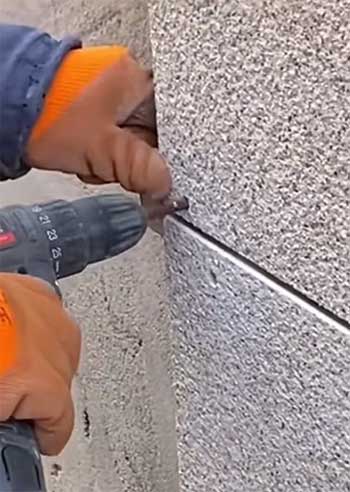
- Weight that still requires careful framing and handling Each board is dense, so installers must work with proper support and the wall structure must be sized for the load. Dropping a board can crack it, and cutting produces fine silica dust that demands respiratory protection.
- Potential for edge chipping if not handled or fastened correctly The material is strong in the field of the board yet more brittle at cut edges. Improper nailing too close to the edge or impact during transport can create chips that need filling or board replacement before painting.
- Higher material cost in some markets compared with basic alternatives While installed prices can compete with stucco, the boards themselves often cost more per square foot than vinyl or basic wood. Budget planning needs to account for that difference plus the specialized fasteners and sealants required.
- Visible joints that some owners prefer to avoid The modular nature means horizontal or vertical lines are part of the design. If you want a completely unbroken surface those lines remain a permanent feature of the wall.
- Need for periodic repainting even with high-quality finishes Factory finishes last longer than ordinary paint, yet eventually the surface will need a fresh coat to maintain appearance and weather protection. Planning for that cycle every ten to fifteen years is part of owning the material.
- Limited ability to form complex curves without additional work Unlike plastic stucco, the rigid boards cannot bend around tight radii. Curved walls or ornate details usually require specially cut pieces or a return to another material for those sections.
Also Read: Comparison of HardiePlank And Vinyl Siding.
Frequently Asked Questions (FAQ)
It is still used, especially in dry climates, but concerns about cracking and moisture in wetter regions have reduced its share in some markets.
Installed costs often land in the same range; labor for stucco can push it higher while material for Hardie can do the same depending on local pricing.
It is heavy, can chip at edges if mishandled, and shows visible joints that some owners prefer to avoid.
It can crack with movement, traps moisture if detailing fails, and needs skilled labor that is not always easy to find.
Wrapping Up
After weighing every factor I keep coming back to the same practical test: match the material to your climate, your tolerance for maintenance, and the look you want to live with every day.
You now have the side-by-side details to make that call with clear eyes rather than marketing claims. Choose the system that fits the way you actually use and care for your house, and both stucco and Hardie Board can deliver decades of solid performance.