
I remember the moment the first cabinet quote landed in my inbox and the total made me sit back in the chair.
The number felt disconnected from the boxes of wood and hardware I had pictured.
I needed to understand exactly why kitchen cabinets cost so much so I could decide where to spend and where to hold back.
This article lays out the concrete factors that push the price higher, drawn from the quotes I compared and the details I examined so you can see the same picture clearly.
Primary Drivers Behind High Kitchen Cabinet Prices
- Quality of Materials Used
- Construction Techniques and Joinery
- Customization Options and Features
- Hardware Quality and Mechanisms
- Finishing Processes and Durability
- Installation Labor and Expertise
- Brand Premiums and Warranties
- Economic and Market Influences
- Supply Chain and Logistics Costs
- Long-Term Value and Investment
Quality of Materials Used
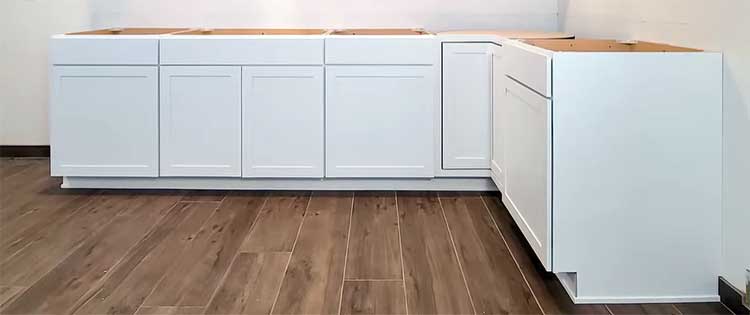
The core material inside each cabinet box and door sets the baseline price before anything else is added.
Solid maple, oak, or cherry face frames and door panels cost substantially more than particleboard or medium-density fiberboard because the lumber must be kiln-dried to a precise moisture content, graded for minimal knots, and milled to uniform thickness.
When I asked my dealer to price the same layout in solid maple versus a plywood box with a maple veneer door, the solid version added nearly four thousand dollars.
The difference came from the volume of hardwood required and the higher scrap rate when matching grain across a run of doors.
Plywood used for better boxes still carries a premium. Cabinet-grade plywood has more plies, fewer voids, and a thicker face veneer so the box does not sag under the weight of stacked plates.
I opened sample boxes side by side. The higher-grade plywood felt rigid when I pressed the side panel; the lower-grade sheet flexed.
That rigidity matters once the cabinet is loaded and the doors are hung. Water resistance is another factor. Solid wood and quality plywood tolerate occasional spills better than particleboard, which swells and loses screw holding power if moisture reaches the raw edge.
Manufacturers pass these material costs through directly. You pay for the raw boards, the drying time, the grading labor, and the lower yield.
Choosing a less expensive core material lowers the invoice today, yet it also shortens the expected service life if the kitchen sees normal daily use and occasional humidity.
Construction Techniques and Joinery
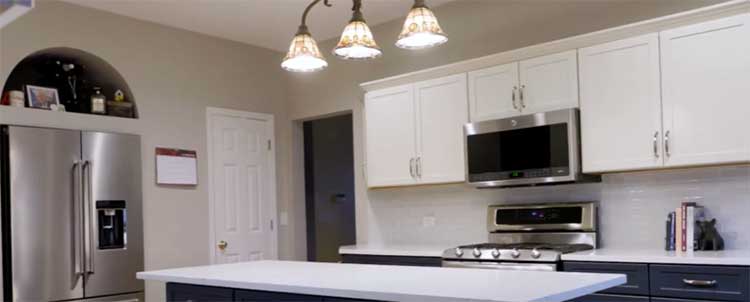
How the pieces are joined together adds both material waste and skilled labor. Dovetail joints on drawer boxes require precise cutting and fitting so the pins and tails lock tightly.
A simple glued and stapled butt joint takes seconds; a dovetail takes minutes per drawer and generates more offcuts. I counted the drawers in my planned kitchen—eighteen total—and realized the extra time compounded quickly.
Face-frame construction with mortise-and-tenon or pocket-screw joints keeps the cabinet square under load. Frameless European-style boxes rely on thicker side panels and precise boring for hinges.
Both methods work, yet both cost more than the lightest-duty assembly lines that simply glue and nail thin panels.
I tested sample drawers from two price tiers. The dovetailed drawer stayed square when I pushed on the corner; the stapled version twisted slightly.
Soft-close hardware and full-extension slides also demand accurate hole placement so the mechanisms align and operate without binding. Factories that automate these steps still charge for the programming, the tooling, and the quality checks.
The analytical result is that stronger construction reduces future repairs and keeps doors and drawers aligned for years. That reliability is built into the price. You can choose simpler joinery and save money, but the trade-off appears later when a drawer front sits uneven or a box begins to rack.
Also Read: Is Jarlin Cabinets Worth It?
Customization Options and Features
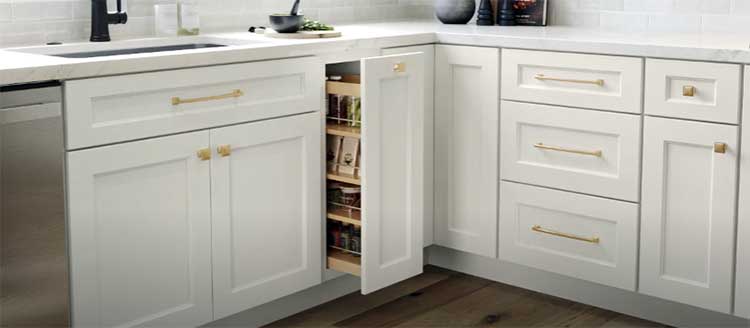
Stock cabinets arrive in a limited set of widths, heights, and depths. Once you request a non-standard size, a taller pantry, a corner unit with a rotating shelf, or a bank of deep drawers, the order leaves the high-volume production line.
I needed one 42-inch-wide base cabinet to fit an existing opening and a tall unit beside the refrigerator for baking sheets. Those two changes moved the entire order into semi-custom pricing and added roughly fifteen percent.
The factory had to adjust cutting lists, change tooling, and schedule the pieces separately.
Specialty features multiply the cost further. A pull-out trash system requires a heavy-duty slide, a metal bin, and precise fitting so the door clears. Vertical dividers for cookie sheets need additional panels and hardware.
A lazy Susan in a corner cabinet uses a rotating mechanism rated for weight. Each item is useful, yet each appears as a line-item charge. In my comparisons the organizers and custom sizes together accounted for nearly one-fifth of the cabinet total.
Analytical buyers can reduce this portion by accepting standard widths wherever possible and adding only the organizers that will be opened every day. The convenience is genuine—reaching the back of a cabinet without unloading everything—but the price reflects the extra parts and the labor to integrate them.
Hardware Quality and Mechanisms
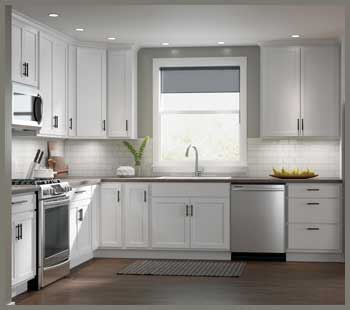
Hinges, slides, and pulls look minor until you price a full kitchen.
Soft-close hinges rated for repeated cycles cost several times more than basic concealed hinges.
Full-extension undermount slides with integrated soft-close dampers add thirty to fifty dollars per drawer.
I had twenty-two drawers and sixteen doors. The hardware package alone exceeded the cost of several cabinet boxes.
When I opened and closed the sample units, the better slides glided the full depth and stopped gently; the lower-priced side-mount slides required more force and sometimes stuck near the end.
The difference matters in daily use. A drawer that closes quietly and stays aligned reduces frustration and wear on the box. Manufacturers also include the labor of boring precise holes and adjusting each hinge and slide after installation.
Mid-tier hardware often delivers most of the benefit without the absolute top price. I settled on soft-close hinges and full-extension slides on the most-used drawers while accepting standard slides on infrequently opened ones.
That selective approach trimmed several hundred dollars while preserving the quiet operation I wanted every morning.
Also Read: Is Mantra Cabinets Worth It?
Finishing Processes and Durability
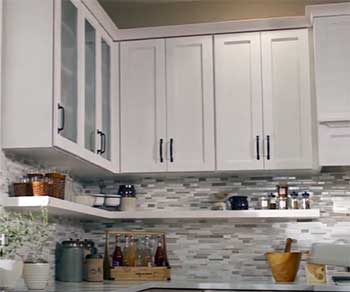
The finish protects the wood and creates the look, yet it also adds process steps.
Painted doors, especially in white or dark colors, require multiple coats, sanding between coats, and a catalyzed topcoat that resists yellowing, chipping, and moisture.
Stained finishes need careful color matching across panels and a clear coat that will not peel.
In the quotes I reviewed, painted shaker doors ran about twenty percent higher than the same profile in a standard stain.
The extra booth time, the risk of defects that must be reworked, and the material cost of quality coatings explain the gap.
I ran a fingernail across cured sample doors. The better finish showed no mark; a thinner factory coat scratched. Durability matters because kitchen cabinets face steam, cleaning products, and daily contact.
A finish that holds up for fifteen years avoids the cost and disruption of refinishing or replacing doors later. The analytical view is that the finish cost is often embedded in the per-door price rather than listed separately, so it is easy to underestimate until the final numbers arrive.
Choosing a simpler stain or a stock color can lower the total without sacrificing the structural quality of the box.
Installation Labor and Expertise
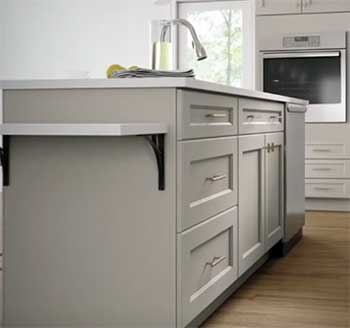
Even perfectly built cabinets require skilled hands to install them level, plumb, and secure.
Walls are rarely perfect.
My installer spent hours shimming one wall that was out of plumb by half an inch so the upper cabinets would sit flush and the doors would align.
That time is billed at local labor rates, which commonly run sixty to ninety dollars per hour for experienced cabinet installers.
A typical kitchen can take three to five days once the old cabinets are removed and the walls are prepared.
I received two installation quotes for the same set of boxes.
The higher bid included laser leveling, scribing fillers to uneven surfaces, and full adjustment of every door and drawer after the boxes were fastened. The lower bid assumed ideal conditions and left final tweaks to me.
Proper installation prevents doors from binding and drawers from racking. It also includes fitting crown molding, light rails, and toe kicks so the finished kitchen looks intentional. Those hours are not optional if you want the cabinets to function and appear correct.
Choosing a lower-priced installer can save money up front, yet poor alignment often leads to callbacks or visible gaps that reduce the value of the materials you already paid for.
Also Read: Is Fabuwood Cabinet Worth It?
Brand Premiums and Warranties
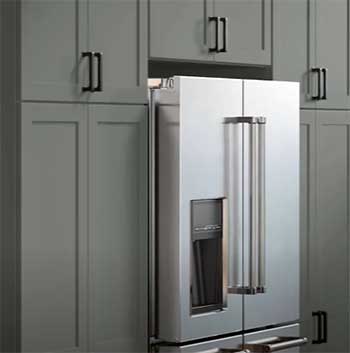
National brands maintain showrooms, train dealers, and stand behind longer warranties.
When I compared a well-known line with a regional manufacturer using similar plywood and hardware, the national brand was roughly eighteen percent higher.
Part of that difference covered marketing, dealer support, and a limited lifetime warranty on the boxes and mechanisms.
The regional shop offered a five-year warranty.
Both sets of cabinets performed well in the samples I examined, yet the warranty language and the dealer network differed.
For many homeowners the longer coverage and the ability to reorder matching pieces years later justify the premium.
Analytical shoppers can still find value by selecting a lesser-known brand that sources the same hinges and uses comparable construction.
The cabinets may function identically day to day. The price gap often reflects the brand’s overhead and the peace of mind of the warranty rather than a dramatic difference in the wood or the joinery. Reading the warranty exclusions carefully helps you decide whether the extra cost is worthwhile for your situation.
Economic and Market Influences
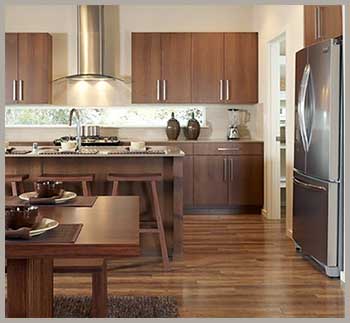
Lumber, composite panels, and hardware prices move with housing demand and supply conditions.
During the months I collected quotes, hardwood and plywood surcharges rose twice.
Cabinet factories build to order rather than stocking large volumes of finished units, so material increases pass through quickly.
Strong demand for kitchen remodels keeps production lines busy, which reduces the pressure to discount.
Labor costs inside the factories have also climbed.
I tracked three successive quotes from the same supplier and watched the material adjustment line increase.
Energy costs for drying lumber and running finishing booths add another layer.
Buyers who can schedule work during slower periods sometimes receive modest concessions, yet large price drops are uncommon because the underlying inputs remain elevated.
The analytical observation is that cabinet pricing tracks broader construction costs more closely than most people expect. Waiting indefinitely for a return to earlier price levels is rarely practical; planning around current market conditions produces more reliable budgets.
Also Read: Is Bertch Cabinet Worth It?
Supply Chain and Logistics Costs
Cabinet boxes are large and relatively fragile.
Shipping a full kitchen from a distant factory adds freight that can equal the cost of one or two base cabinets.
When I priced an order from a manufacturer two states away, the freight charge was several hundred dollars.
Local or regional shops reduce that line item, yet they still incur the cost of receiving bulk plywood, hardware, and finishing materials.
Damage in transit requires replacement parts and additional deliveries, so factories build a small allowance into pricing.
I asked about the last damaged shipment my dealer handled.
A cracked door panel required a three-week replacement cycle and another truck. Those logistics realities are present in every quote even when they do not appear as a separate line.
Choosing a manufacturer closer to your location can trim freight, but handling, warehousing, and the occasional replacement still contribute to the final number. The bulky nature of the product simply makes transportation more expensive than smaller home-improvement items.
Long-Term Value and Investment
Cabinets that remain square, quiet, and attractive for fifteen to twenty years reduce the likelihood of another full replacement.
I divided the installed price of my selected cabinets by an expected twenty-year life and compared the annual figure with the cost of replacing lower-priced cabinets twice in the same period.
The higher-quality set showed a lower annual cost once durability was factored in. That calculation only holds if the materials, construction, and finish actually deliver the longer service life.
Updated kitchens with well-built cabinets also tend to recover a larger share of their cost at resale than kitchens finished with the lightest builder-grade boxes.
The analytical buyer therefore weighs the invoice today against avoided future disruption and potential return when the home is sold. The higher price functions partly as an investment in fewer repairs and a more stable appearance over time.
You still control the total by selecting mid-tier materials, limiting custom sizes, and choosing hardware that meets daily needs without the absolute premium tier.
Also Read: Is American Woodmark Cabinet Worth It?
Frequently Asked Questions (FAQ)
In most cases it covers only a limited update. Cabinets alone frequently consume five to eight thousand dollars in a modest kitchen, leaving little remaining for countertops, appliances, flooring, or labor.
Stick to stock widths and heights, choose plywood boxes with simpler door styles, add organizers only where you will use them daily, and compare regional manufacturers against national brands that carry higher overhead.
It can support a solid mid-range project in a smaller kitchen when layouts stay simple and premium countertops or appliances are avoided. Larger rooms or higher-end finishes usually exceed that amount.
Cabinet costs alone typically range from eight to fifteen thousand dollars depending on materials and features, with professional installation adding another two to four thousand dollars in most markets.
Wrapping Up
After comparing multiple quotes and examining each factor, I saw that the expense is largely explained by the combination of materials, skilled labor, and expected performance.
You can keep the project manageable by staying with standard sizes where possible, selecting durable yet mid-range finishes, and focusing specialty features on the cabinets you open most often.
The result is a kitchen that works well every day without reaching the highest possible total.