
I have spent months testing premium dog foods with my own energetic Labrador mix, switching between bags and watching every detail from coat shine to energy levels and bathroom habits.
In this piece, I compare Taste of the Wild and Orijen head-to-head so you can see which one fits your dog’s needs better, based on real feeding experiences, ingredient breakdowns, and performance differences.
Whether you want something affordable that still delivers or a nutrient-dense option that mimics ancestral eating, I break it all down clearly.
| Aspect | Taste of the Wild | Orijen |
| Protein Content (min) | 25-32% typical | 35-40%+ typical |
| Key Ingredient Style | Regional proteins like bison, venison, trout | WholePrey (meat, organs, cartilage, bone) |
| Grain-Free Options | Yes, many formulas | Yes, core focus |
| Price per lb (approx) | More affordable | Premium, higher cost |
| Manufacturing | By Diamond Pet Foods | Champion Petfoods |
| Recall History | Some past recalls | None major |
| Best For | Budget-conscious owners, variety seekers | Active dogs needing high animal content |
I put this table together after checking labels and feeding both over weeks. It gives you the snapshot before we explore deeper.
Key Differences Between Taste of the Wild And Orijen

- Protein Sources and Density: Taste of the Wild relies on named meats like roasted bison or smoked salmon as primary proteins, often hitting solid but not sky-high levels. Orijen packs in fresh or raw poultry, fish, and organs right from the start, aiming for biologically appropriate ratios that mirror what wild canines eat. In my trials, this meant Orijen delivered more usable animal protein per cup, leading to better satiety and fewer hunger cues throughout the day.
- Ingredient Philosophy: Taste of the Wild emphasizes regional, limited-ingredient appeal with superfoods like sweet potatoes, peas, and berries for antioxidants. Orijen goes all-in on WholePrey, including nutrient-rich parts like liver, heart, and bone that provide natural vitamins and minerals without heavy supplementation, creating a more complete profile straight from the source.
- Calorie Density and Feeding Amounts: Orijen kibble packs more calories and nutrients, so my dog ate about 20-25% less volume daily compared to Taste of the Wild while maintaining ideal weight. This efficiency matters for larger breeds or multiple dogs and helped reduce overall food waste in my home.
- Manufacturing and Sourcing: Taste of the Wild comes from Diamond facilities with a broader production scale. Orijen stays with Champion Petfoods, focusing on local Canadian and U.S. sourcing for freshness. I appreciated knowing ingredients traveled shorter distances in Orijen, which gave a greater sense of quality control.
- Formula Variety: Taste of the Wild offers more flavors and life-stage options, including specialized ones like PREY limited ingredient lines. Orijen keeps recipes focused but rotates proteins effectively for rotation feeding, allowing consistent high-quality nutrition across batches.
- Digestibility Observations: Both performed well, but Orijen’s higher meat content led to firmer, smaller stools in my experience—easier cleanup and less odor. Taste of the Wild worked great too, especially for dogs transitioning from lower-quality foods, though it sometimes required an adjustment period.
These differences shaped how I viewed each brand as a daily choice.
Also Read: Comparison of Orijen And Royal Canin Dog Foods.
Key Features of Taste of the Wild
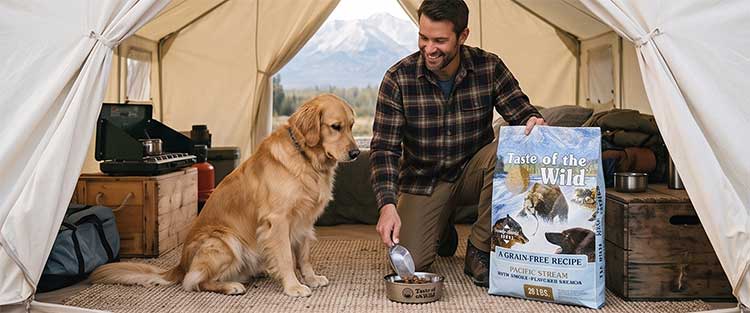
- Diverse Protein Options: From Pacific Stream with salmon to High Prairie with bison and venison, you get real variety that helps prevent boredom or sensitivities. I rotated flavors every few months without issues, and my dog stayed enthusiastic at every meal while avoiding potential food fatigue that some single-protein diets cause.
- Inclusion of Superfoods: Blueberries, raspberries, and sweet potatoes add natural fiber and antioxidants. My dog’s digestion stayed regular, and his immune system seemed supported during seasonal changes, with noticeably less scratching and better skin resilience even in humid weather.
- Affordable Premium Positioning: You pay less per bag but still get grain-free recipes without corn, wheat, or artificial stuff. This made it easier on my wallet during longer feeding periods, letting me maintain quality nutrition without constant budget stress.
- Probiotics and Digestive Support: Many formulas include guaranteed live cultures that helped smooth any minor tummy transitions I observed, especially useful when switching from other brands or during stressful events like travel.
- Life-Stage and Breed Flexibility: Puppy, adult, senior, and even small-bite options exist, making it straightforward for households with different dogs. I found this particularly handy when my pup was growing and later as he hit full adulthood.
- Palatability: The kibble size and scent appealed strongly—my picky days were rare on this food, and even visiting dogs cleaned their bowls quickly.
- Regional Ingredient Story: Inspired by wild prey in various U.S. landscapes, which adds a nice narrative and uses proteins like lamb or duck that some dogs tolerate better, offering good alternatives for those with common sensitivities.
I found Taste of the Wild particularly strong for owners who want quality without breaking the bank every month. The formulas feel approachable while delivering noticeable benefits like shinier coats and steady energy over extended use.
Also Read: Comparison of Orijen And Acana Dog Foods.
Pros of Taste of the Wild

- Great Value for Money: You stretch your budget further while feeding a solid premium food. Over six months, I saved noticeably compared to premium competitors, allowing me to invest those savings in other pet supplies or treats.
- Wide Flavor Selection: Rotating proteins reduces allergy risks and keeps mealtimes exciting. My dog never turned up his nose, and the variety helped me manage potential sensitivities effectively over time.
- Gentle on Digestion for Many Dogs: The inclusion of fiber-rich veggies helped maintain good gut health without extremes, resulting in consistent, predictable bathroom routines that made daily life easier.
- Accessible Availability: Easier to find in stores or online, which matters for last-minute bag changes or emergencies when you cannot wait for shipping.
- Strong Antioxidant Profile: Berries and veggies provide natural support that showed in healthy skin and reduced itching during allergy season, keeping my dog comfortable year-round.
- Limited Ingredient Options: PREY formulas suit dogs with specific sensitivities beautifully, offering clean solutions without unnecessary extras.
- Proven Track Record for Many Pets: Countless owners report happy, thriving dogs on daily feeding, which matched my own positive observations on energy and coat quality.
These strengths make Taste of the Wild a practical pick I would confidently recommend to friends on moderate budgets or with multiple dogs.
Cons of Taste of the Wild
- Lower Protein Density: Some formulas require larger portions, which can increase overall cost per nutrient delivered over time despite the lower bag price.
- Manufacturing Association: Produced by Diamond, which has faced past quality control scrutiny in the industry, prompting me to stay vigilant with batch checks.
- Variable Stool Quality: In my trials, some batches led to slightly looser stools initially compared to Orijen, though this improved with full transition.
- Reliance on Plant Ingredients: More peas and potatoes in certain recipes might not suit every dog long-term, especially those with legume sensitivities.
- Recall Incidents: History includes some voluntary actions that raised questions for cautious owners and required extra research on my part.
- Less Organ Meat Inclusion: Fewer natural micronutrients from organs mean more added supplements, which felt less ideal compared to whole-food alternatives.
- Energy Delivery: Active working dogs might need extra volume to match performance on higher-density foods, leading to bigger daily servings.
I experienced these drawbacks firsthand, especially when comparing direct side-by-side with Orijen. They did not ruin the experience but influenced my final leanings.
Also Read: Comparison of Diamond And Victor Dog Foods.
Key Features of Orijen
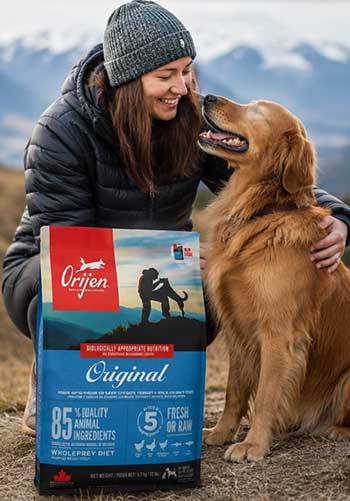
- WholePrey Approach: Fresh meat makes up a huge percentage, followed by organs and cartilage. This delivers a complete nutrient profile naturally—something I noticed in sustained muscle tone and vitality, with my dog showing better endurance on daily walks and play sessions.
- High Animal Content: Often 85% or more animal ingredients. My dog maintained peak playfulness even on rest days, which I attribute to the dense protein and fat profile that kept him feeling full longer between meals.
- Biologically Appropriate Design: Recipes mimic ancestral diets with minimal plant fillers relative to meat. The balance of omega fatty acids from fish supported joint health beautifully during our hikes, reducing any stiffness after heavy activity.
- Fresh and Raw Inclusion: Many ingredients arrive fresh or raw, preserving more natural enzymes and flavors. The kibble had a richer smell and texture that encouraged enthusiastic eating every single time.
- All Life Stages Suitability: Most formulas work across ages, simplifying feeding if you have puppies growing into adults without needing to stock multiple products.
- Minimal Synthetic Additives: They rely heavily on whole-food sources, adding only necessary vitamins where nature falls short, which aligned with my preference for cleaner labels.
- Sustainable Sourcing Focus: Emphasis on local farms and fisheries reduced my concerns about supply chain quality and supported better traceability from farm to bowl.
Feeding Orijen felt like giving my dog the closest thing to a wild diet in kibble form. The results showed in his alertness and overall condition after consistent months of use.
Pros of Orijen
- Superior Protein Quality and Quantity: The meat-forward profile supported better muscle maintenance and satiety in my dog, helping him stay lean and strong without constant hunger.
- Excellent Digestibility: Smaller, firmer stools and efficient nutrient absorption meant less waste and cleaner feeding routines, which simplified cleanup significantly.
- WholePrey Nutrient Delivery: Natural sources of glucosamine, chondroitin, and taurine from cartilage and organs benefited joints and heart health, especially noticeable in an active breed like mine.
- No Major Recalls: Cleaner safety record gave me peace of mind during extended use, reducing worry about potential issues.
- High Palatability and Acceptance: Even finicky eaters in my circle loved it, making mealtimes smooth and stress-free.
- Support for Active Lifestyles: Perfect for high-energy dogs—my Labrador stayed trim and powerful, with consistent stamina on longer adventures.
- Transparent Sourcing: Local ingredients and ethical practices aligned with my values as a pet parent, adding confidence to every purchase.
These advantages made Orijen feel like a step up during my testing period.
Also Read: Comparison of Orijen And Open Farm Dog Foods.
Cons of Orijen
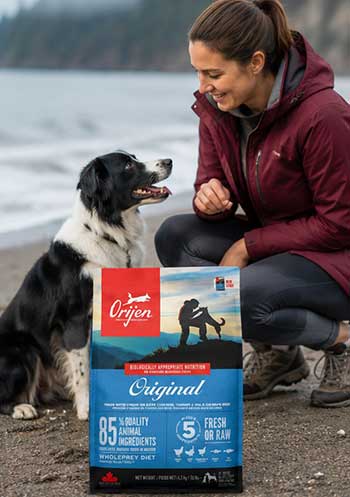
- Higher Price Point: The premium cost adds up, especially for large breeds or multi-dog homes, requiring careful budgeting on my end.
- Calorie Density: Some dogs might gain weight if portions are not carefully measured, so I had to adjust amounts precisely.
- Limited Flavor Variety: Fewer options compared to Taste of the Wild can feel restrictive for rotation, though the quality compensates.
- Potential for Loose Stools in Transition: High fat and protein required a gradual switch for my dog to avoid temporary digestive upset.
- Legume Inclusion in Some Recipes: Peas and lentils appear, which some owners monitor due to industry discussions around long-term effects.
- Availability Challenges: Not always stocked locally, requiring planning or online orders that sometimes delayed my supply.
- Intensity for Less Active Dogs: Might be overkill for couch potatoes needing lower calories, potentially needing mixing with lighter options.
I felt these trade-offs but still valued the overall performance enough to keep Orijen in rotation.
Which One Should You Choose?
After months of comparison, I lean toward Orijen for my high-energy dog because of the nutrient density and WholePrey benefits. Yet Taste of the Wild remains a strong contender when budget or variety matters more.
You know your dog best—consider age, activity, sensitivities, and your wallet. I often mix elements by rotating or using one as base and the other for toppers.
Both brands outperform many supermarket options and show real commitment to better ingredients. Test small bags, monitor your dog for a few weeks, and adjust. Your pup deserves food that matches their lifestyle, and either choice starts you on a good path.
Also Read: Differences Between Royal Canin And TLC Dog Foods.
Frequently Asked Questions (FAQ)
A class action in Missouri alleges deceptive marketing of grain-free formulas regarding potential health risks like DCM. It involves purchases in a specific period and focuses on safety claims.
Many vets appreciate its high protein and quality ingredients for active or working dogs, though recommendations vary by individual pet needs and some prefer balanced commercial diets overall.
Options like fresh raw diets, certain limited-ingredient brands, or vet-prescribed therapeutic foods may suit specific conditions better, depending on your dog’s health profile.
Past class actions examined heavy metal levels and labeling claims, but many aspects were narrowed or dismissed in court. No widespread ongoing major issues dominate current discussions.
Final Thoughts
I have shared my genuine experiences comparing these two excellent brands because I want you to feel confident feeding your dog the best possible nutrition. You now have detailed insights into ingredients, performance, costs, and real-world results to guide your decision.
Whether you pick Taste of the Wild for its approachable excellence or Orijen for its premium edge, both can support a happy, healthy life.
Try what fits your situation, watch your furry friend thrive, and adjust as needed—you and your dog will both benefit from making informed choices together.