
I have spent years adjusting potting mixes for seedlings, cuttings, and container plants, always hunting for better moisture balance and root airflow.
Vermiculite and peat moss both improve soil structure, yet they differ sharply in how they hold water, change pH, and affect long-term plant health.
This comparison shows you when each amendment works best so you can match it to your plants and growing conditions without wasting time or money. You will see clear pros, cons, and practical uses that help you decide which one belongs in your next batch of soil.
| Aspect | Vermiculite | Peat Moss |
| Origin | Expanded natural mica mineral | Partially decomposed sphagnum moss from bogs |
| Texture | Lightweight, flaky granules that expand with heat | Fibrous, spongy, and dark when moist |
| pH Level | Neutral to slightly alkaline (around 7.0) | Strongly acidic (3.5–4.5) |
| Water Retention | Holds water well and releases it gradually | Extremely high capacity, up to 20 times its weight |
| Aeration | Excellent, prevents compaction | Good at first but can compress over time |
| Nutrient Holding | Strong cation exchange, holds fertilizers | Holds some nutrients but mainly water |
| Sustainability | Mining-based, finite mineral resource | Non-renewable; bogs take centuries to form |
| Cost | Usually higher per volume | Generally more affordable in bulk |
| Best Uses | Seed starting, cuttings, drainage improvement | Acid-loving plants, bulk moisture retention |
| Longevity | Stable for years, does not break down | Gradually decomposes and shrinks |
Free 3D Sod Installation Cost Calculator.
Key Differences Between Vermiculite and Peat Moss
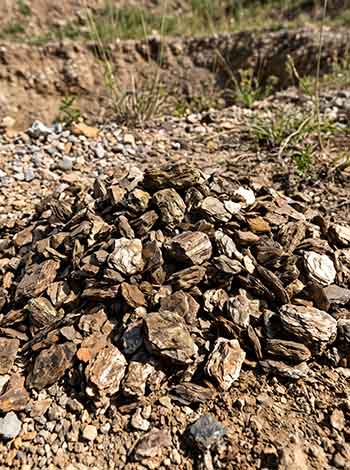
- Source and Composition Vermiculite starts as a mineral mined from the earth and is then heated to expand. Peat moss is entirely organic plant material harvested from wetland bogs. The mineral nature of vermiculite means it never breaks down, while peat slowly decomposes and adds a small amount of organic matter before disappearing. I have mixed both into the same pot and watched the peat shrink over a year while the vermiculite granules stayed the same size.
- Water Behavior Vermiculite absorbs water and releases it as plants need it, which reduces the risk of sudden dry-outs. Peat moss soaks up far more water overall but can stay saturated longer, creating conditions that favor root rot if drainage is poor. In my trials with identical containers, the peat-based mix stayed heavier after watering and took longer to dry between waterings.
- Effect on Soil pH Vermiculite stays near neutral and does not shift soil acidity much. Peat moss lowers pH noticeably, sometimes requiring lime if you grow plants that prefer neutral or alkaline conditions. You should test your mix if you add large amounts of peat to avoid locking out nutrients that plants cannot absorb in very acidic soil.
- Aeration and Structure The flaky structure of vermiculite creates permanent air pockets that resist compaction. Peat moss improves structure at first but can settle and become dense as it breaks down. I noticed better root penetration in vermiculite mixes after six months compared with peat-only mixes that had hardened.
- Environmental Footprint Mining vermiculite disturbs land and uses energy for processing, yet the material lasts indefinitely once applied. Harvesting peat destroys slow-forming bogs that store large amounts of carbon and support unique wildlife. Many gardeners have reduced peat use for this reason, and I have shifted toward lower-peat mixes in recent seasons.
- Cost and Availability Peat moss is usually cheaper and sold in large compressed bales. Vermiculite costs more per cubic foot and is often sold in smaller bags, though both are stocked at most garden centers. When I calculated the cost for a full raised bed, peat came out ahead on price alone.
Key Features of Vermiculite
- Moisture Retention and Release The expanded granules hold water in their layers and give it up slowly to roots. This steady supply helps seedlings survive minor watering gaps. I have started trays of tomatoes and peppers in vermiculite-heavy mixes and seen fewer wilted plants during hot afternoons.
- Permanent Aeration Because the mineral does not decompose, the air spaces it creates remain open for years. Roots receive oxygen even in heavy clay soils when vermiculite is mixed in. In containers that stay outdoors year-round, this feature prevents the soil from turning into a solid brick.
- Nutrient Holding Capacity Vermiculite has a high cation exchange capacity, which means it grabs and stores positively charged nutrients such as potassium, calcium, and magnesium. Fertilizers stay available longer instead of washing out with every watering. I noticed greener foliage in plants grown in vermiculite-amended mixes compared with plain potting soil.
- Lightweight and Sterile The material is easy to handle and adds little weight to pots, which matters if you move containers often. Processing kills pathogens, so it is safe for starting seeds or rooting cuttings without introducing disease. You can use it straight from the bag for many propagation tasks.
- pH Stability It does not acidify the soil, making it suitable for a wide range of plants including vegetables, herbs, and most flowers. You avoid the extra step of adding lime that peat often requires.
Also Read: My Experience With Sta-Green Potting Soil.
Pros of Vermiculite
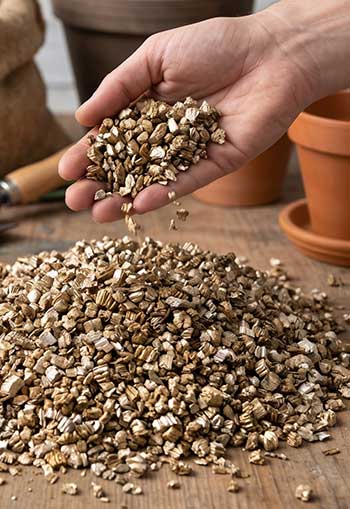
- Reliable Drainage Without Drying Out The combination of air spaces and water storage prevents both waterlogging and rapid dry-down. Plants stay healthier in fluctuating weather. I have used it in succulent mixes where pure peat would hold too much moisture and pure perlite would dry too fast.
- Long-Term Stability It does not shrink or decompose, so soil volume stays consistent year after year. This matters in permanent plantings and large containers that you do not want to repot constantly. The granules remain effective even after several seasons of watering and root growth.
- Safe for Seed Starting and Cuttings Sterility and even moisture make it excellent for propagation. Seeds germinate more evenly and cuttings root with less rot. I start almost all my warm-season crops in a vermiculite-based mix and transplant with minimal shock.
- Nutrient Retention Reduces Fertilizer Waste Held nutrients stay available instead of leaching away. You can fertilize less often and still see steady growth. In my tests, plants in vermiculite mixes needed fewer supplemental feedings than those in plain peat mixes.
- Neutral pH Fits Most Plants You can add it to almost any soil without worrying about sudden acidity changes. Vegetables, annual flowers, and many houseplants perform well. This versatility saves time when you grow a mixed collection.
Cons of Vermiculite
- Higher Price Limits Large-Scale Use The cost per bag adds up when you need cubic yards of material. For big garden projects the expense can exceed the benefit. I reserve pure vermiculite for seed trays and small pots where a little goes a long way.
- Risk of Excess Moisture in Poorly Drained Pots If drainage holes are blocked or the mix is too dense, vermiculite can keep the root zone wet too long. Root rot becomes more likely with plants that prefer drier conditions. I learned to pair it with extra perlite or coarse bark for cacti and succulents.
- Mining Impacts and Finite Supply Extracting and processing the mineral requires energy and disturbs land. Once used, it does not replenish itself. Some gardeners avoid it for environmental reasons and look for alternatives.
- Limited Organic Contribution It adds no carbon or food for soil microbes. Over time the mix may need separate compost or organic fertilizer to support biological activity. I always combine vermiculite with some compost when building long-term beds.
- Can Be Dusty When Dry Fine particles become airborne during handling and may irritate lungs if inhaled in quantity. Wetting the material before use reduces the problem. I wear a mask when opening large bags indoors.
Key Features of Peat Moss
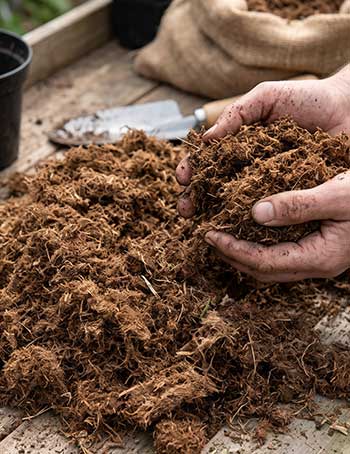
- Extreme Water Holding A small volume of peat can absorb many times its dry weight in water. This quality makes it useful for hanging baskets and outdoor containers that dry quickly in wind or sun. I have relied on it for patio plants that I cannot water every day.
- Soil Structure Improvement The fibrous texture loosens heavy soils and helps sandy soils retain moisture. When mixed into garden beds, it improves workability and reduces crusting on the surface. Over a season the fibers create channels that roots follow easily.
- Acidifying Effect The low pH benefits plants that struggle in neutral soil. Blueberries, rhododendrons, and hydrangeas that need blue flowers respond well to peat additions. You can adjust the amount to dial in the exact acidity you want.
- Wide Commercial Availability Most bagged potting mixes already contain peat, so gardeners know how it behaves. Compressed bales expand greatly when moistened, giving good value for large projects. I keep a bale on hand for bulk amendments each spring.
- Organic Matter Contribution As peat slowly breaks down it adds a modest amount of organic material, though far less than compost. This gradual release supports soil life for a season or two before the fibers disappear.
Pros of Peat Moss
- Superior Moisture Storage for Dry Conditions The high water capacity keeps plants alive longer between waterings. This is especially helpful in hot climates or for vacation periods. I have left peat-amended containers unattended for several days and returned to healthy plants.
- Excellent for Acid-Loving Species You can create the low-pH environment many ornamentals and berries require without constant chemical adjustments. The effect lasts as long as the peat remains in the soil. Gardeners growing specialty plants often prefer peat for this reason.
- Affordable for Large Volumes Buying peat in bulk lowers the cost of filling raised beds or many containers. The compressed form stores easily until needed. When I amended an entire vegetable plot, peat was the economical choice.
- Improves Heavy or Sandy Soils Quickly A few inches mixed into the top layer changes texture and water behavior within one season. Roots explore more easily and plants establish faster. I have transformed sticky clay beds by incorporating peat and seen better yields the same year.
- Familiar Ingredient in Commercial Mixes Because so many products use it, you already know how it behaves with fertilizers and other amendments. Blending your own mix is straightforward. Most gardeners start with peat-based recipes and adjust from there.
Also Read: My Experience With Back To The Roots Potting Mix.
Cons of Peat Moss
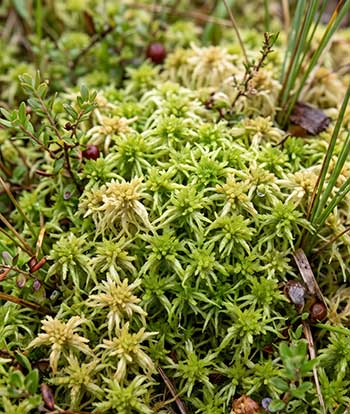
- Environmental Damage from Harvesting Peat bogs are ancient carbon stores and unique ecosystems. Removing the moss releases stored carbon and destroys habitat that regenerates extremely slowly. Many conservation groups and gardeners have moved away from peat for this reason, and I have cut my own use significantly.
- Becomes Hydrophobic When Dry Once fully dried, peat resists rewetting and water runs off the surface. You must soak it thoroughly or it stays dry in the middle of the pot. I have lost seedlings because a peat mix dried out and then would not absorb water again.
- Gradual Breakdown and Shrinkage As the fibers decompose, soil volume decreases and structure changes. Containers may need topping up after a year or two. In permanent plantings the initial benefits fade unless you add more material.
- Strong Acidity Can Harm Some Plants Vegetables, herbs, and many flowers prefer near-neutral soil. Large amounts of peat can drop pH enough to cause nutrient deficiencies. You often need to add lime and retest, which adds steps and cost.
- Limited Nutrient Content on Its Own Peat holds water well but supplies almost no plant nutrients. You must fertilize regularly or mix in other amendments. Plants grown in pure peat can show deficiencies unless you feed them consistently.
When to Choose Vermiculite or Peat Moss?
I reach for vermiculite when I start seeds or root cuttings because the sterile, well-aerated environment reduces disease. It also works well in mixes for plants that need steady moisture without staying soggy, such as many vegetables and houseplants.
Peat moss fits better when I need bulk moisture retention for outdoor containers or when I grow acid-loving shrubs. If sustainability matters most to you, vermiculite or peat alternatives such as coconut coir become stronger options.
You can also blend small amounts of both to gain aeration from vermiculite and water capacity from peat. In my own garden I now use vermiculite more often in pots and reserve peat for specific acid-soil projects.
Mixing Vermiculite or Peat Moss with Potting Soil
Both materials mix easily into existing potting soil or garden beds. I typically add 10–30 percent vermiculite by volume to improve drainage and nutrient holding without making the mix too light.
For peat, 20–40 percent works for most containers when I want extra moisture retention. Always moisten peat thoroughly before blending so it does not stay dry in pockets.
You can combine vermiculite, peat, and compost in roughly equal parts for a balanced homemade mix that supports a wide range of plants. Test the finished blend by squeezing a handful; it should hold together lightly and then crumble, indicating good structure and moisture.
Also Read: My Experience With Miracle-Gro Potting Mix.
Frequently Asked Questions (FAQ)
It costs more than peat, can keep soil too wet if drainage is poor, comes from mining, and adds no organic matter for soil life.
Many object to the destruction of slow-forming bogs, the carbon release from harvesting, and the fact that dried peat becomes hard to rewet.
You need it only if your current mix drains poorly, dries too fast, or lacks aeration for seedlings and cuttings; many gardeners succeed without it.
Yes, adding 10–30 percent by volume improves drainage and nutrient holding in most commercial potting soils without causing problems.
Wrapping Up
I have tested both amendments across seasons and found that neither is perfect for every situation. The real value comes from matching vermiculite or peat moss to the moisture, pH, and aeration your plants actually need.
You can start with small test batches, watch how the soil behaves after watering, and adjust the ratio until roots stay healthy and growth stays steady. Over time this practical approach saves more plants and money than following any single recipe.