
I have tried plenty of dog foods over the years with my energetic border collie mix and my laid-back labrador.
When it came time to compare Orijen and Acana side by side, I wanted real answers based on what I saw in their coats, energy levels, digestion, and overall health.
In this article, I share my experiences, break down the key differences, and help you figure out which one might suit your dog better.
Whether you have an active pup who needs fuel or one who does best with something gentler, I cover it all from a practical, everyday user perspective.
| Aspect | Orijen | Acana |
| Protein Content | Higher (around 38% average) | Moderate (around 31% average) |
| Meat Inclusion | More fresh/raw meat, up to 85% animal ingredients | Solid meat content, but less than Orijen |
| Price | Premium, noticeably more expensive | More affordable and accessible |
| Variety | Fewer formulas, focused on high-meat | Wider range, including grain-inclusive options |
| Best For | Active, high-energy dogs | Everyday dogs, picky eaters, sensitive stomachs |
| Calorie Density | Higher | More moderate |
| Digestion | Richer, can be heavier for some | Often gentler on tummies |
Key Differences Between Orijen And Acana Dog Foods
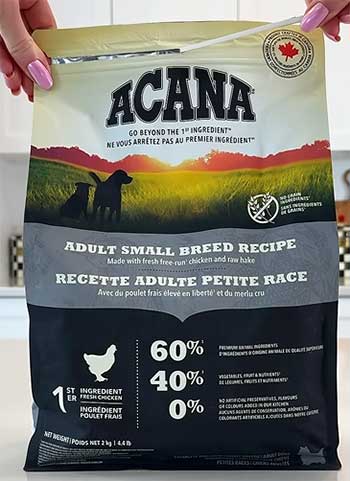
- Meat and Protein Levels: Orijen packs in significantly more animal content, often featuring a wider variety of fresh meats, organs, and cartilage in each formula. I noticed my active dog seemed to thrive on this dense nutrition, building lean muscle without extra supplements. Acana still delivers impressive meat inclusion but balances it with more plant-based ingredients, making it less intense for dogs who do not need that much protein punch. This difference became obvious when I compared feeding amounts and how full my dogs felt after meals.
- Ingredient Philosophy: Both emphasize fresh, regional sourcing, but Orijen leans harder into the WholePrey approach with minimal processing for those animal parts. Acana offers more flexibility, sometimes including grains like oats for better digestibility in certain recipes. In my experience, this makes Acana easier to portion for dogs prone to weight gain while still providing solid nutrition.
- Calorie Density and Energy Impact: Orijen’s higher fat and protein translate to more calories per cup. My border collie stayed satisfied longer on smaller servings, which helped during high-activity periods. Acana felt more moderate, preventing accidental overfeeding with my labrador who loves to beg for extra kibble and tends to gain weight easily if portions creep up.
- Formula Variety and Customization: Acana wins here with broader options across life stages, breeds, and sensitivities. I could easily find a fish-based or poultry-focused version that suited seasonal needs or addressed minor allergies. Orijen keeps things more streamlined, which simplifies decisions but limits choices if your dog has specific preferences or needs frequent rotation to maintain interest.
- Price Point and Value: Orijen costs more upfront, but because of the nutrient density, I used less per day with my active dog. Acana stretches further in my pantry, offering solid quality at a friendlier monthly expense. Both deliver premium ingredients without fillers like corn or wheat in most lines, but the savings with Acana added up over months.
- Digestibility for Different Dogs: Some dogs handle Orijen’s richness beautifully; others, especially seniors or those with sensitive systems, do better on Acana’s balanced approach. I saw firmer stools consistently on both, but transitions to Orijen required slower mixing over a week or more to avoid loose stools initially with my labrador.
- Sourcing and Production: Same parent company means similar quality controls and ethical sourcing claims. However, shifts in manufacturing locations over time have led to user reports of formula tweaks that affected palatability for some pets. I always check batch details when possible and noticed subtle changes in scent and acceptance between bags.
Also Read: Comparison of Orijen And Royal Canin Dog Foods.
Key Features of Orijen
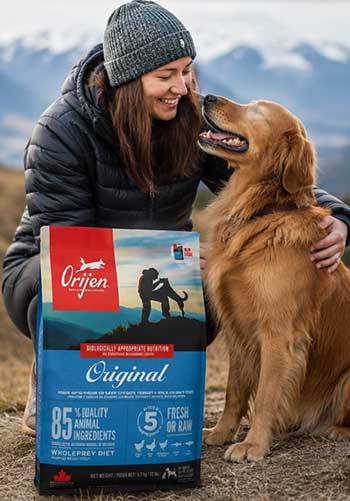
- High animal ingredient percentage that mimics ancestral diets: Orijen stands out with formulas that often reach 85% or more animal ingredients, loaded with muscle meat, organs, and edible bones for natural nutrient delivery. This approach delivers nutrients in forms that dogs’ bodies recognize and absorb efficiently, which showed in my border collie’s sustained energy and muscle definition during intense training weeks. I appreciated not having to add separate joint supplements because the natural cartilage and bone content seemed to support mobility well.
- Fresh and raw inclusions that retain more natural flavors and enzymes: Many Orijen recipes incorporate fresh or raw meats that are gently processed to keep enzymes and flavors intact. My dogs clearly loved the aroma and taste, finishing bowls faster than with other foods. This palatability made mealtimes enjoyable and reduced the need for toppers or coaxing, especially helpful during picky phases my collie went through.
- Biologically appropriate nutrient profiles tailored for peak performance: The recipes focus on supporting muscle maintenance and endurance in working or sporting dogs through high protein and fat levels. During agility seasons, I observed quicker recovery times and better stamina with Orijen compared to lower-protein options. It felt like providing fuel designed specifically for the way my active dog lives his life.
- Limited supplementation thanks to the diversity of whole foods: With such a wide array of animal parts included, Orijen reduces reliance on synthetic additives. I felt confident that most vitamins and minerals came from real food sources, which aligned with my preference for whole-food nutrition. Over years of use, this contributed to excellent bloodwork results at vet visits.
- Strong focus on omega fatty acids from fish sources for skin and coat health: The inclusion of wild-caught fish brings in high levels of EPA and DHA. Within just a few weeks of consistent feeding, I saw a visible shine and reduced shedding in both dogs’ coats. It made brushing sessions less messy and helped with minor dry skin issues during winter months.
- Freeze-dried coated kibble in some recipes for extra palatability and aroma: This coating boosts appeal, making even selective eaters excited about dinner. The texture also held up well as training treats, allowing me to use kibble itself during sessions without extra purchases. My dogs responded with enthusiasm that made feeding routines smoother.
- Options designed for specific needs like puppy growth, senior support, or fit-and-trim weight management: Whether dealing with a growing puppy needing extra calories or a senior requiring joint support, targeted formulas exist. I used the puppy version briefly during growth spurts and noticed strong bone development without excess weight gain when portions were managed carefully.
Also Read: Comparison of Blue Buffalo And Purina Pro Plan Dog Foods.
Pros of Orijen
- Exceptional protein density supports active lifestyles and lean body condition: The high protein helps build and maintain muscle, which I saw clearly in my border collie’s physique during peak activity seasons. It minimized fat gain while fueling long days of play and work, making it ideal for dogs with jobs or intense exercise routines.
- Superior ingredient variety in animal sources provides a broad spectrum of amino acids and micronutrients: Multiple meats and organs deliver comprehensive nutrition naturally. This variety seemed to contribute to robust health, with shiny coats, strong nails, and alert attitudes that I tracked over months of feeding.
- Dogs often show improved muscle tone, energy, and coat quality after consistent use: Real results appeared in better endurance, faster post-exercise recovery, and reduced shedding. My active dog maintained playfulness longer into his senior years compared to previous foods.
- Minimal carbohydrate content aligns well with carnivorous needs: Lower carbs keep the focus on animal-based energy sources, supporting metabolic health and stable blood sugar. This suited my collie perfectly and reduced concerns about unnecessary fillers.
- Strong palatability even for selective eaters due to fresh meat emphasis: The natural flavors won over picky periods without hesitation. Both dogs cleaned bowls reliably, simplifying feeding during travel or routine changes.
- Nutrient-rich organs and cartilage contribute to joint and organ health naturally: Built-in support for joints and internal organs reduced the need for extras. I observed better mobility in older walks and overall vitality.
- Reputation for quality that many long-term users swear by for performance dogs: The brand’s focus on mimicking natural diets builds trust. In my household, it delivered on performance promises for the high-energy dog.
Cons of Orijen
- Higher price can strain budgets, especially for large breeds or multiple dogs: The premium cost adds up quickly with bigger appetites. I had to budget carefully during growth phases or when feeding both dogs Orijen simultaneously.
- Rich formula may cause digestive upset if introduced too quickly or fed to less active pets: My labrador needed a very gradual transition to avoid temporary loose stools. Less active days sometimes led to softer stools if portions weren’t adjusted.
- Limited variety means fewer options for dogs with specific protein sensitivities: With fewer formulas, finding alternatives for allergies took more effort. I sometimes supplemented with toppers for variety.
- Calorie density requires careful measuring to prevent weight gain in couch potatoes: Active dogs thrive, but my labrador could pack on pounds if I wasn’t vigilant with scoops during sedentary periods.
- Some users note recent formula adjustments that changed acceptance levels: Subtle shifts in recipes occasionally affected enthusiasm or digestion, requiring me to monitor new bags closely.
- Strong aroma, while appealing to dogs, can be overpowering in the pantry: The meaty scent is potent, which I managed by using airtight containers but still noticed in the kitchen area.
- Availability sometimes spotty compared to more mainstream options: Stock issues at local stores meant planning ahead or ordering online, adding minor inconvenience.
Key Features of Acana
- Reliable meat-based recipes using free-run poultry, wild-caught fish, and grass-fed options: Acana maintains strong meat inclusion with quality sourcing that I trust for everyday feeding. My labrador benefited from consistent protein without overwhelming his system, supporting steady energy throughout the day rather than spikes and crashes.
- Inclusion of wholesome grains in select lines for added fiber and sustained energy: Certain formulas incorporate oats or other grains that provide gentle fiber, helping with digestion and fullness. This proved valuable for my food-motivated labrador, keeping him satisfied between meals and aiding weight control during less active periods like rainy weeks indoors.
- Wider flavor profiles to combat boredom or allergies: With more recipe options including different proteins, I could rotate effectively to prevent sensitivities or mealtime fatigue. Rotating between chicken, fish, and lamb versions kept my dogs interested and allowed me to observe which proteins agreed best with their systems over long periods.
- Balanced macronutrients that suit most household dogs: The moderate protein and fat levels work well for average activity dogs without pushing systems too hard. This balance supported overall wellness for my labrador, maintaining ideal body condition scores at annual checkups without constant adjustments.
- Emphasis on local, fresh ingredients similar to Orijen but formulated for everyday wellness: Acana shares the regional focus but tempers it for broader appeal. I found it practical for multi-dog homes where needs vary, providing solid nutrition that fits most lifestyles without requiring specialized management.
- Gentler calorie load that helps with portion control and weight maintenance: Lower calorie density per cup meant I could offer slightly larger portions if needed for satisfaction while keeping weight stable. This feature reduced stress around measuring and made feeding multiple dogs easier to coordinate.
- Proven track record for supporting healthy digestion and immune function: Through diverse ingredients including fruits and vegetables, Acana supports gut health and immunity. I noticed consistent stool quality and fewer minor illnesses during seasonal changes, giving me confidence in its daily reliability.
Also Read: Comparison of Hill’s Science Diet And Purina Pro Plan Dog Foods.
Pros of Acana
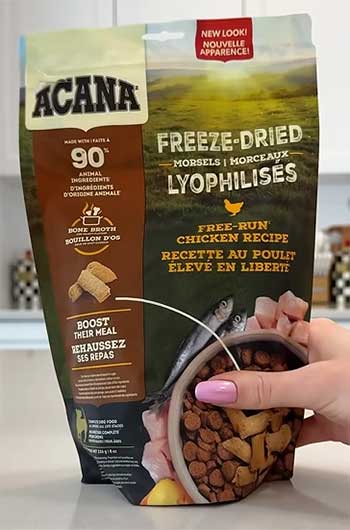
- More budget-friendly while maintaining high-quality standards: The lower price per bag allowed consistent premium feeding without financial stress. This accessibility made it sustainable for years across multiple dogs.
- Excellent variety across recipes for rotation and picky eaters: Multiple protein sources and formats let me keep meals interesting. Rotation helped prevent boredom and potential sensitivities effectively in my home.
- Gentler on digestion for many dogs, leading to consistent stool quality: My labrador produced reliable, firm stools even during transitions or diet tweaks. This reliability reduced cleanup and vet concerns.
- Good balance of protein, fat, and carbs for all-life-stages feeding: The moderate profile worked seamlessly from puppyhood through adulthood without major formula switches. It simplified life with dogs of different ages.
- Effective for maintaining healthy weight and energy without extremes: No dramatic energy spikes or crashes. My dogs stayed even-keeled, which suited family life with regular walks and play.
- Familiar flavors that most dogs accept readily from the first bowl: Easy acceptance minimized transition issues. Both dogs ate with gusto right away, making introductions stress-free.
- Strong regional sourcing that supports similar transparency claims: Quality ingredients at a better price point gave me confidence without the top-tier expense. It balanced ethics and practicality well.
Cons of Acana
- Lower protein compared to Orijen may not suffice for very high-energy working dogs: My border collie sometimes seemed to need more during intense periods, leading to increased portions or mixing with higher-protein food.
- Some formulas contain more plant ingredients, which purists criticize: While balanced, the plant content drew occasional questions from strict carnivore-diet advocates in my circle.
- Slightly less nutrient concentration means potentially larger daily servings: Bigger portions took up more storage space and required careful tracking for multiple dogs.
- Past manufacturing changes led to mixed user feedback on consistency: Occasional bag-to-bag variations in texture or smell required adjustment periods for sensitive dogs.
- Not as calorie-dense, so very active dogs might need more volume: My collie ate larger amounts during peak seasons, which increased overall consumption rates.
- Can still be pricey relative to basic foods, though cheaper than Orijen: It remains an investment, though the value shines through in health outcomes.
- Fewer “ultra-premium” claims around raw inclusions: Less emphasis on raw elements meant I sometimes added fresh toppers for extra appeal on certain days.
There were moments when my border collie seemed to want more from meals on Acana during peak training, prompting the switch back to Orijen for those periods. These limitations highlight why rotation between the two worked well in my household, combining strengths where needed.
Which One Should You Choose?
From my analytical view, Orijen shines for dogs with demanding physical jobs or high metabolism. Acana works wonderfully as an everyday staple that balances quality and practicality.
I often recommend starting with Acana and upgrading to Orijen if your dog shows specific needs for more protein. Always consult your vet, monitor body condition, and transition slowly over 7-10 days.
Both brands reflect a commitment to better pet nutrition than many alternatives. I continue using elements of each depending on the season and my dogs’ activity.
Your choice ultimately comes down to observing your pet’s response and aligning with your household priorities.
Also Read: Is Pelsbarn Cooling Mat Worth It?
Frequently Asked Questions (FAQ)
Some vets express caution due to broader concerns around grain-free diets or specific ingredients in certain formulas, though many others view it positively for its quality. Individual dog needs vary.
Opinions differ. While some praise its high-protein profile for active dogs, others note potential issues with very high meat content for certain health conditions. Check with your own veterinarian.
Past class-action suits targeted Champion Petfoods over advertising claims about sourcing (like free-run poultry) and traces of heavy metals or other contaminants, though outcomes and resolutions vary.
Following its acquisition by PetSmart, Chewy shifted away from certain premium independent brands like Orijen and Acana to focus on different partnerships and in-store alignments.
Final Thoughts
In conclusion, I have found both Orijen and Acana to be strong performers in my home, each excelling in different scenarios.
You know your dog best—consider their age, activity, and your budget when deciding. Give one a fair trial, watch closely, and adjust as needed.
Your pup will thank you with better health, energy, and that unmistakable spark in their eyes. I encourage you to experiment thoughtfully and prioritize what keeps your companion thriving day after day.