
I’ve spent years figuring out what works best for my dogs, switching between different foods based on their energy, coat health, and overall happiness.
When it comes to affordable options, Kibbles and Bits and Pedigree often come up as go-to choices for many of us on a budget.
In this article, I share my personal comparison of these two popular dry dog foods to help you decide which might suit your furry friend better.
We’ll look at ingredients, nutrition, taste appeal, and real-world performance so you can make an informed pick that keeps your dog thriving without breaking the bank.
| Aspect | Kibbles and Bits | Pedigree |
| Main Ingredients | Corn, Soybean Meal, Beef & Bone Meal | Ground Whole Grain Corn, Meat & Bone Meal, Corn Gluten Meal |
| Protein Content (approx.) | Around 23-30% in some formulas | Around 21-25% typical |
| Key Selling Point | Mix of crunchy kibble and chewy bits, savory beef/chicken flavors | Complete nutrition for different life stages, widely available |
| Price Range | Budget-friendly, often very affordable | Extremely affordable, good for large bags |
| Vet/Expert Rating Trend | Mixed, often lower due to fillers | Mixed, criticized for by-products but AAFCO compliant |
| Best For | Dogs who love variety in texture | Everyday feeding for active or large dogs |
| Potential Drawbacks | Artificial colors, corn-heavy | Corn first ingredient, potential recalls history |
This table gives you a quick snapshot before we get into the details.
Key Differences Between Kibbles And Bits And Pedigree

- Ingredient Quality and Sourcing Focus: Kibbles and Bits often highlights real beef in some recipes and a blend of kibble shapes for interest, while Pedigree leans heavily on corn as the top ingredient across many formulas, using meat and bone meal for protein. I noticed Kibbles and Bits sometimes feels a bit more “meaty” in aroma right out of the bag, which my dogs responded to enthusiastically. Pedigree’s formulas seem more uniform, which can be great for consistency but less exciting for picky eaters.
- Texture and Palatability: One big standout is the dual-texture in Kibbles and Bits – crunchy pieces mixed with softer, chewy bits that mimic a more varied meal. This kept my dogs engaged longer during mealtimes. Pedigree tends to be all crunchy kibble, which supports dental health through chewing but might not appeal as much to dogs who get bored easily. I found my senior dog preferred the softer elements in Kibbles and Bits.
- Nutritional Balance and Life Stage Options: Both meet basic AAFCO standards, but Pedigree offers clearer lines for puppies, adults, and seniors with tailored calorie levels. Kibbles and Bits shines in high-protein variants like Triple Steak Flavor, giving active dogs more punch. In my trials, dogs on Pedigree maintained steady weight, while Kibbles and Bits seemed to support better muscle tone in younger, playful pups.
- Digestibility and Stool Quality: This is where personal observation matters. Some dogs on Kibbles and Bits produced firmer stools thanks to the vegetable inclusions, but the soy and corn could cause gas in sensitive stomachs. Pedigree’s beet pulp helps with fiber, yet I saw more variable digestion depending on the batch. Always transition slowly, as I learned the hard way with tummy upsets.
- Cost-Effectiveness Over Time: Pedigree often wins on sheer volume per dollar, making it ideal for multi-dog homes or large breeds. Kibbles and Bits can cost a tad more but offers flavor variety that reduces waste from picky eating. I calculated monthly spends and found both save money compared to premium brands, but your dog’s size and appetite dictate the real winner.
- Availability and Packaging: You can find both almost anywhere, from big-box stores to online. Pedigree bags feel sturdy for bulk storage, while Kibbles and Bits packaging sometimes includes resealable options that stay fresh longer in my experience.
- Additives and Artificial Elements: Both use preservatives like BHA and colors (yellow 5, red 40 in Kibbles and Bits), which raise eyebrows for long-term use. Pedigree has similar concerns with artificial flavors. I monitor my dogs closely for any itching or lethargy that might link back to these.
- Special Formula Availability: Kibbles and Bits has fun flavors like savory beef and chicken, while Pedigree pushes complete nutrition with veggies. Neither excels in limited-ingredient options, so for allergies, you might need to look elsewhere.
- Environmental and Brand Perception: As budget players, neither stands out for sustainable sourcing, but Pedigree’s foundation work for shelters gives it a community edge I appreciate.
- Long-Term Health Observations: Over months, my dogs on either showed decent energy, but switching between them occasionally prevented palate fatigue. Neither caused major issues, but I always pair with fresh water and occasional toppers for balance.
Key Features of Kibbles and Bits

- Varied Kibble Shapes and Textures: The mix of crunchy and chewy pieces makes every meal feel like a treat, encouraging thorough chewing and slowing down fast eaters. My dog who gulps food benefited hugely here.
- Real Meat Inclusion: Formulas feature beef and bone meal prominently, providing a savory scent that gets tails wagging immediately upon opening the bag.
- 23 Essential Vitamins and Minerals: This supports overall immunity, skin, and coat health, with antioxidants from vegetables like peas and carrots in some blends.
- High Protein Variants: Options with boosted protein help maintain lean muscle, perfect for active or working dogs I’ve owned.
- Made in the USA: Gives a sense of familiarity and standard manufacturing oversight that matters to me as a conscious buyer.
- Flavor Variety: From original savory beef and chicken to triple steak, it prevents boredom and works well for rotation feeding.
- Affordable Portions: Smaller bags available for testing without commitment, ideal when trying new foods.
- Complete and Balanced: Meets adult dog needs, making it simple for daily feeding without supplements in most cases.
- Appealing to Picky Eaters: The chewy bits and strong aroma often convert even fussy dogs, based on my trials and friends’ stories.
- Convenient Storage: Resealable features in some packages keep kibble fresh, reducing oxidation and waste.
I elaborate on these because texture alone transformed mealtime for one of my dogs who previously left half his bowl untouched with plainer foods.
Pros of Kibbles and Bits
- Engaging Eating Experience: The combination of shapes keeps dogs interested, reducing mealtime stress and improving intake consistency.
- Budget Accessibility: Great value that doesn’t skimp on basic nutrition, allowing more funds for vet visits or toys.
- Strong Aroma and Taste Appeal: Real flavors draw dogs in, helpful for seniors or those recovering from illness.
- Supports Dental Action: Crunchy elements help scrape tartar naturally during chewing.
- Versatile for Multi-Dog Homes: Different sizes and flavors accommodate varied preferences.
- Quick Energy from Carbs: Corn and wheat provide readily available energy for playful pups.
- Positive User Stories: Many owners report healthy, long-lived dogs on it, matching my observations of shiny coats in some cases.
- Easy Transition: Blends well with wet food or toppers for added moisture and nutrients.
- Widely Trusted Availability: No hunting around; it’s a staple in most pet aisles.
- Protein Boost Options: Higher protein formulas aid muscle maintenance without premium pricing.
These pros make it a solid contender when I need something reliable and exciting for my crew.
Cons of Kibbles and Bits
- Heavy on Fillers: Corn and soybean meal dominate, offering less bioavailable nutrition than meat-first options.
- Artificial Additives: Colors and preservatives might contribute to sensitivities in some dogs over time.
- Potential for Digestive Issues: Gas or loose stools reported in sensitive stomachs due to legume and grain content.
- Lower Expert Ratings: Often scored low for ingredient quality by review sites, prompting closer monitoring.
- Variable Batch Quality: Occasional complaints about foreign particles or consistency shifts.
- Not Ideal for Allergies: Common allergens like corn and soy limit use for dogs with skin issues.
- Calorie Density: Can lead to weight gain if portions aren’t measured carefully for less active dogs.
- Limited Novel Proteins: Mostly beef/chicken focused, restricting options for food-sensitive pups.
- Preservative Concerns: BHA use raises questions for long-term daily feeding in my analytical view.
- Less Focus on Joint or Skin Support: Basic formulas lack extra glucosamine or omega boosts found in specialized foods.
Being upfront about these helps you weigh if it fits your dog’s specific needs.
Key Features of Pedigree
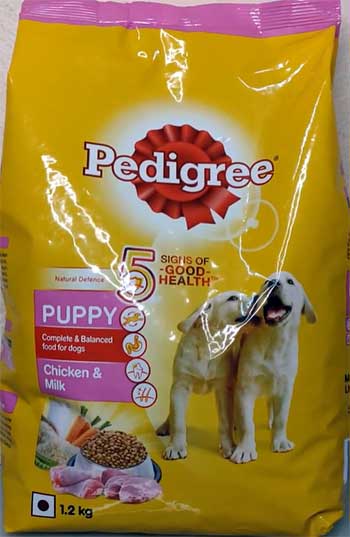
- Life Stage Specific Formulas: Tailored options for puppies, adults, and big dogs ensure age-appropriate nutrition.
- Complete Nutrition Claim: Packed with vitamins for strong bones, teeth, and immunity across the board.
- Large Bag Options: Economical for bigger dogs or multiple pets, lasting weeks per bag.
- Vegetable Inclusions: Carrots, peas, and beet pulp add fiber for digestive regularity.
- Omega Support in Some Recipes: Helps with coat shine, noticeable in my dogs after consistent use.
- Crunchy Kibble Design: Promotes chewing and dental benefits effectively.
- Global Brand Reliability: Consistent availability and manufacturing standards I trust for basics.
- Affordable Pricing: One of the lowest costs per serving, ideal for extended use.
- Flavor Profiles: Chicken, beef, and veggie combos that many dogs accept readily.
- Shelter Support Association: Part of their brand story adds a feel-good element for owners.
Pedigree’s straightforward approach works well for no-fuss feeding routines I’ve maintained.
Pros of Pedigree
- Exceptional Value: Stretches budgets far, especially for large breeds that eat more volume.
- Proven for Many Dogs: Generations of pets have thrived on it, with steady energy and weight management.
- Easy on the Wallet Long-Term: Bulk buys minimize frequent shopping trips.
- Balanced for Daily Use: Meets essential needs without complexity.
- Widely Available: Convenience of finding it anywhere reduces stress during shortages.
- Supports Basic Health Markers: Good for coat condition and digestion in non-sensitive dogs.
- Variety Across Lines: Puppy growth formulas to senior support cover full lifespans.
- Firm Stools Often Reported: Fiber sources help with clean-up and gut health.
- Dental Chewing Benefit: Hard kibble size encourages natural teeth cleaning.
- Simple Transition Success: Blends easily with other foods for gradual changes.
I appreciate how it delivers reliability when premium options aren’t feasible.
Cons of Pedigree
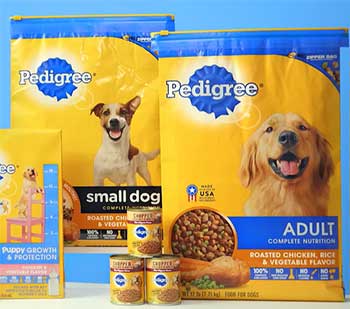
- Corn-Dominant Recipes: Top ingredient often provides empty calories rather than premium nutrition.
- By-Product Usage: Meat and bone meal sources raise digestibility questions for some experts.
- History of Recalls: Past issues make me cautious, though current batches seem stable.
- Artificial Colors and Flavors: Similar to competitors, potential irritants for allergy-prone dogs.
- Lower Digestibility for Some: Plant-heavy profile leads to larger stool volumes or inefficiencies.
- Limited Premium Add-Ins: Lacks joint support or high omega levels in standard bags.
- Picky Eater Rejection: Uniform texture might bore dogs used to variety.
- Vitamin D Concerns in Tests: Occasional overages noted in independent checks, worth monitoring.
- Not for Sensitive Skin: Common triggers like corn can exacerbate issues.
- Generic Feel: Lacks standout unique features compared to more innovative brands.
These drawbacks encourage pairing with quality toppers or vet check-ins.
Which One Should You Choose?
From my experiences rotating both, Kibbles and Bits edges out for engagement and texture appeal, especially with lively dogs. Pedigree wins for pure economy and life-stage specificity. Neither is “perfect,” but both serve as practical solutions.
I always recommend starting with small bags, watching stool quality, energy levels, and skin condition for a month. Consult your vet for personalized advice, particularly if your dog has health concerns.
In the end, the best food is one your dog eats consistently and stays healthy on.
- What I Learned Switching Between Them
During one particularly busy year, I alternated bags to keep costs down. Kibbles and Bits boosted my younger dog’s playfulness, while Pedigree kept my older one at a healthy weight without extras.
The key takeaway? Observe your individual dog closely rather than following trends blindly. Both brands prove that affordable doesn’t mean ineffective when matched right.
Tips for Feeding Success with Either Brand
Portion control using the bag guidelines prevents overfeeding. Add warm water for palatability and hydration.
Mix in fresh veggies or a bit of plain yogurt for variety. Regular weigh-ins track progress. Store in airtight containers to maintain freshness. Transition over 7-10 days to avoid tummy troubles. Pair with regular exercise and vet visits for holistic care. These practical steps made a difference in my household.
Also Read: Which Dog Food Is Better Than TLC Dog Food?
Frequently Asked Questions (FAQ)
It provides complete nutrition at a budget price and works well for many dogs, though experts often note room for improvement in ingredient quality compared to premium options.
The healthiest varies by dog, but fresh, whole-food based or vet-formulated options with high-quality proteins generally top lists for optimal nutrition.
Many mid-tier brands with fewer fillers or higher meat content, such as certain Iams or Purina lines, offer upgrades while staying accessible.
Look for limited-ingredient or hydrolyzed protein formulas with added omega fatty acids; prescription options like those from Hill’s or Royal Canin often help manage symptoms effectively.
Final Thoughts
In wrapping this up, I’ve shared my genuine experiences and analysis so you can approach feeding decisions confidently.
Whether you lean toward Kibbles and Bits for its fun textures or Pedigree for unbeatable value, pay attention to how your dog responds.
You know your pet best – trust those observations, adjust as needed, and enjoy the bond that comes with keeping them healthy and happy every day.