
As someone who has tried multiple foods for my energetic Labrador over the years, I decided to put IAMS and Blue Buffalo head to head.
My goal with this piece is to share a clear, balanced look at how these two popular options stack up so you can decide what works best for your own dog.
From ingredients and nutrition to price and real-world results, I break everything down based on my experience and careful analysis.
| Aspect | IAMS | Blue Buffalo |
| Price per pound | More affordable | Higher premium pricing |
| Protein Source | Real chicken or lamb as first ingredient | High-quality meats with no poultry by-product meal |
| Key Formulas | Proactive Health, Minichunks | Life Protection Formula, Wilderness |
| Grain Options | Includes grain-inclusive lines | Grain-free and grain-inclusive available |
| Vet Formulation | Strong science-backed nutrition | Focus on natural ingredients |
| Average Rating | Solid everyday performer | Often praised for coat and energy |
| Best For | Budget-conscious families, large breeds | Owners seeking natural recipes |
Key Differences Between IAMS And Blue Buffalo
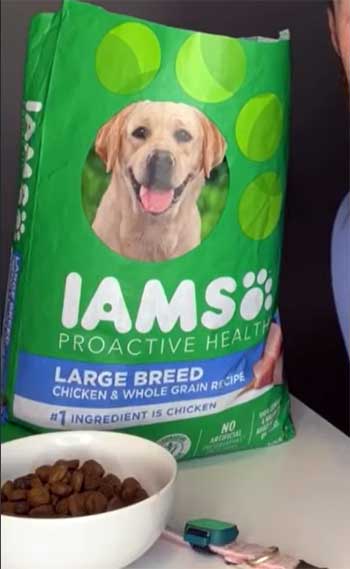
- Ingredient Philosophy: IAMS focuses on balanced, accessible nutrition using proven recipes that deliver consistent results across many dogs. Blue Buffalo emphasizes natural ingredients and avoids certain fillers, aiming for recipes that mirror what dogs might eat in a more ancestral style.
- Protein Quality and Variety: Both start with real meat, but Blue Buffalo tends to highlight deboned chicken or fish higher up and offers more exotic options like duck or bison in specialty lines. IAMS keeps things straightforward with chicken, lamb, or beef in core formulas that still meet complete nutritional standards.
- Price Point Reality: When I buy for a 70-pound dog, IAMS stretches my budget further without sacrificing basics. Blue Buffalo costs more per bag, which adds up over months but feels like an investment for some pet parents.
- Grain vs Grain-Free Approach: IAMS offers reliable grain-inclusive options that many dogs digest well. Blue Buffalo provides both styles, giving flexibility if your dog needs grain-free support.
- Target Life Stages: IAMS has very specific formulas for puppies, adults, seniors, and even breed sizes. Blue Buffalo also covers stages but shines in breed-agnostic natural formulas.
- Additive Differences: Blue Buffalo often includes more fruits and vegetables like blueberries and cranberries for antioxidants. IAMS relies on a tighter list of functional ingredients backed by feeding trials.
- Availability: You can find IAMS almost anywhere, from big-box stores to online. Blue Buffalo appears in more pet specialty retailers, which can affect convenience.
Key Features of IAMS
- Proactive Health Formulas: These stand out for me because they support joint health with glucosamine and chondroitin while keeping calories in check for weight management.
- Prebiotics and Fiber: IAMS includes beet pulp and other fibers that help maintain good stool quality, something I noticed improved within weeks of switching.
- Tailored Kibble Sizes: My large breed dog handles the bigger kibble pieces easily, which also slows eating and reduces bloating risk.
- Affordable Science: Developed with decades of research, these foods meet AAFCO standards through actual feeding trials, giving confidence in long-term feeding.
- Dental Benefits: Some formulas feature a special kibble texture that helps scrub teeth as dogs chew, reducing tartar buildup noticeably.
- Multiple Protein Options: Easy to rotate between chicken and lamb if my dog shows any sensitivity, without breaking the bank.
- Senior Support: The mature adult formulas have lower calories and joint support that kept my older rescue comfortable in his golden years.
Pros of IAMS
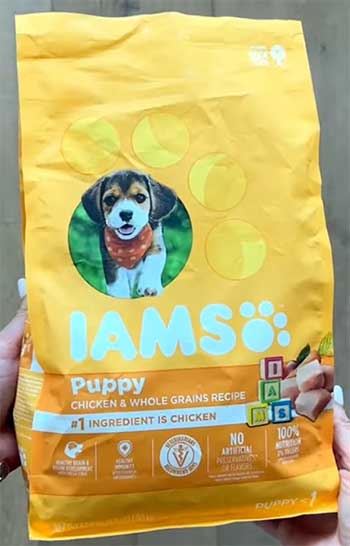
- Strong Value for Money: IAMS delivers reliable nutrition at a price that fits most family budgets, letting me buy larger bags without worry and still maintain quality feeding routines for my pack.
- Consistent Digestion Support: The prebiotic blends and fiber sources promote steady stool quality, which I observed led to fewer accidents and cleaner yard time after regular use.
- Proven Feeding Trial Backing: Formulas undergo real dog feeding tests, building trust that the food supports overall health markers like energy and weight balance over months.
- Joint and Mobility Help: Added glucosamine and chondroitin in many lines keep my active Labrador moving comfortably, especially noticeable during longer walks or play sessions.
- Dental Care Convenience: The textured kibble helps reduce plaque as my dogs chew, resulting in fresher breath and fewer vet dental cleanings needed.
- Wide Availability: Easy to grab from local stores or quick delivery means no scrambling when supplies run low, a big plus for busy schedules.
- Life Stage Customization: Specific puppy growth formulas, adult maintenance, and senior blends match changing needs perfectly as dogs age.
- Multiple Protein Rotations: Switching between chicken, lamb, or other options helps prevent boredom and manages minor sensitivities without extra cost.
- Weight Management Features: Lower calorie options with L-carnitine support lean body condition, ideal for dogs prone to packing on pounds from treats.
- Reliable Energy Levels: My dogs stay playful and focused throughout the day without sudden spikes or crashes, making daily routines smoother.
- Large Breed Suitability: Proper mineral balances aid healthy bone development in bigger dogs like my Lab, reducing growth-related concerns.
- Simple Transition Experiences: Most dogs adjust quickly with minimal tummy issues when moving from other foods.
Expanding further on everyday benefits, these features combine to create a dependable choice that performs steadily across seasons and life changes. I appreciate how the kibble holds up well in storage without much crumbling, keeping meals fresh longer.
Cons of IAMS
- Limited Exotic Proteins: Standard lines stick to common meats, so dogs needing novel options like venison or fish might require switching brands or supplements.
- Grain Content in Some Formulas: Corn, wheat, or rice inclusions can trigger issues for the small percentage of dogs with specific grain sensitivities.
- Moderate Protein Levels: Active working breeds may need larger servings compared to higher-protein alternatives to meet energy demands.
- Fewer Organic Options: Less emphasis on certified organic sourcing might not satisfy owners looking for that extra layer of ingredient transparency.
- Bag Reseal Quality: Some packaging does not hold freshness as well after opening, requiring extra clips or containers at home.
- Picky Eater Challenges: Not every flavor appeals equally, occasionally leading to selective eating in fussy dogs.
- Stool Volume: Certain recipes produce slightly more waste than ultra-dense premium foods, though still manageable.
- Slower Innovation Pace: New flavors or trends appear less frequently than in some boutique brands.
- Transition Time for Sensitive Dogs: Grain-inclusive shifts from grain-free diets sometimes need extra days of careful mixing.
- Less Marketing Appeal: Corporate feel lacks the storytelling that attracts some modern pet parents seeking premium narratives.
In practice, these points rarely derail feeding for most households but highlight areas where individual dogs might need alternatives or closer monitoring during changes.
Key Features of Blue Buffalo

- Life Protection Formula: This core line delivers a mix of high-quality proteins, whole grains or grain-free carbs, and a hefty dose of fruits and veggies for natural vitamins.
- No By-Product Meals: Many owners appreciate the clean label that skips poultry by-products, focusing instead on named meat sources.
- Antioxidant-Rich: Blueberries, cranberries, and sweet potatoes add flavor and potential immune support that shows in shinier coats.
- Wilderness Line: High-protein, grain-free options mimic a more carnivorous diet, perfect for active dogs who need extra muscle support.
- Breed Size Specifics: Smaller kibble for toy breeds and larger pieces for giants help with proper chewing and digestion.
- Natural Preservatives: Uses mixed tocopherols instead of artificial ones, appealing to those who prefer minimal processing.
- Variety for Picky Eaters: With flavors like salmon or turkey, it gives rotation options that keep mealtime exciting.
Pros of Blue Buffalo
- Visible Coat and Skin Improvements: Natural omegas and antioxidants often lead to shinier fur and reduced itching, which I saw clearly within a month of consistent feeding.
- High-Quality Meat Focus: Named proteins without by-products provide clean sourcing that many owners feel good about serving daily.
- Flavor Variety Excitement: Rotating salmon, turkey, or duck options keeps picky eaters engaged and prevents mealtime fatigue.
- Natural Superfood Additions: Fruits and vegetables like blueberries deliver antioxidants that support immune function and overall vitality.
- Grain-Free Flexibility: Options without grains help dogs with allergies or sensitivities maintain comfortable digestion and steady energy.
- Breed and Size Adaptations: Kibble shapes and sizes match small, medium, or large mouths for better chewing and reduced choking risks.
- LifeSource Bits Nutrient Boost: These special pieces add concentrated vitamins and minerals, enhancing the base formula effectively.
- Active Dog Fuel: Wilderness high-protein lines support muscle maintenance and endurance during hikes or intense play.
- No Artificial Preservatives: Reliance on natural tocopherols aligns with cleaner eating preferences for many families.
- Hydration Support in Wet Lines: Complementary canned foods increase moisture intake, beneficial for urinary health.
- Rescue and Community Ties: Brand efforts in animal welfare add a positive emotional layer to purchasing decisions.
- Satisfaction with Smaller Portions: Dense nutrition means dogs often feel full on less volume, aiding weight control.
These strengths make Blue Buffalo a go-to when I want to treat my dogs to something that shows noticeable differences in appearance and enthusiasm for meals.
Cons of Blue Buffalo
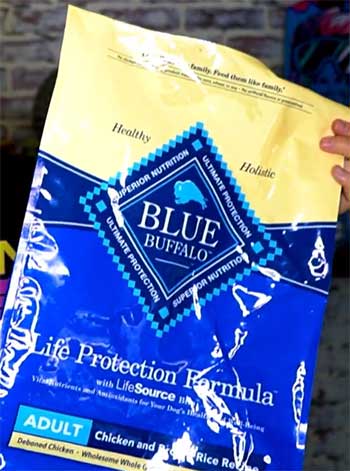
- Higher Cost per Bag: Premium pricing adds up quickly for large or multiple dogs, limiting how often I can include other supplements or fresh foods.
- Past Recall Concerns: Occasional history makes some cautious parents double-check lots and monitor news more closely.
- Legume Content in Grain-Free: Peas and lentils higher in some recipes raise questions for certain breeds prone to heart issues, requiring vet input.
- Oilier Kibble Texture: Bags can feel greasy, and paws sometimes show residue after eating.
- Availability Inconsistencies: Not stocked as widely, leading to occasional online-only orders or store hunts.
- Calorie Density Needs Monitoring: Richer formulas require precise measuring to avoid unintended weight gain.
- Adjustment Periods: Switching can cause temporary loose stools in sensitive dogs until full transition.
- Overwhelming Formula Choices: Many lines and varieties make initial selection confusing for new owners.
- Harder Kibble for Seniors: Some older dogs struggle with tougher pieces, preferring softer alternatives.
- Rapid Line Changes: Frequent updates mean labels evolve, so regular checks ensure the right match continues.
These drawbacks are manageable with planning but explain why not every household sticks exclusively with Blue Buffalo long-term.
- How I Choose Between Them for My Dogs?
When deciding, I consider my dog’s age, activity level, and any health notes from the vet. For cost-effective daily feeding with solid nutrition, IAMS wins in my household most months. When I notice dull coat or want to treat my dogs to something special, Blue Buffalo enters the rotation.
Mixing both during transitions works well. Regular vet check-ups and bloodwork help track if the chosen food delivers results. I always watch stool quality, energy, and skin as key indicators. Both brands offer trial sizes or smaller bags to test before committing.
- Experiences I Have Seen
Friends with German Shepherds praise IAMS for joint support during growth phases. Neighbors feeding Blue Buffalo report impressive muscle tone in active breeds.
One senior Beagle owner switched to IAMS senior formula and saw better mobility. A multi-dog household rotates Blue Buffalo Wilderness for the younger ones and IAMS for the older rescue.
These stories show both foods can succeed with proper matching to individual needs.
- Nutritional Breakdown Comparison
IAMS typically provides balanced macros with moderate protein around 25-30% in adult formulas. Blue Buffalo often hits higher protein levels, especially in Wilderness lines nearing 35%.
Fat content varies similarly, but Blue Buffalo includes more named fat sources like chicken fat or fish oil. Fiber levels stay comparable for digestive health.
Vitamin and mineral profiles meet or exceed standards in both, though delivery methods differ. Calorie density requires attention—Blue Buffalo sometimes packs more per cup.
- Transitioning Tips from One to the Other
Start with a 75/25 mix of old to new food for several days, then adjust gradually. Monitor for any changes in appetite or bathroom habits.
Keep fresh water available always. Consider probiotics during switches for sensitive stomachs. Track weight weekly to adjust portions. Both brands provide feeding calculators online that help customize amounts based on weight and activity.
Also Read: Do Vets Recommend Nutro Natural Choice Dog Food?
Frequently Asked Questions (FAQ)
Some vets express caution due to past formulation issues and higher legume content in grain-free lines, though many dogs do well on it with monitoring.
No, Blue Buffalo operates independently, while IAMS belongs to Mars Petcare.
Yes, many vets suggest IAMS for its proven track record, feeding trials, and affordability in balanced diets.
No single food claims the top spot universally; it depends on your dog’s specific health, age, and vet advice, with both IAMS and Blue Buffalo ranking well in many evaluations.
Final Thoughts
In conclusion, I have found both IAMS and Blue Buffalo deliver quality nutrition that keeps dogs thriving when chosen thoughtfully. You now have a detailed roadmap from my experiences to evaluate what suits your furry friend best.
Whether you lean toward reliable everyday value or natural ingredient focus, pay attention to your dog’s unique signals and consult your vet.
Your dog deserves food that matches their lifestyle, and both brands offer strong paths forward. Take what resonates from this comparison and make the switch confidently.