
I have spent years switching between premium dog foods for my energetic Labrador mix, always hunting for the right balance of nutrition, taste, and value that keeps him thriving.
In this article, I share my real experiences comparing Taste of the Wild and Acana to help you decide which might suit your furry friend better.
I cover key features, differences, pros, cons, and more from an analytical viewpoint based on what I observed in my dog’s health, energy levels, coat condition, and digestion.
| Aspect | Taste of the Wild | Acana |
| Protein Content | High (around 32-40% in many formulas) | Very high (often 60-90% animal ingredients) |
| Key Ingredients | Real meats like bison, salmon, venison; some legumes and ancient grains in newer lines | Fresh/raw meats, organs, cartilage; fruits, veggies; biologically appropriate focus |
| Price Range | More affordable, budget-friendly premium | Higher premium pricing |
| Grain Options | Mostly grain-free; some ancient grain options | Grain-free and some with grains |
| Recall History | Multiple past recalls and controversies | Cleaner in recent years, fewer issues |
| Best For | Active dogs on a budget, variety of proteins | Dogs needing high meat content, picky eaters |
| Digestibility | Good for many, but some sensitivities | Often excellent due to fresh ingredients |
Key Differences Between Taste of the Wild And Acana
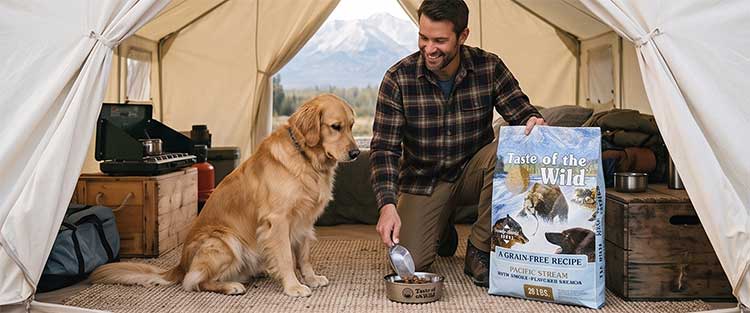
- Ingredient Philosophy and Sourcing: Taste of the Wild focuses on wild-inspired, novel proteins often from Diamond Pet Foods facilities, while Acana from Champion Petfoods pushes a biologically appropriate model with higher fresh meat inclusion and regional traceability. I found Acana’s approach led to slightly better acceptance in my dog’s system over extended periods.
- Protein and Meat Inclusion Levels: Acana typically packs more animal content percentage-wise, potentially offering denser nutrition, whereas Taste of the Wild balances with quality carbs and veggies for affordability. This meant Acana supported quicker visible improvements in some areas while Taste of the Wild provided sustainable everyday performance.
- Manufacturing and Parent Companies: Taste of the Wild comes from a larger producer with a history of volume output, leading to occasional consistency variations. Acana maintains tighter control in their kitchens, which gave me more confidence during long-term feeding.
- Grain-Free Focus and Alternatives: Both lean grain-free, but Taste of the Wild has expanded ancient grain options more prominently, useful if your dog needs that extra fiber without legumes. This gave me more experimentation room compared to Acana’s stricter profiles.
- Price and Value Proposition: Taste of the Wild wins on cost per pound, allowing me to feed generously without compromise. Acana costs more but delivers perceived luxury in results that sometimes justified the splurge for special periods.
- Flavor Variety and Palatability: Both excel, but Acana’s organ inclusion seemed to edge out in long-term appeal for my finicky phases, keeping him engaged longer than some Taste of the Wild varieties.
- Targeted Health Support: Taste of the Wild emphasizes probiotics heavily; Acana leans on natural joint and immune boosters from whole ingredients. Each complemented different needs at various times in my dog’s life.
- Availability and Packaging: Taste of the Wild is widely stocked and comes in practical bags. Acana sometimes feels more boutique but offers excellent resealable options that kept kibble fresher in my pantry.
These differences shaped my rotation strategy—using Taste of the Wild as a staple and Acana for boosts when I noticed specific areas needing extra support.
Also Read: Comparison of Orijen And Open Farm Dog Foods.
Key Features of Taste of the Wild

- Diverse Protein Sources Inspired by the Wild: Taste of the Wild offers formulas like High Prairie with bison and venison or Pacific Stream with salmon and trout. These provide novel proteins that helped my dog avoid common allergies from chicken or beef. Rotating through these kept his meals interesting and supported steady muscle development without the flare-ups I saw on more common proteins.
- Probiotics and Digestive Support: Many recipes include K9 Strain proprietary probiotics, which seemed to stabilize my dog’s gut after transitions. This feature stands out for maintaining healthy digestion without extra supplements, especially during stressful periods like travel or seasonal shifts when his system usually gets sensitive.
- Antioxidants from Fruits and Veggies: Berries, peas, and sweet potatoes add natural vitamins. I noticed his immune system felt robust during seasonal changes, with fewer minor infections and a brighter overall appearance that made walks more enjoyable for both of us.
- Affordable Premium Positioning: It delivers high protein without breaking the bank, making it accessible for larger breeds or multi-dog households like mine. This allowed me to maintain consistent feeding without cutting back on portion sizes or quality during tighter months.
- Variety for All Life Stages: Puppy, adult, and senior options with tailored calorie levels. My active adult dog loved the energy-sustaining kibble size and texture, which matched his playfulness and helped him stay at an ideal weight through different phases of life.
- Smoky and Roasted Flavors: The unique roasting process makes it highly palatable. Even picky days, he cleaned his bowl quickly, turning what used to be a battle into a smooth routine that saved time and reduced waste.
- Ancient Grains Option: Newer lines incorporate grains like sorghum or millet for those wanting some carb balance while keeping things nutrient-dense. This flexibility proved useful when I wanted to ease potential concerns around completely grain-free diets without sacrificing the high-protein benefits.
These features made Taste of the Wild a practical choice when I needed reliable nutrition on a reasonable budget. The real meat first approach delivers amino acids that support muscle maintenance, which I saw in my dog’s lean physique and boundless energy on daily adventures.
Also Read: Comparison of Orijen And Royal Canin Dog Foods.
Pros of Taste of the Wild

- Excellent Value for High-Quality Protein: I saved noticeably while maintaining strong muscle tone and energy in my dog. The protein levels support active lifestyles without supplements, letting me allocate savings toward other pet needs like toys or vet visits.
- Novel Proteins Reduce Allergy Risks: Switching to bison or salmon formulas cleared up my dog’s occasional itching faster than expected. This variety prevented the cycle of skin issues that had previously required frequent vet trips and medications.
- Probiotic Inclusion for Gut Health: This built-in feature minimized tummy troubles during food transitions, a big win for sensitive breeds. It reduced the usual diarrhea risks I experienced with other switches, making life smoother for everyone.
- Tasty and Engaging Meals: The roasted flavors kept my dog excited about dinner, reducing mealtime stress in a busy household. He would actually wag his tail vigorously at the sound of the bag, turning routine into something positive.
- Wide Availability: Easy to find at local stores or online, convenient for last-minute restocks. No more emergency runs or panic when supplies ran low during busy weeks.
- Options for All Ages and Sizes: Flexible formulas matched my dog’s growth stages perfectly. From puppy energy bursts to maintaining senior mobility, it adapted well without major recipe overhauls.
- Antioxidant-Rich Formulas: Supported shiny coat and healthy skin, visible after consistent feeding. Friends even commented on how much healthier he looked compared to previous years.
- Ancient Grain Flexibility: Newer recipes provide balanced carbs for dogs that thrive with some grains, adding versatility. This helped me address emerging concerns in the pet food world while keeping nutrition strong.
- Strong Odor Control: Kibble smells appealing without being overpowering, a practical plus in my home. The house stayed fresher, which mattered with indoor living and guests.
- Calorie-Dense for Active Dogs: Helped maintain ideal weight during high-play periods. My Labrador stayed trim and muscular without constant portion adjustments.
I genuinely appreciated how these strengths made daily feeding straightforward and effective, fitting seamlessly into our lifestyle.
Cons of Taste of the Wild
- Past Recall and Quality Concerns: History with manufacturing issues made me monitor batches closely, adding slight worry. I became more vigilant with lot numbers and expiration dates than I preferred.
- Legume-Heavy Grain-Free Recipes: Potential links to heart concerns in some dogs prompted me to watch for symptoms, though mine showed none. This required extra peace-of-mind vet checkups that added minor hassle.
- Occasional Stool Inconsistencies: A few formulas led to firmer or looser stools initially, requiring adjustment time. It took patience to find the best match within their lineup.
- Less Fresh Ingredient Emphasis: Compared to competitors, it felt a bit more processed in texture and appeal at times. My dog sometimes seemed less enthusiastic after several months on the same formula.
- Variability Across Batches: Different bags sometimes had minor differences in kibble size or smell, affecting consistency. This made me question uniformity despite overall good performance.
- Heavy Metal Scrutiny in Lawsuits: Raised questions about long-term safety that I researched thoroughly before continuing. It created a layer of caution that lingered in the back of my mind.
- Not as Meat-Dense: Lower overall animal percentage might not suit dogs needing ultra-high protein. For extremely active or working dogs, I sometimes felt the need to supplement.
- Palatability Fades for Some Pickies: A couple of my friends’ dogs lost interest over time. While it worked well for mine, results clearly vary by individual taste.
- Limited Joint Support Naturally: Relies more on added supplements rather than whole-prey elements. This meant considering extra joint chews for my aging dog.
- Parent Company Scale: Larger production volumes sometimes correlate with less individualized quality control in user reports. It made me appreciate smaller-batch alternatives occasionally.
Also Read: Comparison of Orijen And Acana Dog Foods.
Key Features of Acana
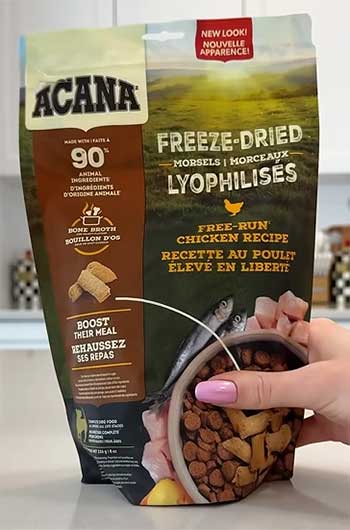
- Biologically Appropriate High Meat Content: Acana emphasizes 60-90% animal ingredients, including fresh or raw meats, organs, and cartilage. This whole-prey concept provided my dog with natural nutrients that felt more complete, resulting in sustained energy that lasted through longer hikes without midday crashes.
- Regional and Fresh Sourcing: Ingredients from nearby farms and waters, like wild-caught fish or free-run poultry. The freshness translated to better coat shine and fewer digestive upsets in my experience, with noticeably less gas and more formed stools that made yard cleanup far less unpleasant.
- Limited Ingredient and Singles Lines: Options like Lamb & Apple or Wild Atlantic focus on fewer proteins for sensitive dogs. This helped when I rotated flavors to prevent boredom, allowing me to pinpoint exactly what agreed with him during minor sensitivity episodes.
- Nutrient-Rich Organs and Cartilage: Naturally occurring glucosamine and chondroitin support joint health, noticeable in my older walks where he moved more comfortably and bounded up stairs with greater ease than before.
- No Artificial Additives: Clean recipes without corn, wheat, or soy fillers. I appreciated the transparency in mimicking natural canine diets, giving me confidence that every bite contributed positively to his long-term wellness.
- High Palatability with Variety: Multiple protein options like duck, pork, or fish keep meals exciting. My dog showed strong enthusiasm, sometimes begging for more, which turned feeding time into a highlight of his day rather than just a necessity.
- Balanced Fruits and Vegetables: Adds fiber and antioxidants without overpowering the meat focus, promoting steady energy throughout the day. This balance helped regulate his appetite and prevented the mid-afternoon lethargy I occasionally observed on other foods.
Acana felt like a step up in premium quality during my trials, especially for overall vitality and the visible glow in his coat after consistent weeks of use.
These drawbacks pushed me to rotate carefully and stay observant, ensuring I caught any issues early.
Also Read: Comparison of Taste of the Wild And Orijen Dog Foods.
Pros of Acana
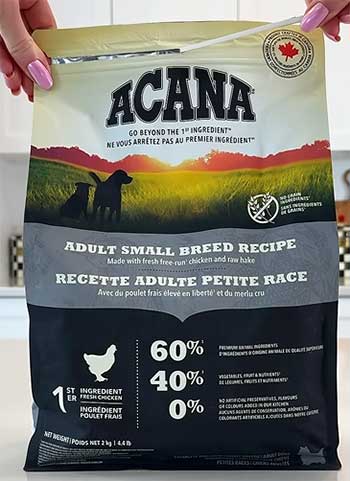
- Superior Meat and Organ Inclusion: The high animal content delivered noticeable vitality and muscle support I could see in playtime endurance. My dog recovered faster from exercise and showed better stamina overall.
- Fresh and Regional Ingredients: Resulted in exceptional coat luster and minimal odor in waste, making cleanup easier. The difference in shine and softness was something visitors noticed right away.
- Natural Joint and Immune Boosters: Cartilage and varied proteins kept my dog moving comfortably into his senior years. Stairs and jumps became less labored, extending his active years happily.
- High Palatability Across Recipes: Even during picky phases, he devoured meals with genuine excitement. This consistency reduced food waste and made mealtime reliable.
- Cleaner Recent Track Record: Fewer interruptions in trust compared to some peers, giving peace of mind. I felt more relaxed about long-term feeding commitments.
- Biologically Appropriate Design: Mimics natural eating patterns, aligning with my preference for species-appropriate nutrition. It just made sense intuitively for a carnivore like my Labrador mix.
- Versatile for Sensitivities: Singles formulas helped isolate and manage any ingredient reactions smoothly. This precision saved time and money on trial-and-error.
- Balanced Nutrition Without Fillers: Clean labels meant I felt confident about what went into my dog’s body. No guessing about hidden components or low-quality fillers.
- Strong Digestibility for Most: Stools were consistently good, reflecting efficient nutrient absorption. This translated to better overall health markers at annual checkups.
- Premium Texture and Aroma: Kibble quality encouraged thorough chewing, supporting dental health indirectly. The crunch seemed to help keep his teeth cleaner between professional cleanings.
Acana became my go-to for periods when I wanted top-tier results and visible improvements in condition.
Cons of Acana
- Higher Price Point: It stretched my budget, especially for bigger dogs or long-term use, forcing careful planning. I had to budget more intentionally each month.
- Grain-Free Legume Concerns: Similar to competitors, potential DCM associations required veterinary check-ins. Monitoring became part of my routine to stay proactive.
- Limited Availability in Some Areas: Harder to source quickly during shortages, causing planning hassles. I learned to stock up ahead of time.
- Rich Formulas May Upset Sensitive Stomachs: A couple transitions caused temporary gas or loose stools until adaptation. It required slower introductions than I anticipated.
- Fewer Budget Options: Lacks economical lines, making it less ideal for multi-pet homes on tight finances. This limited its use when costs rose.
- Heavy Metal Lawsuit History: Though dismissed in parts, it created lingering doubts I had to weigh. Transparency efforts helped, but awareness remained.
- Potentially Too Rich for Some Dogs: High fat/protein led to weight gain in less active pups if portions not monitored. I adjusted calories more frequently with this brand.
- Fewer Probiotic Additions: Relies more on ingredients than targeted supplements, which worked for mine but might not for all. Some dogs may need extras.
- Kibble Size Variations: Some recipes had larger pieces challenging for small breeds or seniors. This required occasional mixing or alternatives.
- Rotation Complexity: Many unique proteins require careful switching to avoid imbalances. Planning rotations took more thought than simpler lines.
These points highlighted the need for personalized matching to my dog’s needs and lifestyle.
Also Read: Is The Carna4 Dog Food Good For Dogs?
Frequently Asked Questions (FAQ)
Neither is universally better—it depends on your dog’s specific needs, tolerances, and your budget. Both offer strong high-protein nutrition, but Acana often edges in premium meat quality while Taste of the Wild excels in affordability and probiotic support. Test based on results with your pet.
Some vets express caution due to grain-free formulations and past associations with heart concerns in certain diets, plus higher cost. Others recommend it for quality ingredients when matched properly. Always discuss with your own veterinarian.
It centers on grain-free recipes potentially linked to dilated cardiomyopathy (DCM) in dogs, plus lawsuits over heavy metals and past recalls from its manufacturer. While many dogs thrive, these issues sparked broader industry scrutiny.
Past class actions alleged heavy metals like lead and arsenic in formulas, plus concerns over labeling and safety. Some cases were dismissed, noting naturally occurring traces, but they raised awareness about transparency in premium foods.
Wrapping Up
After months of observation and analysis, I see both brands as solid options that elevated my dog’s health in different ways. You should evaluate your companion’s unique profile—energy needs, sensitivities, and what fits your lifestyle—to pick the winner.
I encourage you to try small batches, track changes, and work with your vet for the best outcome. Your dog deserves nutrition that supports a happy, active life, and these choices can get you there when chosen thoughtfully.