
As a dog owner who’s cycled through kibble, raw trials, and everything in between for my own pup, I wanted a clear side-by-side look at Sundays and Farmer’s Dog.
Both deliver fresh-style nutrition that beats basic dry food, yet they solve the same problem in opposite ways.
This comparison gives you the practical details on ingredients, daily routines, costs, and results so you can pick the one that actually fits your dog’s needs and your schedule.
| Feature | Sundays | Farmer’s Dog |
| Food Format | Air-dried, scoop-and-serve jerky texture | Gently cooked, flash-frozen pre-portioned packs |
| Storage | Pantry stable, no fridge or freezer needed | Freezer storage + fridge thawing |
| Personalization | Custom plan with standard scoops | Highly tailored recipes and exact portions |
| Core Recipes | Beef, Chicken, Turkey | Beef, Chicken, Turkey, Pork + grain options |
| Daily Cost (approx.) | $2–$3 depending on size | $3.50–$5+ for many medium-large dogs |
| Protein Density | Very high meat content (often 80-90% range) | Solid but lower dry-matter protein in recipes |
| Travel Fit | Lightweight, no cold chain | Requires planning and cooler space |
| Best For | Busy homes, travelers, picky texture lovers | Dogs needing precise nutrition or fresh appeal |
| Vet Connection | Vet co-founder, AAFCO approved | Vet nutritionists + feeding trials, AAFCO |
Key Differences Between Sundays And Farmer’s Dog
- Processing Method and Nutrient Retention

Sundays gently air-dries ingredients at low temperatures after initial preparation.
This keeps more heat-sensitive vitamins and the natural texture closer to whole food while still eliminating bacteria.
Farmer’s Dog gently cooks the mix in small batches then flash-freezes it.
Both approaches aim to protect nutrients better than high-heat kibble extrusion, but the end result feels different in the bowl.
Air-drying gives Sundays that chewy, treat-like bite many picky dogs chase.
The cooked-then-frozen path from Farmer’s Dog delivers a softer, stew-like consistency that some dogs find more appetizing on first try.
If your dog has a sensitive stomach, the lower processing temperature in both cases can mean easier digestion than traditional dry food, though individual results vary.
- Storage and Daily Convenience
Sundays arrives in a resealable bag that lives in the pantry like a premium treat. You open it, scoop the portion, and serve.
No thawing, no extra fridge space, and it stays good for weeks once opened.
Farmer’s Dog ships flash-frozen packs you store in the freezer and move to the fridge to thaw a day or two ahead.
That extra step adds time and planning, especially on busy mornings or when you’re heading out of town.
For multi-dog homes or anyone who travels with their pet, the no-cold-chain design of Sundays removes a whole layer of hassle.
On the flip side, the pre-portioned frozen packs from Farmer’s Dog eliminate any measuring guesswork once thawed.
- Level of Personalization
Both start with a questionnaire about your dog’s age, weight, activity, and any sensitivities.
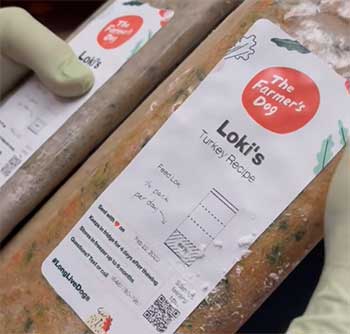
Farmer’s Dog takes it further by calculating exact daily calories and sending pre-portioned sleeves labeled for your specific dog.
You can often adjust recipes or add variety per delivery. Sundays builds a custom plan too but you measure from the bag yourself.
The difference shows up most with dogs who need tight weight control or have multiple health factors to balance.
If you like the idea of someone else doing the math and portioning, Farmer’s Dog feels more hands-off after setup.
- Recipe Variety and Protein Choices
Sundays sticks to three straightforward proteins: beef, chicken, and turkey. Each recipe leans heavily on that single protein plus organs and a short list of whole-food add-ins.
Farmer’s Dog offers beef, chicken, turkey, and pork, along with some grain-inclusive versions.
That extra protein option helps when a dog needs rotation or has developed a sensitivity to one common meat.
Limited choices in Sundays keep things simple and consistent, which appeals to owners who want minimal decision fatigue. The broader lineup from Farmer’s Dog gives more flexibility for long-term feeding without boredom setting in.
- Price Over Time and Value
Real subscription numbers show Sundays running noticeably lower month to month for similar-sized dogs—often in the $180–$200 range versus $190–$250+ for Farmer’s Dog depending on the plan and add-ons.
Over a year the gap adds up, especially for larger breeds.
Both cost more than standard kibble, yet both also deliver higher meat content and fewer fillers. Sundays tends to win on raw dollars while still giving human-grade ingredients and air-dried nutrient retention.
Farmer’s Dog justifies its premium through deeper personalization and the fresh-cooked format many dogs devour. You have to weigh whether the extra convenience and tailoring are worth the added monthly spend for your situation.
- How They Handle Picky Eaters and Transitions
The jerky-style texture of Sundays often wins over dogs that ignore wet or mushy food.
Many owners report their pups treat it like a high-value snack and finish bowls quickly.
Farmer’s Dog’s gently cooked recipes smell and taste closer to home-cooked meals, which can tempt even stubborn eaters once they try it.
Transitioning either one usually goes smoother than switching to a new kibble because both avoid heavy processing and artificial flavors.
If your dog has turned up their nose at multiple foods before, starting with a smaller trial from either brand lets you test preference without committing to a full month.
- Travel and On-the-Go Realities
Sundays shines here. A bag travels easily in a suitcase or car without ice packs or worry about thawing times. You can portion it into a smaller container for weekend trips.
Farmer’s Dog requires more logistics—keeping packs frozen until you need them and managing thaw schedules on the road.
For owners who frequently board their dog, visit family, or take road trips, the shelf-stable nature of Sundays removes a recurring headache.
If most of your dog’s life happens at home with a reliable routine, the storage demands of Farmer’s Dog matter less.
- Long-Term Health Tracking and Adjustments
Farmer’s Dog’s detailed personalization and named portions make it easier to track exact intake and tweak calories quickly if your dog gains or loses weight.
Their team can adjust recipes based on feedback. Sundays gives solid nutrition but relies on you to monitor portions and results more closely.
Both brands have owners reporting improvements in coat shine, stool quality, and energy within a few weeks.
The difference comes down to how much ongoing support and fine-tuning you want built into the service versus handling those details yourself.
Also Read: Differences Between Kirkland Dog Food And Blue Buffalo Dog Foods.
Key Features of Sundays Dog Food

- Human-Grade Ingredients with Minimal Processing Every recipe starts with USDA-grade meats as the dominant component, often 80 percent or higher before drying. You see real beef or chicken first, followed by organs like heart and liver for natural nutrient density. The short ingredient lists skip meat meals, by-products, corn, wheat, soy, and artificial additives. Superfoods such as blueberries, kale, pumpkin, and turmeric add antioxidants and digestive support without filler bulk. This clean approach appeals to owners who read labels closely and want to know exactly what their dog is eating.
- Air-Drying Technology for Nutrient Preservation Low-temperature air drying removes moisture while keeping more of the original vitamins and enzymes intact compared with high-heat methods. The result is a lightweight, shelf-stable product that still delivers high protein levels on a dry-matter basis. Many owners notice the difference in how their dogs process the food, with smaller, firmer stools and steady energy. The process also creates that signature chewy texture that doubles as a mental enrichment during mealtime.
- Vet-Founded Formulation and AAFCO Standards A practicing veterinarian helped shape the recipes from the start, focusing on complete and balanced nutrition for all life stages in the core recipes. The formulas meet AAFCO profiles without relying on synthetic premixes for most nutrients. That background gives confidence to owners who want professional input behind the ingredients rather than marketing claims alone.
- Simple Daily Routine with No Extra Gear Open the bag, measure the scoop, and serve. No thawing, no mixing, no extra dishes to wash beyond the food bowl. This simplicity matters on hectic weekdays or when multiple people in the household feed the dog. The resealable packaging keeps the food fresh for weeks, reducing waste and last-minute store runs.
- High Palatability for Selective Eaters The air-dried texture and concentrated meat aroma often convert dogs that walk away from other premium foods. Owners frequently share stories of formerly picky pups finishing meals consistently and even showing interest in mealtime again. That reliability reduces stress around feeding time for both dog and human.
- Travel-Ready and Multi-Dog Friendly A single bag works across trips without special storage. You can easily portion for multiple dogs or adjust scoops based on individual needs without dealing with separate frozen packs. This flexibility suits households with varying schedules or dogs of different sizes sharing the same food line.
Pros of Sundays Dog Food
- Convenience wins on busy days because you skip thawing and extra fridge space entirely.
- Lower monthly cost than most frozen fresh competitors while still delivering human-grade quality.
- High meat content and air-drying support steady energy and smaller stools for many dogs.
- Texture appeals to picky eaters who prefer something chewy over mushy food.
- Shelf stability makes weekend trips or boarding drop-offs simple—no cooler required.
- Short, transparent ingredient lists reduce worry about hidden fillers or additives.
- Vet co-founder background adds credibility without overcomplicating the formula.
- Easy transition for dogs moving from kibble because the flavor is concentrated yet gentle.
Cons of Sundays Dog Food
- Only three protein options can feel limiting if your dog needs rotation or has developed a sensitivity.
- Calorie density means precise measuring matters more to avoid weight gain.
- Still costs significantly more than standard kibble, so budget planning is essential.
- Softer pieces after opening may not suit every dog’s preference long term.
- Less hands-on customization compared with fully pre-portioned services.
Also Read: Differences Between Kirkland Dog Food And Purina Pro Plan Dog Foods.
Key Features of Farmer’s Dog
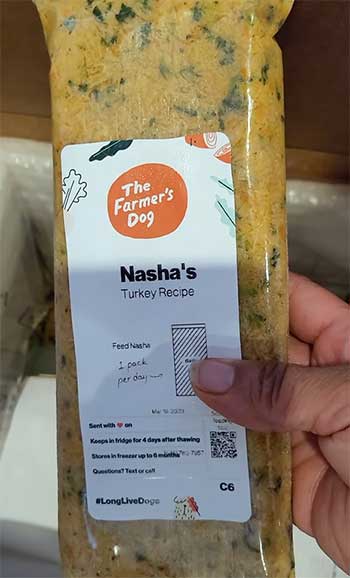
- Highly Personalized Pre-Portioned Meals You fill out a detailed profile and receive meals calculated for your dog’s exact caloric needs. Each delivery includes individually portioned packs, sometimes labeled with your dog’s name. This removes guesswork and helps maintain steady weight, especially useful for dogs with specific activity levels or metabolic considerations.
- Gently Cooked Fresh Recipes in USDA Kitchens Meals are prepared in facilities that meet human-food standards, using real meat, vegetables, and limited add-ins. Gentle cooking kills pathogens while aiming to retain flavor and nutrients, then flash-freezing locks everything in. The result tastes and smells closer to home cooking, which drives appetite in many dogs.
- Board-Certified Nutritionist Oversight and Feeding Trials Recipes are developed with veterinary nutrition experts and tested through feeding trials to confirm they support health across life stages. This level of professional involvement stands out for owners who want evidence-backed formulation rather than just ingredient marketing.
- Recipe Rotation and Grain-Inclusive Options With beef, chicken, turkey, pork, and some grain versions available, you can rotate proteins or choose formulas that include oats or rice when desired. This variety helps prevent boredom and accommodates dogs that do better with some grains in the mix.
- Visible Health Benefits Reported by Many Users Owners commonly note shinier coats, better stool consistency, and higher energy after switching. The fresh format and high moisture content can support hydration and digestion in ways dry food often does not. These changes show up in regular vet check-ins for many dogs.
- Recyclable Packaging and Subscription Flexibility Meals come in eco-friendly materials you can recycle or compost in many areas. The subscription lets you pause, skip, or adjust deliveries, which helps when plans change or your dog needs a temporary shift in calories.
Pros of Farmer’s Dog
- Deep personalization and pre-portioned packs take the math out of feeding.
- Fresh cooked taste often revives appetite in selective or senior dogs.
- Veterinary nutritionist involvement and feeding trial data provide extra reassurance.
- Broader protein choices and grain options support long-term variety.
- Many owners see quick improvements in coat, digestion, and overall vitality.
- Subscription tools make adjustments straightforward when needs change.
- Eco-conscious packaging aligns with values for environmentally aware households.
Cons of Farmer’s Dog
- Freezer and fridge space requirements add up in smaller kitchens or apartments.
- Thawing adds daily steps and planning, especially on rushed mornings.
- Higher price point stretches budgets more than air-dried alternatives.
- Travel becomes more complicated without reliable cold storage options.
- A 2026 class action lawsuit alleges certain recipes contain higher fat levels than ideal and questions marketing around health balance. The company maintains its formulas meet AAFCO standards, include proper nutrient ranges, and show no elevated health issues in their feeding data. Still, the case has prompted some owners to discuss fat content with their vet, particularly for dogs with pancreatitis history or weight concerns.
- Less ideal for households that want zero prep or frequent last-minute changes.
Also Read: Differences Between Orijen And Fromm Dog Foods.
Frequently Asked Questions (FAQ)
No single product earns that title for every dog. Both Sundays and Farmer’s Dog qualify as premium fresh options with high-quality ingredients and solid nutritional standards. The best choice depends on your dog’s age, health profile, activity, and what you can maintain consistently.
Many veterinarians see it as a positive fresh-food option that can support digestion, coat quality, and energy. Recipes involve veterinary nutritionist input and follow AAFCO guidelines. Individual vets may have preferences, so discussing your dog’s specific needs with yours is the practical next step.
A class action filed in 2026 claims some recipes have higher fat content than recommended and questions how the food is marketed for health. The company states its formulas meet required standards, have undergone extensive testing, and show no unusual health patterns in the dogs they feed. The matter is ongoing.
Yes. A veterinarian co-founded the company and helped develop the recipes. The core formulas meet AAFCO standards for complete and balanced nutrition across life stages, giving owners professional formulation backing.
Wrapping Up
After comparing every angle, the choice comes down to what you value most in daily life with your dog. If effortless storage, lower cost, and quick serving matter above all, Sundays gives you strong nutrition without the extra logistics.
If you want maximum tailoring, fresh-cooked appeal, and are willing to handle the cold chain, Farmer’s Dog delivers a more customized experience. Both represent real upgrades from conventional kibble in ingredient quality and processing care.
Start with whichever trial or smaller order fits your priorities, watch how your dog responds over a few weeks, and adjust from there. You know your pup’s quirks and your own routine better than any chart can capture.