
I have spent years figuring out what keeps my dogs happy, healthy, and full of energy.
After trying different options and watching how my pups respond day after day, I decided to compare Kirkland dog food and Blue Buffalo side by side.
My goal here is to share practical insights from real feeding experiences so you can choose what works best for your dog without the hype.
Both brands bring solid nutrition to the table, but they shine in different ways depending on your budget, your dog’s needs, and what you value most.
| Aspect | Kirkland Dog Food | Blue Buffalo |
| Price per lb | Very affordable (bulk Costco value) | Premium pricing |
| First Ingredient | Real chicken, lamb, or salmon | Deboned chicken, turkey, or other meats |
| Protein Content | 24-26% typical | 20-34% depending on formula |
| Key Extras | Probiotics, glucosamine, veggies | LifeSource Bits, fruits, antioxidants |
| Grain Options | Includes grains in many formulas | Grain-free and grain-inclusive lines |
| Best For | Budget-conscious owners, large breeds | Dogs needing specialized support |
| Availability | Costco stores & online | Wide retail and online |
This table gives you the big picture at a glance. Now, let’s break everything down in detail so you can see how these two stack up in everyday life with your furry friend.
Key Differences Between Kirkland And Blue Buffalo

- Manufacturing and Accessibility: Kirkland comes from Costco’s private label, produced in facilities that also handle other respected brands. You grab huge bags during your regular warehouse run, which makes it incredibly convenient if you already shop there. Blue Buffalo stands as an independent premium brand sold in pet stores, big-box retailers, and online. This wider availability means you do not need a membership, but you often pay more per pound.
- Ingredient Philosophy: Kirkland focuses on straightforward, no-frills recipes with real meat as the top ingredient and avoids common fillers like corn, wheat, and soy in many formulas. They emphasize value without sacrificing basics. Blue Buffalo markets a “natural” approach with deboned meats first and includes their signature LifeSource Bits—small, nutrient-packed kibble pieces designed to deliver extra vitamins and antioxidants. I notice Blue Buffalo lists more whole fruits and veggies prominently.
- Formulation Variety: Kirkland offers solid core formulas for adults, puppies, seniors, and specific needs like lamb and rice or salmon. Blue Buffalo provides broader lines, including limited-ingredient diets, breed-specific options, and veterinary-support formulas. If your dog has picky eating habits or unique health requirements, Blue Buffalo gives you more targeted choices.
- Cost and Value: Kirkland wins hands-down on price. You get more food for less money, which adds up fast with big dogs. Blue Buffalo costs more, but many owners feel the premium ingredients and extras justify it for long-term health benefits.
- Digestibility and Palatability: In my experience and from what other owners report, both foods digest well for most dogs. Kirkland often produces firmer stools thanks to its balanced fiber. Blue Buffalo’s varied textures and flavors can appeal more to selective eaters.
- Nutrient Focus: Kirkland includes probiotics for gut health and joint support in many recipes. Blue Buffalo highlights immune support through its LifeSource Bits and higher antioxidant levels from berries and veggies.
These differences shape how each brand fits into your routine. I have rotated between them at times and seen positive results from both when matched to my dogs’ current needs.
Key Features of Kirkland Dog Food
- Real Meat First: Most formulas start with chicken, salmon, or lamb, providing high-quality animal protein that supports muscle maintenance and energy levels. My active Labrador thrives on the protein punch without needing massive portions, which helps him stay lean and strong during long hikes and play sessions.
- Probiotics and Digestive Support: Added probiotics help maintain a healthy gut microbiome. This feature makes a noticeable difference during diet transitions or stressful periods like travel, keeping loose stools at bay and supporting consistent bathroom habits.
- Joint Health Additives: Glucosamine and chondroitin appear in several recipes, which I appreciate for my senior dogs showing early signs of stiffness. They move more comfortably after consistent feeding, making morning stretches and evening walks easier and more enjoyable.
- Bulk Sizing: Huge bags mean fewer trips to the store and fresher food over time if stored properly. Perfect for multi-dog households where food disappears fast and you want to minimize hassle.
- Grain-Inclusive Options: Formulas with brown rice and barley offer sustained energy and fiber, which many dogs handle beautifully without digestive upset, providing steady fuel for active days.
- Vegetable and Fruit Inclusion: Carrots, peas, and apples add natural vitamins and fiber. Not overloaded, but enough to round out the nutrition profile and contribute to overall wellness without unnecessary extras.
- AAFCO Compliance: All recipes meet established nutritional standards, giving confidence that your dog gets balanced meals day after day.
- Affordable Premium Positioning: You get quality ingredients at a fraction of boutique prices, making it realistic to feed high standards even on a normal budget while still seeing great results.
I appreciate how Kirkland delivers dependable performance without overcomplicating things. My dogs eat it eagerly and maintain shiny coats and steady energy.
Pros of Kirkland

- Outstanding Value: You save significantly while still providing quality nutrition that supports daily needs without compromise. This lets me allocate more toward vet care, training classes, or extra toys, knowing the food budget stays manageable even as my pack grows or unexpected expenses pop up.
- Reliable Performance: Most dogs show good energy, healthy weight maintenance, and solid digestion on a consistent basis. Many owners, including me, report fewer vet visits for minor tummy issues after making the switch, which brings real peace of mind during busy seasons.
- Convenience: Costco runs mean easy stocking up during regular shopping trips. The large bags stay fresh longer when stored in airtight containers, reducing last-minute store dashes and keeping your pantry organized.
- Balanced Nutrition: Solid protein-to-fat ratios support active lifestyles and growing puppies effectively. Joint additives help older pups stay mobile and comfortable during daily walks and playtime.
- Positive Owner Feedback: Countless dog parents praise the results like shiny coats, firm stools, and overall satisfaction that comes from a practical choice that actually delivers noticeable improvements.
- Probiotic Inclusion: Supports long-term gut health, especially useful in busy households where dogs share spaces, water bowls, or frequent park visits with others.
- Variety Within Affordability: Chicken, lamb, salmon, and more options prevent food boredom without the premium markups that strain monthly expenses over time.
Cons of Kirkland
- Limited Specialized Formulas: Fewer options exist for very picky eaters or dogs with complex medical needs compared to more extensive premium lines, which can require creative mixing sometimes.
- Availability Tied to Membership: You need Costco access, which may not suit everyone depending on location or shopping habits, limiting spontaneous purchases.
- Occasional Sensitivity Reports: A small percentage of dogs may experience loose stools or mild allergies, though these usually resolve quickly by trying a different protein source within the line.
- Simpler Recipes: While effective for everyday feeding, the formulas lack some of the extensive superfood blends found in higher-priced alternatives, which some owners seek for extra benefits.
- Manufacturing Notes: Produced in shared facilities, so owners of dogs with severe allergies should stay aware of potential cross-contamination risks and monitor closely.
Overall, the pros heavily outweigh the cons for most everyday dog owners like me who want quality without breaking the bank.
Key Features of Blue Buffalo

- Deboned Meat as Primary Ingredient: Starting with fresh, deboned chicken or other meats delivers excellent amino acids right from the start. This appeals to owners who want the closest thing to whole-food nutrition and supports better muscle development and recovery.
- LifeSource Bits: These unique pieces mix antioxidants, vitamins, and minerals into every bite. I have seen improved vitality in my dogs during seasons when allergies flare up, helping them stay active and less itchy.
- Extensive Formula Range: From grain-free to limited-ingredient to weight-management options, you find a precise match for almost any need. Great when one dog in the house requires something different from the others.
- Fruit and Veggie Blend: Blueberries, cranberries, carrots, and sweet potatoes provide natural antioxidants and fiber. The variety supports overall wellness beyond basic kibble and adds appealing flavors.
- No Artificial Additives: Free from artificial colors, flavors, and preservatives, aligning with a cleaner eating approach that many health-conscious owners prefer.
- Palatability Boosters: Natural flavors and textures encourage even picky eaters. I mix it with a bit of wet food on tough days, and my dogs clean their bowls enthusiastically every time.
- Specialized Support Lines: Options for sensitive stomachs, skin health, or senior mobility give targeted nutrition without needing extra supplements in many cases.
Blue Buffalo feels like a step up in customization.
When I fed it exclusively, I noticed excellent coat quality and fewer minor digestive hiccups in sensitive dogs.
Pros of Blue Buffalo
- Premium Ingredient Quality: Deboned meats and whole foods create a nutrient-dense profile that many dogs love and absorb efficiently for better overall condition and sustained vitality.
- Immune and Antioxidant Support: LifeSource Bits combined with fruit blends help dogs stay resilient, especially during seasonal changes, cold months, or recovery periods after minor illnesses or stress.
- Wide Selection: Something for every life stage, breed size, and specific health concern makes it straightforward to tailor feeding plans precisely to individual dogs in multi-pet homes.
- Strong Palatability: Even finicky eaters often devour meals enthusiastically, which reduces daily mealtime battles and stress for both you and your pup.
- Natural Focus: The clean label with no artificial additives appeals strongly to owners who carefully review every ingredient on the package before purchasing.
- Positive Health Outcomes: Many reports highlight noticeable improvements in skin condition, coat shine, and sustained energy levels after consistent daily use over several months.
- Veterinary Diet Options: Some formulas provide targeted support for specific conditions, always best used under professional veterinary guidance for optimal results.
Cons of Blue Buffalo
- Higher Cost: The premium pricing can put noticeable strain on household budgets, particularly when feeding large breeds or multiple dogs over the long term without adjustments.
- Recall History: Past incidents cause some owners to remain cautious, even though the company has taken steps to strengthen quality controls in recent years.
- Mixed Vet Opinions: Certain professionals raise reservations about specific formulations or broader marketing approaches, leading to varied recommendations across clinics.
- Potential for Loose Stools in Transition: Moving to Blue Buffalo sometimes requires an especially slow switch for sensitive digestive systems to avoid temporary issues during the changeover.
- Ingredient Density: Higher carbohydrate content in select recipes may not align perfectly with every dog’s metabolic needs or activity level, requiring portion monitoring.
Blue Buffalo delivers when you invest in the premium experience, but it is not the most budget-friendly choice for every situation.
My Experience Switching and Comparing Day-to-Day
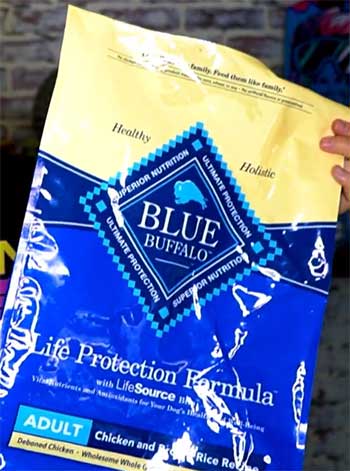
I started with Blue Buffalo because I wanted the best for my first dog.
The shiny coat and playful energy impressed me, but the cost added up quickly as the pack grew.
Switching to Kirkland cut my monthly food bill almost in half.
Both dogs transitioned smoothly with a 7-10 day mix-in period.
I noticed similar stool quality and activity levels, with Kirkland sometimes producing slightly firmer results.
During allergy season, Blue Buffalo’s targeted formulas helped more noticeably.
For everyday maintenance and large-breed growth, Kirkland held its own perfectly. I rotate proteins between brands now to keep things interesting and cover nutritional bases.
Watch your dog’s individual response closely.
Energy, coat shine, stool consistency, and weight tell the real story.
Neither brand is perfect for every dog, but both beat many supermarket options by a wide margin.
- Factors To Consider When Choosing Between Them
Think about your dog’s age, activity level, and any sensitivities. Budget plays a huge role—Kirkland stretches further without major quality drops. If your pup needs limited ingredients or specific health support, Blue Buffalo offers more flexibility.
Consider your lifestyle too. Costco shoppers love the convenience of Kirkland. Others prefer Blue Buffalo’s broader retail presence. Always consult your vet for personalized advice, especially with health conditions.
- Transitioning Tips for Best Results
Switch gradually over 7-14 days to avoid tummy upset. Start with 25% new food mixed in, then increase slowly. Monitor for changes in appetite, energy, or digestion. Keep fresh water available and maintain consistent feeding times.
I add a spoonful of pumpkin or bone broth during transitions to ease the process. Both brands mix well with wet food toppers for extra hydration and appeal.
Also Read: How Purina Pro Plan Shredded And Regular Blend Dog Food Are Different?
Frequently Asked Questions (FAQ)
Many experts point to options like those from Open Farm, Orijen, or Acana for premium whole-food nutrition, but individual needs vary—consult your vet.
Many vets view it as a solid, affordable choice that meets nutritional standards, though preferences differ based on specific dog health profiles.
Some express concerns over past recalls, ingredient quality in certain lines, or marketing versus actual formulation—opinions vary widely.
Yes, Kirkland Signature often receives strong ratings for balanced nutrition and value, making it a practical high-quality option for many households.
Wrapping Up
After feeding both brands across different dogs and life stages, I can confidently say you cannot go wrong with either when you match them to your pup’s needs.
Kirkland gives you excellent value and reliable results that keep my wallet and dogs happy. Blue Buffalo offers that extra layer of customization and premium touches that shine in specific situations.
You know your dog best. Pay attention to how they look, act, and feel after a few weeks on a new food. Whether you choose the budget-friendly Kirkland route or the feature-rich Blue Buffalo experience, focus on consistent quality feeding, regular exercise, and plenty of belly rubs.
Your dog will thank you with years of wagging tails and unconditional love. What has been your experience? I would love to hear how these options worked for your pack.