
I spent months weighing options for natural light in my home after realizing standard windows left several rooms feeling dim and closed in.
Solar tubes and skylights both deliver daylight from the roof, yet they differ sharply in size, cost, installation, and daily performance.
This article lays out the practical differences, key features, advantages, and drawbacks I discovered so you can match the right system to your space, budget, and expectations.
| Aspect | Solar Tubes | Skylights |
| Typical size | 10–14 inch diameter tubes | 2×2 ft to 4×6 ft or larger openings |
| Installation complexity | Moderate, less structural change | Higher, often requires framing and flashing work |
| Average installed cost | $500–$1,500 per unit | $1,500–$4,000+ per unit |
| Light quality | Soft, diffused daylight | Direct, brighter beams with potential glare |
| Heat and UV control | Good with reflective tubing and optional filters | Variable; better with low-E glass or shades |
| Leak risk | Generally lower due to sealed tube design | Higher if flashing or seals fail over time |
| Roof penetration | Small circular hole | Large rectangular or square opening |
| Best for | Hallways, closets, bathrooms, interior rooms | Living rooms, kitchens, open-plan areas |
| Maintenance | Minimal cleaning of dome and diffuser | More frequent glass cleaning and seal checks |
| Energy impact | Modest heat gain, some models reduce cooling load | Can add solar heat gain or loss depending on glass |
Key Differences Between Solar Tubes and Skylights

- Physical footprint and roof impact Solar tubes use a narrow reflective tube that runs from a small roof dome down to a ceiling diffuser. The roof opening is usually just ten to fourteen inches across, so the structural change stays limited. Skylights cut a much larger hole—often two by four feet or bigger—and require framing, curb construction, and extensive flashing. I noticed the difference immediately when comparing quotes: one contractor treated a solar tube almost like installing a recessed light, while a skylight job looked closer to adding a new window.
- How light travels into the room Inside a solar tube the highly reflective interior surface bounces daylight downward with minimal loss. The result is a soft, even glow that spreads across the ceiling. Skylights let light pour straight through glass, creating brighter pools and stronger shadows. On sunny days the skylight felt more dramatic; on cloudy days the tube still delivered usable ambient light while the skylight dimmed noticeably.
- Visual presence from inside and outside From the room a solar tube appears as a modest circular fixture, similar to a large recessed light. Outside, only a low-profile dome sits on the roof. A skylight becomes a full architectural feature—visible glass that can dominate a ceiling plane and change the exterior roof line. I preferred the discreet look of tubes in smaller rooms and the open feel of a skylight in larger living areas.
- Flexibility of placement Because the tube can bend slightly and travel through attics or between joists, I could place the ceiling diffuser almost anywhere beneath the roof. Skylights demand a clear path from roof to ceiling and usually sit directly under the opening. That limitation ruled out several interior hallways and closets for me when I considered only traditional skylights.
- Weather sealing and long-term durability The sealed tube system and smaller penetration reduce the number of joints that can fail. Skylights rely on perimeter flashing and sealants that expand and contract with temperature swings. Over years those seals need inspection. My research and conversations with roofers confirmed that poorly installed skylights rank among the more common leak sources, while properly fitted solar tubes rarely appear on service calls for water intrusion.
Key Features of Solar Tubes

- Compact roof dome The exterior collector is a clear acrylic or polycarbonate dome, often with an optional UV filter. It sits low on the roof, resists hail better than large glass panes, and sheds water easily. I appreciated how little it altered the roofline compared with a full skylight curb.
- Highly reflective tubing Aluminum tubing with a specular reflective coating carries light from roof to ceiling. Some systems use flexible tubing for easier routing around obstacles; rigid tubing delivers slightly higher light output. The difference in brightness between the two styles became clear when I stood under test installations.
- Ceiling diffuser options Diffusers range from simple frosted domes to prismatic lenses that spread light wider. Some include adjustable baffles or integrated LED backup for nighttime use. The ability to choose the look of the fixture helped me match the tube to existing ceiling finishes.
- Optional accessories Light-dimming kits, insect screens, and extension tubes let you fine-tune performance. One model I examined even offered a solar-powered night-light feature that charged during the day. These add-ons keep the system useful after sunset without drawing household electricity.
- Energy-conscious design Because the tube itself adds little thermal mass and many models include insulation collars, heat transfer stays modest. On summer afternoons the rooms with tubes stayed cooler than those under clear glass skylights I had previously lived with.
Pros of Solar Tubes
- Lower installed cost keeps projects affordable Most solar tube installations fall between five hundred and fifteen hundred dollars complete. That price range let me light three interior spaces for roughly the cost of one mid-sized skylight. Budget-conscious homeowners gain natural light without a major capital outlay.
- Quicker and less invasive installation A typical tube job finishes in two to four hours. Roofers cut a small circle, flash the dome, run the tube, and fit the diffuser. Drywall repair stays minimal. I watched one installation on a weekend morning and had the room usable by lunch.
- Reduced risk of water intrusion The narrow sealed pathway and factory-gasketed components limit leak points. Industry data and installer feedback both point to fewer callbacks for moisture compared with large glazed openings. Peace of mind mattered to me after hearing leak stories from neighbors with older skylights.
- Soft, even illumination without harsh glare The reflective tube and diffuser create a gentle wash of light ideal for hallways, bathrooms, and closets where direct beams would feel harsh. Eyestrain dropped noticeably in the test rooms I occupied.
- Minimal impact on roof integrity and curb appeal Only a small dome appears outside. Homeowners associations and historic districts often accept tubes more readily than large skylights. Resale value stays protected because the roof looks largely unchanged.
- Effective in rooms without direct roof access above Flexible tubing snakes around ducts and framing. I placed a diffuser in a central hallway that had no clear vertical path for a skylight, solving a long-standing dark-spot problem.
- Lower contribution to summer heat gain Limited surface area and optional reflective coatings keep extra heat modest. Air-conditioning loads rose less than they did under my previous clear-glass skylight.
- Easy long-term upkeep Occasional dome cleaning from the roof and diffuser wiping from inside are usually enough. No large glass surfaces collect pollen or require annual exterior washing.
Cons of Solar Tubes
- Limited total light volume in large spaces A single tube cannot flood an open-plan living room the way a four-by-six-foot skylight can. Multiple tubes help, yet the cumulative effect still falls short of one large glazed opening on bright days.
- Less architectural drama The circular ceiling fixture looks functional rather than inspiring. People seeking a dramatic shaft of sunlight or a view of clouds and stars will find tubes underwhelming.
- No natural ventilation option Sealed by design, tubes cannot open for fresh air. Rooms that need both light and airflow still require a separate window or operable skylight.
- Potential for light loss over long tube runs Every bend and every extra foot of tubing reduces output. Installations that stretch more than ten or twelve feet deliver noticeably dimmer results. I measured a clear drop when the tube path had to detour around an HVAC trunk.
- Diffuser appearance may not suit every interior style Some homeowners dislike the plastic look of basic diffusers. Higher-end glass or decorative options raise the price and still occupy ceiling real estate that some prefer left plain.
- Dependence on clear roof access for the dome Heavy tree cover, solar panels, or complex roof geometry can block ideal placement. Shading on the dome cuts performance sharply, something I confirmed on a partly shaded test roof.
Key Features of Skylights
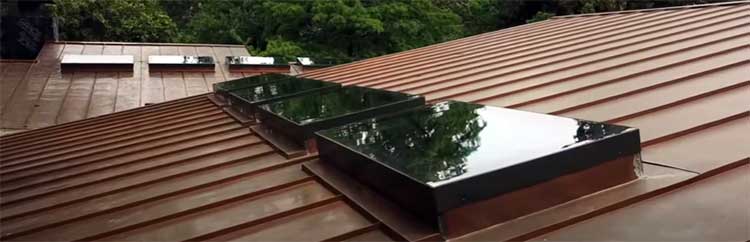
- Large glazed opening Fixed, venting, or tubular skylights (the larger cousins of solar tubes) create a true window to the sky. Tempered or laminated glass, often with low-E coatings, forms the barrier. The sheer size delivers a volume of light that smaller tubes cannot match in a single unit.
- Operable versions for ventilation Many skylights open with a hand crank, electric motor, or rain sensor. Fresh air circulation becomes possible, something a sealed solar tube never provides. In my kitchen mock-up the ability to vent cooking heat felt like a genuine bonus.
- Custom shapes and sizes Rectangular, square, circular, and even custom geometric shapes are available. Framing can follow the roof pitch or sit on a raised curb. That flexibility let me imagine dramatic light wells that simply were not possible with standard tube diameters.
- Integrated shading systems Manual blinds, motorized shades, and electrochromic glass that tints on demand give control over glare and heat. I tested a sample of tintable glass and watched it darken within minutes under strong sun—something no basic solar tube can replicate without aftermarket filters.
- Structural and aesthetic integration When installed with care, a skylight becomes part of the architecture rather than an afterthought. Exposed beams, light shafts, and interior trim can turn the opening into a design focal point. The visual weight is greater, yet so is the sense of openness.
Also Read: Comparison of Velux And Andersen Skylights.
Pros of Skylights
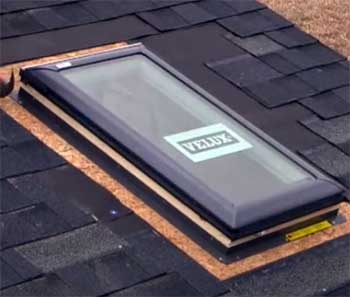
- Abundant, direct daylight that transforms rooms The large glass area delivers intensity and sparkle that tubes cannot equal. Living rooms and kitchens feel larger and more connected to the outdoors. On clear mornings the quality of light lifted my mood in ways a tube never quite matched.
- Opportunity for ventilation and temperature control Operable models exhaust hot air and introduce breezes. In shoulder seasons I could cool a room without running the air conditioner simply by cracking the skylight.
- Strong design statement and increased perceived space A well-placed skylight becomes a focal point. Vertical light shafts or exposed framing add architectural interest that many buyers notice during home showings.
- Wide range of performance glass options Low-E coatings, argon fills, and dynamic tinting manage heat and UV far better than early skylight generations. Modern units can approach the thermal performance of a good vertical window.
- Custom sizing and shapes for unique applications From narrow light slots to expansive glass ceilings, the product range covers almost any design vision. That freedom let me plan a dramatic stairwell opening that no tube system could replicate.
Cons of Skylights
- Higher purchase and installation cost Even a basic fixed unit plus labor often exceeds two thousand dollars. Complex curb mounts, interior light shafts, or motorized versions climb higher still. The budget impact forced me to limit the number of openings I could afford.
- Greater potential for leaks if detailing fails Large perimeters and multiple flashing layers create more opportunities for water entry. Freeze-thaw cycles and ultraviolet exposure age sealants. Annual inspections become wise, adding ongoing attention.
- Risk of unwanted heat gain or loss Clear glass can turn a room into a greenhouse in summer or a cold spot in winter. Even with modern coatings the surface area remains large enough to affect energy bills. I felt the difference on both hot and frigid days under an older unit.
- More demanding maintenance schedule Exterior glass collects dirt, pollen, and bird droppings. Interior surfaces need cleaning without leaving streaks on overhead panes. Motorized operators and sensors introduce mechanical parts that eventually need service.
- Structural modifications and possible code complications Cutting large roof openings may require header beams, additional framing, and engineered drawings. Local codes sometimes demand impact glass or specific fall-protection measures. The process felt heavier than the straightforward tube installations I observed.
- Glare and fading concerns for furnishings Direct beams can bleach wood floors, rugs, and artwork over time. Without shades or tinted glass the intensity becomes uncomfortable during peak sun hours. Managing that glare required extra accessories I had not budgeted at first.
Practical Considerations for Choosing Between Them
When I mapped my own rooms, the decision matrix became clearer. Narrow halls, powder rooms, and walk-in closets gained the most from solar tubes.
Open living areas and kitchens benefited from the volume and optional ventilation of skylights. Hybrid approaches also work: tubes for secondary spaces and one or two skylights for primary living zones.
Climate plays a role as well. In hot, sunny regions the lower heat gain of tubes often wins. In milder or overcast climates the extra light from skylights feels more valuable. Roof pitch, attic depth, and existing solar arrays further narrow the realistic choices.
I also weighed resale implications.
Discreet tubes rarely raise questions with future buyers. Bold skylights can become selling points when executed well, yet they can also become negotiation points if leaks or fogged glass appear during inspection.
Also Read: Comparison of Roof Window And Skylight.
Frequently Asked Questions (FAQ)
They deliver less total light than large skylights, offer no ventilation, and can lose brightness over long or bent runs. The ceiling fixture also looks more utilitarian than architectural.
Yes. Their smaller sealed penetrations and fewer joints generally produce fewer leak reports than the extensive flashing required by traditional skylights.
A complete solar tube installation typically runs five hundred to fifteen hundred dollars. A comparable skylight usually starts around fifteen hundred and often exceeds three or four thousand dollars once labor and finishes are included.
They are an excellent choice for adding soft natural light to interior rooms where a full skylight would be impractical or too expensive. Performance is reliable when the roof dome receives adequate sun and the tube run stays relatively short.
Closing Thoughts
I set out to understand which system would best solve the dark corners in my home, and the comparison revealed clear strengths for each.
Solar tubes give affordable, low-risk daylight in tight spaces; skylights deliver drama, volume, and optional airflow where the budget and structure allow.
You now have the detailed features, differences, advantages, and limitations in front of you. Measure your rooms, check your roof, set your priorities, and choose the approach that matches the way you actually live.
The right decision will change how those spaces feel every single day.