
When I started remodeling the upper level of my home, I needed more daylight without expanding the walls. Contractors kept offering roof windows and skylights as if they were the same thing.
They are not. After living with both for several seasons, measuring the light, tracking energy bills, and dealing with the quirks of each, I put together this practical comparison so you can see exactly how they differ and which one actually solves the problems most homeowners face.
| Feature | Roof Window | Skylight |
| Typical placement | On a pitched roof, follows the roof slope | On a flat or low-pitch roof, sits flush or slightly raised |
| Opening ability | Almost always operable (hinged or pivoting) | Often fixed; operable versions exist but cost more |
| View of outdoors | Direct, eye-level when open | Overhead only, limited or no direct view |
| Installation complexity | Requires precise flashing for the slope | Simpler curb or deck-mounted on flat surfaces |
| Ventilation potential | High – can fully open for strong air exchange | Low to moderate – limited to small vents or none |
| Heat gain control | Easier with external blinds or by opening the unit | Harder; relies mainly on coatings and interior shades |
| Average installed cost | Higher because of operable hardware and flashings | Lower for basic fixed models |
| Maintenance access | Reachable from inside when the sash opens | Usually needs exterior cleaning or ladders |
| Best for | Attics, lofts, bathrooms that need both air and light | Hallways, open living areas that want soft overhead light |
Key Differences between Roof Windows and Skylights
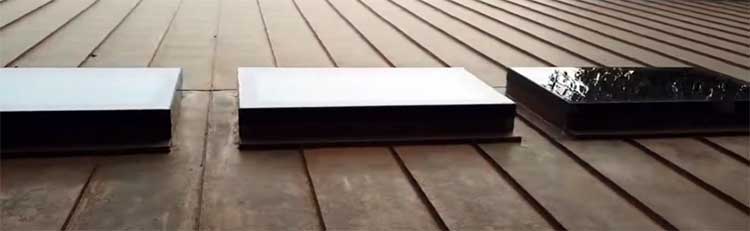
- Angle and roof integration A roof window sits in the same plane as the sloping roof, so rain runs straight off it the way it does off the surrounding tiles or shingles. That single design choice changes everything about flashing, condensation risk, and how the unit looks from the street. A skylight is usually mounted on a raised curb or set into a flat deck. Water has to be directed around the curb, which means more seams and more places for leaks if the installation is not perfect. In my own house the roof window on the 35-degree pitch never collected standing water. The skylight on the nearly flat section needed extra attention every autumn when leaves piled against the curb. The continuous water path across a roof window also forces manufacturers to engineer tighter tolerances on the frame joints. Skylights can sometimes get away with simpler gaskets because the curb creates a dam that holds water until it drains sideways.
- How you interact with them day to day With a roof window I can stand under it, open the sash, and look straight outside at the trees. The handle sits at a comfortable height, and the unit swings or pivots so the exterior glass faces inward for cleaning. A skylight hangs above my head. Opening it (when it opens at all) requires a pole or an electric motor, and the view is limited to sky and maybe the tip of a neighboring roof. That difference in daily contact is larger than most product descriptions admit. I find myself opening the roof window several times a week just to feel the breeze. The skylight stays closed for months at a time because reaching it is inconvenient.
- Light quality and distribution Roof windows deliver light at a steeper angle, creating sharper shadows and stronger contrast in the room. Skylights spread softer, more diffuse light across a wider floor area because the light travels farther before it hits surfaces. In a narrow hallway the skylight felt generous and even. In a home office the roof window gave me better task lighting on the desk without the harsh overhead glare that made the computer screen harder to read. The quality of light also affects how colors appear. Under the roof window, paint colors looked truer; under the skylight they sometimes shifted cooler.
- Structural demands on the roof Cutting an opening for either unit weakens the roof plane, but the size and orientation of the hole matter. Roof windows are often taller than they are wide to match the rafter spacing, so fewer rafters need cutting. Skylights tend to be wider, especially the fixed acrylic or glass versions that were popular in earlier decades, which can require more header framing. My contractor spent an extra day reinforcing the flat-roof section for the skylight. The pitched-roof window went in with only minor adjustments to the existing rafters. The difference in structural work showed up clearly on the final invoice.
- Weather sealing philosophy Manufacturers design roof windows assuming constant water flow across the glass. The frame and flashing kits are engineered for that movement. Skylight seals are designed more like a hatch on a boat deck – they keep water out when it sits or slowly drains. In heavy driving rain the roof window stayed bone dry. The skylight needed its gaskets checked every couple of years. The sealing approach also affects long-term reliability. A roof window that is flashed correctly tends to stay tight for decades. A skylight that relies on curb membranes can develop problems if those membranes age or get punctured.
Key Features of Roof Windows
- Operable hardware that gets used Most models pivot or hinge so you clean the exterior glass from inside. Electric versions with rain sensors close automatically. I use the pivot feature twice a year and appreciate the rain sensor on stormy days.
- Ventilation flaps and shading A small top flap lets in background air even when the main sash is locked. Exterior blinds block heat before it enters; interior shades control glare. Both made a clear difference in my summer office temperatures.
- Glazing and flashing options Double or triple glazing with low-E coatings and acoustic layers are common. Manufacturer flashings matched to tile, slate, metal, or shingle roofs are essential. The right kit prevented leaks in my installation.
Pros of Roof Windows
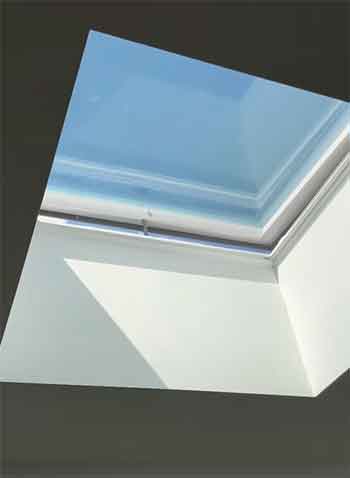
- Genuine ventilation you can feel Opening a roof window creates a strong stack effect that pulls warm air up and out. In my loft conversion this single change dropped the summer temperature by several degrees without air conditioning. Fixed skylights cannot match that air movement. Even a small opening high in the room makes a noticeable difference in how the space feels on hot days.
- Easy interior cleaning and maintenance Because the sash pivots, I clean both sides of the glass while standing on the floor. No ladders on the roof, no risk of falling. That convenience alone has saved me hours every year. The ability to clean the exterior from inside also means I actually keep the glass clear instead of letting dirt build up for years.
- Better control over heat and glare External blinds stop solar gain before it enters the room. When the blinds are not enough, I simply open the window and let the heat escape. Skylights force you to rely almost entirely on coatings and interior shades, which are less effective once the heat is already inside. The combination of shading and operable glass gives roof windows a clear advantage in mixed climates.
- Stronger sense of connection to the outside Looking out through a roof window feels like looking through any other window. You see weather, birds, changing seasons. A skylight shows only sky. For rooms where people spend long hours, that psychological difference is real. I notice the change in light and weather more when I can actually see the outside world rather than just a bright rectangle overhead.
- Higher resale appeal in certain markets Real-estate agents in my area note operable roof windows as a selling point for attic bedrooms and home offices. Buyers understand the dual benefit of light and air. Fixed skylights are often treated as a basic light source rather than a premium feature. The operable unit can help a listing stand out when similar homes have only sealed overhead glass.
Cons of Roof Windows
- Higher purchase and installation cost The operable hardware, stronger hinges, and specialized flashings push the price well above a basic fixed skylight. Labor is also more expensive because the roofer must match the flashing to the exact roof covering. The difference can easily run into four figures once everything is installed and finished.
- Potential for water ingress if flashing is imperfect Because the unit sits in the water path, any gap in the flashing or underlayment will show up quickly. I have seen otherwise good installations fail within two winters simply because the wrong flashing kit was used. The risk is manageable with careful work, but it is higher than with a well-curbed skylight on a flat roof.
- More moving parts that can eventually fail Hinges, seals, motors, and sensors all have finite lives. After eight years my electric model needed a new motor. Fixed skylights have almost nothing that breaks. If you choose a manual roof window you avoid the motor issue, but the seals and hinges still require occasional attention.
- Privacy concerns in dense neighborhoods When the window is open, people on upper floors of neighboring houses can sometimes see in. Curtains or blinds solve the problem, but they also reduce the light you installed the window to gain. In tight urban settings this can be more noticeable than with a pure overhead skylight.
- Structural work is more involved on steep roofs Working on a 40-degree pitch is harder and more expensive than working on a flat roof. Safety equipment and staging add to the bill. The steeper the roof, the more the installation cost climbs for a roof window compared with a skylight on a low-slope surface.
Key Features of Skylights
- Fixed or limited venting Most are sealed. Venting models open only a few inches. Fixed units are simpler and cheaper long-term with almost nothing to break.
- Curb vs deck mounting and light diffusion Curb-mounted units raise the glass above the roof surface and are easier to waterproof. Prismatic or frosted glass softens light. Tubular versions bring daylight into tight interior spaces where a full opening is impossible.
- Coatings and operation Impact-resistant glass and self-cleaning coatings reduce maintenance. Motorized or solar-powered versions exist but add parts that eventually need service.
Pros of Skylights
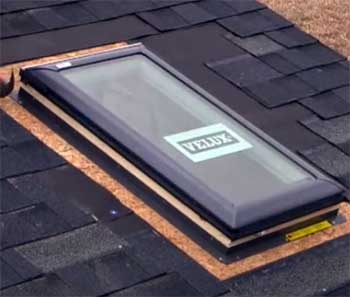
- Soft, even illumination across large areas A single skylight can light an entire open-plan living space without the strong directional shadows of a roof window. In my kitchen the skylight made the room feel larger and more uniform. The light spreads gently and reduces the need for daytime electric lighting over a wide floor area.
- Lower cost for the fixed versions A basic fixed glass or acrylic skylight is one of the least expensive ways to add daylight. If budget is tight and ventilation is not required, this is often the practical choice. You get useful light without paying for hinges, motors, or complex operable hardware.
- Minimal visual impact from the street Because many skylights sit low or use low-profile frames, they are less noticeable on the exterior than a large roof window. For historic districts or strict homeowners associations this can be an advantage. The roof line stays cleaner and the addition is less obvious from the ground.
- Good performance in snow country when properly installed The raised curb of a curb-mounted skylight keeps the glass above the snow line on moderate falls. Water drains around the curb rather than across the glass. In areas with regular snow this design can reduce the chance of ice dams forming directly on the glazing.
- Available in tubular form for tight spaces When a full-size opening is impossible, a tubular skylight still delivers useful daylight to an interior room. I used one in a windowless powder room and the difference was dramatic. The tube takes up little roof area and can be routed around obstacles that would block a conventional unit.
Cons of Skylights
- Limited or no ventilation Fixed skylights add light but zero air movement. Even venting models open only a few inches, which is rarely enough to cool a room in hot weather. In my experience they function more as light sources than climate-control tools. If you need real airflow you will still want operable windows elsewhere in the room.
- Difficult and sometimes dangerous exterior cleaning Dirt, pollen, and bird droppings collect on the outside surface. Reaching them usually means climbing onto the roof. Professional cleaning services add recurring cost. I eventually stopped trying to clean the skylight myself and just scheduled it with other roof work.
- Greater risk of overheating in summer Overhead glass receives the sun at a more direct angle for longer periods. Without high-performance coatings or exterior shading, rooms under skylights can become uncomfortably warm. My south-facing skylight needed a reflective film after the first summer. Even with the film the room ran warmer than the one with the shaded roof window.
- Condensation problems on cold nights The large glass area cools quickly. If indoor humidity is high, moisture forms on the interior surface and can drip. Roof windows with better thermal breaks and the ability to open slightly handle this better. I had to improve bathroom ventilation after noticing water spots under the skylight on cold mornings.
- Perceived as dated by some buyers Large plastic-dome skylights from earlier decades carry a reputation for leaking and yellowing. Even modern glass units sometimes face that outdated association during home sales. Roof windows tend to look more contemporary and intentional to buyers who have lived with both.
Also Read: Differences Between Velux And Andersen Skylights.
Frequently Asked Questions (FAQ)
Many older plastic-dome models leaked or yellowed, leaving a lasting negative impression. Modern glass units perform better, yet the reputation lingers and operable roof windows have taken much of the market for rooms that need both light and air.
A basic fixed skylight is usually less expensive than a vertical window of similar glass area. A high-end operable skylight or a premium roof window often costs more than a standard vertical window because of the specialized flashing and installation labor.
Limited ventilation, harder exterior cleaning, greater summer heat gain, and higher condensation risk on cold nights are the main drawbacks compared with roof windows or ordinary vertical windows.
In almost every jurisdiction you need a building permit because the work alters the structure and weatherproofing of the roof. Some historic districts or homeowners associations also require design approval.
Closing Thoughts
After living with both products through hot summers, wet winters, and everything in between, I no longer treat them as interchangeable. A roof window gives you light plus air plus a real view, at a higher price and with more moving parts to maintain.
A skylight gives you soft overhead light at a lower price, with fewer mechanical concerns but also fewer ways to control the indoor climate. You now have the practical differences, the strengths, and the weaknesses laid out in everyday terms.
Use that information to match the product to the room, the climate, and the way you actually live in the space. The right choice will still look and feel right years after the installers leave.