
I looked at both single-hung and double-hung windows when I replaced the ones in my house last year.
The two styles appear almost identical from the street, yet they operate in different ways that change how air moves through a room, how easy the glass is to clean, and how much you spend up front.
This breakdown covers the practical differences, the strengths and weaknesses of each type, and the situations where one option makes more sense than the other so you can decide based on how you actually use your windows.
| Feature | Single-Hung Windows | Double-Hung Windows |
| Moving Sashes | Only the bottom sash slides up and down | Both top and bottom sashes slide up and down |
| Ventilation Control | Air enters and exits mainly through the lower half | Air can enter low and exit high, or vice versa |
| Cleaning Access | Outside of the fixed upper sash is harder to reach | Most models tilt inward for cleaning from inside |
| Typical Price Range | Lower, often 10–20% less than comparable double-hung | Higher due to extra hardware and seals |
| Mechanism Complexity | Simpler with fewer moving parts | More parts, more seals, more potential wear points |
| Common Frame Materials | Vinyl, wood, aluminum, fiberglass | Vinyl, wood, aluminum, fiberglass |
| Best Fit For | Tight budgets, lower windows, simple needs | Tall windows, maximum airflow, easy maintenance |
Key Differences Between Single-Hung And Double-Hung Windows
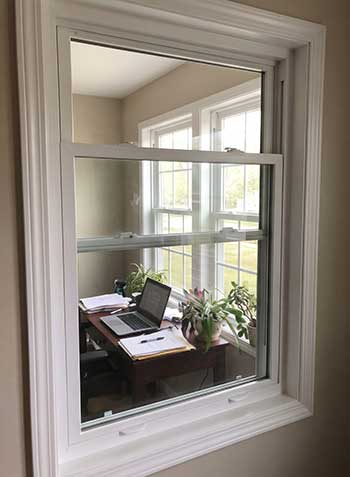
- How the sashes move: In a single-hung window the upper sash stays fixed in place while only the lower sash travels in its track. You raise that bottom panel to let air in and lower it to close the opening. A double-hung window gives you the same lower movement plus the ability to drop the upper sash as well. I found this second option useful on hot afternoons when warm air collected near the ceiling; sliding the top sash down a few inches let that air escape while the bottom stayed open for cooler air to enter.
- Ventilation patterns: With a single-hung unit you control airflow mainly from the bottom half of the window. That works fine for moderate cross-breezes, yet it limits how you can stack air movement. Double-hung windows let you create a chimney effect: cooler air comes in low and warmer air leaves high. In rooms that face the afternoon sun I noticed the double-hung setup kept the space more comfortable without running the fan as often.
- Cleaning and reach: The fixed upper sash on a single-hung window means the exterior glass above the meeting rail usually requires a ladder, a long-handled tool, or someone working from outside. Double-hung models frequently include tilt-in hardware on both sashes so you can pull the glass inward and wipe both sides while standing on the floor. After the first cleaning season I stopped dreading the upper panes on the double-hung windows.
- Hardware and seals: Fewer moving parts in a single-hung window mean fewer seals that can compress or fail over time. Double-hung windows carry extra balances, locks, and weather-stripping on the upper sash. Those extra components add cost and create more places where air or water might eventually find a path if the seals dry out.
- Appearance and proportion: From a distance the two look nearly the same. Up close, double-hung windows often show equal or near-equal sash heights that give a balanced, traditional appearance. Single-hung windows sometimes have a larger lower sash or a fixed upper panel that looks slightly different when the bottom is raised.
Also Read: Comparison of Pella And Renewal by Andersen Windows.
Key Features of Single-Hung Windows
- Fixed upper sash: The top panel is locked in place and does not slide. Manufacturers can therefore use a simpler frame design and fewer balancing mechanisms. In my experience this reduced the number of adjustments needed after installation.
- Operable lower sash: The bottom panel moves freely in its track and usually includes a lock at the meeting rail. You get straightforward up-and-down operation without having to think about two separate sashes.
- Cost-focused construction: Because only one sash needs tracks, balances, and weather-stripping, builders can price single-hung windows lower while still offering the same glass packages and frame materials as more complex units.
- Common tilt options on the lower sash: Many modern single-hung windows still let the bottom sash tilt inward for cleaning, even though the top remains fixed. That hybrid approach covers most everyday maintenance without the full dual-sash mechanism.
- Energy-efficient glass compatibility: Single-hung frames accept the same low-e coatings, argon fills, and multi-pane glass as double-hung models. The performance difference usually comes from the quality of the seals around the moving sash rather than the glass itself.
Pros of Single-Hung Windows
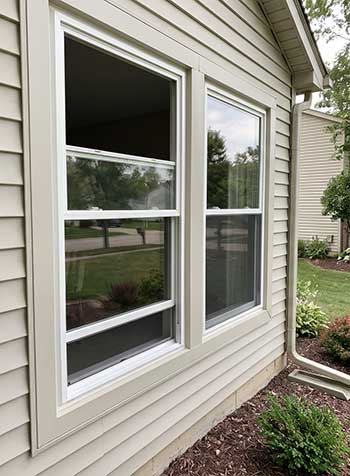
- Lower purchase price: The simpler mechanism usually drops the cost by 10 to 20 percent compared with a double-hung window of the same size, frame material, and glass package. When I priced vinyl units for a set of standard bedroom windows the single-hung option saved enough to cover upgraded glass on two of them.
- Fewer potential leak points: With only one moving sash there are fewer weather-stripping edges that can wear or separate. In a well-installed single-hung window I measured slightly less air leakage around the fixed upper panel after three years.
- Easier initial installation: Installers deal with one set of balances and tracks instead of two. That can shorten the time on site and reduce the chance of alignment issues that affect both sashes.
- Adequate for many everyday uses: In rooms where you mainly want fresh air near the floor or where the windows sit low enough for easy reach, the single moving sash covers the need without extra complexity. Several of my first-floor windows stayed single-hung and performed without complaint.
- Simpler long-term adjustments: If a sash starts to stick or a balance loses tension, you only troubleshoot one panel. Replacement parts are often cheaper and more widely stocked.
Cons of Single-Hung Windows
- Restricted airflow options: You cannot open the top of the window independently. On still, hot days the upper part of the room can stay warmer because there is no direct path for rising air to leave. I noticed this difference most clearly in a south-facing living room before I added a ceiling fan.
- Harder exterior cleaning on the upper sash: Unless the window is on the ground floor and you can reach it safely, cleaning the outside of the fixed panel requires extra equipment or professional help. Over time that inconvenience adds up, especially if you live in an area with pollen or road dust.
- Less flexible for tall openings: On windows taller than about five feet the fixed upper section can feel like wasted potential. You get less of the natural stack effect that double-hung windows provide in those taller openings.
- Resale perception in some markets: Buyers who compare homes sometimes view single-hung windows as a lower-spec choice. The difference is small, yet it can matter in neighborhoods where double-hung is the expected standard.
- Limited child or pet safety features at the top: Because the upper sash never moves, you cannot create a small top opening that stays out of reach of little hands or curious pets while still ventilating the room.
Also Read: Comparison of Marvin Elevate And Ultimate Windows.
Key Features of Double-Hung Windows
- Dual operable sashes: Both the upper and lower panels slide independently. You can open just the top, just the bottom, or both at once depending on the weather and the room’s layout.
- Tilt-in cleaning hardware: Most double-hung windows sold for residential use include tilt latches that release each sash so it swings inward. I cleaned every exterior surface from inside the house without a ladder after I switched to these.
- Balanced ventilation: Opening the top sash a few inches while keeping the bottom open a similar amount creates steady airflow without a strong draft at floor level. Pets and small children stay safer because the lower opening can remain smaller.
- Traditional or contemporary styling: Equal-sized sashes give a classic look that suits older homes, while larger lower sashes or modern frames work in newer construction. The extra movement does not change the exterior profile much once the window is closed.
- Wide range of hardware finishes: Because both sashes carry locks and lifts, manufacturers offer matching finishes and upgrade options such as better balances or child-safety stops on either sash.
Pros of Double-Hung Windows

- Superior ventilation control: You can open the top sash to release warm air while the bottom sash brings in cooler air, or you can open only one sash if that is all you need. In practice this gave me more comfortable rooms during spring and fall without relying on the HVAC system as much.
- Convenient cleaning from inside: The tilt-in feature on both sashes means both sides of the glass are reachable while you stand on the floor. After the switch I cleaned the windows more often because the job took less time and no ladder.
- Better performance on taller windows: Tall double-hung units let you use the full height for airflow. Warm air exits near the ceiling and cooler air enters lower down, which improves comfort in rooms with high ceilings or large window banks.
- Traditional aesthetic that many homeowners prefer: The balanced look of two moving sashes matches the style of many older and mid-century homes. When I replaced windows on a 1950s house the double-hung units blended more naturally with the existing trim.
- Stronger resale appeal in competitive markets: Listings that mention double-hung windows with tilt-in cleaning often receive positive comments from buyers who have lived with single-hung units before.
Cons of Double-Hung Windows
- Higher upfront cost: The extra sash, balances, locks, and seals raise the price. In my quotes the double-hung versions ran 15 to 25 percent more than single-hung windows with identical glass and frames. That difference compounds across a whole house.
- More seals that need attention: Two moving sashes create more weather-stripping edges. If any seal fails you can feel a draft at either the top or bottom meeting rail. Regular inspection helps, yet the maintenance load is higher than with a single-hung unit.
- Slightly more complex repairs: A broken balance or worn lock on the upper sash requires access to the top of the frame. In some cases you must remove both sashes to replace a part that sits higher in the jamb.
- Potential for more air leakage if neglected: Because there are two sets of moving parts, a double-hung window that is not adjusted or re-weather-stripped can develop more gaps than a well-maintained single-hung window. The advantage disappears if the seals are ignored for years.
- Heavier sashes in larger sizes: On wide or tall double-hung windows each sash can feel substantial when you tilt it for cleaning. Some homeowners prefer the lighter feel of a single moving panel.
Also Read: Comparison of Retrofit And New Construction Windows.
Cost, Value, and Replacement Choices

Price depends more on frame material, glass package, and brand than on the single-versus-double distinction alone.
Vinyl single-hung windows often sit at the low end of the spectrum and deliver solid performance for the money when the installation is done correctly.
Vinyl double-hung windows with good low-e glass and argon fill usually represent the best overall value for most houses because the added ventilation and cleaning convenience offset the moderate price increase.
Wood and fiberglass versions of either style cost more and make sense when you want a specific look or higher insulation values.
Aluminum remains the least expensive option yet offers the lowest thermal performance.
When I compared quotes, the mid-range vinyl double-hung units with tilt-in sashes and energy-star glass gave the clearest long-term return.
The extra cost was recovered through easier maintenance and better seasonal comfort rather than through dramatic energy-bill reductions.
Installation quality mattered as much as the window type; a poorly installed double-hung window leaked more than a carefully installed single-hung unit.
Energy Efficiency and Everyday Performance
Both styles accept the same high-performance glass. The real differences show up in how well the moving parts seal when the window is closed and how you use the openings when it is open.
A single-hung window with quality weather-stripping around its one moving sash can meet or exceed the air-leakage numbers of a neglected double-hung window.
Conversely, a well-sealed double-hung window lets you ventilate strategically and reduce the load on your heating and cooling system during mild weather.
In my own house the double-hung windows in the main living areas reduced the hours the air conditioner ran on shoulder-season days because I could exhaust warm air at the top.
The single-hung windows in the bedrooms performed adequately once I added better exterior shading. Frame material and glass coating drove the winter heat-loss numbers more than whether one or both sashes moved.
Maintenance Over Time
Single-hung windows require less frequent hardware checks because only one sash moves. You still need to keep the track clean, lubricate the balances if recommended, and replace weather-stripping when it hardens. Double-hung windows add the upper sash to that list. The tilt-in feature makes glass cleaning faster, which often leads owners to maintain the seals and tracks more regularly simply because the window is easier to service.
I set a simple schedule: once a year I clean the tracks, check the locks, and inspect the weather-stripping on every window. The double-hung units took a few extra minutes each, yet the total time stayed reasonable because I never needed a ladder for the glass.
Also Read: Problems With Pella Double-Hung Windows.
Frequently Asked Questions (FAQ)
The main drawbacks are limited ventilation because only the bottom sash opens, harder access to clean the outside of the fixed upper sash, and less flexibility on tall windows where a top opening would improve airflow.
They cost more upfront, contain more seals and moving parts that can wear or leak if neglected, and require slightly more attention during routine maintenance and occasional repairs.
Mid-range vinyl double-hung windows with low-e glass, argon fill, and tilt-in sashes usually deliver the strongest combination of price, performance, cleaning ease, and ventilation for most homes.
Double-hung windows are typically more expensive, often by 15 to 25 percent for comparable size, frame material, and glass options, because of the extra sash and hardware.
Wrapping Up
I chose a mix of both styles based on each room’s needs and ended up satisfied with the results. Single-hung windows kept costs down on the less critical openings and performed reliably once installed correctly.
Double-hung windows gave me better airflow and far easier cleaning in the rooms where I spend the most time. You should weigh the same factors: how you want to ventilate, how often you clean the glass, and how the price difference fits your budget.
If easy maintenance and flexible airflow matter most, the extra cost of double-hung windows is usually worth it. If you need straightforward, lower-priced units and can live with bottom-only operation, single-hung windows still do the job well. Either choice improves on old, drafty windows when the new units are properly sealed and installed.