
I spent weeks researching and comparing Marvin Elevate and Ultimate windows while planning a home upgrade, and this article shares exactly what I learned so you can decide which collection fits your project, budget, and priorities without the usual guesswork or sales talk.
| Feature | Marvin Elevate | Marvin Ultimate |
| Exterior Material | Ultrex fiberglass | Aluminum cladding over wood |
| Interior Material | Pine wood | Multiple wood species options |
| Style Options | About 7–12 common styles | 20+ styles including specialty shapes |
| Exterior Colors | 6 standard colors | 19–20 standard plus custom matching |
| Customization Level | Good for standard projects | Extensive architectural flexibility |
| Approximate Cost Range | Lower ($325–$1,200 per window) | Higher ($525–$1,500+ per window) |
| Exterior Finish Warranty | 10 years | 20 years |
| Best For | Balanced performance and value | Maximum design freedom and premium details |
Also Read: Window Installation Cost Calculator: Materials, Labor & Permit Estimator.
Key Differences Between Marvin Elevate And Ultimate Windows
- Material Makeup And How It Affects Longevity
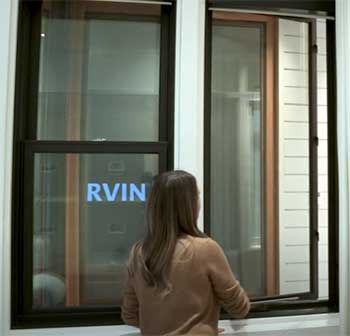
Elevate uses Marvin’s proprietary Ultrex fiberglass on the exterior paired with a pine wood interior.
That fiberglass is remarkably stable—it expands and contracts at nearly the same rate as the glass, which reduces stress on the seals over time.
Ultimate starts with a solid wood core and wraps the exterior in extruded aluminum cladding.
The aluminum gives a crisp, traditional look and handles impacts well, yet the wood underneath still needs careful sealing at the factory to stay protected.
In real homes I’ve looked at, Elevate’s fiberglass simply shrugs off temperature swings better in places with big seasonal changes, while Ultimate’s aluminum cladding can feel more refined on high-end façades.
- Available Window Styles And Operating Types
Elevate sticks to the most requested residential styles: casement, awning, double-hung, glider, picture, bay and bow, and a handful of specialty shapes. That covers the vast majority of replacement and new-build needs.
Ultimate opens the catalog much wider—French casements, push-out options, corner windows, venting picture windows, single-hung versions, hoppers, and far more custom shapes.
If your project calls for something unusual or you want matching historic profiles, Ultimate gives you the tools. Elevate keeps the process simpler and usually faster to order.
- Color And Finish Choices
Elevate offers six exterior colors that work with most homes: Stone White, Cashmere, Pebble Gray, Bronze, Gunmetal, and Ebony. Interiors stay in pine with a few prefinished options—bare, clear coat, white, or designer black.
Ultimate jumps to nearly twenty standard exterior colors plus pearlescent finishes and full custom color matching. Inside you can choose from multiple wood species and a broader stain palette. That extra range matters when the windows need to coordinate with existing trim or a specific architectural palette.
- Customization depth and project scale
Elevate supports custom sizing and a solid selection of grille patterns, but it stays within practical residential limits. Ultimate treats almost every dimension, profile, and detail as adjustable.
Narrower sightlines, unique divided-lite patterns, specialty hardware, and even larger operating sizes become possible. For a straightforward whole-house replacement Elevate usually feels sufficient.
For a custom home or a renovation that demands exact architectural expression, Ultimate becomes the clearer path.
- Hardware and everyday usability
Both collections use quality hardware, yet Ultimate often includes extra refinements such as lock-status sensors and a wider range of finish options. Elevate’s hardware is reliable and low-profile, but the selection is more limited. The difference shows up most when you open and close the windows every day—Ultimate’s mechanisms tend to feel smoother on larger units.
- Warranty length on exterior finishes
Elevate’s exterior finish carries a 10-year warranty against chalking, fading, and peeling. Ultimate doubles that to 20 years. Both share similar coverage on glass seals and interior finishes, so the exterior finish term is one of the clearer practical distinctions.
Also Read: A Homeowner’s Experience With Thermo Tech Windows.
Key Features of Marvin Elevate Windows
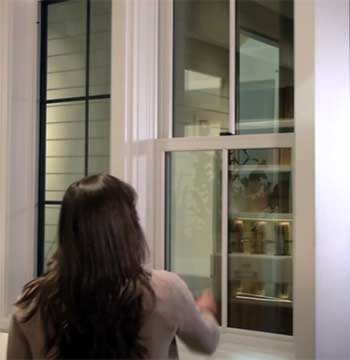
- Ultrex fiberglass exterior that resists warping, corrosion, and extreme weather The material is non-conductive and far stronger than typical vinyl. In coastal or freeze-thaw climates it keeps its shape and finish without the expansion problems that plague other materials. Homeowners I’ve spoken with rarely need to touch up the exterior for years.
- Warm pine wood interior that accepts stain or paint You get the classic look and feel of wood on the inside while the outside stays nearly maintenance-free. The wood can be finished to match existing interior trim, giving rooms a cohesive appearance.
- ENERGY STAR certified options with strong thermal performance Low-E coatings and insulating glass packages keep heat where you want it. The fiberglass frame itself contributes to better overall insulation values compared with many aluminum or vinyl alternatives.
- Curated but practical style range Casements, double-hungs, and picture windows cover most needs. Narrower frame options in some styles maximize glass area and light.
- Low-maintenance exterior finishes The acrylic finish holds color well even in darker shades and resists scratches better than many painted surfaces. Cleaning usually means a simple rinse and wipe.
- Reliable standard hardware and grille options Simulated divided lites and between-the-glass grilles give traditional looks without excessive cost or complexity.
Pros of Marvin Elevate Windows
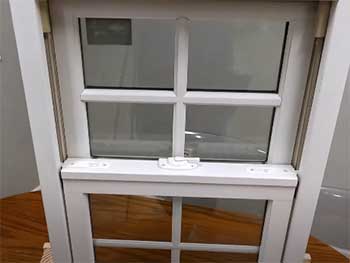
- Strong value for the performance level You get fiberglass durability and wood interiors at a price point that stays accessible for whole-house projects. Many homeowners find the cost-to-benefit ratio hard to beat when the budget has limits.
- Excellent resistance to temperature extremes and moisture The Ultrex material stays dimensionally stable, which protects the glass seals and reduces the chance of drafts developing over time. In regions with hot summers and cold winters this stability shows up in lower energy bills and fewer service calls.
- Minimal exterior maintenance No painting or sealing of the outside surface is required for years. A quick cleaning keeps the windows looking new, freeing you from the upkeep that pure wood exteriors demand.
- Enough style and color options for most homes Six exterior colors and the core window types handle the majority of residential situations. You rarely feel restricted unless the project is highly customized.
- Solid energy performance out of the box ENERGY STAR options and good insulating values help with comfort and utility costs without needing expensive upgrades.
- Straightforward ordering and installation process Because the collection focuses on popular configurations, lead times and installation complexity stay reasonable compared with fully custom products.
Also Read: A Homeowner’s Experience With Silver Line Windows.
Cons of Marvin Elevate Windows
- Limited color and style selection Six exterior colors and fewer specialty shapes can feel restrictive if your home needs exact matching to existing elements or unusual architectural features.
- Shorter exterior finish warranty Ten years of coverage is respectable yet shorter than Ultimate’s twenty. In harsh sun or coastal environments that difference may matter over the life of the house.
- Less flexibility for large or complex openings Maximum sizes and custom profiles are more constrained. Projects that require oversized units or unique shapes may push you toward the other collection.
- Interior wood options stay basic Pine is warm and serviceable, but if you want richer species or a broader stain palette the choices feel narrower.
- Hardware and grille patterns are more limited You get functional and attractive options, yet the range is smaller than what Ultimate provides for high-end detailing.
Key Features of Marvin Ultimate Windows
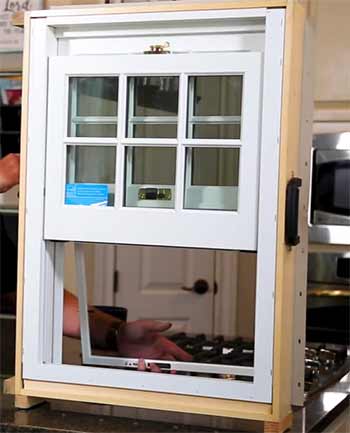
- Aluminum-clad wood construction that balances strength and aesthetics The cladding protects the wood core from weather while allowing the crisp profiles designers often prefer. Interior wood species expand beyond basic pine into options like Douglas fir, mahogany, or oak for richer grain patterns.
- Extensive style and size flexibility From standard casements to corner units, push-out awnings, and custom shapes, the collection supports nearly any architectural vision. Larger operating sizes and specialty doors integrate cleanly when the whole envelope needs consistency.
- Broad color and finish palette Nearly twenty exterior colors plus custom matching let the windows disappear into or stand out against the façade. Interior stains and paints cover a wide design spectrum.
- Advanced hardware and optional sensors Lock-status indicators and refined operators improve daily use and security feedback. Hardware finishes coordinate with high-end interior details.
- Superior divided-lite and grille variety Dozens of patterns and custom configurations make it easier to match historic homes or create distinctive contemporary looks.
- Longer exterior finish warranty and premium detailing The 20-year exterior coverage and meticulous craftsmanship reflect the higher positioning of the line.
Also Read: Differences Between Pella Windows And Andersen Windows.
Pros of Marvin Ultimate Windows
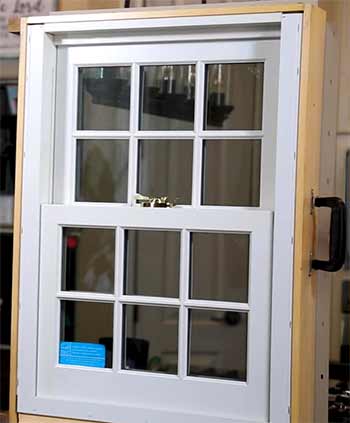
- Maximum design freedom The wide array of styles, sizes, colors, and custom details lets you realize nearly any architectural idea. Historic renovations and contemporary custom homes both benefit.
- Premium material presence and finish quality Aluminum cladding over wood delivers a substantial feel and long-lasting exterior appearance. Interior wood species and finishes elevate the look inside the rooms.
- Longer exterior finish warranty Twenty years of coverage on the exterior finish provides extra peace of mind, especially on darker colors that face intense sun.
- Superior hardware and optional features Refined operators, more finish choices, and available lock sensors improve everyday use and security awareness.
- Better support for specialty and large-scale projects Corner windows, oversized units, and complex configurations stay within the collection’s capabilities, reducing the need to mix manufacturers.
- Strong curb appeal and potential home-value impact The detailed craftsmanship and broad aesthetic range often make these windows a noticeable upgrade when the house is later sold or appraised.
Cons of Marvin Ultimate Windows
- Higher overall cost The price difference becomes significant on a full-house project. The extra customization and materials push the budget higher, sometimes substantially.
- Wood core still requires careful long-term care inside While the exterior is protected, the interior wood can need occasional refinishing or attention in high-humidity rooms, more so than a fully fiberglass product.
- Greater complexity in ordering and lead times Custom configurations take longer to specify and manufacture. Coordination with the builder or installer becomes more involved.
- Potential overkill for simple replacement jobs If your needs stay within standard styles and sizes, the extra features and cost may not deliver proportional benefits.
- Aluminum cladding can conduct temperature more readily than fiberglass In extreme climates the frame itself may transfer heat or cold slightly more than Elevate’s Ultrex, though proper glass packages largely offset this.
When I weighed these points against my own project, the decision hinged on how much design flexibility I truly needed versus how much I wanted to keep the budget in check.
Elevate delivered the durability and comfort I cared about most without forcing unnecessary options. Ultimate would have been the right call if the architecture demanded exact profiles or a broader color range.
Energy performance sits close between the two when comparable glass packages are chosen. Both can meet ENERGY STAR requirements and help lower heating and cooling loads.
The real difference appears in frame behavior over decades—Elevate’s fiberglass tends to maintain seal integrity with less movement, while Ultimate relies on the cladding and careful manufacturing to achieve similar longevity.
Installation quality matters as much as the product itself. Both collections perform best when installed by trained crews who understand the specific flashing and sealing details each line requires. A poor install can undermine even the best window.
Also Read: A Homeowner’s Experience With Infinity Windows By Marvin.
Frequently Asked Questions (FAQ)
Elevate pairs Ultrex fiberglass exteriors with pine interiors for strong performance and lower maintenance at a more accessible price. Ultimate uses aluminum-clad wood with far greater style, color, and customization options for premium projects.
Yes for most homeowners who want durable, energy-efficient windows with a wood interior look without paying for extensive customization. The balance of performance and cost works well for typical replacements and new builds.
Elevate generally costs less, often in the $325–$1,200 range per window installed, while Ultimate runs higher, commonly $525–$1,500 or more depending on size, options, and location. Full-house projects widen the gap.
Older cases from the 1990s and early 2000s involved wood rot in certain models manufactured years earlier and were largely resolved. More recent investigations have looked into reports of exterior cracking or finish issues on some Elevate products; outcomes remain case-specific and ongoing in places.
Final Thoughts
After living with the research and comparing real project quotes, I see Elevate as the practical high-performer for the majority of homes and Ultimate as the choice when design freedom sits at the top of the list.
You should match the collection to your climate, architectural goals, and budget rather than defaulting to the more expensive option.
Walk through sample windows in person if you can, ask for detailed quotes on both, and weigh the long-term maintenance and energy numbers against the upfront cost. The right set will feel right for your specific house and how you plan to use it for the next few decades.