
I have spent years navigating the world of dog parasite prevention as a pet parent who wants the best for my furry companions without overwhelming them or my wallet.
When it comes to protecting against heartworms, fleas, ticks, and intestinal worms, two names often rise to the top: Simparica Trio and Heartgard. I have tried both over time with my own dogs, weighed their real-world performance, and spoken with fellow owners about what actually works in daily life.
Let’s have a side-by-side look at these two popular monthly chewables so you can decide which one fits your dog’s lifestyle, your routine, and your peace of mind.
I will break down their key features, pros, cons, and differences in plain language, drawing from hands-on experience and what countless other dog lovers report. By the end, you will feel equipped to chat confidently with your vet about the right choice for your pup.
| Aspect | Simparica Trio | Heartgard (Plus) |
| Active Ingredients | Sarolaner, Moxidectin, Pyrantel | Ivermectin, Pyrantel |
| Heartworm Prevention | Yes (prevents disease) | Yes (prevents disease) |
| Flea & Tick Protection | Kills adult fleas, prevents infestations; controls 6 tick species (including deer tick for Lyme) | None |
| Intestinal Worms | Treats & controls roundworms, hookworms | Treats & controls roundworms, hookworms |
| Minimum Age/Weight | 8 weeks old, 2.8 lbs+ | 6 weeks old |
| Flavor | Liver-flavored chewable | Beef-flavored chewable |
| Administration | Once monthly, with or without food | Once monthly, often preferred with food |
| Additional Benefits | Prevents flea tapeworm by killing fleas; Lyme prevention via tick kill | Long track record; often more affordable |
| Potential Concerns | Isoxazoline class (neurologic caution in some dogs) | MDR1 sensitivity in certain herding breeds at higher doses (safe at label for prevention) |
This quick overview highlights how Simparica Trio packs more punch in one tablet while Heartgard focuses tightly on internal protection. Now, let us explore each in more detail so you can picture how they play out with real dogs like yours.
Key Differences Between Simparica Trio And Heartgard

- Scope of protection: Simparica Trio stands out because it adds robust flea and tick control on top of heartworm and worm prevention. Heartgard sticks to internal threats, so you would likely need a separate flea/tick product in most regions.
- Active ingredient profile: The inclusion of sarolaner (an isoxazoline) in Simparica Trio brings powerful external parasite killing power that Heartgard lacks. Moxidectin in Simparica Trio versus ivermectin in Heartgard offers similar heartworm efficacy but through slightly different mechanisms.
- Age and starting point: Heartgard edges out for the youngest puppies at 6 weeks, while Simparica Trio begins at 8 weeks. For tiny breeds hitting weight minimums early, this matters.
- Convenience factor: With Simparica Trio, you often manage everything in one chew, reducing the chance of forgetting one product. Heartgard requires pairing with something else for full coverage if fleas or ticks are a concern where you live.
- Taste and acceptance: Both are flavored chews, but individual dogs show preferences—some favor the beef of Heartgard, others the liver of Simparica Trio. I have seen dogs reject one and love the other, so trial and error (under vet guidance) helps.
- Cost implications over time: Simparica Trio tends to cost more per dose because of its broader action, but it can save money and hassle by replacing multiple products. Heartgard usually comes in cheaper, especially if you buy generics or in bulk.
- Safety considerations for specific dogs: Heartgard’s ivermectin requires caution (though label doses are generally safe) in breeds with MDR1 mutation. Simparica Trio’s isoxazoline component calls for caution in dogs with seizure history.
These differences really come down to your environment and your dog’s needs. If you live in a high-tick area with heavy flea pressure, the extra coverage in Simparica Trio has felt like a game-changer for me.
In quieter seasons or for dogs with specific sensitivities, Heartgard’s focused approach keeps things simple and effective.
Key Features of Simparica Trio
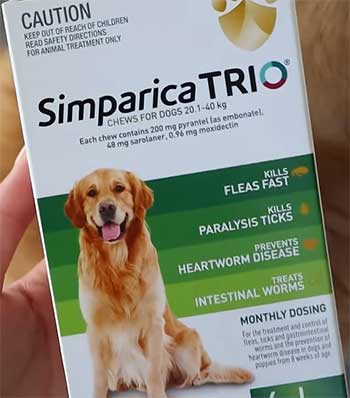
- Broad-spectrum all-in-one action: I love that one chew handles heartworm prevention, flea killing, tick control across six species, and treatment for common intestinal worms. Sarolaner targets fleas and ticks fast, moxidectin tackles heartworm larvae, and pyrantel handles roundworms and hookworms.
- Fast flea and tick knockdown: It starts killing fleas quickly and prevents them from laying eggs, which means fewer infestations building up in your home. The tick coverage includes the black-legged (deer) tick, helping reduce Lyme disease risk.
- Convenient monthly dosing: The liver-flavored chew is usually well-accepted. You give it once a month, and it covers a full range of threats without needing extra products for most situations.
- Extra layer against tapeworms: By killing fleas, it indirectly helps prevent flea-transmitted tapeworms like Dipylidium caninum.
- Suitable for most sizes and ages: It works for puppies starting at 8 weeks and 2.8 pounds, making it accessible for growing dogs once they hit that mark.
When I first switched my dog to this, I noticed fewer itchy episodes during peak flea season and peace of mind during tick-heavy months. It feels like a comprehensive shield rather than piecing together separate defenses.
Also Read: Comparison of Sentinel Spectrum And Simparica Trio.
Pros of Simparica Trio
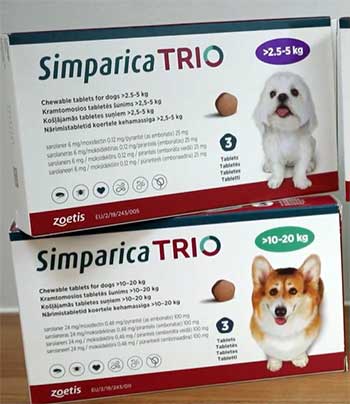
- Comprehensive coverage means fewer pills or topicals to remember each month, which improves compliance for busy owners like me.
- Strong tick control across multiple species, including those that carry Lyme, gives extra reassurance during outdoor adventures.
- Flea prevention that stops reproduction quickly helps keep your home and yard cleaner with less infestation risk.
- Treats and controls intestinal worms at the same time, reducing the need for separate deworming in many cases.
- Prevents flea tapeworm transmission indirectly through flea kill.
- Monthly chew format is easy to administer for most dogs, and the all-in-one nature simplifies your medicine cabinet.
- High effectiveness reported in keeping heartworm tests negative when used consistently.
- Appeals to owners who want modern, broad protection without layering multiple preventives.
I appreciate how it handles the “what if” scenarios—ticks hitchhiking home from hikes, fleas jumping from neighborhood dogs, or unexpected worm exposure. It has reduced the stress of seasonal parasite spikes for my pack.
Cons of Simparica Trio
- Higher price point compared to basic heartworm options, which adds up over a year for multi-dog households.
- Not suitable for puppies under 8 weeks or very small weights below 2.8 pounds.
- Contains an isoxazoline, so vets recommend caution or avoidance in dogs with a history of seizures or neurologic issues.
- Safe use not fully evaluated in pregnant, breeding, or lactating dogs, so alternatives may be preferred in those situations.
- Some dogs experience mild gastrointestinal upset like vomiting or diarrhea shortly after dosing.
- Requires a prescription and heartworm testing before starting, as with most preventives.
- Potential for rare neurologic signs in sensitive individuals, though most dogs tolerate it well.
These drawbacks are real, and I always discuss them openly with my vet. For dogs prone to seizures, the extra caution makes sense and might steer us toward other choices.
Key Features of Heartgard
- Targeted heartworm and worm protection: Ivermectin prevents heartworm larvae from maturing, while pyrantel takes care of roundworms and hookworms. It has a proven, decades-long reputation for reliability in this core area.
- Beef-flavored appeal: Many dogs gobble these chews enthusiastically, which makes monthly dosing less of a battle. Some owners report their picky eaters prefer the texture and taste over other options.
- Early puppy suitability: Safe from 6 weeks of age, which gives it an edge if you are protecting very young pups.
- Simpler formulation: With just two active ingredients, it focuses purely on internal parasites without adding external ones.
- Year-round reliability: It has been a staple for preventing heartworm disease in mosquito-prone areas, and many vets trust its consistent performance.
I remember using Heartgard with my first dog years ago. It was straightforward, and I never worried about heartworm tests coming back positive as long as we stayed consistent. The simplicity still appeals when you want to keep things minimal.
Also Read: Comparison of Sentinel And Sentinel Spectrum.
Pros of Heartgard

- Long-established safety record with millions of doses given over decades.
- Often more budget-friendly, especially when purchased in larger supplies or as generics.
- Highly palatable beef flavor that many dogs love, making monthly dosing smoother.
- Safe for puppies as young as 6 weeks, which is helpful for early protection.
- Focused action on heartworm and common intestinal worms without unnecessary extras for dogs in low external parasite areas.
- Generally well-tolerated with low rates of side effects in clinical use.
- Can be paired flexibly with separate flea/tick products tailored to your region and season.
- Label doses considered safe even in many MDR1 breeds for heartworm prevention.
The reliability and affordability have kept Heartgard a favorite in many households, including mine during times when we wanted to keep things straightforward and cost-effective.
Cons of Heartgard
- No protection against fleas or ticks, so you must add another product, which means more reminders and potential added cost.
- Limited to internal parasites only, leaving gaps in coverage if your dog spends time outdoors in bug-heavy zones.
- Requires consistent monthly dosing without built-in reminders for external threats.
- Some dogs need a separate flea/tick control year-round, increasing the complexity of the routine.
- While effective, it does not offer the Lyme prevention benefit that comes from killing deer ticks promptly.
- Potential for mild side effects like vomiting, diarrhea, or lethargy, though rare.
- In areas with high external parasite pressure, relying solely on it leaves your dog more exposed to itching, infections, or tick-borne diseases.
I have felt the limitation firsthand when fleas showed up despite perfect Heartgard compliance—adding a separate product fixed it but added one more step to remember.
Which One Should You Choose For Your Dog?

From my experience, Simparica Trio shines when you want convenience and broad protection in one go, especially if fleas and ticks are regular concerns in your area.
It simplifies life and covers more bases, which many owners (and vets) appreciate for better compliance.
Heartgard remains a solid, trusted option if your primary worry is heartworm and intestinal worms, your budget is tighter, or your dog has sensitivities that make the isoxazoline class less ideal.
You know your dog best—factors like age, breed, health history, lifestyle, and local parasite risks all play a role. I always recommend starting with a heartworm test and having an open conversation with your veterinarian.
They can tailor the advice to your specific situation and monitor how your pup responds. Neither is universally “better,” but one usually fits more comfortably than the other once you weigh the details.
Also Read: Comparison of Interceptor And Interceptor Plus.
Frequently Asked Questions (FAQ)
Vets often recommend it for its convenient all-in-one protection against heartworms, fleas, ticks, and intestinal worms, which improves owner compliance and provides broader coverage in one monthly chew.
Breeds with the MDR1 mutation, such as Collies, Australian Shepherds, and some other herding dogs, need caution with ivermectin-containing products like Heartgard, although label preventive doses are generally considered safe—always confirm with your vet and consider genetic testing.
Dogs with a history of seizures or neurologic disorders should use Simparica Trio with caution due to the isoxazoline class; it is also not for puppies under 8 weeks or under 2.8 pounds, and safe use is unevaluated in pregnant or breeding dogs.
Both are considered safe when used as directed after a vet check and heartworm test, but “safest” depends on your dog’s health profile—Heartgard has a longer track record for some, while Simparica Trio offers broader benefits for others. Your vet can determine the best fit based on breed, age, and medical history.
Final Thoughts
In wrapping this up, I hope sharing my analytical take and real-user perspective helps you feel more confident navigating these choices.
You deserve tools that make protecting your dog easier and more effective, whether that means embracing the comprehensive approach of Simparica Trio or sticking with the proven simplicity of Heartgard.
Talk to your vet, consider your dog’s daily life, and pick what aligns best with keeping them happy and healthy for years to come. Your pup will thank you with wagging tails and fewer vet visits for parasite-related issues.