
I have spent years keeping my dogs healthy and happy, and heartworm prevention sits at the top of my priority list every single month.
When I first started comparing options like Interceptor Plus and Heartgard Plus, I felt overwhelmed by the choices. Both products promise reliable protection, yet they differ in meaningful ways that affect real-life decisions for pet parents like us.
In this article, I walk you through my personal analysis of these two popular preventives. You will see their key features, strengths, weaknesses, and how they stack up side by side so you can choose what fits your dog’s lifestyle best.
I approach this from the viewpoint of someone who has given these chews month after month, watched for reactions, and asked plenty of questions at the vet clinic.
| Feature | Interceptor Plus | Heartgard Plus |
| Active Ingredients | Milbemycin oxime + Praziquantel | Ivermectin + Pyrantel pamoate |
| Heartworm Prevention | Yes | Yes |
| Roundworms | Yes (treats and controls adult) | Yes (treats and controls) |
| Hookworms | Yes (multiple species, adult) | Yes (primarily Ancylostoma caninum) |
| Whipworms | Yes (adult) | No |
| Tapeworms | Yes (multiple species) | No |
| Flavor | Chicken-flavored chewable | Real beef-flavored chew |
| Minimum Age/Weight | 6 weeks and 2 lbs | 6 weeks (no minimum weight specified) |
| Monthly Dosing | Yes | Yes |
| Palatability | Generally well accepted | Often ranked as #1 dog-preferred |
This table gives you the snapshot I wish I had when I first researched these products. Now, let us explore the details together.
Key Differences Between Interceptor Plus And Heartgard Plus
Here is how I break down the main distinctions in an easy list so you can see where each stands out:
- Parasite Spectrum: Interceptor Plus covers whipworms and tapeworms in addition to heartworms, roundworms, and hookworms, while Heartgard Plus focuses primarily on heartworms, roundworms, and common hookworms.
- Active Ingredients: Milbemycin oxime plus praziquantel versus ivermectin plus pyrantel pamoate—this difference affects how each product interacts with various parasite life stages.
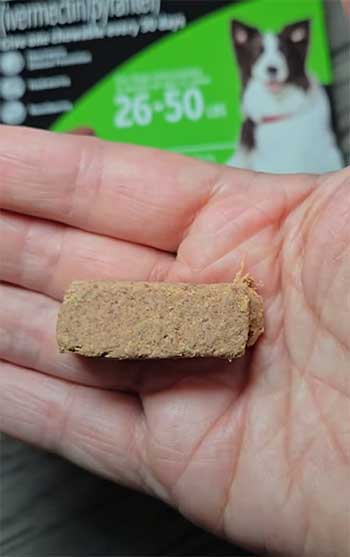
- Flavor Profile: Chicken-based chew for Interceptor Plus compared to real beef for Heartgard Plus, influencing acceptance rates among individual dogs.
- Hookworm and Whipworm Depth: Interceptor Plus handles more species and adult stages of whipworms; Heartgard Plus targets specific hookworms effectively but skips whipworms entirely.
- Tapeworm Control: Only Interceptor Plus includes praziquantel for direct tapeworm treatment.
- Breed Sensitivities: Ivermectin in Heartgard Plus raises caution for MDR1 gene mutation breeds; milbemycin in Interceptor Plus generally presents a different safety consideration.
- Overall Breadth: If your dog faces multiple environmental parasites, Interceptor Plus provides a wider shield; for straightforward heartworm and basic gut worms with high palatability, Heartgard Plus often wins.
These differences guided my decisions more than once. When my dog showed signs of possible whipworm exposure through loose stools, the broader coverage of Interceptor Plus aligned better with our needs at that moment.
Key Features of Interceptor Plus

- Broader Parasite Coverage: It protects against heartworms, roundworms, hookworms (including some additional species), whipworms, and tapeworms. For dogs that enjoy digging, rolling in soil, or living in regions where whipworms linger in the environment, this extra layer feels reassuring.
- Chicken Flavor: The chew comes in a chicken taste that many dogs accept without much fuss, though individual preferences vary.
- Milbemycin Oxime Action: This ingredient disrupts the nervous system of parasites at the larval stage for heartworms and targets adult stages of several intestinal worms.
- Praziquantel Addition: This component makes the product effective against tapeworms that dogs might pick up from fleas or wildlife.
- Suitable for Young Puppies: Approved for pups as young as six weeks and weighing at least two pounds, which helps when starting prevention early.
- Monthly Convenience: One chew per month keeps the routine simple—no daily pills or messy topicals.
I remember weighing my options when my younger dog hit six weeks. The idea of covering whipworms and tapeworms in one product made Interceptor Plus stand out because those parasites can cause ongoing digestive upset if left unchecked.
Pros of Interceptor Plus
Interceptor Plus shines when you want comprehensive coverage in one monthly dose.
- It tackles whipworms that can cause chronic diarrhea and weight loss in dogs who frequent contaminated soil or parks.
- The addition of praziquantel means better control over tapeworms, which often come from fleas or rodents—common in active outdoor dogs.
- You cover more parasite types without needing separate treatments, which simplifies life if your dog has a history of intestinal issues.
- Milbemycin oxime works differently from ivermectin, offering an alternative if your vet recommends rotating preventives or if sensitivity concerns arise with other macrocyclic lactones.
- It treats and controls adult stages of several worms, potentially reducing egg shedding into your yard and lowering reinfection risk for multi-dog households.
- Many pet parents report fewer visible worm segments when using this product long-term.
In my case, one of my dogs had a mild whipworm exposure after a stay at a boarding facility. Switching to Interceptor Plus helped clear things up while maintaining heartworm protection, and I felt I was addressing multiple threats at once.
Other advantages include its effectiveness against additional hookworm species that pyrantel might not cover as broadly. For dogs in warmer, humid climates where multiple parasites thrive year-round, this broader spectrum brings peace of mind.
The chicken flavor also appeals to picky eaters who turn their nose up at beef-based options. Plus, starting at a low weight threshold makes it practical for tiny breeds from an early age.
Cons of Interceptor Plus

No product is perfect, and I have noted a few drawbacks with Interceptor Plus over time.
- Some dogs experience mild digestive upset like vomiting or diarrhea shortly after dosing, though this tends to be infrequent.
- The chicken flavor does not win over every dog—occasional refusals happen, requiring creative hiding in food.
- Potential for neurological side effects in dogs with certain sensitivities, though rare at proper doses; always test for heartworms first.
- It may cause temporary lethargy or loss of appetite in a small percentage of dogs, especially during the first few doses.
- Higher cost in some markets compared to Heartgard Plus, which can add up over a year for large breeds.
- Not ideal if your dog has a known sensitivity to milbemycin oxime or praziquantel components.
I once had a brief episode where my dog seemed a bit off after a dose—mild drooling and reduced energy for a day. It passed quickly, but it reminded me to monitor closely, especially when introducing any new preventive.
Reports of rare but more serious reactions exist, so discussing your dog’s full health history with your vet becomes essential before starting.
Another consideration involves tapeworm segments sometimes still appearing if flea control is not perfect, since the product kills existing ones but does not prevent new exposure. For very small dogs or those with liver concerns, extra caution applies, though most tolerate it well.
Key Features of Heartgard Plus
- Proven Heartworm Track Record: Ivermectin has decades of use behind it for stopping heartworm larvae effectively.
- Real Beef Flavor: Many dogs gobble this chew enthusiastically. In my experience, the palatability often means fewer battles at dosing time.
- Targeted Intestinal Protection: Pyrantel pamoate handles roundworms and the most common hookworms by paralyzing them so the body can pass them out.
- Wide Safety Profile: Generally well-tolerated across many breeds, with a long history of veterinary trust.
- No Minimum Weight Restriction in Many Guidelines: Flexible for very small puppies once they reach six weeks.
- Simple Monthly Chew: Easy to incorporate into your routine, whether hidden in food or given directly.
When I used Heartgard Plus for my first dog, the beef taste won him over instantly. He would sit and wait for his “treat” each month, which turned prevention into a positive moment rather than a chore.
Also Read: Comparison of NexGard Spectra And NexGard Plus.
Pros of Heartgard Plus
Heartgard Plus has earned loyalty from many pet parents, including my earlier experiences with it.
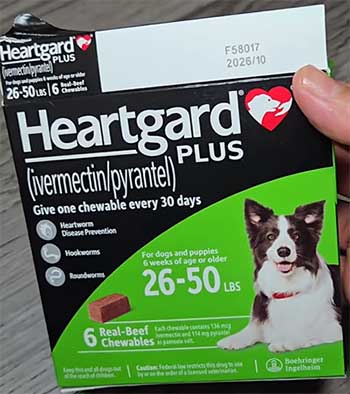
- The real-beef flavor often makes it the most palatable option—dogs treat it like a snack.
- Strong, long-standing reputation for heartworm prevention with ivermectin, backed by extensive use.
- Effective against the most common roundworms and hookworms that cause issues in puppies and adult dogs alike.
- Generally fewer reports of refusal, which means better compliance and consistent protection.
- Flexible for a wide range of dog sizes and ages starting at six weeks.
- Often positioned as a vet-favored choice due to its safety profile and ease of use.
My older dog loved the beef chew so much that he would practically beg for it. That enthusiasm meant I never skipped a dose, and his yearly heartworm tests always came back negative. The simplicity of knowing it targets the primary threats many dogs face keeps the routine stress-free.
Additional strengths include its track record of minimal side effects in most dogs and the fact that pyrantel pamoate acts locally in the gut with low systemic absorption. For households focused mainly on heartworm and basic intestinal parasites, it delivers reliable results without overkill.
Cons of Heartgard Plus
Even with its popularity, Heartgard Plus has limitations I consider when choosing for my dogs.
- It lacks coverage for whipworms, which can persist in the environment and cause recurring problems.
- No protection against tapeworms, so separate treatment might become necessary if fleas or raw diets introduce them.
- Some hookworm species receive less comprehensive control compared to milbemycin-based products.
- Ivermectin sensitivity in certain herding breeds (like Collies) requires genetic testing or alternative choices.
- Potential for mild vomiting or diarrhea in sensitive dogs, though rare.
- Does not address as many parasite types, which might mean additional dewormers in high-risk areas.
I remember one summer when whipworm eggs seemed prevalent in our local parks. Sticking with Heartgard Plus meant I needed an extra step for that specific worm, adding a bit of complexity.
For dogs with broad exposure risks, the narrower spectrum sometimes feels insufficient on its own.
Which One Might Suit You and Your Dog Better?
From my experience, choosing between them comes down to your dog’s specific risks and personality. If your pup loves to explore areas with potential for whipworms or tapeworms, or if you want to minimize multiple medications, Interceptor Plus offers that all-in-one appeal. Its chicken chew works well for many, though you might need to test acceptance.
On the other hand, if your dog devours beef-flavored treats and mainly needs solid heartworm plus common intestinal protection, Heartgard Plus delivers with excellent palatability and a trusted history. Many vets still recommend it as a go-to for its simplicity and effectiveness against core threats.
I have used both successfully at different stages. One dog thrived on Heartgard Plus for years with zero issues, while another benefited from Interceptor Plus during a period of higher parasite exposure. The key lies in talking with your veterinarian, who knows your dog’s health background, local risks, and any genetic factors.
Consistency trumps perfection. Pick the one your dog will take reliably every month, and pair it with regular testing and flea control for the best outcomes.
- What Happens To Dead Heartworms In Dogs?
This question comes up often when pet parents learn about prevention. Preventive medications like these kill larvae before they become adults, so you usually avoid large numbers of dying worms. In cases where treatment for existing adult heartworms occurs, the dead worms get carried by blood flow into the lungs.
The body gradually breaks them down and absorbs the remnants over weeks to months. Strict rest during this period helps prevent complications from fragments causing blockages or inflammation. Prevention avoids this drama altogether by stopping the cycle early.
Also Read: Comparison of Sentinel Spectrum And Simparica Trio.
Frequently Asked Questions (FAQ)
Neither is universally better—they each excel in different areas. Interceptor Plus provides wider parasite coverage including whipworms and tapeworms, while Heartgard Plus often wins on flavor and simplicity for core heartworm and basic worm protection. Your dog’s specific needs and vet advice determine the best fit.
Possible mild side effects include vomiting, diarrhea, lethargy, or reduced appetite. Rare neurological signs can occur in sensitive dogs. Always give after a negative heartworm test and monitor your pet closely after the first few doses.
Veterinarians often recommend products from the macrocyclic lactone class, with choices like Heartgard Plus, Interceptor Plus, or others such as Simparica Trio depending on the dog’s overall needs and local risks. No single product tops every list—consult your vet for personalized guidance.
In preventive use, larvae die early and get cleared by the immune system with minimal impact. For adult heartworm treatment, dead worms travel to the lungs where the body slowly dissolves and absorbs them over time. Activity restriction helps manage this process safely.
Final Thoughts
Choosing heartworm prevention feels like an ongoing conversation between you, your dog, and your veterinarian. I have learned that staying informed and observant makes all the difference in keeping tails wagging and hearts healthy.
Whether you lean toward the broader shield of Interceptor Plus or the palatable reliability of Heartgard Plus, the real win comes from monthly consistency and regular check-ups. You know your dog best—use that insight alongside professional advice to protect them effectively for years ahead.