
I have spent years keeping my dogs healthy and happy, and one topic that always comes up during vet visits is choosing the right heartworm prevention. I want to share my honest thoughts on Interceptor versus Interceptor Plus so you can decide what fits your dog best.
Both products come from a trusted maker and focus on stopping heartworm disease, but they differ in how much intestinal worm protection they offer.
In this article, I compare them head to head, walk through their features, and weigh the pros and cons so you feel confident picking the right one for your furry friend.
| Feature | Interceptor | Interceptor Plus |
| Active Ingredients | Milbemycin oxime only | Milbemycin oxime + Praziquantel |
| Heartworm Prevention | Yes | Yes |
| Roundworms | Controls adult | Treats and controls adult |
| Hookworms | Controls adult | Treats and controls adult |
| Whipworms | Controls adult (in dogs) | Treats and controls adult |
| Tapeworms | No | Treats and controls several species |
| Suitable For | Dogs and cats | Dogs only |
| Minimum Age/Weight | Dogs: 4 weeks & 2 lbs; Cats: 6 weeks & 1.5 lbs | Dogs: 6 weeks & 2 lbs |
| Form | Flavored tablets | Palatable chewables |
| Dosing Frequency | Monthly | Monthly |
After looking at that side-by-side view, the main choice comes down to whether you need extra tapeworm coverage or want something that also works for cats. Now let me walk you through everything I have learned from using these products and talking with my vet.
Key Differences Between Interceptor And Interceptor Plus
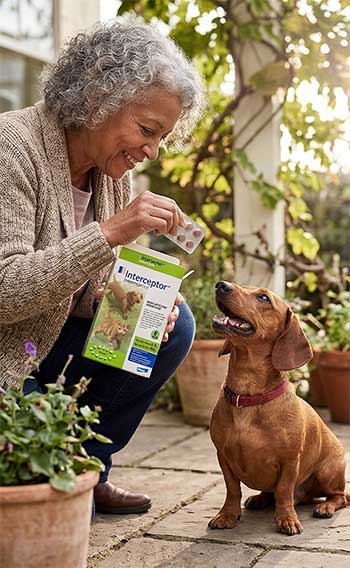
- Active ingredients set them apart right from the start. Interceptor relies solely on milbemycin oxime, which targets heartworm larvae and some intestinal worms effectively. Interceptor Plus adds praziquantel, which specifically knocks out tapeworms that dogs can pick up from fleas or eating infected animals. That extra ingredient makes Plus feel like a more complete package when I think about all the ways my dog could get exposed.
- Spectrum of protection feels noticeably broader with Plus. While both stop heartworms from developing, Plus handles roundworms, hookworms, whipworms, and multiple tapeworm species. Interceptor covers heartworms, roundworms, hookworms, and whipworms in dogs, but skips tapeworms entirely. If your area has lots of wildlife or your dog loves chasing rodents, that tapeworm protection gives me extra peace of mind.
- Species compatibility matters for multi-pet homes. I like that plain Interceptor works for both my dogs and cats, which simplifies life when I have mixed animals. Interceptor Plus stays limited to dogs, so cat owners need to stick with the original version or find another option.
- Age and weight starting points differ slightly. Interceptor lets you start puppies as young as four weeks if they weigh at least two pounds, and kittens even earlier in some cases. Plus begins at six weeks for dogs at two pounds or more. For very young litters, the original version offers a bit more flexibility.
- Form and palatability can influence how easy dosing becomes. Interceptor comes as flavored tablets that most dogs accept, but Interceptor Plus uses chewables that many owners, including me, find even more appealing to dogs. My pups treat the Plus version like a monthly snack rather than medicine, which reduces the wrestling match at dosing time.
- Targeted action against tapeworms changes the game for certain lifestyles. Dogs that spend time outdoors, hunt, or live with flea-prone environments benefit hugely from praziquantel. Without it, tapeworm segments can still show up in stool even if other worms stay under control.
Key Features of Interceptor
- Reliable heartworm prevention every single month. The milbemycin oxime works by paralyzing and killing heartworm larvae before they mature into dangerous adults that clog the heart and lungs. I give it year-round in my area because mosquitoes never fully disappear.
- Solid control over common intestinal worms. It handles adult roundworms that can cause vomiting and diarrhea in puppies, hookworms that suck blood and lead to anemia, and whipworms that irritate the large intestine. For many dogs, this level of coverage proves plenty.
- Safe option for cats as well as dogs. Having one product that works across species helps when I rotate preventives or manage a household with both.
- Starts early for young puppies. The ability to begin at four weeks gives breeders and new owners an early start on protection during that vulnerable first month.
- Simple monthly tablet form. No mess, no topical residue, and easy to hide in food if needed. The flavoring usually makes it straightforward.
- Proven track record over many years. Vets have prescribed it for a long time, and I appreciate that established safety data.
Pros of Interceptor

- Versatile for households with cats and dogs. One medication covers multiple pets, which saves money and shelf space. When you have both a dog and a cat in the house, you avoid buying and storing two separate products, making life simpler and your medicine cabinet less cluttered.
- Slightly earlier start for very young puppies. That four-week option helps when litters need protection right away. Puppies can be vulnerable in their first month, and starting early gives you confidence that heartworm larvae do not get a foothold during those critical early weeks.
- Fewer active ingredients might mean simpler profile for sensitive dogs. Some owners prefer sticking with just milbemycin oxime if their dog has reacted to other combinations in the past. With only one main ingredient, it can feel like a gentler choice when you want to keep things minimal.
- Effective baseline protection against major threats. Heartworms, roundworms, hookworms, and whipworms stay controlled without overkill for dogs that rarely encounter tapeworms. If your dog lives mostly indoors and has limited exposure to wildlife or fleas, this level of coverage often proves more than enough.
- Long history of use gives confidence. I feel comfortable knowing vets have relied on it for years with good results in many patients. That established track record makes it easier to trust when you are deciding what to give your dog every month.
- Often comes at a slightly lower cost point. When tapeworm risk stays low, you avoid paying for protection you may not need. Over a full year, the savings can add up, especially if you have multiple dogs or a tight budget for pet care.
- Easy to dose with standard tablet sizes. Color-coded packaging helps match weight ranges accurately. The tablets are straightforward to split when needed for precise dosing, and many dogs accept them when hidden in a favorite treat.
- No unnecessary extras for low-risk lifestyles. If your area has very few fleas or your dog does not hunt or roam, you are not paying for tapeworm control you will rarely use, which feels practical and efficient.
Cons of Interceptor
- No tapeworm coverage leaves a gap. If your dog eats fleas, rabbits, or mice, tapeworms can still become an issue and require separate treatment. Those rice-like segments can appear unexpectedly, forcing an extra vet visit or additional medication.
- May need additional dewormers periodically. Vets sometimes recommend extra products for full intestinal parasite control, which adds steps to your routine. Managing two or more medications each month can become frustrating and easy to forget.
- Tablet form can be harder for picky eaters. Some dogs refuse tablets even when flavored, leading to creative hiding attempts that do not always work. You might end up crushing them or mixing with strong-smelling food, which is not always convenient.
- Less comprehensive for outdoor or hunting dogs. Breeds that explore a lot pick up more parasite varieties, and this version does not address all of them. Active dogs that love the woods or fields can bring home tapeworms that stay unprotected.
- Whipworm control might feel less robust in heavy infestations. While it works, the added punch from Plus seems to keep counts lower in my experience. In areas where whipworms thrive in the soil, you may notice more breakthrough issues.
- Requires careful storage and handling of tablets. Unlike chewables, tablets can crumble or get lost more easily if dropped, and some dogs learn to spit them out after tasting the flavor.
- Limited appeal for dogs that dislike tablets. Picky or strong-willed dogs can make monthly dosing a battle, which adds unnecessary stress to what should be a quick routine.
Key Features of Interceptor Plus

- Broad-spectrum coverage in one convenient chew. It prevents heartworm disease while treating and controlling five different adult worm types: roundworms, hookworms, whipworms, and tapeworms. That all-in-one approach reduces the need for separate deworming treatments.
- Praziquantel adds powerful tapeworm control. This ingredient targets tapeworms from fleas (Dipylidium caninum) and from wildlife (Taenia and Echinococcus species). I notice fewer surprise tapeworm segments when using Plus.
- Palatable chewable texture dogs actually enjoy. Many dogs gobble it up willingly, which makes monthly routines smoother and less stressful for everyone.
- Effective against whipworms that can be stubborn. Whipworms often hide in the environment and cause chronic issues; Plus keeps them in check month after month.
- Starts at six weeks for puppies weighing two pounds or more. Still early enough for most new owners, and the chew form works well once puppies reach that stage.
- Monthly dosing keeps protection consistent. Just like the original, it requires year-round use in endemic areas, but the extra parasites it controls make the routine feel more worthwhile.
Pros of Interceptor Plus

- Wider protection reduces overall parasite worry. Covering tapeworms alongside the others means fewer surprises during fecal exams. I sleep better knowing my dog has broader defense against the most common worms vets see.
- Chewable format makes administration simple. My dogs see it as a treat, so I never fight to give the dose. That positive experience turns a chore into something quick and even enjoyable for them.
- Handles multiple tapeworm species effectively. From flea-transmitted to those from wild game, it knocks them out. This is especially helpful in rural areas or during flea season when tapeworm risk spikes.
- Convenient all-in-one monthly solution. Less chance of forgetting separate treatments when everything sits in one chew. You open one package, give one chew, and move on with your day.
- Strong whipworm and roundworm control. These worms can be tough to eliminate from the yard; monthly Plus keeps reinfection lower. I have seen cleaner fecal test results since switching to the Plus version.
- Vet-recommended for comprehensive care. Many veterinarians reach for Plus first because it addresses the most common threats in one product. That professional endorsement gives extra reassurance.
- Tastes good enough that dogs look forward to it. That positive association makes the whole preventive routine smoother. Some dogs even wag their tails when they see the packaging.
- Reduces the need for extra deworming treatments. Because it covers so many intestinal parasites, you often avoid buying or giving additional medications throughout the year, saving time and money in the long run.
- Better suited for dogs with active outdoor lifestyles. If your dog hikes, hunts, or spends time in parks where other animals roam, the added tapeworm protection matches their real-world exposure levels.
Cons of Interceptor Plus
- Dogs only, so cat owners need another option. In multi-species homes, you end up managing two different products. This can complicate routines and increase the chance of mixing up medications.
- Slightly later start age for puppies. The six-week minimum means very young pups might need the original version briefly. That short gap can feel inconvenient for new puppy owners who want seamless protection.
- Extra ingredient could matter for dogs with specific sensitivities. Though rare, adding praziquantel means one more compound to monitor. If your dog has a history of sensitivities, you may want to discuss this with your vet first.
- Potentially higher cost than the basic version. You pay for the broader spectrum even if tapeworm risk stays minimal in your area. Over twelve months, the difference can feel noticeable on a budget.
- Not needed for every lifestyle. Indoor dogs with low flea exposure might do fine without the tapeworm component. In those cases, the extra coverage can feel like paying for something you will not use.
- Requires consistent monthly use for full benefit. Missing doses can open windows for any of the five parasites. The broader protection only works if you stay diligent every month.
- Larger chew size for bigger dogs. While palatable, the chewables for large breeds can be bulky, and some dogs still need them broken up or hidden in food.
When I weigh everything, I lean toward Interceptor Plus for most active dogs because the extra coverage feels worth it. Still, if you have cats or a very low-risk environment, the original Interceptor works beautifully and keeps things simple.
Talk with your vet about your dog’s habits, location, and any past reactions before deciding. Both options beat dealing with heartworm disease or heavy worm loads later.
Also Read: Comparison of Simparica Trio And Interceptor Plus.
Frequently Asked Questions (FAQ)
Interceptor uses only milbemycin oxime for heartworms plus some intestinal worms, while Plus adds praziquantel for tapeworms too, and works only for dogs.
No, it prevents heartworm disease and also treats and controls adult roundworms, hookworms, whipworms, and tapeworms.
The body gradually breaks them down and reabsorbs them over weeks to months, which is why vets recommend strict rest after any adult heartworm treatment to avoid complications from fragments.
Veterinarians generally consider FDA-approved monthly preventives like Interceptor Plus very safe when used as directed after a negative heartworm test; always follow your vet’s recommendation based on your dog’s health.
Final Thoughts
I hope sharing my experiences helps you feel more informed when you sit down with your own vet. Protecting your dog from heartworms and intestinal parasites does not have to feel overwhelming once you understand the options clearly.
Choose based on your dog’s daily life, and you will both enjoy many healthy years together.