
I have spent years keeping my own dogs healthy and parasite-free, and nothing stresses me out more than worrying about heartworms, fleas, or nasty intestinal worms sneaking up on them.
When my vet first mentioned Sentinel and Sentinel Spectrum as monthly preventatives, I dug in hard to figure out which one made sense for my crew.
The main intent here is to walk you through a clear, honest comparison so you can decide what fits your dog’s lifestyle best—without the confusion.
Both products come from a trusted line and focus on protecting against heartworm disease while tackling fleas and several worms, but they differ in scope and details that matter in real life.
| Feature | Sentinel (Flavor Tabs) | Sentinel Spectrum |
| Active Ingredients | Milbemycin oxime + Lufenuron | Milbemycin oxime + Lufenuron + Praziquantel |
| Heartworm Prevention | Yes | Yes |
| Flea Control | Prevents eggs from hatching | Prevents eggs from hatching |
| Roundworms | Yes (adult) | Yes (adult) |
| Hookworms | Yes (adult) | Yes (adult) |
| Whipworms | Yes (adult) | Yes (adult) |
| Tapeworms | No | Yes (multiple species, including Echinococcus) |
| Minimum Age | 4 weeks | 6 weeks |
| Minimum Weight | 2 lbs | 2 lbs |
| Form | Flavor tabs (pork liver) | Tasty chews (beef & bacon) |
| Administration | Monthly with food | Monthly with food |
| Extra Benefits | Earlier puppy use | Broader worm coverage |
Key Differences Between Sentinel And Sentinel Spectrum
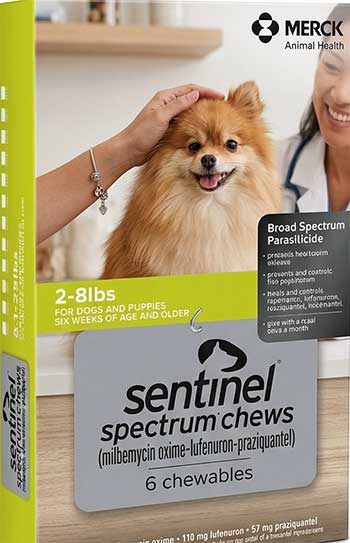
- Extra Protection Layer in Spectrum: I noticed right away that Sentinel Spectrum adds praziquantel, which targets tapeworms that the original Sentinel skips. In my experience, dogs that scavenge or hunt can pick up tapeworms more easily, so that extra ingredient gives real peace of mind.
- Age Suitability for Puppies: Sentinel lets you start as early as 4 weeks old, which helped when my youngest pup needed protection sooner. Spectrum waits until 6 weeks, but the trade-off comes with wider coverage once they hit that mark.
- Taste and Acceptance: My dogs gobble down the beef-and-bacon flavored Spectrum chews like treats, while the pork-liver tabs sometimes need a bit more hiding in food. That small difference reduces the daily battle at pill time.
- Worm Coverage Depth: Both handle roundworms, hookworms, and whipworms well, but Spectrum treats and controls additional tapeworm species. If your area has higher tapeworm risk from fleas or wildlife, this stands out as a practical upgrade.
- Flea Strategy: Neither kills adult fleas outright—they both stop eggs from developing into adults, breaking the cycle over time. I pair them with an adulticide when fleas show up, but the lufenuron in both keeps reinfestation from exploding.
- Heartworm Reliability: Both prevent heartworm disease caused by Dirofilaria immitis with monthly dosing, provided you test first and stay consistent. I have never had a breakthrough with either when used year-round in mosquito season.
Key Features of Sentinel
- Core Heartworm Shield: Milbemycin oxime knocks out heartworm larvae before they mature, giving solid monthly protection that I trust in endemic areas.
- Flea Egg Control: Lufenuron interrupts the flea life cycle at the egg stage, so even if a few adults hop on, they cannot build a home infestation easily.
- Intestinal Worm Control: It handles adult roundworms, hookworms, and whipworms, reducing the chance of those silent health drains that affect energy and digestion.
- Puppy-Friendly Start: Safe from 4 weeks, which gives early starters an edge for very young litters or small breeds.
- Simple Monthly Routine: Given with a meal for best absorption, and the pork-liver flavor works for many dogs without much fuss.
- Proven Track Record: I appreciate that it focuses on core threats without unnecessary extras, keeping the formula straightforward and gentle for sensitive systems.
Pros of Sentinel
I have relied on the original Sentinel for years in situations where simplicity and early puppy protection mattered most, and it consistently delivered where it counted. The two-ingredient formula never felt overwhelming, and the early start age gave me flexibility I valued.

- Early Puppy Protection Window: You can begin giving Sentinel as soon as your puppy reaches 4 weeks old and weighs at least 2 pounds. That head start mattered hugely when I adopted a litter of young rescues—those first few weeks are when parasites can strike hardest, and having a safe option ready reduced my worry level dramatically.
- Simple Two-Ingredient Formula: With only milbemycin oxime and lufenuron, the product stays straightforward. I appreciate this for dogs that already take other meds or have sensitive systems because fewer components often translate to smoother tolerance month after month.
- Reliable Heartworm Prevention: The milbemycin oxime effectively stops heartworm larvae from maturing. In my experience, staying consistent with monthly dosing in mosquito-heavy seasons has kept every heartworm test negative, giving real confidence during annual vet visits.
- Effective Flea Egg Control: Lufenuron breaks the flea life cycle by preventing eggs from developing. Even when a few adult fleas hitch a ride from the yard, the population never exploded in my home thanks to this steady background work paired with basic cleaning.
- Solid Control of Common Intestinal Worms: It handles adult roundworms, hookworms, and whipworms well. I have watched my dogs avoid the usual signs of worm burden—loose stools, dull coats, or low energy—when using Sentinel regularly.
- Often More Budget-Friendly: Because it skips the tapeworm ingredient, Sentinel frequently costs a bit less per dose. Over a full year for multiple dogs, those savings feel meaningful without cutting corners on core heartworm and flea prevention.
- Compact Pork-Liver Flavor Tabs: The small size makes them easy to hide in food for tablet-shy dogs. Most of my crew accepted the mild liver taste when mixed with wet food or a favorite treat, keeping dosing quick and drama-free.
- Proven Long-Term Track Record: After using it across puppies, adults, and seniors, I trust its reliability. It fits neatly into routines and has never caused issues when given with a meal as recommended.
Cons of Sentinel
- Lacks tapeworm coverage, so I sometimes need a separate dewormer if exposure risk spikes from fleas or hunting behavior.
- The flavor tabs can be less enthusiastically accepted than chews, requiring creative hiding tricks on tough days.
- Does not treat as many worm species overall, which might mean extra vet visits or products in high-risk environments.
- Still requires pairing with an adult flea killer during active infestations since it only targets eggs and larvae.
- Minimum age of 4 weeks is great, but for some very small or fragile neonates, even that window needs careful vet guidance.
- In areas with heavy tapeworm pressure, you might feel like you are patching protection rather than covering everything in one dose.
Key Features of Sentinel Spectrum
- Broad-Spectrum Worm Defense: The added praziquantel brings tapeworm control into the mix, covering species that come from fleas or raw prey—something I value for active outdoor dogs.
- Same Strong Heartworm Prevention: Milbemycin oxime delivers the same reliable larval kill, maintaining full monthly coverage against heartworm disease.
- Enhanced Flea Prevention: Lufenuron still stops flea eggs cold, helping control populations even in homes with multiple pets or yard exposure.
- Tasty Chew Format: Beef and bacon flavors make it more palatable for picky eaters, turning prevention into something my dogs actually look forward to.
- Comprehensive Intestinal Coverage: It treats and controls roundworms, hookworms, whipworms, plus tapeworms, giving one product more muscle against common gut parasites.
- Hydrolyzed Protein Option in Some Formulations: Some versions use hydrolyzed proteins, which can suit dogs with food sensitivities better than standard options.
- Monthly Convenience with Meal: Administered once a month with food, it fits easily into routines while ensuring proper uptake of the lufenuron component.
Pros of Sentinel Spectrum

Switching many of my dogs to Sentinel Spectrum felt like upgrading to a more complete shield, especially as they grew older and faced varied outdoor risks. The added ingredient and better taste made a noticeable difference in both protection and daily ease.
- Broadest Worm Coverage in One Dose: The inclusion of praziquantel brings tapeworm protection that the original version lacks. I no longer worry as much about fleas transmitting tapeworms or my dogs picking them up while exploring—everything from common species to more specific ones gets addressed monthly.
- Highly Palatable Beef and Bacon Chews: My dogs treat these like snacks rather than medicine. The flavor is genuinely appealing, which eliminated the hiding games I sometimes played with tabs and made compliance effortless even for my fussier eaters.
- Comprehensive Parasite Defense: You get heartworm prevention, flea egg control, plus control of roundworms, hookworms, whipworms, and multiple tapeworms all in one chew. This all-in-one approach simplified my cabinet and reduced the chance of missing any key threats.
- Strong Heartworm Reliability: Milbemycin oxime delivers the same dependable larval kill as the original, so I maintain full confidence during heartworm season without changing my routine.
- Effective Long-Term Flea Population Control: Lufenuron continues to prevent flea eggs from hatching, helping keep home infestations in check. When paired with occasional environmental cleaning, it has kept my dogs comfortable year after year.
- Modern Chew Format for Easier Dosing: The soft, tasty texture works better for most dogs than hard tabs. Even my senior dogs with dental sensitivities managed them comfortably, turning prevention time into a positive moment.
- Peace of Mind for Active Lifestyles: For dogs that hike, swim, or live in rural areas with wildlife, the extra tapeworm coverage removes a layer of stress. I feel better knowing we are closing more gaps with every dose.
- Hydrolyzed Protein Options in Some Versions: Certain formulations use hydrolyzed proteins, which helped when one of my dogs showed mild food sensitivities—making Spectrum more adaptable than many alternatives.
Cons of Sentinel Spectrum
- Starts at 6 weeks instead of 4, so very young puppies might need the original Sentinel or another option temporarily.
- Usually costs a bit more because of the extra ingredient and broader claims.
- Like its counterpart, it does not kill adult fleas, so heavy infestations still call for a fast-acting adulticide alongside it.
- Some dogs with extreme sensitivities might need monitoring when introducing the three-ingredient formula.
- Requires consistent monthly use with food for full effectiveness, especially the lufenuron part.
- In rare cases of high microfilariae loads, mild reactions can occur, though this applies to heartworm preventatives in general.
When I weigh everything for my own dogs, Sentinel works beautifully for younger pups or when budgets lean tighter and tapeworm risk stays low. Spectrum has become my go-to for most adult dogs because that extra tapeworm shield plus better taste makes daily life simpler and protection more complete.
Neither replaces good yard maintenance, regular grooming, or vet check-ups, but both give strong foundations against the parasites that can quietly harm health and happiness.
You might wonder how these stack up against other popular options like NexGard or NexGard Spectra. NexGard focuses heavily on killing adult fleas and various ticks quickly, while NexGard Spectra adds heartworm and intestinal worm prevention through milbemycin oxime.
If your main worry is fast flea and tick knockdown with some worm coverage, Spectra edges ahead there, but Sentinel products shine when flea egg control and broad deworming sit higher on your list.
I have rotated based on seasons and exposure—using Sentinel Spectrum in heartworm-heavy months and layering tick-specific products when needed. The choice always comes back to your dog’s age, lifestyle, local risks, and what your vet sees in bloodwork and exams.
Also Read: Differences Between NexGard Plus And Simparica Trio.
Frequently Asked Questions (FAQ)
Sentinel Spectrum adds praziquantel for tapeworm coverage and uses tasty chews, while original Sentinel starts at a younger puppy age and skips tapeworms.
No, Sentinel Spectrum remains available and actively supported as a current product for parasite prevention in dogs.
NexGard Spectra is generally better if you want heartworm and intestinal worm protection added to flea and tick control; plain NexGard excels at rapid adult flea and tick kill but lacks the internal parasite coverage.
Yes, it serves as an effective monthly preventative against heartworm, flea reproduction, and multiple intestinal worms when given consistently with food and after a heartworm test.
Final Thoughts
Ultimately, both Sentinel and Sentinel Spectrum deliver dependable monthly protection that has kept my dogs energetic and symptom-free for years.
You know your pup best—talk through the details with your veterinarian, factor in taste preferences, age, and parasite prevalence in your area, and pick the one that feels like the smartest fit. Consistent use matters more than perfection, and either choice puts you ahead in the fight against invisible threats.