
I spent months weighing redwood against cedar for outdoor living spaces, and the choice never felt simple.
Both woods deliver natural beauty and solid performance, yet they differ in ways that directly affect how your deck looks, feels, and holds up over years of use.
In this article I break down the real differences in hardness, cost, color, maintenance, and longevity so you can match the right material to your climate, budget, and how you actually use your outdoor space.
| Feature | Redwood | Cedar (Western Red) |
| Janka Hardness | Around 450 lbf | Around 350 lbf |
| Typical Cost per Sq Ft | $8–$12 (materials) | $5–$9 (materials) |
| Natural Color | Deep reddish-brown | Lighter golden to reddish tones |
| Rot & Insect Resistance | Excellent (higher tannins) | Excellent (thujaplicins) |
| Expected Lifespan | 20–30 years with care | 15–25 years with care |
| Weight | Lightweight softwood | Slightly lighter softwood |
| Availability | Limited, strongest on West Coast | Widely available nationwide |
| Maintenance Frequency | Seal every 2–4 years | Seal every 2–3 years |
| Feel Underfoot | Comfortable, stays relatively cool | Cool and soft under bare feet |
Key Differences between Redwood And Cedar Decking
- Appearance and Color Tones
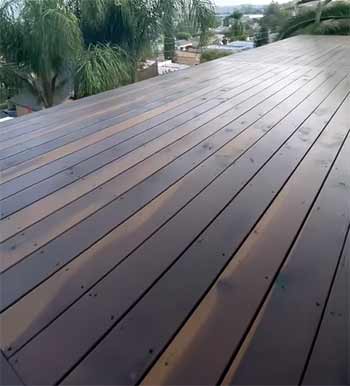
Redwood arrives with a richer, deeper reddish-brown that feels warm and substantial the moment you lay the boards.
The grain tends to run straighter and tighter in higher grades, giving the surface a refined look that many people associate with high-end outdoor spaces.
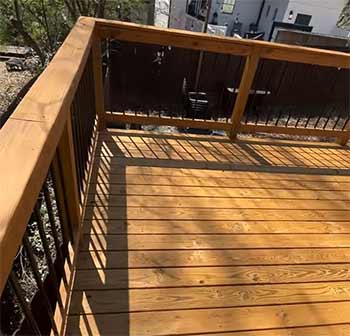
Cedar starts lighter—often a soft golden, pinkish, or yellowish-brown that brightens a patio or backyard.
Its grain can show more variation and occasional knots depending on the grade, which creates a more casual, organic feel.
If you leave either wood unfinished, both eventually weather to a silvery gray, but redwood holds its original warmth longer before the shift becomes obvious.
The color difference matters most when you want the deck to coordinate with house trim, furniture, or landscaping.
Redwood leans toward classic and bold; cedar feels lighter and more adaptable to modern or rustic designs.
In practice I have watched redwood decks keep a richer tone for several extra seasons compared with cedar under the same sun exposure, simply because the deeper pigments and higher extractive content slow the bleaching process.
Also Read: Decking Materials Calculator: Complete Square Footage & Cost Estimator.
- Density and Surface Hardness
Redwood measures roughly 450 on the Janka scale while Western red cedar sits near 350.
That gap means redwood resists dents and surface marks better when chairs scrape, kids drop toys, or pets dig their claws.
Cedar’s softer surface shows wear faster in high-traffic zones, yet that same softness makes it feel gentler under bare feet and quieter when you walk across it.
Both remain softwoods, so neither matches the toughness of tropical hardwoods, but the difference between the two shows up clearly after a few seasons of regular use.
I have walked on both types side by side on the same property and the redwood simply felt more solid under heavy furniture legs while the cedar still invited barefoot use on hot afternoons because it stayed cooler and more forgiving.
- Natural Protective Oils and Extractives
Both woods rely on natural chemicals rather than factory treatments.
Redwood heartwood carries higher levels of tannins that discourage insects and slow fungal growth.
Cedar depends on thujaplicins, a different group of compounds that also repel rot and bugs effectively.
In real-world conditions the edge usually goes to redwood heartwood, especially older growth material, because the concentration of protective substances runs higher.
Second-growth redwood and lower-grade cedar both lose some of that advantage, which is why grade selection matters as much as the species name itself.
When I talk with homeowners who live in humid or coastal areas, the ones who chose higher-heartwood redwood report fewer soft spots after a decade compared with those who used mixed-grade cedar.
- Cost and Regional Availability
Cedar wins on price and access almost everywhere outside California and the Pacific Northwest. Material costs for cedar decking typically run $5 to $9 per square foot depending on grade, while redwood often starts at $8 and climbs past $12 for clear heart grades.
Outside the West Coast the price gap widens further because redwood must travel farther and supply stays tighter. Cedar shows up at nearly every lumberyard in the country, which simplifies planning and reduces freight surprises.
If your project sits in the Midwest or East, the extra shipping and limited selection for redwood can push the total cost higher than the raw board price suggests. I have seen budgets stretch uncomfortably when someone insisted on redwood without first checking local inventory and freight quotes.
- Dimensional Stability and Movement
Both woods stay relatively stable compared with many softwoods, yet redwood often edges out cedar in resistance to cupping and twisting once installed. The denser cell structure and extractive content help redwood hold its shape through wet-dry cycles.
Cedar still performs well when properly fastened and spaced, but boards can show more seasonal movement in extreme climates. Proper installation—correct gapping, quality fasteners, and good ventilation underneath—matters more than the species difference for either material.
Still, if you live where summers are intensely dry and winters wet, the slight stability advantage of redwood can reduce the number of boards that need adjustment years later.
Also Read: Comparison of AZEK And TimberTech Decking.
Key Features of Redwood Decking
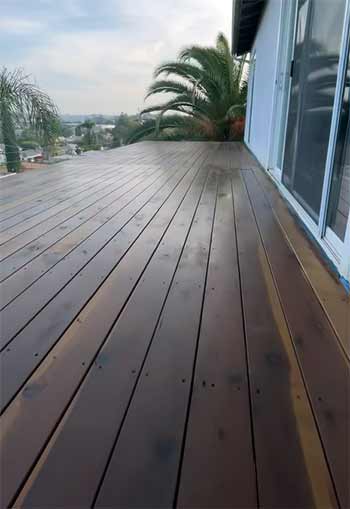
- Rich Color and Premium Grain The signature deep red-to-brown tones of redwood create an immediate visual impact. Higher grades display tight, straight grain with minimal knots, which gives a clean, furniture-quality appearance that many homeowners want for elevated or highly visible decks. Even construction grades keep enough of that color character to look more refined than most softwoods. Over time the wood can be left to silver or refreshed with clear or lightly tinted finishes that let the natural color show through. The color consistency across a well-selected batch of boards makes it easier to achieve a uniform look without heavy staining.
- Natural Durability from Tannins Heartwood redwood contains high concentrations of tannins that act as built-in protection against decay fungi and many wood-boring insects. This resistance allows the material to perform outdoors for decades when installed correctly and given basic care. Old-growth material once offered the highest protection, but today’s second-growth heartwood still outperforms most untreated softwoods. The protection is strongest in the darker heartwood; boards with large amounts of lighter sapwood lose much of that advantage and need more diligent sealing.
- Comfortable Underfoot Temperature Despite its greater density compared with cedar, redwood remains a softwood and does not heat up as aggressively as many denser hardwoods or dark composites. On sunny days the surface stays walkable in bare feet longer than you might expect. Combined with the natural oils that keep the wood from becoming overly brittle, this quality makes redwood pleasant for lounging and entertaining spaces.
- Workability with Standard Tools Redwood cuts, drills, and fastens cleanly with ordinary carpentry tools. It is light enough that long boards stay manageable for two people, which lowers labor time and fatigue during installation. The wood accepts screws and nails without excessive splitting when proper techniques are used, and it sands smoothly when boards need touching up later.
- Strong Span Performance The strength-to-weight ratio of redwood supports typical residential deck spans without excessive deflection when framed correctly. Builders often appreciate that the material holds fasteners well and maintains stiffness better than softer options under concentrated loads such as hot tubs or outdoor kitchens.
Pros of Redwood Decking
- Superior Surface Hardness for High-Traffic Areas The higher Janka rating translates into fewer dents from furniture, heels, and daily activity. On decks that see heavy use—entertaining, children’s play, frequent moving of chairs—the difference becomes noticeable after only a couple of seasons. Boards stay flatter and cleaner-looking longer, reducing the frequency of sanding or board replacement.
- Longer Potential Service Life With proper heartwood selection and regular sealing, redwood decks commonly reach 20 to 30 years. The combination of density and extractive content slows the progress of surface checking and internal decay more effectively than softer alternatives in many environments. Homeowners who invest in quality grades and consistent maintenance often report the deck still looking solid well into its third decade.
- Distinctive Premium Appearance The deep color and refined grain give redwood an upscale character that elevates the entire outdoor living space. It pairs especially well with stone, metal, and modern architecture where a richer wood tone is desired. Even as it weathers, the silvering process produces an elegant gray that many people prefer over the lighter gray of cedar.
- Strong Resistance to Insects and Decay Tannin levels in good heartwood discourage termites and other wood-destroying organisms more reliably than many competing softwoods. In regions with active insect pressure this natural defense reduces the risk of hidden damage that can compromise structural boards years later.
- Dimensional Stability That Reduces Long-Term Adjustments Boards move less through seasonal moisture cycles, which keeps gaps consistent and fasteners secure. Less cupping and twisting means fewer callbacks for builders and fewer maintenance headaches for owners.
Cons of Redwood Decking
- Higher Upfront Cost Material prices sit noticeably above cedar in most markets, and the gap grows when clear or all-heart grades are specified. Freight costs outside the western United States can add further expense. For large decks the difference can amount to several thousand dollars before labor is even considered.
- Limited Availability Outside Core Growing Regions Outside California and the Pacific Northwest, inventory can be thin or nonexistent at local yards. Ordering from specialty suppliers introduces lead times and shipping variables that complicate project schedules. Substitutions or mixed grades sometimes become necessary when exact specifications cannot be met.
- Softwood Limitations Despite Higher Density Even though denser than cedar, redwood still dents more easily than tropical hardwoods or many composites. Dropped tools, heavy planters, or aggressive furniture movement will leave marks. Homeowners expecting the toughness of ipe will be disappointed.
- Potential Tannin Staining with Ordinary Fasteners The same tannins that protect the wood can react with standard galvanized fasteners and produce black stains. Stainless steel or specially coated fasteners are recommended, which raises hardware costs slightly.
- Environmental and Supply Considerations with Higher Grades Premium old-growth material is no longer widely available, and second-growth heartwood still carries a higher environmental and price premium. Some buyers prefer to avoid the species for sustainability reasons even when the wood is certified.
Also Read: Comparison of TimberTech And Trex Decking.
Key Features of Cedar Decking
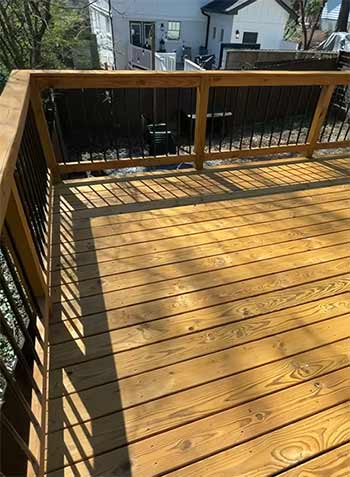
- Lightweight and Easy Handling Western red cedar ranks among the lightest common decking woods. Boards are easy to lift, position, and cut, which makes the material popular for DIY projects and for crews working on elevated or hard-to-reach structures. The lower weight also reduces structural load on the framing, which can matter for older homes or long-span designs.
- Pleasant Natural Aroma and Soft Feel Freshly cut cedar releases a distinctive spicy scent that many people enjoy during installation and for the first seasons afterward. The soft surface feels gentle under bare feet and stays cooler in direct sun than denser woods. These tactile qualities turn the deck into a more inviting place to sit or walk without shoes.
- Consistent Availability Across Grades Cedar is produced in large volumes and stocked widely, so you can usually find everything from knotty construction grades to clear vertical-grain boards without long waits. This variety lets you match appearance and budget more flexibly than with redwood in most markets.
- Good Natural Resistance Without Chemicals Cedar’s thujaplicin oils give solid protection against rot and insects without the need for pressure treatment. The material can be left unfinished in many climates and still last well, although color will shift to gray. When sealed, the wood maintains both appearance and structural integrity for many years.
- Excellent Stain and Finish Acceptance The lighter base color of cedar takes both clear sealers and pigmented stains evenly. Homeowners who want to shift the tone toward darker browns or keep a bright golden look find cedar more forgiving than deeper-colored redwood when applying finish.
Pros of Cedar Decking
- Lower Material Cost and Wider Access Cedar remains the more budget-friendly natural-wood option for most of the country. You can source it quickly, compare grades easily, and keep the overall project cost under control without sacrificing the look of real wood. This accessibility makes it practical for both full-size decks and smaller projects such as landings or steps.
- Soft, Cool Surface Ideal for Barefoot Use The lower density keeps the boards cooler in summer sun and more comfortable underfoot. Families with children or people who like to walk outside without shoes often prefer the feel of cedar over harder woods. The surface also produces less noise underfoot, which can matter on elevated decks near living spaces.
- Straightforward Installation for DIY and Professionals Light weight and clean cutting properties speed up installation. Boards are easy to handle on scaffolding or tight sites, and standard tools work well. The material forgives minor mistakes better than denser woods that are harder to adjust once fastened.
- Attractive Lighter Tones That Suit Many Design Styles The golden-to-pinkish range works with both traditional and contemporary homes. It accepts a wide range of stains, so you can shift the final color without fighting a deep natural base. The more casual grain character also blends well with informal landscaping.
- Proven Longevity When Maintained A well-built and regularly sealed cedar deck routinely lasts 15 to 25 years. In milder climates or covered locations the lifespan can stretch further. The natural oils continue to provide baseline protection even if maintenance schedules occasionally slip.
Cons of Cedar Decking
- Greater Susceptibility to Surface Wear The lower Janka hardness means dents, scratches, and surface erosion appear sooner in busy areas. High-traffic paths, areas under outdoor dining sets, and spots where pets play show wear more quickly than equivalent redwood surfaces. Over time the boards can develop a more uneven texture that requires sanding to restore smoothness.
- More Frequent Color Maintenance Cedar fades and grays relatively quickly under strong ultraviolet light. To keep the original warm tones you need to reseal or restain every two to three years in most climates. Skipping this step produces a gray deck that still functions but loses the fresh appearance many owners want.
- Slightly Shorter Average Service Life in Harsh Conditions In very wet, humid, or high-insect environments cedar can show soft spots or surface degradation sooner than higher-grade redwood. The difference is not dramatic when both woods receive equal care, yet it becomes measurable after 15-plus years of exposure.
- Potential for More Seasonal Movement Although still stable by softwood standards, cedar can cup or check more readily than redwood when moisture cycles are extreme. Proper spacing, ventilation, and fastening reduce the risk, but the material demands careful detailing in challenging climates.
- Soft Surface Can Hold Dirt and Stains More Readily The more open grain and softer fibers sometimes allow dirt and organic stains to settle deeper. Regular cleaning helps, yet the wood may require more effort to keep looking pristine compared with denser alternatives.
Also Read: Comparison of Fiberon And TimberTech.
Frequently Asked Questions (FAQ)
Redwood edges out on hardness and potential longevity, especially in heartwood grades. Cedar wins on cost, availability, and softer feel. The better choice depends on budget, location, and traffic level.
It dents more easily, fades faster to gray, and may need more frequent sealing to keep its original color. In very harsh wet climates its service life can run a few years shorter than premium redwood.
Higher price, limited availability outside the West Coast, and the need for stainless or coated fasteners to avoid tannin stains. It remains a softwood and will still show dents under heavy use.
No single wood wins every category. For natural softwood decks, high-grade redwood offers the strongest combination of durability and appearance where available and affordable; cedar provides the best balance of cost and performance for most other locations. Tropical hardwoods last longer but cost more and require different installation practices.
Wrapping Up
In the end you have two excellent natural options that both outperform ordinary treated lumber in appearance and chemical-free resistance.
I recommend starting with your local supply, walking across sample boards in person, and calculating total cost including freight and long-term sealing rather than board price alone.
Once you match the wood’s real strengths to the way you will use the space, either redwood or cedar can give you a deck that feels good underfoot and looks right for years.