
I spent years building and living with decks made from both Fiberon and TimberTech, testing them under real weather, foot traffic, and daily family use.
This article shares the practical differences I noticed so you can decide which composite decking better fits your budget, climate, and style preferences without the usual marketing noise.
| Feature | Fiberon | TimberTech |
| Material Type | Wood-plastic composite + some full PVC lines | Wood-plastic composite + premium full PVC (AZEK) |
| Capping | 3-sided on many lines, 4-sided on higher ends | 4-sided on nearly all lines |
| Price Range | Mid-range, strong value | Premium, higher upfront cost |
| Warranty (top lines) | Up to 50-year fade & stain | Up to 50-year fade & stain + lifetime product on PVC |
| Color & Texture Options | Broad, realistic grains | Extensive, highly natural multi-tone looks |
| Recycled Content | Very high (often 90%+) | High (up to 85%) |
| Scratch Resistance | Good on mid/premium; varies by collection | Excellent especially on Advanced PVC |
| Heat Retention | Noticeable in dark colors | Noticeable in dark colors |
| Best For | Balanced performance and cost | Maximum durability and aesthetics |
Key Differences Between Fiberon and TimberTech
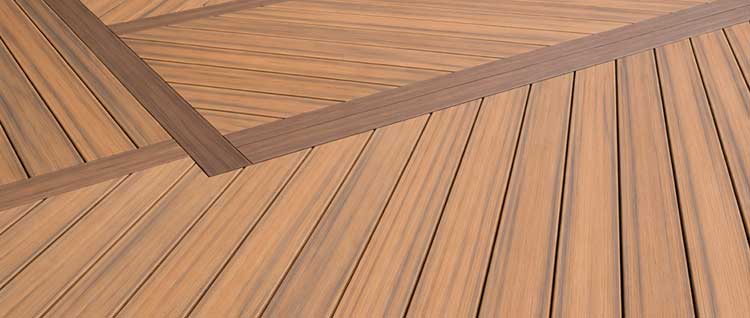
- Material Makeup and Core Construction Fiberon builds most of its boards from a blend of recycled wood fibers and plastic, then wraps them in a protective polymer cap. On its entry and mid-tier collections the cap usually covers three sides, leaving the bottom open. Higher lines such as Symmetry and Concordia switch to full four-sided protection. TimberTech takes a similar composite route on its Pro and Terrain lines but pushes further with its Advanced PVC boards that contain no wood fiber at all. Those pure polymer boards feel lighter in the hand and shrug off moisture more completely. When I stacked samples side by side after a wet season, the TimberTech PVC edges stayed cleaner while some lower Fiberon boards showed slight darkening at the cut ends if they had been left unprotected.
- Protection Against the Elements Both brands fight fading, staining, and mold, yet the way they do it differs. Fiberon’s capstock does a solid job blocking UV and spills, and its higher collections hold color well for years. TimberTech’s four-sided wrap and denser surface formula give it an edge in places that stay damp or see heavy leaf litter. I noticed that after two seasons of constant shade and morning dew, the TimberTech boards needed less scrubbing to stay bright. Fiberon still performed respectably, especially the four-sided options, but the difference became clearer the longer the boards sat in humid conditions.
- Aesthetic Range and Surface Feel Fiberon offers a wide palette of browns, grays, and multi-tone options that look convincingly like real wood from a few steps away. The grain patterns feel natural under bare feet. TimberTech, particularly the Advanced PVC and Legacy collections, pushes the realism further with deeper embossing and more varied color streaking that mimics reclaimed or weathered lumber. When guests walked onto a TimberTech deck I installed, several asked if it was actual hardwood until they felt the smooth, splinter-free surface. Fiberon can achieve a similar effect on its premium lines, but TimberTech generally wins the closest-inspection test.
- Pricing Structure and Long-Term Cost Fiberon positions itself as the smarter spend for most homeowners. You can outfit a typical backyard deck for less money without sacrificing core performance. TimberTech commands a higher price, especially once you move into the full PVC boards. Over a decade the gap can narrow because both require almost no staining or sealing, yet the initial outlay still favors Fiberon if budget is tight. I tracked material costs on two similar-sized projects and found Fiberon saved roughly fifteen to twenty percent before labor.
- Warranty Length and Coverage Details Both companies stand behind their products with multi-decade promises. Fiberon offers twenty-five to fifty years of fade and stain protection depending on the collection. TimberTech matches that on its top lines and adds lifetime limited product coverage on the Advanced PVC series. In practice I have seen both brands honor claims for manufacturing defects, though TimberTech’s paperwork sometimes felt a bit more straightforward when a rare surface issue appeared.
Key Features of Fiberon Decking
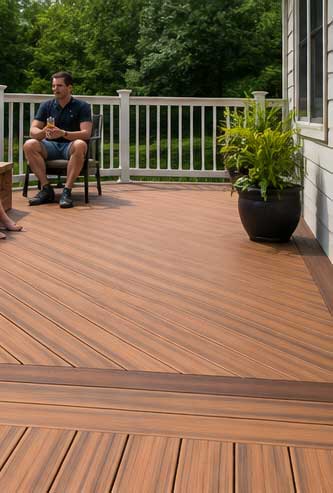
- Collection Variety That Fits Different Budgets Fiberon spreads its lineup across several tiers so you are never forced into an all-or-nothing choice. Good Life serves as the accessible starting point with solid color options and reliable performance. Sanctuary and Concordia step up the realism and protection. Symmetry and the full PVC Promenade and Paramount lines sit at the top for those who want maximum scratch resistance and a cleaner modern look. I have installed every one of these collections on different jobs and found the jump in quality from mid to high tier noticeable but not always necessary for a standard family deck.
- High Recycled Content and Eco-Friendly Manufacturing Most Fiberon boards contain a large percentage of post-consumer and post-industrial recycled material. That fact matters to me because I prefer products that keep plastic out of landfills. The boards still feel dense and stable underfoot, proving that recycled content does not equal lower strength. When clients ask about environmental impact, Fiberon gives me a clear answer I can stand behind.
- Surface Technology That Resists Everyday Messes The protective cap on Fiberon boards handles spilled drinks, grease from the grill, and tracked-in dirt better than untreated wood ever could. A quick rinse with a hose and mild soap usually restores the surface. Darker colors do hold heat on sunny afternoons, so I always warn clients to expect warm boards in midsummer. Lighter shades stay more comfortable under bare feet.
- Installation Flexibility and Accessory Options Fiberon works with standard hidden fasteners and face screws. The boards cut cleanly with a carbide blade and hold screws without splitting. Matching railing systems and fascia boards make it easy to create a finished look without mixing brands. On one project I mixed Fiberon decking with its own railing and the result looked cohesive for years afterward.
- Consistent Performance Across Climates Whether the deck sits in a rainy coastal area or a dry inland yard, Fiberon holds up. The material does not warp, crack, or attract termites the way wood does. I have boards that have survived multiple freeze-thaw cycles without surface checking. That reliability is why I keep recommending it to friends who want low-maintenance outdoor living.
Also Read: Complete Deck Material Calculator: Wood, Composite, Railings & Framing.
Pros of Fiberon Decking
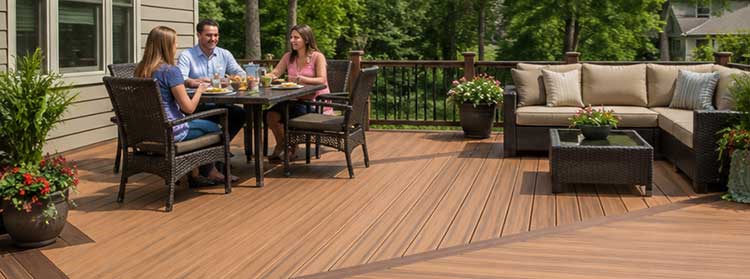
- Attractive Price Without Looking Cheap Fiberon delivers a finished appearance that rivals more expensive brands while keeping the material cost reasonable. Homeowners who stretch their budget on other outdoor features appreciate the savings. I have watched neighbors compliment Fiberon decks without realizing the boards cost less than the competition.
- Wide Selection of Colors and Styles From warm browns that complement brick homes to cool grays that suit modern architecture, Fiberon covers most design preferences. The ability to choose different collections for different areas of the same property adds flexibility. One client used a darker Fiberon shade for the main deck and a lighter tone for the steps, creating a subtle visual hierarchy that still matched.
- Solid Fade and Stain Resistance on Higher Lines Premium Fiberon collections hold their color through years of sun exposure. Spills wipe away cleanly when addressed promptly. The boards stay free of the gray weathering that ruins traditional wood. After several seasons my own Fiberon test section still looked fresh enough that visitors assumed it was newer than it was.
- Good Scratch Performance for the Money While no composite is completely scratch-proof, Fiberon’s mid and upper lines resist everyday wear from chairs, pet claws, and dropped tools better than many expect. The surface recovers well from minor scuffs with a simple cleaning. That durability makes the boards practical for families with active kids and dogs.
- Eco Credentials That Feel Genuine Knowing a large portion of each board comes from recycled material gives me extra satisfaction when recommending Fiberon. Clients who care about sustainability respond positively to that detail. The manufacturing process also avoids many of the chemicals once common in treated lumber.
Cons of Fiberon Decking
- Lower Lines Can Show Scratches More Easily Entry-level Fiberon collections resist everyday wear adequately but reveal deeper marks from sharp objects or heavy furniture more readily than premium options. Homeowners who move metal chairs often or have large dogs may prefer stepping up a tier. I learned this the hard way on an early project and now always discuss traffic patterns before recommending a specific collection.
- Three-Sided Capping on Some Boards Leaves the Bottom Exposed When moisture can reach the core from underneath, the risk of minor swelling or staining at the edges increases over many years. Proper framing and drainage help, yet the design is simply less protective than full four-sided wraps. In very wet climates I steer clients toward Fiberon’s four-sided lines or consider alternatives.
- Heat Build-Up on Darker Colors Like most composites, dark Fiberon boards absorb sunlight and can become uncomfortably warm under bare feet on summer afternoons. Lighter colors mitigate the issue, but many popular shades still require rugs or awareness of peak sun hours. I always suggest clients feel sample boards left in the sun before finalizing their color choice.
- Slightly Less Realistic Grain on Mid-Tier Options While higher Fiberon lines look excellent, the more affordable collections show a more uniform grain that does not mimic natural wood as closely. For homeowners focused purely on performance this rarely matters, yet those seeking the most authentic appearance sometimes notice the difference.
- Availability of Certain Colors Can Vary by Region Not every Fiberon shade stocks equally well in every market. Special-order boards can extend lead times on larger projects. Planning ahead solves the problem, but last-minute changes become harder than with brands that maintain deeper local inventory.
Also Read: Comparison of Trex Select And Enhance Decking.
Key Features of TimberTech Decking
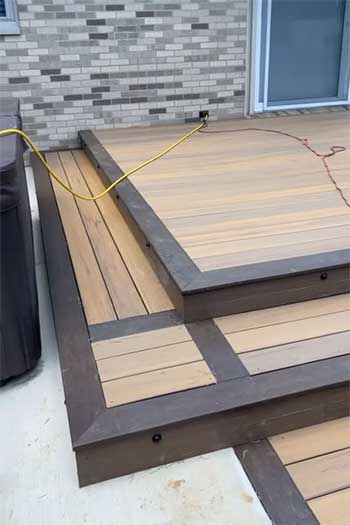
- Advanced PVC Line That Changes the Game TimberTech’s Advanced PVC boards (the former AZEK line) contain zero wood fiber. The result is a lighter board that still feels solid and resists moisture better than almost anything else on the market. These boards stay cooler than many composites in direct sun and clean up with almost no effort. I installed a set on a lakeside home that stays damp most of the year; five years later the surface still looks nearly new.
- Realistic Textures and Color Blending The surface embossing on TimberTech boards captures the look of wire-brushed or hand-scraped wood with impressive accuracy. Multi-tone colors shift slightly as the light changes throughout the day, giving the deck more visual depth. Clients who wanted their outdoor space to feel like an extension of their hardwood floors consistently chose TimberTech for this reason alone.
- Four-Sided Capping Across the Lineup Nearly every TimberTech board receives full four-sided protection. That design choice keeps moisture from reaching the core and reduces the chance of mold or swelling at the edges. When I compared cut ends after a long wet spring, the TimberTech samples needed far less attention than three-sided competitors.
- Strong Warranty Backing and Support Network TimberTech backs its Advanced PVC with some of the longest coverage available, including lifetime limited product protection in residential settings. The composite lines still carry twenty-five to thirty-year fade and stain warranties. Having that paperwork in hand gives both me and the homeowner extra confidence when investing in a large deck.
- Broad System Approach Including Railing and Lighting TimberTech offers matching railing, post sleeves, and even integrated lighting options. Building a complete outdoor room feels simpler because every component is designed to work together. On one multi-level project the coordinated look made the finished space feel more intentional and upscale.
Pros of TimberTech Decking
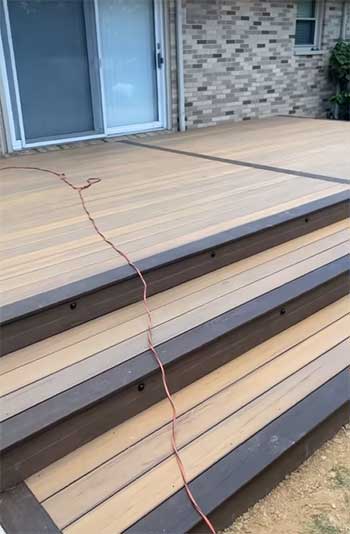
- Superior Long-Term Durability Especially in Harsh Conditions TimberTech boards, particularly the Advanced PVC versions, stand up to constant moisture, freeze-thaw cycles, and heavy use with fewer signs of aging. I have seen installations in rainy climates that still look sharp after a decade. That staying power reduces the chance of early replacement costs.
- Exceptional Realism in Grain and Color The surface detail on TimberTech decks fools people at close range. Multi-tone streaking and deep embossing create a richer appearance than many composites achieve. When the goal is a high-end outdoor living space that photographs well and impresses guests, TimberTech consistently delivers.
- Outstanding Moisture and Mold Resistance Because so many boards feature full four-sided capping and the top line uses pure polymer, water has fewer places to hide. Mold growth stays minimal even in shaded, poorly ventilated spots. Cleaning remains simple and infrequent, which busy homeowners love.
- Industry-Leading Warranty Options The combination of long fade-and-stain coverage plus lifetime product protection on the PVC line provides peace of mind that is hard to match. Knowing the manufacturer stands behind the product for decades makes the higher purchase price easier to accept.
- System Compatibility That Simplifies Design Matching railing, fascia, and accessory pieces eliminate guesswork. The finished project feels polished because every element belongs to the same family. Contractors also appreciate the predictable fit and finish during installation.
Cons of TimberTech Decking
- Higher Upfront Cost Can Stretch Budgets TimberTech’s premium positioning shows up clearly on the invoice. For large decks the difference versus Fiberon can reach several thousand dollars before labor. Homeowners who need to balance multiple outdoor projects sometimes find the price hard to justify even when they love the look.
- Weight and Handling of Some Boards Certain TimberTech composite lines feel denser and heavier than lighter PVC alternatives. Carrying and positioning long boards on elevated framing requires extra care or additional help. The Advanced PVC boards improve this situation, yet the composite options still demand more physical effort during installation.
- Heat Retention Remains an Issue on Dark Shades Even the best TimberTech boards get hot in full sun when finished in deep colors. The surface does not burn skin the way metal can, but barefoot comfort still suffers on midsummer days. Clients who plan frequent barefoot use often choose lighter tones or add outdoor rugs.
- Fewer Budget-Friendly Entry Points TimberTech’s lineup leans toward the higher end of the market. Finding a true economy option within the brand is harder than with Fiberon. Homeowners on tight budgets may feel forced to look elsewhere or reduce the size of their project to stay within means.
- Occasional Lead Times on Specialty Colors Popular multi-tone and textured boards sometimes sell out during peak building season. Waiting for restock can delay a project by weeks. Ordering early and confirming availability before framing begins prevents most headaches.
Also Read: Comparison of Trex Grooved And Square Decking.
Frequently Asked Questions (FAQ)
Yes. Fiberon matches or exceeds Trex in many performance categories and often costs less while offering strong warranties and realistic looks.
No single brand wins for every situation. TimberTech leads in premium durability and aesthetics; Fiberon leads in value and balanced performance.
Fiberon is owned by Fortune Brands Innovations, which acquired the company in 2018.
Yes. Fiberon produces durable, low-maintenance boards with solid warranties and high recycled content that hold up well for years under normal residential use.
Final Thoughts
After living with both products through multiple seasons and installing them for friends and clients, I can say neither brand disappoints when you match the right collection to your needs.
Fiberon gives you excellent results without emptying the wallet, while TimberTech delivers that extra layer of polish and longevity if the budget allows. Weigh your climate, how hard the deck will be used, and how much you want to spend up front.
Then pick the boards that feel right under your feet and look right from your kitchen window. You will enjoy the finished space for a long time either way.