
I spent weeks comparing AZEK and TimberTech while planning my own backyard upgrade, testing samples, reading warranties, and talking with installers who work with both daily.
This article lays out the real differences in materials, performance, cost, and long-term value so you can choose the one that actually matches how you use your outdoor space.
| Feature | AZEK (Advanced PVC) | TimberTech Composite |
| Core Material | 100% cellular PVC (no wood fibers) | Wood-plastic composite with protective cap |
| Weight | Lighter | Heavier |
| Moisture Resistance | Excellent (won’t absorb water) | Very good (capped, but core can still take moisture if damaged) |
| Heat Retention | Stays cooler, cools faster | Holds more heat, especially darker colors |
| Scratch Resistance | High | Good to very good depending on collection |
| Fade & Stain Warranty | Up to 50 years | 25–30 years |
| Structural Warranty | Limited lifetime | 25–30 years |
| Typical Cost | Highest | Mid to high (lower than pure AZEK lines) |
| Look & Feel | Cleaner, more uniform, slightly glossier | More varied wood-grain texture |
| Best For | High-moisture areas, barefoot comfort, long warranties | Natural appearance on a tighter budget |
Key Differences Between AZEK And TimberTech
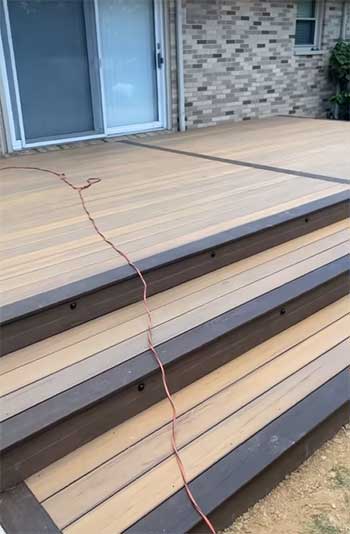
- Material makeup AZEK uses a solid cellular PVC formula with no wood content at all. That single fact drives almost every other difference. TimberTech’s composite boards start with a mix of recycled wood fibers and plastic, then wrap the board in a tough polymer cap. When I held the two side by side, the AZEK board felt noticeably lighter and more uniform. The TimberTech board had more of the density and subtle texture you expect from something that still contains wood particles. In wet climates or near pools, that PVC core gives AZEK a clear edge because there is simply nothing inside for water or mold to feed on. Composite boards resist moisture well thanks to the cap, but if the cap ever gets compromised, the core can still take on water over many seasons.
- Surface temperature on hot days Both products get warm in full sun, yet AZEK consistently stays cooler and drops temperature faster once shade hits. I tested this myself on sample boards left outside for an afternoon. The AZEK board was comfortable enough to stand on in bare feet longer than the TimberTech composite of similar color. Darker TimberTech colors hold heat the longest. If your deck sits in direct sun most of the day and you have kids or pets who hate hot surfaces, that difference becomes practical rather than theoretical.
- Weight and structural feel Because AZEK contains no wood, the boards are lighter. That makes carrying them up stairs or across a yard easier during installation. On the finished deck, the lighter weight can translate into a slightly springier feel underfoot if joist spacing is not tightened. TimberTech composites feel more solid and traditional. Most installers I spoke with prefer to drop joist spacing to 12 or 16 inches on center for AZEK in high-traffic zones just to keep the surface rigid.
- Warranty length and coverage AZEK’s Advanced PVC lines carry a limited lifetime structural warranty and up to a 50-year fade and stain warranty. TimberTech composite collections typically sit at 25 to 30 years for both product and fade/stain protection. The longer coverage on AZEK is not just marketing; the material science supports it. Still, both warranties require proper installation and exclude things like mold from standing water or damage from reflected heat off low-E windows.
- Price positioning AZEK almost always costs more per square foot. The gap often runs 20 to 40 percent higher than comparable TimberTech composite collections. You pay for the pure PVC formula, the extended warranties, and the manufacturing process that creates the cellular structure. TimberTech composites deliver strong performance at a lower entry point, which makes them attractive when budget is a hard limit.
Also Read: How Much Will Your Deck Cost? Smart Decking Materials Calculator.
Key Features of AZEK
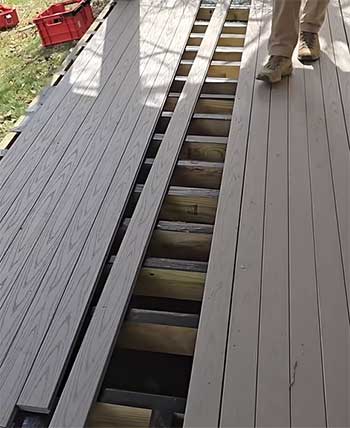
- Cellular PVC construction The entire board is made from expanded PVC cells. No wood means zero risk of rot, no swelling from moisture, and no food source for insects. I have seen AZEK decks near the coast that still look crisp after a decade of salt air and humidity that would have destroyed traditional wood.
- Four-sided protective surface Every face and edge receives the same high-performance outer layer. Scratches that do appear tend to stay shallow and less visible because the color runs consistently. The surface also resists most common household stains—oil, wine, sunscreen—when wiped promptly.
- Cooler surface technology AZEK’s formulation and lighter density help the board absorb less heat and release it faster. In practical terms, that means you can walk outside earlier in the evening without shoes. Pet owners repeatedly mention this as a deciding factor.
- Wide range of realistic textures Collections such as Vintage and Landmark offer deep embossing that mimics weathered wood or wire-brushed hardwood. The look is clean and modern rather than rustic, which suits contemporary homes especially well.
- Simple cleaning routine A mild soap and water wash once or twice a year keeps the surface looking new. No sealing, no staining, no sanding. That low effort is one of the biggest reasons people pay the premium.
Pros of AZEK
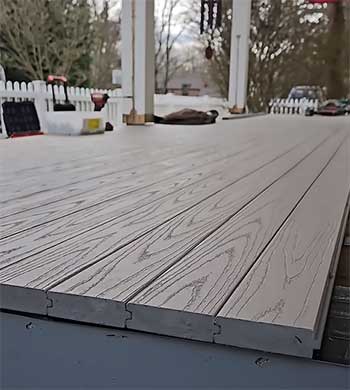
- Unmatched moisture resistance Because there is no organic material inside, AZEK simply does not rot. In rainy regions or around spas and pools, this removes a major long-term worry. I have watched composite boards that suffered edge damage eventually show dark staining from moisture that worked its way in; AZEK does not have that failure mode.
- Longer warranties that mean something A 50-year fade and stain warranty plus lifetime structural coverage gives genuine peace of mind. Manufacturers do not offer those terms unless the product can support them. For a homeowner planning to stay in the house for decades, that coverage is tangible value.
- Cooler under bare feet The temperature difference is real. On a 90-degree afternoon the AZEK board stayed more comfortable longer than the composite sample of the same color. That matters when the deck is the main outdoor living area.
- Lighter boards ease installation Crews move faster and experience less fatigue. On second-story builds or tight job sites, the weight savings shows up in labor costs and safety.
- Consistent color and surface The uniform PVC body means scratches and scuffs are less likely to reveal a different core color. The board ages evenly.
Cons of AZEK
- Higher upfront cost The price difference is the biggest practical drawback. For a typical 300-square-foot deck the material premium can run several thousand dollars. That money could go toward better railings, lighting, or landscaping if you choose composite instead.
- Slightly different underfoot feel Some people describe AZEK as feeling more “plastic” or less substantial. The lighter weight can create a minor bounce if the framing is not adjusted. It is not a structural problem, but it is noticeable if you are used to wood or denser composites.
- Fewer ultra-rustic color options While the textures have improved dramatically, AZEK still leans toward cleaner, more contemporary looks. Homeowners chasing a heavily weathered or highly varied grain sometimes prefer TimberTech’s composite lines.
- Can show surface scratches more readily in high-traffic zones Although the material resists deep gouges well, fine scratches from furniture movement or grit can appear as lighter marks on darker colors. Most owners simply live with them or place outdoor rugs in heavy-use paths.
Also Read: Differences Between WearDeck And Trex Decking.
Key Features of TimberTech Composite
- Capped composite core The wood-plastic blend inside gives the board a denser, more traditional weight and a slightly warmer appearance. The outer polymer cap blocks most moisture and UV damage, so the core stays protected under normal use.
- Natural wood-grain variety TimberTech collections often show more color variation and grain depth from board to board. If you want a deck that feels closer to real hardwood without the maintenance, this is where TimberTech shines. The variation helps hide minor scuffs better than a perfectly uniform surface.
- Solid structural performance The added density from wood fibers makes the boards feel firmer underfoot. Many homeowners prefer this sensation, especially on larger decks where a more rigid walkway feels safer.
- Broad color and style options From lighter coastal tones to deep walnut shades, the composite lines cover a wide palette. You can usually find a close match to existing outdoor furniture or house trim without stretching the budget into AZEK territory.
- Proven track record in everyday use TimberTech composites have been on the market long enough that installers know exactly how they behave in different climates. The material handles freeze-thaw cycles well and resists fading better than early-generation composites.
Pros of TimberTech Composite
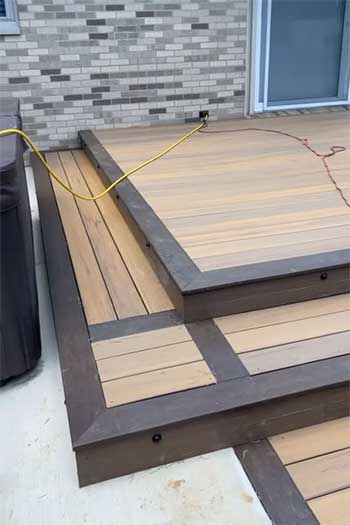
- Better value for the performance You get strong moisture resistance, good fade protection, and a realistic wood look without paying the full PVC premium. For many projects this is the sweet spot between cost and durability.
- Heavier, more traditional feel The boards walk more like solid wood. On large entertaining decks that extra density feels reassuring.
- Excellent color variation and grain depth The natural inconsistency between boards creates a more organic appearance. Minor wear blends in more easily.
- Wide availability and installer familiarity Most lumberyards stock multiple TimberTech composite collections, and crews have years of experience with the product. That reduces surprises on installation day.
- Strong performance in moderate climates When moisture exposure is not extreme, the capped composite delivers decades of low-maintenance service at a lower price point.
Cons of TimberTech Composite
- Shorter warranty periods Twenty-five to thirty years is solid, yet it falls short of AZEK’s coverage. If you plan to keep the house for forty years, the difference becomes relevant.
- Greater heat retention Darker boards can become uncomfortably hot in full sun. Light colors help, but the material still holds heat longer than pure PVC.
- Potential for core moisture issues if the cap is breached Deep scratches or improper fastening that penetrates the outer layer can allow water into the wood-plastic core over time. Proper installation and care minimize the risk, but the risk exists.
- Heavier boards increase labor effort Carrying and positioning denser material takes more energy, which can show up in installation time and cost on complex jobs.
Performance and Longevity
After walking on both types of decks that have been in service for eight to twelve years, the differences become clear. AZEK boards still look almost new in terms of color and surface integrity, especially in humid or coastal locations.
TimberTech composites also hold up well, yet the older ones show a bit more softening of the grain texture and occasional light staining where water stood for long periods. Both products far outlast pressure-treated wood, which is the real baseline most homeowners are leaving behind.
Installation quality matters more than the brand name. Tight joist spacing, correct gapping for expansion, and proper fasteners determine whether either product performs at its best.
I have seen poorly framed AZEK decks that felt soft and poorly framed TimberTech decks that cupped slightly at the ends. The material cannot fix bad structure.
- Cost Considerations Beyond the Board Price
Material cost is only part of the equation. AZEK’s lighter weight can shave labor hours. Its longer warranty may add resale value if you sell the house.
TimberTech’s lower material price leaves room in the budget for upgraded railings or built-in seating. Calculate the full installed price for both options on your specific design before deciding. Many homeowners discover the gap narrows once labor and accessories are included.
- Who Should Choose Which?
If your deck sits in constant shade or partial sun, stays relatively dry, and you want the most natural wood look for the money, TimberTech composite is a smart, proven choice.
If the deck faces full sun, sits near a pool or in a wet climate, or you simply want the longest warranty and coolest surface available, AZEK earns its premium. There is no universal winner—only the better match for your climate, budget, and how you actually use the space.
Also Read: Problems With Composite Decking Screws.
Frequently Asked Questions (FAQ)
Higher cost, a slightly less natural feel underfoot, and the potential for fine surface scratches to show on darker colors.
Among pure composite options, top-tier capped lines from TimberTech and Trex consistently earn the strongest long-term homeowner and installer feedback for durability and appearance.
AZEK generally outperforms Trex on moisture resistance, surface temperature, and warranty length, while Trex often wins on price and natural grain variation.
The pure cellular PVC formula, advanced manufacturing, four-sided protection, and industry-leading warranties all cost more to produce than wood-plastic composites.
Wrapping Up
After weighing every practical factor, I landed on AZEK for my own project because the cooler surface and lifetime structural coverage matched how my family uses the deck.
You may reach a different conclusion once you look at samples in your actual sunlight and run the numbers on your square footage.
Order boards from both lines, walk on them barefoot on a hot day, and decide with your own feet and budget in mind. That hands-on test beats any comparison chart.