
When I started planning my own backyard upgrade, I kept running into the same question: should I go with TimberTech or Trex decking?
Both promise low maintenance and long life, yet they differ in materials, performance, and price in ways that actually matter once the boards are under your feet.
This article lays out a clear, side-by-side look so you can match the right product to your climate, budget, and daily use without second-guessing the choice later.
| Feature | TimberTech | Trex |
| Core Material | Wood-plastic composite or 100% PVC (AZEK line) | Wood-plastic composite (95% recycled content) |
| Cap Style | Often 4-sided | Typically 3-sided |
| Moisture Resistance | Excellent, especially PVC | Very good with proper ventilation |
| Surface Temperature | Cooler underfoot (PVC stays up to 30°F lower) | Can run hotter in direct sun |
| Scratch Resistance | Strong across lines | Outstanding on Transcend and Signature |
| Fade & Stain Warranty | Up to 50 years | Up to 50 years on premium lines |
| Structural Warranty | Lifetime on AZEK | 25–50 years depending on collection |
| Typical Material Cost | Higher ($14–$24 per sq ft) | Lower ($5–$16 per sq ft) |
| Best For | Wet climates, coastal homes, premium look | Value-focused builds, high-traffic family decks |
Also Read: Budget Your Backyard Build: Free Deck Material Calculator.
Key Differences Between TimberTech and Trex
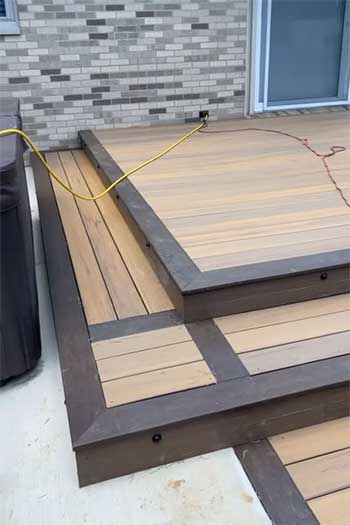
- Material makeup and how it behaves outdoors TimberTech offers two distinct paths. Its composite boards mix wood fibers with plastic, while the AZEK line is pure cellular PVC with zero wood content. That pure polymer core shrugs off water absorption in a way wood-plastic blends cannot match. Trex sticks with a single formula built from reclaimed wood and recycled plastic film. The high recycled content is impressive for sustainability, yet the wood fibers still create tiny pathways that can hold moisture if the underside stays damp for long periods. In practice this means TimberTech’s PVC option handles constant humidity, pool splash, or coastal salt air with less risk of swelling or mold along the edges. Trex performs well when the framing allows airflow underneath, but the difference shows up after a few wet seasons.
- Capping coverage and edge protection Most TimberTech boards receive a protective polymer shell on all four sides. The full wrap seals the core completely. Trex commonly caps only three sides, leaving the bottom open. The three-sided approach works fine on a well-ventilated deck, yet any standing moisture or poor drainage can reach the core more easily. I noticed this distinction when comparing sample boards side by side: the four-sided boards feel denser and more closed off, while the open-bottom Trex boards show the composite texture underneath.
- Heat retention on sunny afternoons Bare feet notice the difference quickly. TimberTech’s AZEK PVC stays noticeably cooler because the polymer does not absorb and hold heat the same way wood-fiber composites do. Independent checks and homeowner reports put the surface temperature gap at roughly 20–30 degrees on dark colors in full sun. Trex has improved with its Lineage collection that uses lighter mineral fillers, yet darker boards still warm up faster. If your deck faces south and you plan barefoot use or have kids running around in summer, the cooler surface becomes a daily comfort factor rather than a marketing claim.
- Realistic wood grain and color depth TimberTech’s premium collections, especially Legacy and Vintage, push the grain pattern deeper and more varied. The embossing looks less uniform and more like actual hardwood planks. Trex offers strong color ranges and multi-tone boards, particularly in Transcend, yet the surface grain tends to feel slightly smoother and more consistent. Neither looks cheap, but if the goal is a board that fools people into thinking it is real wood from ten feet away, TimberTech currently edges ahead on the highest-end lines.
- Weight and handling during installation PVC boards weigh less than composite, which can speed up carrying and positioning on larger jobs. The lighter boards also put less stress on the framing over decades. Composite boards from both brands feel more substantial underfoot, closer to traditional wood. Crews used to Trex often comment that TimberTech PVC requires slightly different fastening techniques because the material is denser and less forgiving of over-driving screws.
Also Read: Is James Hardie Siding Worth It?
Key Features of TimberTech Decking
- Advanced PVC and composite options in one brand TimberTech lets you choose between capped composite collections such as Pro and Edge or the full PVC AZEK series. That flexibility means you can mix performance levels on the same project if budget or design calls for it. The PVC boards eliminate wood fiber entirely, removing a common long-term weak point.
- Four-sided protective capping on most lines The complete polymer shell blocks moisture entry from every direction. This design reduces the chance of core expansion, cupping, or mold growth along the board edges. In high-humidity regions or near water features, the extra seal pays off year after year.
- Cooler surface technology in the PVC line AZEK boards reflect more solar energy and conduct less heat into the walking surface. Homeowners in hot climates repeatedly mention they can walk barefoot longer without discomfort. The difference is most noticeable on dark or medium tones that would otherwise become hotplates by mid-afternoon.
- Deep, multi-directional embossing for natural appearance Premium TimberTech boards carry grain patterns that change direction and depth across the length of the plank. The result is less repetition and a more authentic hardwood look. Color is integrated into the cap rather than painted on, so minor surface wear does not reveal a different under-layer.
- Lifetime structural warranty on AZEK The pure polymer construction supports a lifetime limited structural warranty. Fade and stain coverage reaches fifty years on the top collections. That length of coverage gives peace of mind if you plan to stay in the home for decades or want strong resale appeal.
- Strong performance against moisture and insects With no wood content in the PVC line, termites and carpenter ants find nothing to eat. The boards also resist rot in constantly damp conditions better than any wood-plastic blend. Coastal or lakeside installations benefit most from this trait.
Pros of TimberTech Decking
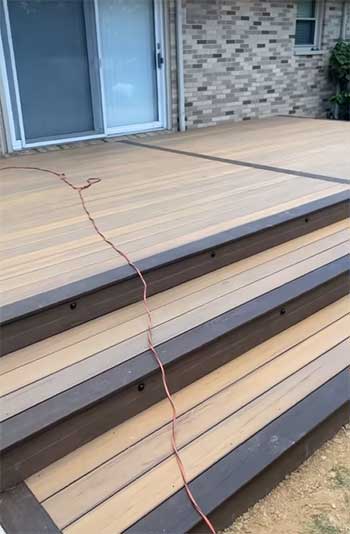
- Superior moisture defense that lasts The four-sided cap and optional PVC core keep water from reaching the interior of the board. In regions with heavy rain, snow melt, or high humidity, this design reduces the risk of swelling, warping, or mold growth that can appear on less protected products after several seasons. Homeowners near oceans or lakes notice the boards stay dimensionally stable even when spray or fog is constant.
- Cooler walking surface in hot weather PVC boards absorb less heat, so bare feet and pets stay more comfortable during peak summer hours. The temperature gap is large enough that many people switch from avoiding the deck at midday to using it freely. Lighter colors amplify the advantage, but even medium tones feel better than equivalent composite boards.
- Realistic wood aesthetics that hold up Deep embossing and varied grain patterns create a surface that looks closer to natural hardwood than most composites. The color stays rich because the pigment sits throughout the protective layer rather than sitting only on top. After years of sun exposure the boards still read as premium rather than faded plastic.
- Longer structural warranty on the top line A lifetime limited structural warranty on AZEK gives lasting confidence. Combined with fifty-year fade and stain coverage, the protection package is among the strongest available. This matters if you expect the deck to outlast several ownership changes or simply want maximum peace of mind.
- Resistance to insects and rot without chemical treatments Zero wood fiber means no food source for termites or carpenter ants. The boards also resist fungal decay even when the underside stays damp. That removes one common maintenance worry that still exists with wood-plastic blends in certain climates.
- Consistent performance across different board widths and profiles TimberTech offers square-edge, grooved, and specialty profiles that maintain the same protective qualities. The consistency simplifies design decisions when you need picture-frame borders, stair treads, or fascia boards that match the main field.
Cons of TimberTech Decking
- Higher upfront material cost Premium PVC and higher-end composite lines sit at the upper end of the composite price range. On a typical project the material premium can add several thousand dollars compared with mid-tier Trex. Budget-conscious buyers often feel the difference most sharply when calculating total installed cost.
- Limited recycled content in the PVC line While the composite collections incorporate recycled material, the pure AZEK boards use less reclaimed content. Buyers who prioritize maximum recycled percentages may prefer Trex’s ninety-five percent figure.
- Slightly different underfoot feel PVC boards can feel denser and less “wood-like” when you walk on them. Some people prefer the solid, slightly softer give of traditional composite. The difference is subtle yet noticeable to those who have lived with both.
- Availability can vary by region While major distributors stock TimberTech, certain colors or specialty profiles may require longer lead times than Trex, which is widely stocked at big-box retailers. Last-minute changes or small additional orders can take more planning.
- Installation nuances with PVC The denser polymer requires attention to expansion gaps and fastening torque. Crews unfamiliar with PVC sometimes need a short learning curve. Improper fastening can lead to oil-canning or raised screw heads that are harder to correct later.
Also Read: Common Problems With Nichiha Siding.
Key Features of Trex Decking
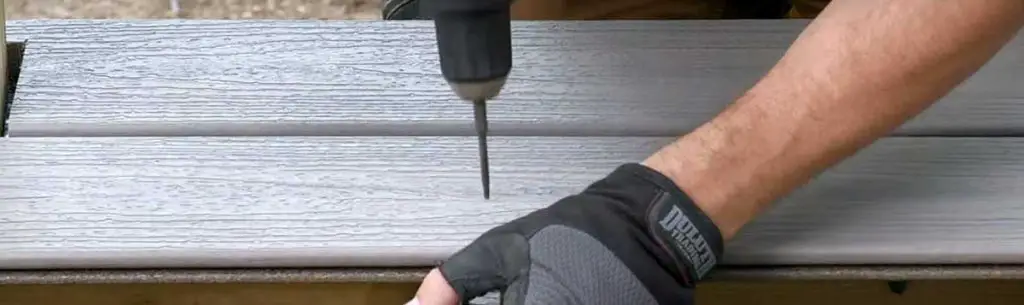
- Industry-leading recycled content Trex boards typically contain ninety-five percent recycled materials. The combination of reclaimed wood and plastic film keeps tons of waste out of landfills. For many buyers the environmental story is as important as the performance numbers.
- Exceptional scratch resistance on premium lines Transcend and Signature collections use a harder polymer cap that shrugs off furniture movement, pet claws, and dropped tools better than most competitors. Independent side-by-side tests and contractor feedback consistently rank these boards at the top for surface hardness.
- Wide range of colors and finishes Trex offers one of the broadest palettes in the industry, from light coastal grays to deep tropical browns. Many boards feature multi-tonal streaking that mimics weathered wood. The selection makes it easier to match existing home exterior colors or create a specific outdoor mood.
- Proven long-term track record Trex has been refining its formula since the mid-1990s. Millions of decks later, the brand has a deep library of real-world performance data. That history translates into predictable behavior and widespread contractor familiarity.
- Hidden fastening systems and easy installation Most Trex lines work with the company’s own groove-and-clip systems or standard composite screws. The boards cut cleanly and accept fasteners without splitting. Local availability at big-box stores also simplifies last-minute material runs during a build.
- Strong fade and stain protection Premium Trex collections carry up to fifty-year limited warranties against fading and staining. The capped surface resists common outdoor spills such as wine, grease, and leaf tannins when cleaned promptly.
Pros of Trex Decking
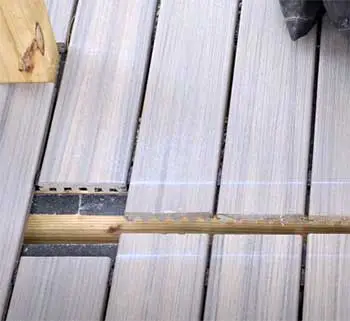
- Strong value proposition across most collections Entry and mid-tier Trex lines deliver solid performance at a lower price point than comparable TimberTech options. For many homeowners the savings free up budget for better railings, lighting, or a larger overall footprint.
- Outstanding scratch resistance on flagship boards Transcend and Signature stand out in real-world abuse tests. Moving chairs, dragging coolers, and pet traffic leave fewer lasting marks. Families with active kids and large dogs often rank this trait as the deciding factor.
- High recycled content that supports sustainability goals Ninety-five percent recycled material is a clear environmental win. The boards divert plastic film and wood waste that would otherwise end up in landfills. That story resonates with buyers who want both performance and a smaller footprint.
- Broad color selection and easy matching The extensive palette makes it straightforward to coordinate with siding, trim, or existing outdoor furniture. Multi-tonal boards add visual depth without requiring custom finishes.
- Wide contractor familiarity and product availability Most professional installers have worked with Trex for years. The learning curve is minimal, and replacement boards or extra fasteners are easy to source locally. That availability reduces project delays.
- Reliable long-term color stability on premium lines Fifty-year fade and stain warranties on the top collections provide strong protection. Proper cleaning keeps the surface looking fresh, and the capped layer resists common outdoor stains when addressed promptly.
Cons of Trex Decking
- Three-sided capping leaves the bottom more exposed Moisture can reach the core more easily if ventilation under the deck is limited or if debris blocks airflow. In persistently damp climates this design requires careful framing details and occasional underside inspection to avoid long-term issues.
- Greater heat absorption on many colors Darker and even some medium boards can become uncomfortably warm in full sun. Barefoot use often requires waiting until evening or choosing lighter colors that may not match the desired aesthetic.
- Slightly less realistic grain on mid-tier boards While premium Trex looks excellent, some mid-range collections show more uniform embossing that reads as manufactured rather than natural wood. Buyers seeking the most authentic appearance sometimes move to TimberTech’s higher lines.
- Structural warranty is shorter than TimberTech’s top offering Most Trex lines carry twenty-five to fifty-year coverage rather than a lifetime structural guarantee. For owners planning multi-decade ownership the difference in warranty length can feel significant.
- Potential for more expansion movement Wood-fiber content means the boards expand and contract a bit more with temperature swings than pure PVC. Proper gapping is essential, and poorly installed decks can develop noticeable gaps or tight spots over time.
Also Read: Common Problems With NuCedar Siding.
Frequently Asked Questions (FAQ)
It depends on priorities. TimberTech AZEK leads for moisture resistance and cooler surfaces. Trex Transcend leads for value and scratch resistance. Match the product to your climate and budget.
Higher cost, less recycled content in the PVC line, and a denser feel underfoot compared with traditional composites.
Yes, in most cases. Material prices for TimberTech run higher, especially the AZEK PVC collections, often by ten to twenty-five percent.
Installed costs commonly fall between sixteen thousand and twenty-eight thousand dollars depending on the collection, railing, labor rates, and site conditions.
Final Thoughts
I weighed both products against the realities of weather, foot traffic, and long-term ownership, and the choice ultimately comes down to what you value most on your own property.
If cooler boards, maximum moisture protection, and a lifetime structural warranty matter more than the initial price tag, TimberTech’s AZEK line delivers clear advantages.
If you want proven scratch resistance, high recycled content, and a lower overall cost without sacrificing durability, Trex remains a smart, time-tested option. You now have the practical differences in front of you, so you can pick the boards that will still look and feel right years from now.