
As a dog owner who’s spent more than ten years figuring out what actually works for my two very different pups—one a high-energy shepherd mix and the other a sensitive-stomach beagle—I know how overwhelming the pet food aisle can feel.
Purina Pro Plan and Fromm both show up constantly in conversations at the park and in vet waiting rooms, yet they represent two distinct approaches to feeding our dogs.
This comparison exists to give you a clear, no-nonsense look at how they perform on ingredients, nutrition delivery, cost, real-life results, and long-term considerations so you can match the right one to your own dog’s needs, lifestyle, and what matters most to you.
| Aspect | Purina Pro Plan | Fromm |
| Ownership | Nestlé subsidiary, large-scale corporate producer | Fifth-generation independent family-owned company |
| Typical Price | More accessible, often $1.50–$2.50 per pound | Premium positioning, typically $3–$4+ per pound |
| Core Ingredients | Real meat first plus some by-product meals, grains, targeted additives including live probiotics | Named real meats first, fresh produce, whole grains or grain-free choices, zero by-product meals |
| Protein Range | 24–30% across formulas | 24–26%+ with emphasis on quality sources |
| Standout Elements | Condition-specific lines, clinically supported probiotics, broad life-stage and health options | Rotational feeding programs, small-batch US production, focus on whole-food style recipes |
| Best Matched To | Dogs with diagnosed sensitivities or owners balancing budget with proven nutrition | Picky eaters, dogs thriving on variety, owners seeking premium ingredient transparency |
| Availability | Ubiquitous at chains, online, and veterinary offices | Primarily independent pet stores and specialty retailers |
| Recall Context | Multiple events over decades as a high-volume maker, paired with heavy investment in testing | Very few events, recent ones limited in scope and handled with clear communication |
Key Differences Between Purina Pro Plan And Fromm
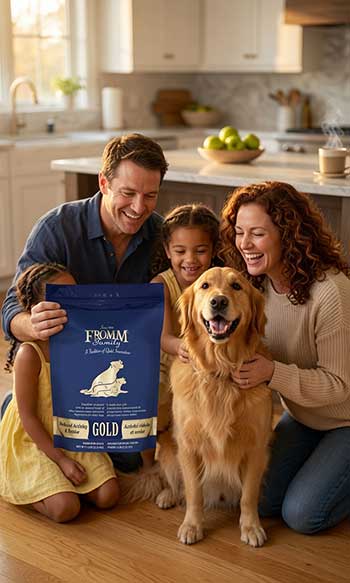
- Ingredient philosophy and processing approach set fundamentally different priorities: Purina Pro Plan builds recipes around functional nutrition with added probiotics and targeted nutrient levels, sometimes using by-product meals to achieve protein targets efficiently. Fromm focuses on whole, named ingredients and minimal processing cues, avoiding by-products entirely. This leads to different label aesthetics and can influence how individual dogs digest and utilize the food—some thrive on the science-forward balance while others respond better to the ingredient-driven style.
- Company structure affects everything from distribution to recipe stability: One operates as part of a global corporation with vast testing resources and ubiquitous retail presence; the other remains family-run with deliberate limits on where products appear. The corporate path delivers convenience and lower cost at scale, while the family model emphasizes relationships with independent retailers and tighter control over production values.
- Price and accessibility create real-world trade-offs for different households: Pro Plan fits budgets and last-minute restocking needs without friction. Fromm demands more planning and expense but rewards owners who can absorb the cost with perceived ingredient advantages and variety options. Your decision often comes down to whether convenience and value or premium sourcing matter more in your daily routine.
- Approach to variety and long-term feeding differs in execution: Fromm builds rotation into its Four-Star line so you can vary proteins while staying inside one brand family. Pro Plan offers multiple distinct lines instead, letting you address specific life stages or health goals without cycling flavors. Both strategies aim to prevent boredom and sensitivities, yet they require different owner habits—one around flavor rotation, the other around selecting the right specialized formula.
- Veterinary alignment and research emphasis versus ingredient appeal create ongoing debate: Many veterinarians lean toward Pro Plan because of feeding trial data, full-time nutritionist involvement, and alignment with established guidelines on what constitutes robust nutritional validation. Fromm earns praise for ingredient quality and owner-reported outcomes but sometimes receives less automatic endorsement from vets who prioritize published research volume. The right choice depends on whether your vet’s perspective and your dog’s visible results line up more with one emphasis or the other.
- Risk tolerance and transparency around issues play out differently at each scale: Large producers like Purina have handled more recalls historically simply because of volume, yet they also maintain extensive quality systems. Fromm has fewer events overall, with recent ones limited and communicated clearly, but the smaller scale means any issue can feel more personal. Both brands respond when problems surface; the difference lies in how frequently issues arise and how the company size shapes perception of accountability.
Also Read: Differences Between Acana And Taste of the Wild Dog Foods.
Key Features of Purina Pro Plan
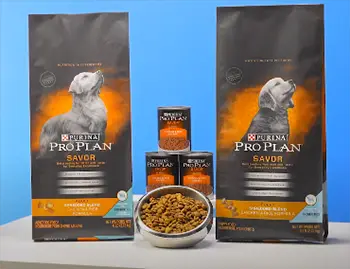
- Targeted formulas backed by research and live probiotics: Many recipes include added live probiotics specifically chosen to support digestive balance and immune response. When my beagle went through a rough patch with inconsistent stools, switching to one of the sensitive-stomach varieties made a noticeable difference within two weeks—firmer output and less gas. These formulas often combine real chicken or salmon as the first ingredient with grains that provide steady energy without overwhelming a sensitive system. The brand offers distinct lines for puppies, seniors, weight management, and performance dogs, each calibrated with input from nutrition experts so the nutrient profiles address real physiological needs rather than generic averages. This structured approach means you can often find an option that aligns closely with a vet’s recommendation for a particular health concern.
- Broad accessibility and consistent supply chain: Because it comes from a major manufacturer, bags show up reliably at big-box stores, grocery chains, online platforms, and even some vet offices. That consistency matters when you have multiple dogs or travel and need to restock without hunting down specialty outlets. The resealable packaging helps keep kibble fresh longer, and the calorie density in many adult formulas sits high enough that active dogs stay satisfied without requiring huge portions. I found the shredded-blend textures particularly helpful for my shepherd mix, who sometimes acts finicky; the mix of kibble and tender pieces encouraged her to finish meals without added toppers.
- Options that address common sensitivities without overcomplicating things: Several recipes focus on limited or novel proteins paired with easily digestible carbohydrates and the probiotic boost. This gives owners a practical middle ground between basic kibble and ultra-specialized prescription diets. The brand also produces veterinary lines for more serious conditions, creating a clear pathway if your dog ever needs stepped-up support. In daily use, the formulas tend to produce moderate stool volume and good coat condition when fed consistently, which aligns with what many long-term feeders report.
- Strong emphasis on manufacturing standards and testing volume: Large-scale production allows for rigorous batch testing and traceability that smaller operations sometimes struggle to match at the same volume. While this does not eliminate every risk, it provides a level of documented process control that gives peace of mind to owners who prioritize predictability over boutique sourcing.
Also Read: Differences Between Diamond And Victor Dog Foods.
Pros of Purina Pro Plan
- Practical pricing paired with wide availability makes daily feeding sustainable: For households with more than one dog or those watching monthly expenses, the cost per pound stays noticeably lower than many premium competitors. You can buy larger bags without the sticker shock, and the food shows up at regular retailers so you never have to drive across town or wait for specialty delivery. That combination of affordability and convenience removes one common barrier to consistent feeding, especially when life gets busy or unexpected vet bills appear.
- Probiotic inclusion and condition-specific recipes deliver measurable digestive support: The live probiotics in several adult and sensitive lines directly target gut flora balance. In my experience with the beagle, this translated into fewer episodes of soft stool during stress periods like boarding or seasonal changes. The formulas also come in versions calibrated for skin health, joint support, or weight control, giving you targeted tools without needing multiple supplements on top of the kibble. This built-in functionality saves time and money compared with layering add-ons.
- Extensive feeding trial data and veterinary alignment provide confidence for long-term use: Many recipes undergo AAFCO feeding trials, and the brand maintains relationships with veterinary nutritionists. When a vet recommends a food based on published research rather than marketing claims alone, it carries extra weight for owners managing chronic conditions. My own vet has pointed to Pro Plan options when discussing sensitive-stomach protocols, citing the combination of controlled ingredients and documented outcomes.
- Texture and calorie options suit a range of appetites and activity levels: Shredded blends, classic kibble, and higher-calorie performance formulas let you match the physical form and energy density to what your dog actually finishes and how much exercise they get. Active dogs stay fueled without excessive volume, while lower-calorie versions help maintain healthy weight in less active pets. This adaptability reduces trial-and-error when transitioning or adjusting portions.
Cons of Purina Pro Plan
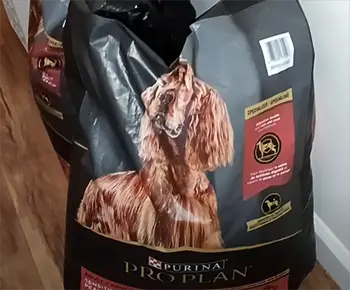
- Inclusion of by-product meals and certain grains can feel less premium to ingredient-focused owners: Some recipes incorporate by-product meals to boost protein levels economically. While these can still supply valuable nutrients, owners who scrutinize labels for whole-food purity often prefer to avoid them. In side-by-side comparisons, the ingredient lists read more processed than those from smaller brands, which may matter if your priority is minimal processing and recognizable components.
- Corporate scale sometimes translates to less personalized retailer support: Because the food sits on shelves everywhere, you rarely get the same level of staff knowledge you might find at an independent store that specializes in one or two premium lines. If your dog has nuanced needs, you may need to do more of the research yourself rather than relying on in-store guidance tailored to the brand.
- Some dogs simply do not thrive on the formulas despite the science: Individual variation means even well-tested recipes can produce dull coats, inconsistent stools, or low enthusiasm in certain pets. When that happens, the wide availability does not compensate for the lack of results, and you end up experimenting anyway.
Also Read: Differences Between Orijen And Open Farm Dog Foods.
Key Features of Fromm
- Real named meats and whole produce without by-product meals: Most recipes lead with identifiable proteins like chicken, duck, or salmon followed by fresh fruits, vegetables, and grains in the grain-inclusive lines. This ingredient style often results in a food that looks and smells closer to home-cooked meals. My shepherd mix developed a noticeably shinier, softer coat after a couple of months on a Fromm Gold recipe, and her energy stayed steady through long hikes. The absence of by-product meals appeals to owners who prefer every component to come from recognizable whole sources rather than rendered fractions.
- Built-in support for rotational feeding through the Four-Star line: Different protein and produce combinations let you cycle flavors without causing digestive upset in many dogs. I rotated between chicken, duck, and salmon varieties over several months and saw no refusal or loose stools—something that surprised me given how picky my beagle can be with change. This variety approach helps prevent flavor fatigue and may reduce the chance of developing sensitivities to a single protein over time. The recipes still meet complete-and-balanced standards, so you are not sacrificing nutrition while giving your dog mental stimulation at mealtime.
- Family-owned production in the United States with transparent practices: The company maintains its own facilities and has a long track record of keeping recipes relatively stable rather than reformulating frequently. That consistency shows up in the way dogs maintain weight and condition across bag changes. Many owners, including me, appreciate knowing the food comes from a single family operation rather than a distant corporate structure, which can translate into quicker responsiveness if questions arise about a specific batch.
- Both grain-inclusive and grain-free choices within the same brand family: You can stay with grains for dogs that do well on them or opt for grain-free versions if your vet has identified a need. The grain-inclusive Gold and Classic lines use brown rice, barley, or oatmeal as steady carbohydrate sources, while certain Four-Star options avoid grains entirely. This flexibility lets you match the carbohydrate profile to your individual dog’s tolerance and activity level without jumping between completely different brands.
Pros of Fromm
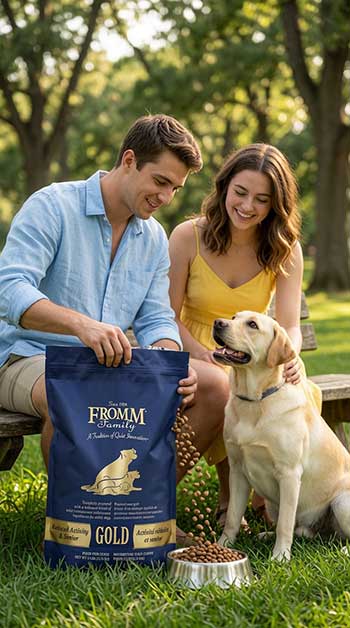
- Ingredient transparency and whole-food emphasis often produce visible coat and stool improvements: Real meats first, followed by actual fruits and vegetables, create a nutrient profile many dogs process efficiently. Owners frequently notice glossier coats, smaller, firmer stools, and steady energy—changes I observed in my shepherd mix after consistent use. This outcome-focused result makes the higher price feel justified when your dog visibly benefits.
- Rotational variety keeps meals interesting without digestive drama: The ability to cycle proteins and produce combinations within the same brand family reduces boredom and may lower the risk of single-protein sensitivities developing over years. My beagle tolerated the switches surprisingly well, which removed the usual stress of introducing new foods gradually.
- Family-owned structure supports recipe stability and responsive communication: Fewer ownership changes mean recipes tend to stay consistent across years rather than shifting with corporate directives. When questions come up, the company has a reputation for direct, helpful responses rather than layered customer-service scripts.
- US-based production and focus on independent retailers align with values-driven purchasing: Knowing the food is made domestically and sold primarily through stores that invest in product knowledge gives some owners added reassurance about quality oversight and ethical distribution choices.
Cons of Fromm
- Higher cost and narrower availability create practical hurdles: The price per pound sits well above mainstream options, and you often cannot grab a bag during a regular grocery run. For multi-dog homes or tight budgets, this adds up quickly and may require planning around specialty store hours or online shipping minimums.
- Grain-free options carry the same historical scrutiny as other boutique brands: While many dogs do fine on grain-free recipes, the broader category faced questions around dilated cardiomyopathy links in certain formulations. Even though Fromm offers strong grain-inclusive alternatives, owners must still evaluate whether a particular recipe fits current veterinary thinking on pulse ingredients and taurine levels.
- Fewer condition-specific therapeutic lines compared with large-scale competitors: If your dog develops a diagnosed medical issue requiring tightly controlled nutrients, you may find fewer ready-made options within the Fromm lineup and need to combine the food with supplements or switch brands temporarily.
Also Read: Differences Between Taste of the Wild And Orijen Dog Foods.
Frequently Asked Questions (FAQ)
Many veterinarians recommend Purina Pro Plan for its extensive research backing and compliance with strict nutrition guidelines. Some vets do suggest Fromm for dogs that show clear improvements in coat, energy, or digestion on its recipes, especially when ingredient quality is the top priority. The recommendation often depends on the individual vet’s focus—science volume versus whole-ingredient appeal.
No. Fromm operates as an independent, fifth-generation family-owned business completely separate from Purina or its parent company Nestlé.
Yes, it earns strong recognition as a premium option thanks to real named meats, fresh produce, and the absence of by-product meals in most recipes. Many owners and some vets report excellent results with coat condition and stool quality. Like every brand, results vary by dog, and past questions around certain grain-free formulations require case-by-case evaluation.
Fromm made the decision in 2017 to withdraw authorization after Chewy’s acquisition by PetSmart. The company prefers to sell exclusively through independent pet specialty retailers where staff can offer personalized guidance rather than large chain platforms.
Final Thoughts
After comparing these two side by side with my own dogs as the test subjects, I keep coming back to the same conclusion: neither brand is universally superior.
Purina Pro Plan gives you reliable science, probiotics, targeted support, and everyday practicality that works well for many households and dogs with specific needs.
Fromm delivers premium ingredient quality, rotation flexibility, and visible results for dogs that respond to whole-food style recipes.
Your choice comes down to what your individual dog tolerates best, what fits your budget and shopping habits, and which set of priorities—research depth or ingredient sourcing—feels right to you.
Talk with your vet, watch how your dog looks and feels on whichever food you pick, and adjust if the results do not match expectations. The food that keeps your dog thriving, happy, and healthy at a price and convenience level you can maintain is the one that wins.