
I stood in my backyard last summer staring at the old fence that was falling apart, knowing I had to choose between pressure-treated wood and cedar.
After weeks of comparing options, talking to suppliers, and calculating costs, I settled on a decision that fit my budget and style.
This article shares my real experiences and analysis so you can pick the right material for your fence without second-guessing later.
| Aspect | Pressure-Treated Wood | Cedar |
| Initial Cost | Lower, often 30-50% less | Higher due to natural rarity and quality |
| Durability | Good with treatment, 15-20 years typical | Excellent natural resistance, 20-30+ years possible |
| Maintenance | Requires regular sealing to prevent warping | Minimal, occasional cleaning and oiling |
| Appearance | Greenish tint that fades to gray-brown | Warm reddish tones that weather to silver-gray |
| Insect and Rot Resistance | Chemical treatment provides strong protection | Natural oils and tannins offer built-in defense |
| Weight and Handling | Heavier, denser boards | Lighter and easier to work with |
| Environmental Impact | Involves chemical preservatives | More renewable and biodegradable |
| Best For | Budget-conscious projects needing reliability | Aesthetic-focused yards seeking longevity |
Key Differences Between Pressure-Treated Wood and Cedar Fences
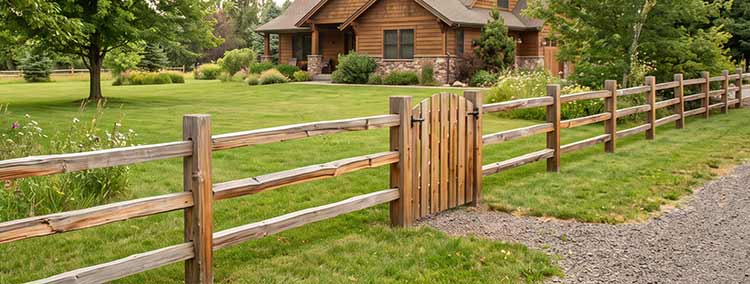
- Cost and accessibility: I noticed right away that pressure-treated wood sat lower on every quote I received. Suppliers stock it widely because mills produce it in volume from common softwoods like pine. Cedar boards come from slower-growing trees and cost more at the yard, so you pay a premium before any labor starts. When I priced a basic 6-foot privacy fence, the material gap alone shifted my total by thousands.
- Natural versus chemical protection: Pressure-treated lumber gets soaked under pressure with preservatives that keep fungi and termites away. Cedar relies on its own extractives. I handled both and saw the difference: the treated boards felt wetter at first and carried a chemical smell that faded, while cedar boards smelled clean and woody right out of the stack.
- Weathering behavior: Treated wood can check and warp if you skip sealing in the first year. Cedar moves less and develops an even silver patina if left alone. In my yard the cedar neighbor’s fence looked intentional after two seasons while untreated sections of treated stock nearby showed uneven gray patches and small cracks.
- Workability and weight: Cedar cuts and nails more cleanly for me. The boards are lighter, so I moved full lengths without a second person as often. Treated stock is denser and can split at the ends if you drive fasteners too close to the edge without pre-drilling.
- Long-term appearance and resale feel: Cedar keeps a richer look longer if you maintain it, which neighbors often notice. Treated wood eventually blends into the background once the green fades. When I walked properties for sale, the cedar fences stood out as upgrades while treated ones read as standard.
Also Read: Try Our Free Fence Installation Cost Calculator.
Key Features of Pressure-Treated Wood Fences
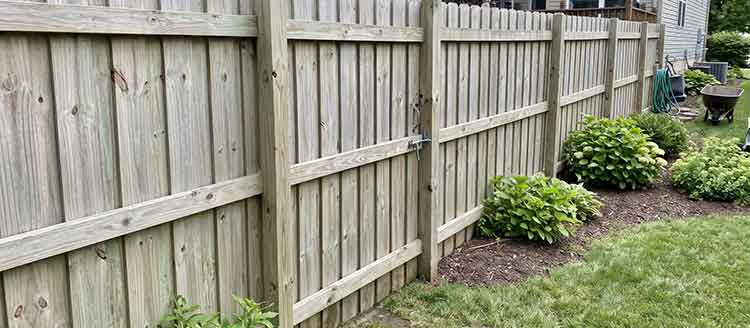
- Chemical impregnation for pest and decay resistance: The boards are placed in a sealed cylinder and preservatives are forced deep into the fibers. That treatment reaches places surface coatings never touch. I checked cut ends on my own project and saw the green tint run well into the core, which gave me confidence against ground contact rot.
- Affordability and ready availability: Most big-box and specialty yards carry multiple grades and sizes every day. I could pick up extra boards the same afternoon a measurement changed. That flexibility kept my timeline short and avoided special-order delays.
- Strength for structural uses: The denser southern yellow pine common in treated stock handles wind loads well. I used it for posts and rails knowing it would stay straight under the weight of 6-foot pickets.
- Versatility across fence styles: You can build privacy, picket, or ranch styles with the same stock. I mixed board-on-board panels and simple three-rail sections without hunting for special profiles.
- Compatibility with standard hardware: Galvanized or stainless fasteners work reliably. I followed the supplier’s guidance and saw no corrosion issues after the first wet season.
Pros of Pressure-Treated Wood
- Lower upfront investment lets you finish larger runs: I covered more linear feet for the same budget, which mattered because my lot has long side yards. The savings left money for gates and post caps I otherwise would have skipped.
- Proven performance in wet climates: In areas with heavy rain or snow, the treatment keeps the wood sound longer than untreated alternatives. My posts set in concrete have stayed solid through two winters with no heaving or softening at the base.
- Easy to source matching material later: If a board gets damaged, replacements match in size and treatment level. I kept two spare boards and used one after a storm without visible seams.
- Accepts paint and solid stain well once dry: After the initial seasoning period I applied an opaque stain and the coverage was even. The color held through a full sun season on the south side.
- Suitable for ground-contact applications without extra barriers: Posts can go directly into soil or concrete. I avoided the extra step of plastic sleeves that some natural woods need in damp ground.
Cons of Pressure-Treated Wood
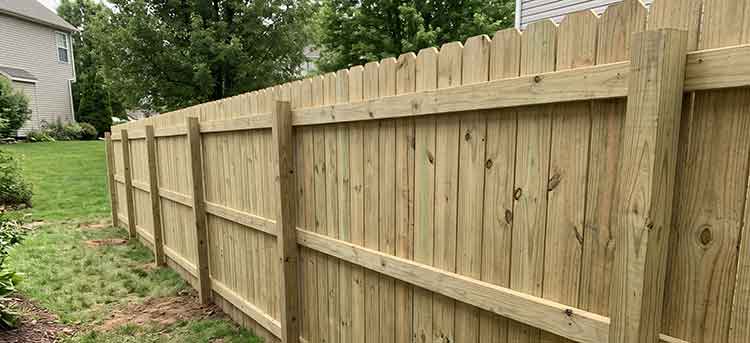
- Requires prompt sealing to control moisture movement: If you wait too long the boards can twist. I sealed mine within two weeks and still saw minor checking on a few sun-exposed faces. Skipping that step leads to more noticeable movement.
- Chemical concerns for some households: Gardeners and pet owners sometimes prefer to avoid preservatives near edible plants or play areas. I kept vegetable beds a few feet away and rinsed tools after cutting.
- Initial green color looks unfinished: Until the treatment weathers or you stain over it, the fence reads as temporary. Neighbors asked when I planned to paint, which pushed me to finish sooner than I wanted.
- Heavier boards increase labor time: Lifting and aligning denser stock took longer. On hot days the extra weight slowed my pace compared with the cedar sections I later installed for comparison.
- Potential for fastener corrosion if wrong hardware is used: I switched to hot-dipped galvanized screws after reading labels. Standard electro-galvanized fasteners can fail faster in treated wood.
Key Features of Cedar Fences
- Natural oils and tannins that resist decay: Western red cedar contains compounds that fungi and insects avoid. I left a scrap outside for months and it showed no soft spots while an untreated pine scrap nearby began to discolor.
- Distinctive color and grain: Fresh boards show warm reds, browns, and occasional cream streaks. The grain is straight and relatively free of knots on clear grades. My sections looked finished the day I installed them.
- Lightweight construction: A 6-foot cedar picket weighs noticeably less than its treated counterpart. That made solo work safer and reduced fatigue when I hung dozens of boards.
- Pleasant aroma: The scent lingers for weeks after installation. Visitors commented on it, and I found the smell preferable to the temporary chemical odor of treated stock.
- Stable dimensions with proper drying: Kiln-dried cedar stays flatter than many softwoods. I had fewer boards that cupped once I let them acclimate for a few days before nailing.
Also Read: Comparison of Cedar And Vinyl Fence.
Pros of Cedar
- Attractive natural finish that improves curb appeal: The color and grain make the fence look intentional rather than purely functional. Guests noticed the warmth immediately and asked about the wood type.
- Lower ongoing maintenance once installed: I clean it once a year with a mild detergent and apply a clear oil every two or three seasons. That routine is lighter than the annual sealing many treated fences need to stay flat.
- Excellent dimensional stability in changing weather: Cedar expands and contracts less dramatically. My panels stayed square through a wet spring and dry summer with almost no adjustment.
- Naturally resistant without added chemicals: Families with young children or pets often choose it for that reason. I felt comfortable letting my dog run along the fence line from day one.
- Ages gracefully into a uniform silver tone: If you prefer the weathered look, cedar reaches it evenly. My test board turned a soft gray that matched older cedar fences on the street.
Cons of Cedar
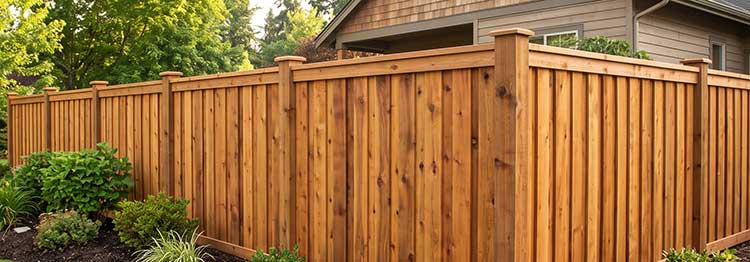
- Higher material cost limits project size: The price difference forced me to phase the work. I completed the front yard in cedar and used treated wood on the less visible back line to stay within budget.
- Softer surface can dent more easily: Lawn equipment and balls left marks. I added a small buffer strip of harder wood near the gate where traffic is highest.
- Color fades unless protected: Without oil or stain the rich tones shift to gray within a year or two in full sun. I accepted the change on one section and kept another oiled for contrast.
- Supply can vary by region and season: Clear grades sometimes require ordering ahead. I waited an extra week for matching lengths on my second delivery.
- Not ideal for constant ground contact without care: While resistant, cedar posts benefit from gravel bases or barriers in very wet soil. I elevated mine slightly and saw no issues, but pure burial needs monitoring.
Installation Considerations From My Project
I set posts on 8-foot centers for both materials and used the same concrete mix. Treated posts went in faster because I did not worry about extra drainage layers.
Cedar posts needed a bit more care at the base to keep standing water away. Rail attachment was straightforward on both once I pre-drilled the treated stock. The lighter cedar boards let me work higher on the ladder with less strain, which mattered on the 6-foot privacy sections.
Alignment stayed easier with cedar because the boards stayed flatter during the build. I checked levels every few panels and made fewer corrections.
Fastener choice differed: coated screws for treated wood and stainless for the cedar face boards to avoid staining.
Maintenance Routines That Actually Work
For pressure-treated wood I applied a water-repellent sealer the first fall and again the next spring. That schedule kept checking minimal. Annual washing removes surface dirt before it embeds. After three years the stain still looks even on the shaded side.
Cedar needs less frequent attention. I hose it down each spring and spot-clean any mildew with a soft brush. A thin coat of penetrating oil every couple of years restores color if I want it. Left alone it simply silvers and remains sound.
Environmental and Practical Trade-offs
Treated wood uses fast-growing plantation pine, which is plentiful, yet the preservatives stay in the wood for its service life.
Disposal at the end requires care; I plan to take old boards to a facility that accepts them rather than burning or burying them.
Cedar comes from managed forests in many cases and biodegrades more readily. The higher price reflects slower growth and selective harvesting.
In my climate both materials have performed well, so the choice came down to budget versus the look I wanted visible from the patio.
Also Read: Comparison of Cedar And Pine Fence.
Frequently Asked Questions (FAQ)
It needs regular sealing to limit warping, starts with a green tint, is heavier to handle, and some people prefer to avoid the preservatives near gardens or pets.
Cedar often reaches 20-30 years with basic care thanks to natural resistance, while properly sealed pressure-treated wood commonly lasts 15-20 years before major repairs.
Cedar material typically runs 30-50 percent higher than pressure-treated wood for the same style and height, which widens further once labor is added.
Installed 6-foot cedar privacy fencing commonly falls between $25 and $45 per linear foot depending on grade, region, and site conditions.
Wrapping Up
After living with both materials on the same property I see clear roles for each. Pressure-treated wood gave me reliable coverage at a price I could manage, while cedar delivered the finished appearance and lighter upkeep I preferred on the street-facing side.
You can match the material to the visibility and budget of each section of your fence and still end up with a solid result that lasts. The right pick is the one that fits how you use the yard and what you are willing to maintain over the next decade.