
I compared cedar and vinyl fencing options while planning my own backyard enclosure and put together this breakdown so you can see which material matches your priorities for privacy, looks, and long-term ownership.
Both can create a solid boundary and improve curb appeal, yet they handle weather, upkeep, and budget differently. The details below cover the practical differences I noticed so you can pick the better match for your property and lifestyle.
| Aspect | Cedar Fence | Vinyl Fence |
| Material | Natural Western red cedar wood | Rigid PVC plastic |
| Initial Cost | Moderate to high depending on grade | Often higher upfront |
| Lifespan | 15–25 years with regular care | 20–30+ years with minimal care |
| Maintenance | Needs staining or sealing every few years | Wash occasionally, no painting |
| Appearance | Warm grain and color that ages naturally | Consistent color and smooth surface |
| Durability | Resists insects and rot better than pine but can warp | Impact resistant, won’t rot or fade much |
| Eco Impact | Renewable if responsibly harvested | Plastic derived from petroleum, recyclable in some programs |
| Installation | Can be DIY or pro, boards may need trimming | Usually professional, panels snap together |
| Privacy | Excellent with solid boards | Excellent with solid panels |
Key Differences Between Cedar and Vinyl Fences
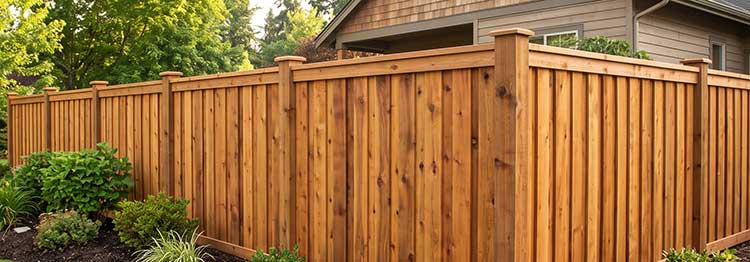
- Cost Over The Full Ownership Period: When I priced both for a 100-foot privacy run, cedar lumber and posts came in lower at the start, yet the vinyl quote included everything ready to install. Over ten years the cedar side added up with sealant, labor for restaining, and occasional board replacements, while vinyl stayed closer to the original spend. You end up paying more early for vinyl but less later if you value free weekends.
- How Each One Handles Moisture And Weather: Cedar swells and shrinks with rain and sun, which I saw on a neighbor’s fence that developed small gaps after a wet winter. Vinyl stays dimensionally stable because the plastic does not absorb water. In freeze-thaw climates the cedar can develop checks, while vinyl stays true unless extreme cold makes it brittle on impact.
- Visual Character And How It Changes: Cedar starts with rich reddish-brown tones and visible grain that many people prefer for a natural yard look. After a few seasons it silvers if left unfinished, which some like and others cover with stain. Vinyl keeps the exact color you choose from day one and never develops a weathered patina, so the fence looks the same in year one and year fifteen.
- Maintenance Time And Effort: I spent two full weekends every three years on my previous wood fence—pressure washing, letting it dry, then brushing on stain. Vinyl needs only a hose and mild soap once or twice a year to remove dirt or mildew. If your schedule is already full, the difference in annual hours is noticeable.
- Environmental Footprint From Production To Disposal: Cedar comes from trees that can be replanted, and scraps can be burned or composted in some cases. Vinyl production uses more energy and fossil inputs, yet the finished panels last longer and can sometimes be recycled. The better choice depends on whether you prioritize renewable materials or fewer replacements over decades.
- Repair And Replacement Of Single Sections: A cracked cedar board can be swapped by unscrewing it and sliding in a new one from the local lumber yard. Vinyl panels are modular, but matching an older color or finding the exact profile years later can be harder if the manufacturer updates the line. I found spare cedar easier to source quickly.
- Sound And Wind Performance: Solid cedar boards block street noise reasonably well and flex slightly in strong gusts. Vinyl panels are also solid and quiet, yet they can act like a sail if the posts are not set deep enough. Both need proper footings; the difference shows more in how the material itself moves.
Also Read: Is Lowe’s Fence Installation Worth It?
Key Features of a Cedar Fence
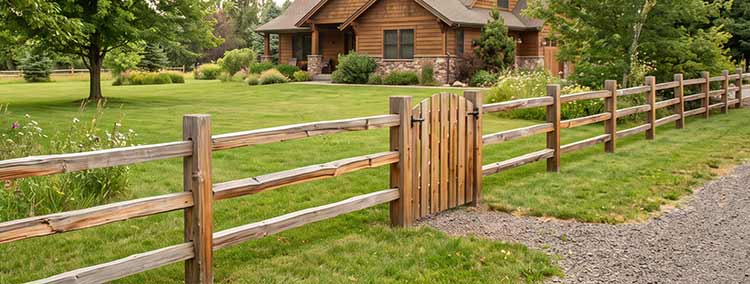
- Natural resistance to decay and insects: Western red cedar contains oils that discourage rot and many wood-boring bugs, which is why it outperforms untreated pine or fir in outdoor use. I checked older installations and the heartwood stayed sound even where the surface had weathered. You still need good drainage at the base so soil does not stay wet against the boards.
- Distinct grain patterns and color variation: Each board shows unique streaks and knots that give the fence character no two sections look identical. The color ranges from light honey to deep reddish brown depending on the cut and grade. This variation is part of the appeal if you want a handcrafted appearance rather than a uniform wall.
- Ability to accept stains, paints, or clear finishes: You can change the look later by applying a semi-transparent stain that highlights the grain or a solid color that covers it. I tested samples and found oil-based products penetrate better than water-based on fresh cedar. The option to refresh the color keeps the fence matching other wood elements on the property.
- Workability with standard tools: Cedar cuts cleanly with a circular saw and accepts screws without splitting as easily as harder woods. Posts can be notched or brackets used, and rails attach with basic fasteners. This makes mid-project adjustments simpler if you discover an uneven yard line.
- Thermal comfort and surface feel: The wood stays cooler to the touch in summer sun than dark vinyl and does not heat up as much. In winter it does not feel as cold and rigid. For families with kids or pets that brush against the fence, the organic surface can feel less harsh.
- Availability in multiple grades and profiles: Clear vertical grain boards cost more and show fewer knots, while tighter-knot grades offer a rustic look at lower price. You can choose dog-ear, gothic, or flat-top styles and even mix solid privacy sections with lattice tops. Local yards usually stock common heights so you can start sooner.
Pros of Choosing Cedar
- Natural beauty that blends with landscaping: The warm tones and visible grain complement gardens, stone paths, and wood siding better than many plastics. Over time the fence develops a soft silver patina if you prefer that look, or you keep the original color with finish. Neighbors often comment that a well-maintained cedar fence feels established rather than new.
- Better performance in high-wind areas when built correctly: Individual boards can flex a little instead of transferring all force to the posts. With adequate post depth and proper bracing, cedar fences have stood through storms that cracked rigid panels. I saw this on properties that face open fields.
- Easier to modify or expand later: You can add a gate, cut an opening for a new path, or extend a run by matching boards from the same supplier. Stain can be blended so the new section does not stand out. This flexibility matters if your yard layout changes over the years.
- Potential for lower initial material cost: Depending on local lumber prices and the grade you select, cedar can start cheaper than premium vinyl systems. If you handle some of the labor yourself, the gap widens. Budget-conscious projects often begin here and add finish later.
- Renewable resource with lower embodied energy in some cases: Trees regrow, and cedar mills often use local timber. The processing requires less heat and chemicals than plastic extrusion. For owners focused on material origin, this is a clear advantage.
- Pleasant scent and organic feel when new: Fresh cedar releases a light aroma that many people enjoy during installation. The surface has a slight texture that feels natural under the hand. These small sensory details add to the satisfaction of the finished project.
Cons of Choosing Cedar
- Requires ongoing maintenance to look its best: Without periodic cleaning and refinishing, the wood weathers unevenly, develops mildew in shaded spots, and can gray out faster on the sunny side. I tracked the time on a previous fence and found it added several hours each year once the kids were older and schedules tighter.
- Susceptible to warping, cupping, and splitting over time: Even quality cedar moves with humidity swings. Boards can twist enough to create gaps or become loose on the rails. In extreme dry climates the ends check more readily if not sealed promptly after installation.
- Higher long-term cost when labor is included: Professional restaining every three to five years adds up, and damaged boards need replacement. If you hire out all the work, the cumulative expense can surpass a vinyl fence within a decade. DIY owners reduce this, yet still invest time and materials.
- Variable quality depending on supplier and grade: Lower-grade boards may contain more sapwood that decays sooner or knots that fall out. Checking moisture content and looking for tight grain helps, but you still sort through stacks at the yard. Inconsistent pieces slow installation.
- Can attract certain insects if not protected: While cedar resists many pests better than other woods, carpenter bees sometimes bore into unfinished rails or posts. Regular inspection and sealing the end grain reduces the risk. In heavy termite regions additional barriers may still be needed.
- Limited color options without refinishing: You start with the natural wood tones. Changing to a completely different color later means more prep work and multiple coats. Vinyl offers the chosen color from the factory with no extra steps.
Also Read: Is Home Depot For Fence Installation Worth It?
Key Features of a Vinyl Fence
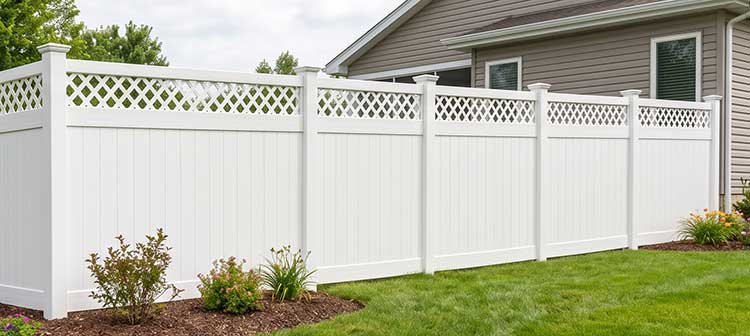
- Color-through construction that resists fading: The pigment runs through the entire thickness of the panel, so scratches do not reveal a different color underneath. UV inhibitors in the compound slow chalking and color shift even in full southern exposure. I compared a five-year-old sample to a new one and the difference was subtle.
- Smooth, splinter-free surface: There are no sharp edges or loose fibers that can catch clothing or skin. The molded texture can mimic wood grain or stay completely flat. This makes the fence safer around play areas and easier to clean after a muddy season.
- Interlocking panel systems for quick assembly: Most residential vinyl fences use posts with routed holes or brackets so rails and pickets slide or snap into place. Once the posts are set, a crew can close a long run in a single day. The precision fit reduces gaps that appear in wood as it moves.
- Resistance to rot, insects, and moisture absorption: Vinyl does not provide a food source for termites or carpenter ants and will not swell or delaminate when soaked. Standing water at the base does not cause the same bottom-board failure common in wood. This is useful in rainy regions or near sprinklers.
- Wide range of styles and heights in stock colors: Manufacturers offer privacy, semi-privacy, picket, and ranch styles in white, tan, gray, and wood-tone finishes. Heights from four to eight feet cover most zoning needs. Matching gates with the same hardware come as complete kits.
- Low thermal expansion when properly installed: Expansion gaps built into the rail connections allow the material to move slightly with temperature without buckling. In my climate the posts stayed plumb and the panels remained even after a hot summer. Proper post spacing prevents the wavy look some older installs develop.
Pros of Choosing Vinyl
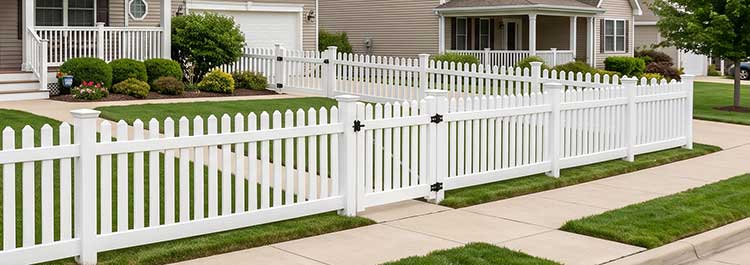
- Minimal maintenance keeps weekends free: After installation the main tasks are occasional rinsing and checking that gates still latch. No sanding, no staining schedules, and no worry about missing a season and watching the surface degrade. For busy households this single factor often decides the purchase.
- Consistent appearance year after year: The fence looks nearly the same after a decade as it did the week it went up. Color stays even across all panels, and there is no uneven weathering between sun and shade sides. This predictability appeals when you want the yard to stay polished without constant attention.
- Strong resistance to moisture-related problems: Vinyl will not rot at the ground line, swell in prolonged rain, or develop the soft spots that appear in neglected wood. Sprinkler overspray and wet leaves against the base cause less damage. In coastal or high-rainfall areas this durability shows clearly.
- Clean lines and modern or traditional styles available: Smooth panels give a crisp, contemporary look, while textured versions approximate wood without the upkeep. You can match the fence to a specific house color or keep it classic white. The uniformity creates a tidy boundary that photographs well.
- Longer intervals between major repairs: Quality vinyl systems rarely need structural work in the first twenty years if posts are set correctly. Impact damage is the main risk, and even then a single panel can be replaced. Owners report fewer service calls compared with wood.
- Good value when lifetime cost is calculated: Although the purchase price is frequently higher, the absence of refinishing labor and materials narrows the gap. In my comparison the vinyl option became cheaper by year twelve when professional wood maintenance was included. Your numbers will vary with local rates.
Cons of Choosing Vinyl
- Higher upfront investment for most projects: Material and professional installation often exceed the cost of cedar lumber plus basic labor. Financing or phased payment may be needed for larger yards. If cash flow is tight in the first year, the difference can feel significant.
- Less natural appearance and texture: Even wood-grain vinyl lacks the depth and variation of real cedar. Up close the surface reads as manufactured. Some homeowners prefer the organic look enough to accept the extra care wood requires.
- Potential for cracking or brittleness in extreme cold: Below certain temperatures the plastic becomes less flexible. A hard impact from a thrown object or vehicle can crack a panel where wood might only dent. In northern climates choosing a thicker gauge and proper installation reduces this risk.
- Color and style matching can be difficult years later: Manufacturers update formulas and discontinue profiles. Finding an exact replacement panel after eight or ten years sometimes requires contacting the original supplier or accepting a close match. Wood is easier to source generically.
- Environmental concerns around plastic production and end of life: The material relies on petrochemicals, and not all vinyl fence components are widely recycled. Disposal at the end of its long life usually means landfill unless a specialty program exists. Owners weighing total impact consider this alongside the reduced replacement frequency.
- Can show dirt and mildew more readily on lighter colors: White and light gray panels highlight pollen, road dust, and algae in shaded areas. While cleaning is simple, the contrast makes spots visible sooner than on darker wood or stained cedar. Regular rinsing keeps it looking sharp.
Also Read: Is Petootsy Wireless Dog Fence Worth It?
Frequently Asked Questions (FAQ)
Vinyl costs more at the start, can crack under hard impact in very cold weather, and lacks the natural grain and variation of wood. Matching replacement parts years later may also be harder if styles change.
It depends on your priorities. Cedar works well if you want natural looks and can handle periodic maintenance. Vinyl is often better if low upkeep and long-term consistency matter more than initial price or organic texture.
Vinyl usually has a higher purchase and installation price. Cedar starts lower but adds expense over time through staining, sealing, and occasional repairs, so the gap narrows or reverses after roughly ten to fifteen years depending on local labor rates.
Vinyl is better for owners who want minimal ongoing work and a uniform appearance. Wood, particularly cedar, is better if you prefer natural materials, easier on-site adjustments, and the option to change the finish later.
Wrapping Up
After weighing the numbers, the time, and the way each material ages on actual properties, I see clear reasons to choose either cedar or vinyl depending on what matters most to you. Cedar offers warmth, workability, and a renewable option if you are willing to maintain it.
Vinyl delivers consistency and freedom from routine refinishing if the higher starting cost fits your plan. You can walk your yard, note the sun exposure and soil conditions, and match those details to the strengths above.
Either fence will serve well when installed properly, and the decision comes down to the balance of effort and appearance you want over the next fifteen to twenty years.