
I have walked through more window-treatment decisions than I can count, both in my own rooms and for people who asked me what actually works day to day.
You are probably standing in the same spot right now: you like the clean look of one option and the soft folds of the other, yet you need something that controls light, stays practical, and does not fight the rest of your space.
This comparison lays out the real differences so you can match the shade to the way you use each room.
| Feature | Roller Shades | Roman Shades |
| Overall Look | Flat, minimal, modern | Soft folds, layered, classic or transitional |
| Light Control | Excellent with blackout or solar fabrics; precise positioning | Very good with liners; softer diffusion when sheer |
| Privacy | Strong once fully lowered | Strong, with fabric volume adding a sense of coverage |
| Price Range | Generally lower for standard sizes | Typically higher because of fabric quantity and construction |
| Cleaning | Wipe or vacuum the flat surface easily | Folds can trap dust; some fabrics need careful handling |
| Insulation | Good with proper fabric and side channels | Often stronger due to fabric bulk and optional liners |
| Operation | Simple up/down; many motorized choices | Usually cord or continuous-loop; motorized options exist |
| Best Fit | Contemporary rooms, large windows, tight budgets | Traditional or mixed styles, windows you want to soften |
Key Differences Between Roller Shades and Roman Shades
- Appearance and Fabric Behavior

Roller shades stay completely flat when lowered and roll into a compact tube at the top.
The fabric never stacks or billows, so the window looks open and uncluttered even when the shade is only halfway down.
Roman shades gather into neat horizontal folds that stack at the top when raised. Those folds create texture and depth that many people find warmer.
I have seen the same living-room window look sharp and architectural with a roller shade, then softer and more inviting once a Roman shade went up in its place.
The difference is not just style; it changes how much visual weight the window carries.
- Light and Privacy Control in Daily Use
Both can block light well, yet they do it differently. A roller shade with a blackout fabric drops straight down and seals most light once you add side channels.
You can stop it at any height for partial light without any fabric hanging loose. A Roman shade usually needs a separate blackout liner if you want the same level of darkness. When you raise it, the folds still cover part of the glass, so partial light feels more diffused.
In a bedroom I helped outfit, the roller shade let the owner drop it exactly to the top of the headboard for morning light while still blocking the street. The Roman version looked prettier but required raising it higher to achieve the same open feel.
- Space and Bulk When Raised
Roller shades disappear almost completely into a slim cassette or simply sit as a thin roll. They work well on windows where you do not want anything protruding into the room. Roman shades leave a stacked band of fabric at the top.
On a tall window that stack can be several inches deep. If your window sits close to a ceiling or next to a cabinet, that extra depth matters. I measured one kitchen window where the Roman stack would have bumped the underside of the cabinet; the roller shade cleared it with room to spare.
- Durability and Long-Term Wear
Roller mechanisms are simple: a tube, a spring or motor, and fabric attached at one edge. Fewer moving parts usually mean fewer things to adjust over years. Roman shades rely on lift cords or tapes that run through rings or pockets.
Those components can stretch or fray if the shade is large or pulled unevenly. Quality matters for both, yet the mechanical difference shows up after five or six years of daily use. A well-made roller often still operates smoothly while a Roman of similar age may need cord replacement.
Key Features of Roller Shades
- Slim Profile and Clean Lines: The fabric stays taut and flat. You can choose a cassette that hides the roll entirely or leave the roll exposed for a more industrial look. This simplicity suits modern furniture and large glass walls where you do not want extra visual noise.
- Wide Fabric Range: Options run from sheer solar screens that cut glare while keeping the view, to room-darkening fabrics, to full blackout materials. Many are available in wide widths, so one shade can cover a large window or sliding door without seams. I have used solar rollers on west-facing windows to drop indoor temperatures several degrees without making the room feel closed.
- Precise Height Control: Because the fabric does not fold, you can stop the shade at any point and it stays level. This is useful for privacy at night while still letting light in above eye level, or for blocking low sun without darkening the whole room.
- Motorization and Smart Options: Battery, plug-in, and hardwired motors are common. Many pair with remotes, apps, or voice assistants. The mechanism is straightforward, so motorized rollers tend to stay reliable. In a home office I set up, the owner schedules the shades to lower at 3 p.m. when the sun hits the monitors.
- Easy Installation and Adjustment: Most come with brackets that screw into the window frame or wall. Once mounted, you can usually fine-tune the stop points or tension without special tools. Standard sizes ship quickly; custom sizes are widely available.
Pros of Roller Shades
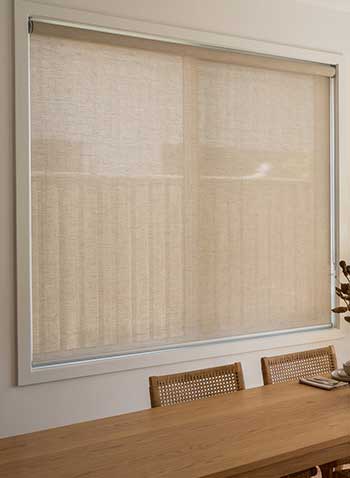
- Lower Cost for Most Sizes: Standard roller shades often cost noticeably less than comparable Romans. Even custom rollers usually stay under the price of custom Romans because less fabric is required and the construction is simpler. If you have several windows, the savings add up quickly.
- Excellent Light Blocking with the Right Fabric: A quality blackout roller with side channels can darken a room more completely than many lined Romans. The flat surface leaves fewer gaps for light to leak around the edges.
- Minimal Dust Collection: The flat fabric does not create pockets that hold dust. A quick vacuum or wipe keeps them looking clean. This matters in homes with pets or in kitchens where airborne grease settles.
- Clean, Contemporary Appearance: They suit minimalist, mid-century, and modern interiors without competing with furniture or art. On large windows they preserve the view when raised.
- Reliable Operation Over Time: Fewer components mean less chance of cords tangling or mechanisms binding. Many owners report years of trouble-free use, especially with motorized versions.
- Good for Large or Wide Windows: Wide rollers are common and relatively affordable. Covering a sliding door or picture window with one or two units is straightforward.
Cons of Roller Shades
- Can Look Plain in Traditional Rooms: If your furniture and architecture lean classic or ornate, a flat roller may feel too stark. The absence of texture can make the window look unfinished next to heavier drapery or detailed millwork.
- Limited Insulation Without Extra Measures: A single layer of fabric does not trap air the way stacked Roman fabric can. You may need a heavier fabric, a dual-shade system, or side channels to improve thermal performance.
- Fabric Can Show Waves or Creases: Lower-quality rollers sometimes develop slight waves across the width, especially in wider sizes or after temperature changes. Higher-end fabrics and proper tension reduce this, yet it remains a possible issue.
- Less Decorative Flexibility: Patterns work, but large-scale prints can look awkward when the fabric is stretched flat. Subtle textures or solids usually perform better.
- Visible Hardware on Some Models: Unless you choose a cassette, the roll and brackets stay visible when the shade is raised. In very formal rooms that hardware can feel utilitarian.
Also Read: Is Stoneside Blinds And Shades Worth It?
Key Features of Roman Shades
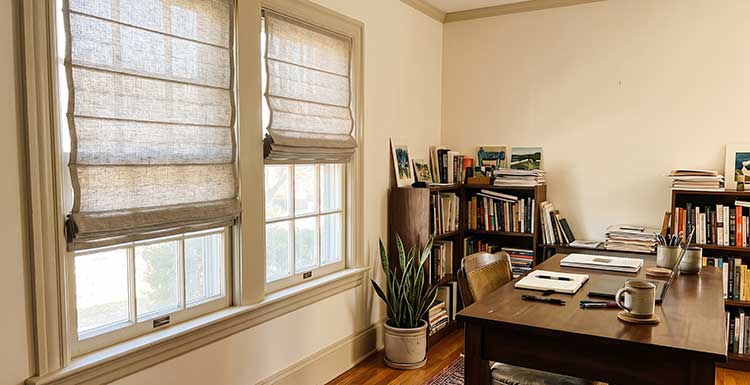
- Soft Folded Texture: The fabric gathers into even horizontal pleats. You can choose flat-fold, hobbled, or relaxed styles. The folds add dimension that flat treatments lack. Many people choose Romans specifically because the stacked fabric looks intentional rather than mechanical.
- Layered Construction and Liners: Most Roman shades accept a separate liner. You can pair a decorative face fabric with a blackout or thermal liner. This combination gives you both appearance and performance. The extra layer also improves insulation on cold windows.
- Fabric Variety Beyond Standard Blinds: Designers often use the same upholstery or drapery fabrics found elsewhere in the room. Patterns, textures, and heavier weights are easier to incorporate because the shade does not have to roll tightly. I have seen linen, silk-look, and even outdoor-rated fabrics used successfully.
- Cord or Continuous-Loop Operation: Traditional cord lifts remain popular, though many manufacturers now offer continuous-loop or cordless versions for safety. Motorized Romans exist, yet the mechanisms are usually more complex than roller motors because they must manage the folding action.
- Custom Fit and Shape Options: Romans can be made for arched or angled windows more readily than rollers in many shops. The soft construction adapts to non-rectangular openings without looking forced.
Pros of Roman Shades
- Softer, More Finished Appearance: The folds add warmth and interest that many people prefer in living rooms, bedrooms, and dining areas. Even a simple solid fabric looks intentional once it gathers.
- Strong Insulation Potential: The layered fabric and optional liners create pockets of still air. On older windows this can reduce drafts more effectively than a single-layer roller.
- Excellent for Pattern and Texture: Because the fabric folds rather than rolls, you can use richer materials and larger patterns without the design becoming distorted. Coordinating with upholstery or pillows is easier.
- Versatile Style Range: Flat-fold Romans look almost contemporary; relaxed or hobbled styles feel traditional. You can shift the mood of a room without changing the overall window treatment type.
- Good Partial-Light Diffusion: When raised partway, the remaining folds soften incoming light instead of creating a hard line. This can be pleasant in rooms where you want brightness without glare.
Also Read: Comparison of Alta Window Fashions And Hunter Douglas Shades.
Cons of Roman Shades
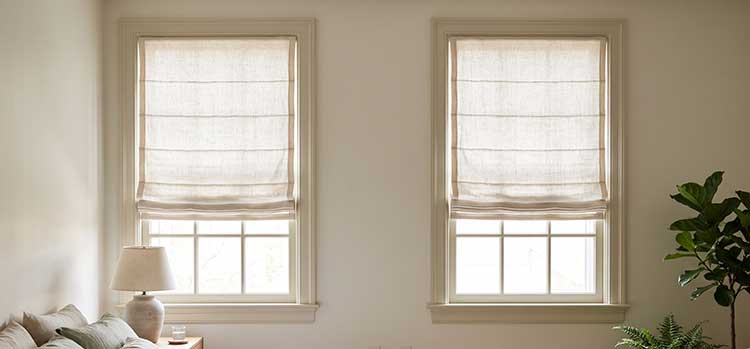
- Higher Price Point: More fabric, more labor to construct the folds and pockets, and often custom sizing push the cost up. Budget Romans exist, yet they may use thinner materials that do not hold their shape as well.
- Folds Collect Dust: The horizontal pockets trap dust and pet hair. Regular vacuuming with a soft brush attachment is necessary, and some fabrics cannot be wiped easily.
- Bulk When Raised: The stacked fabric takes up vertical space at the top of the window. On shorter windows or those with limited headroom, this can feel heavy or block part of the view even when “open.”
- More Complex Mechanisms: Lift cords, tapes, and rings add points that can wear. Large or heavy Romans sometimes require two people to operate smoothly if they are not motorized.
- Cleaning and Repair Can Be Harder: Delicate face fabrics may need professional cleaning. If a cord breaks, repair usually means taking the shade down and often sending it out.
Installation, Operation, and Everyday Practicality
Mounting either type is similar if you stay inside the window frame. Outside mounts give more coverage and can make small windows look larger.
Rollers generally install faster because the brackets are simpler and the shade is lighter until the fabric is fully extended. Romans can be heavier once the fabric is attached, so secure anchoring matters on drywall.
Day-to-day operation favors rollers for most people. A quick pull or button press moves the shade exactly where you want it. Romans look elegant in motion, yet the folding action takes a moment longer and can feel less precise if the cords are not perfectly balanced.
Motorized versions of both reduce the difference, although roller motors remain more widely available at lower price points.
In rooms with children or pets, cordless or motorized options matter for safety. Both styles now offer them, yet rollers adopted cordless designs earlier and still tend to have more affordable choices.
Matching Each Style to Specific Rooms
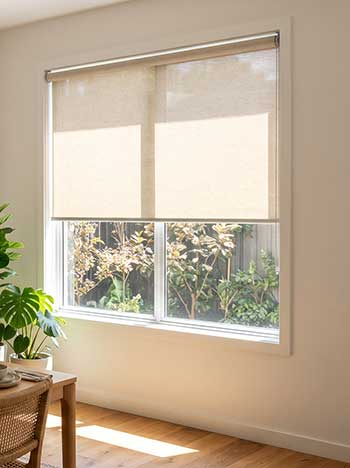
Bedrooms often benefit from strong light blocking.
A blackout roller with side channels usually wins if total darkness is the priority.
A lined Roman can come close and adds softness that many people want around a bed.
I have used both successfully; the choice usually comes down to whether the rest of the bedding and furniture already carry enough texture.
Living rooms and dining areas frequently favor Romans because the folds complement sofas, curtains, and table settings.
A roller can still work if the room is deliberately modern and the windows are large.
Kitchens and home offices lean toward rollers for easy cleaning and precise glare control.
Bathrooms with moisture need moisture-resistant fabrics either way; rollers with vinyl or polyester options are common and straightforward.
Cost, Longevity, and Overall Value
Entry-level rollers for standard windows can be quite affordable. Custom sizes and specialty fabrics raise the price, yet they often stay below custom Romans of similar quality.
Romans start higher and climb quickly once you add liners, upgraded fabrics, or motorization. Over ten years the difference in initial cost may be offset if the Roman’s insulation lowers heating or cooling bills, but that depends on your climate and window quality.
Both last well when made with decent materials. Rollers tend to need less maintenance.
Romans may require occasional cord adjustments. If you plan to stay in the home for many years, either can be a sound investment; if you expect to move sooner, the lower cost of rollers reduces the risk of leaving money behind.
Also Read: Comparison of Zebra Blinds And Cellular Shades.
Frequently Asked Questions (FAQ)
The main downsides are higher cost, dust that collects in the folds, and the bulk of stacked fabric when the shade is raised. Large sizes can also be heavier to operate if they are not motorized.
Motorized and smart-controlled shades continue to grow in popularity, along with lighter, natural-looking fabrics and layered treatments that combine sheer and opaque options in one window.
They can look plain in traditional rooms, offer less insulation than layered options unless you add channels or dual systems, and lower-quality fabrics may show waves or creases over time.
Yes, Roman shades are typically more expensive. They use more fabric and require additional construction for the folds and pockets, so both standard and custom versions usually cost more than comparable roller shades.
Wrapping Up
You now have a practical picture of how roller shades and Roman shades actually perform once they are on your windows.
Rollers give you clean lines, strong light control, easier cleaning, and usually a lower price. Romans give you soft texture, better insulation potential, and a more finished look that many rooms benefit from.
Match the choice to the room’s style, how much light you need to manage, and what you are willing to spend. With those details in mind, you can select the treatment that fits the way you live rather than simply the way a catalog photo looks.