
I’ve spent a considerable amount of time researching, comparing, and breaking down two of the most talked-about window brands in the U.S. — Pella and Andersen. If you’re renovating your home or building from scratch, this decision matters more than you might think.
In this article, I’m walking you through everything — from materials and energy efficiency to pricing and real-world performance — so you can make a choice that fits your home, your climate, and your budget without any second-guessing.
| Feature | Pella | Andersen |
| Headquarters | Pella, Iowa | Bayport, Minnesota |
| Material Options | Wood, fiberglass, vinyl, aluminum-clad | Wood, fiberglass, composite, vinyl |
| Signature Material | Fiberglass & wood-clad | Composite (Fibrex) & wood |
| Entry-Level Price (per window) | ~$150–$400 | ~$180–$450 |
| Mid-Range Price | ~$400–$900 | ~$450–$1,000 |
| High-End Price | ~$1,000–$2,500+ | ~$1,200–$3,000+ |
| Energy Star Certified | Yes | Yes |
| Warranty | Limited lifetime (varies by series) | Limited lifetime (varies by series) |
| Customization Level | High | Very High |
| Best For | Budget-conscious buyers & durability seekers | Premium aesthetics & high-end builds |
| Contractor Availability | Nationwide | Nationwide |
| Online Reviews | Generally positive | Generally positive |
Key Differences Between Pella And Andersen Windows
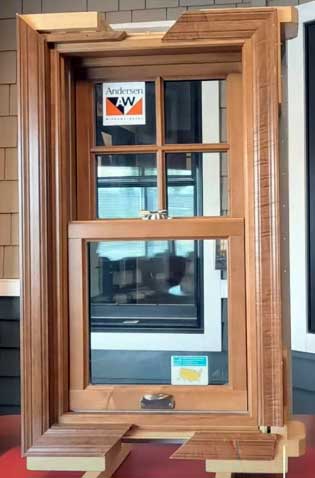
These two brands often get lumped together because they’re both premium, both widely available, and both well-reviewed. But they’re genuinely different in ways that matter depending on your priorities. Here’s where they truly diverge:
- Pella leans heavily into fiberglass as its premium material, while Andersen’s top-tier products are built around its proprietary Fibrex composite — a material that no other manufacturer produces
- Andersen’s product lineup is broader and more customizable, especially at the high end, where they offer more color options, hardware finishes, and grille configurations than Pella does
- Pella tends to offer more competitive pricing at the entry and mid-range levels, making it a stronger option for homeowners working within a tighter budget without wanting to sacrifice quality
- Andersen windows, particularly the 400 Series and A-Series, carry a stronger reputation among luxury home builders and architects who want windows that make a visual statement
- Pella has a more standardized installation approach, which can make finding a qualified installer slightly easier in smaller markets, while Andersen certified contractors are highly trained but can sometimes be harder to schedule
- Pella’s between-the-glass blinds and shades feature is exclusive to their brand and is a genuine differentiator for homeowners who want low-maintenance interior light control
- Andersen’s warranty terms are slightly more comprehensive at the high end, particularly for their A-Series line, where frame and glass coverage often extends more robustly than comparable Pella warranties
- When it comes to historical resale value impact, Andersen windows tend to carry slightly more name recognition with home appraisers and buyers, particularly in markets where premium construction is a selling point
- Pella offers more accessibility at the retail level through big-box stores (they partner with Lowe’s), while Andersen’s better product lines are typically sold exclusively through authorized dealers and contractors
- Both brands offer strong Energy Star-certified options, but Pella’s Impervia line (full fiberglass) is specifically designed for extreme climates, giving it an edge in markets with harsh winters or intense summer heat
Also Read: Low-E to Argon Gas: Precision Window Cost Estimator for Energy Savings.
Pella Windows: Key Features
Pella has a diverse lineup that spans several distinct series, each targeting a different buyer profile. Here’s a detailed look at what makes Pella windows worth considering:
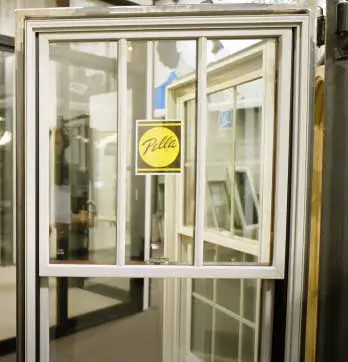
- The Pella 250 Series is the brand’s entry-level vinyl window — affordable, double-pane, and available in white and tan finishes. It’s ideal for rental properties, flips, or budget renovations where performance matters but aesthetics are secondary
- The Pella 350 Series steps up with a more refined vinyl construction, better weather stripping, and improved thermal performance. It’s the sweet spot for homeowners who want solid value without going all-in on premium materials
- The Impervia Series is Pella’s fully fiberglass window line, and it’s honestly one of the most durable window options on the market. Fiberglass doesn’t expand and contract like vinyl, so these windows maintain a tight seal even through dramatic temperature swings — perfect for Minnesota winters or Texas summers
- Pella’s Designer Series is the flagship — beautiful wood-interior windows with aluminum or fiberglass-clad exteriors. These are the ones architects love because they bring warmth indoors while keeping the exterior virtually maintenance-free
- The between-the-glass blinds and shades system is a Pella-exclusive that genuinely solves a common homeowner frustration. The blinds are sealed inside the glass unit — no cleaning, no tangling, no replacement — and they can be operated manually or motorized
- All Pella windows across their higher-end series come with standard Low-E glass coatings, which significantly reduce heat transfer and UV penetration — protecting your furniture and your heating/cooling bills simultaneously
- Pella offers a robust triple-pane option in several of their series, which is a major plus in climates with extreme temperature variation. Triple-pane glass adds significant noise reduction as a bonus
- Installation support through Pella’s network of certified contractors is generally rated as strong, with many reviewers noting that Pella installers follow a tighter set of installation protocols than generic window contractors
- Their ProLine series is specifically designed for the contractor and new construction market, offering solid performance at pricing that makes large-scale projects financially viable
- Pella windows are available through Lowe’s for their lower-tier lines, giving DIY-savvy homeowners the option to purchase and hire their own installer without going through a dealer
Pella Windows: Pros
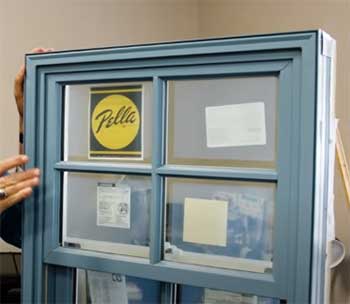
- Pella offers a genuinely wide range of price points, meaning you can buy within the same brand family whether you’re outfitting a rental property or building a custom dream home
- The Impervia fiberglass series is one of the strongest, most weather-resistant window options available at the mid-to-premium price tier — better suited for extreme climates than most vinyl competitors
- Pella’s between-the-glass privacy blinds and shades are a practical, low-maintenance luxury that most other brands simply don’t offer
- Energy efficiency is strong across the board, with most series meeting or exceeding Energy Star standards for multiple climate zones
- Pella’s retail availability through Lowe’s makes it easier for homeowners in smaller markets to access the brand without requiring a specialized dealer
- Their wood-interior, aluminum-clad Designer Series windows bring genuine warmth and aesthetics to interiors while keeping exterior maintenance to a minimum
- Pella’s triple-pane options are available in multiple series, not just the top tier, which gives homeowners real noise reduction and thermal performance without breaking the bank
- Customer service reviews are generally strong, with Pella’s warranty claims process described as reasonably straightforward compared to some competitors
- Their ProLine series makes Pella a realistic option for large new construction projects where per-unit cost is a major factor
- Pella windows tend to have a strong secondary market reputation, with real estate agents noting that Pella installations are a recognized quality signal to buyers
Pella Windows: Cons
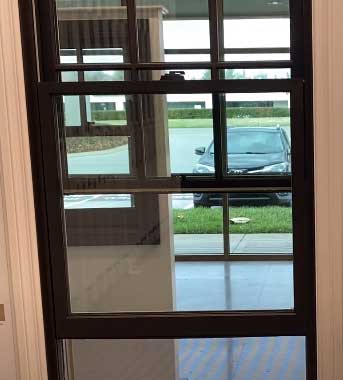
- Entry-level Pella vinyl windows (the 250 Series) are solid but don’t stand out significantly from generic vinyl alternatives — at that price tier, you’re essentially paying a slight premium for the brand name
- The between-the-glass blinds, while clever, can malfunction over time and are notoriously difficult (and expensive) to repair since the entire glass unit must be replaced if the blinds break
- Pella’s customization options, while decent, don’t quite match Andersen’s depth at the luxury tier — especially in terms of color variety, grille patterns, and hardware finishes
- Warranty terms can be confusing because they vary significantly by product series, and some aspects of the Pella warranty (like labor coverage) have specific exclusions that aren’t always clearly communicated at the point of sale
- Pella products sold through Lowe’s are often a stripped-down version of the full lineup — not every option or upgrade is available through that channel, which can create frustration for buyers who assumed they’d have full access
- Fiberglass windows from Pella (Impervia series) are priced at a premium that puts them in direct competition with Andersen’s mid-to-high-tier offerings, so the value proposition gets murky at that level
- Some homeowners in coastal regions have reported that Pella’s standard aluminum cladding options don’t perform as well against salt air corrosion as some competitors’ marine-grade finishes
- Pella’s installation network, while generally good, has some gaps in rural or smaller markets where finding a certified Pella installer can require significant lead time
Andersen Windows: Key Features
Andersen’s lineup is wide, deep, and well-structured. Whether you’re looking for a basic vinyl replacement window or a fully custom architectural statement piece, they have a series for it:
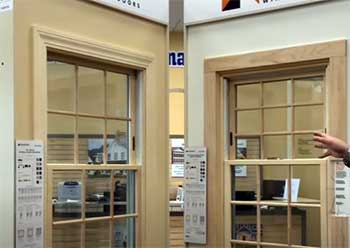
- The 100 Series (TiltWash) is Andersen’s entry-level vinyl offering — practical, affordable, and backed by the Andersen name. These are the go-to recommendation for budget-conscious homeowners who still want brand reliability
- The 200 Series (Narroline) is a double-hung gliding window built for replacement applications — it’s designed to fit most standard openings without structural modifications, which makes it a contractor favorite for quick installs
- The 400 Series is where Andersen starts to genuinely shine. These are wood-interior, aluminum-clad windows with Andersen’s High-Performance Low-E4 glass standard. They’re the most popular Andersen series by volume and represent a genuine balance of performance, aesthetics, and price
- The E-Series (Eagle) is Andersen’s fully customizable premium line — available in wood, composite, fiberglass, and aluminum exteriors, with virtually unlimited color, size, and configuration options. This is the line architects spec for high-end custom homes
- The A-Series is Andersen’s absolute flagship — the most premium, most customizable, and most expensive option in their portfolio. These windows are made almost entirely to order and carry the most comprehensive warranty Andersen offers
- Fibrex composite, used in Andersen’s 100 and 200 Series, is 40% stronger than vinyl and far more stable across temperature swings — it holds paint finishes better, expands less, and doesn’t become brittle in cold climates the way standard vinyl can
- Andersen’s High-Performance Low-E4 glass is standard across most of their mid-to-high-tier lines. This glass has four layers of metallic coating that reflects heat in summer, retains warmth in winter, and blocks a significant portion of UV radiation
- Their SmartSun glass option takes thermal performance even further, with a heat-gain coefficient low enough to dramatically reduce summer cooling loads in warm climates — a real money-saver over time
- Andersen offers one of the most extensive color programs in the industry, with over 50 exterior colors available on their higher-end series. This level of customization is essentially unmatched in the premium window market
- Their RealWood interior option on the 400 Series and above uses genuine pine, with the option to stain or paint to match any interior — giving architects and designers the natural material authenticity they need for high-end projects
Also Read: My Experience With PGT Windows And Doors.
Andersen Windows: Pros
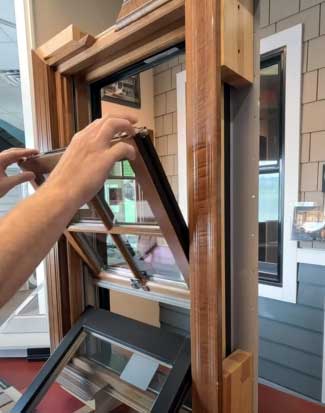
- Fibrex composite material is genuinely superior to standard vinyl in terms of structural stability, temperature performance, and longevity — and it’s exclusive to Andersen
- The 400 Series offers an excellent balance of quality and price for mid-range buyers, and it’s widely considered the best-value premium wood window on the market
- Andersen’s customization options are unmatched at the high end — more colors, more hardware finishes, more grille configurations, more size options than virtually any other window brand
- Their High-Performance Low-E4 glass is standard (not an upgrade) across most of their product lineup, which means you’re getting superior thermal performance without paying extra for it
- Andersen has one of the longest track records in the industry — over 120 years in business — and their windows have a documented history of lasting decades with minimal maintenance
- The A-Series warranty is genuinely comprehensive and covers both glass and frame components at a level that’s difficult to match in the industry
- Andersen’s name carries significant cachet in the real estate and construction markets — installing Andersen windows is a recognized value-add that buyers and appraisers respond to
- Their certified installer network is rigorously trained, and Andersen’s installation quality control is generally considered stronger than the industry average
- SmartSun glass is a legitimate differentiator for homeowners in warm climates who want to seriously reduce solar heat gain without sacrificing visible light transmission
- Andersen’s product breadth means you can mix and match series across a single home — pairing budget-conscious 100 Series in utility rooms with premium A-Series in living areas — while maintaining brand consistency throughout
Andersen Windows: Cons
- Andersen windows are almost universally more expensive than Pella at comparable quality tiers — you’re paying a premium for the brand and the materials, and that premium is real
- Their higher-end lines (E-Series, A-Series) typically require purchase through an authorized dealer, which removes the ability to shop around aggressively on price
- Fibrex, while excellent, is a proprietary material — which means repairs, replacements, and part sourcing must go through Andersen’s network rather than any general window supplier
- Lead times on custom Andersen orders can be significant — especially for E-Series and A-Series configurations — which can create scheduling headaches for contractors managing tight project timelines
- Some homeowners have reported that Andersen’s customer service, while knowledgeable, can be slow to respond to warranty claims, particularly during peak seasons
- The sheer number of series and options can be genuinely overwhelming for first-time buyers who don’t have an architect or experienced contractor guiding the selection process
- Andersen’s entry-level vinyl (100 Series) is priced slightly above comparable vinyl from other brands, and at that tier, the performance difference over cheaper alternatives is marginal
- Their wood interiors, while beautiful, require ongoing maintenance (sealing, painting, or staining) just like any exposed wood — homeowners who expect a fully maintenance-free window at every tier will be disappointed
Which One Should You Choose?
Here’s where I give you my straight-up analysis based on everything above.
Choose Pella if you’re a homeowner looking for exceptional durability at a fair price — especially in an extreme climate. If the Impervia fiberglass series fits your budget, it’s one of the most weather-resistant, long-lasting window options available anywhere in the mid-range market.
Also choose Pella if the between-the-glass blinds feature appeals to you — it genuinely solves a real problem, and no other brand does it as well. And if you’re budget-constrained but don’t want to drop down to a completely generic brand, Pella’s mid-range vinyl lineup gives you solid performance with real quality control.
Choose Andersen if aesthetics, prestige, and long-term brand recognition matter to you. If you’re building or renovating a high-end home where the windows are part of the architectural vision, Andersen’s A-Series or E-Series gives you customization depth that Pella simply can’t match.
Choose Andersen if Fibrex composite appeals to you — it’s a genuinely superior material to standard vinyl, and the stability it offers is impressive in climates with wide temperature swings.
And choose Andersen if you’re buying in a market where home buyers recognize and respond to the brand.
If you’re somewhere in the middle — solid budget, modest customization needs, mainstream aesthetic goals — the Pella 350 or Impervia Series versus the Andersen 400 Series is genuinely a coin flip. At that tier, you’ll be happy with either brand.
The real differentiator becomes the specific contractor you hire and how well the installation is executed.
Also Read: Differences Between Simonton And Andersen Windows.
Frequently Asked Questions (FAQ)
It depends on your budget and needs. Andersen and Pella consistently top the rankings in the U.S. — Andersen leads on premium aesthetics, Pella wins on mid-range value. Marvin and Milgard are also worth considering depending on your region.
The most reported issues include between-the-glass blinds breaking (requiring full glass unit replacement), seal failures causing condensation between panes, and inconsistent warranty claim experiences. Installer quality can also vary more than the brand’s reputation suggests.
Andersen. Across comparable tiers, Andersen runs roughly 10–20% higher than Pella. The gap widens considerably at the premium level with the A-Series and E-Series lines.
Contractors typically pay 20–40% below retail — so a window retailing at $600–$800 might cost a contractor $360–$550, depending on volume and their distributor relationship.
Wrapping Up
Both Pella and Andersen make excellent windows — you won’t go wrong with either. If budget and durability in extreme climates are your priorities, Pella is your brand.
If you want premium aesthetics, deeper customization, and brand recognition that resonates with buyers, go Andersen. Define what matters most to you first, and the right choice becomes obvious.