
I have spent months researching replacement windows for my own home renovation, and the choice between Simonton Windows and Andersen Windows kept coming up in every conversation with contractors and fellow homeowners.
My main intent here is to share an honest, hands-on comparison based on real features, performance, and everyday experiences so you can decide which brand fits your budget, climate, and long-term needs without the usual sales hype.
| Aspect | Simonton Windows | Andersen Windows |
| Primary Material | Premium vinyl | Wood-clad, Fibrex composite, some vinyl |
| Price Range (per window, approx.) | $300 – $1,300 | $525 – $3,500+ |
| Energy Efficiency | Excellent with Low-E glass, argon, multi-chamber frames | Very high, especially in composite and wood lines |
| Warranty | Double lifetime (transferable on many lines) | 20 years glass, 10 years non-glass (owner-to-owner on select) |
| Best For | Budget-friendly upgrades, low maintenance, coastal areas | Premium aesthetics, custom designs, heritage homes |
| Maintenance | Very low – vinyl resists fading and rot | Higher for wood interiors; composite better |
| Durability in Harsh Weather | Strong in impact and humidity | Excellent structural strength |
| Customization | Good range of styles and colors | Superior variety and custom options |
After looking at this side-by-side, I realized the decision often comes down to priorities: value and simplicity versus luxury and variety. Both brands deliver solid performance, but they speak to different types of homeowners.
Key Differences Between Simonton And Andersen Windows
- Material Construction and Build Quality
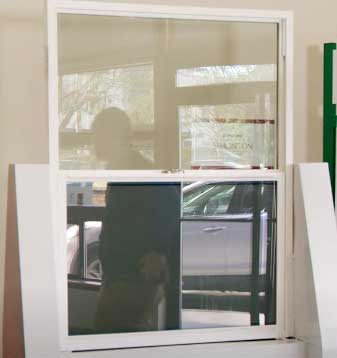
Simonton focuses almost entirely on high-quality vinyl frames with multi-chamber designs that trap air for better insulation.
I appreciate how the vinyl feels solid yet lightweight, and it holds up without warping in temperature swings.
Andersen offers more variety, including their signature Fibrex composite (a mix of wood fibers and polymer) that feels stronger and more rigid than standard vinyl.
Their wood-clad options give a classic interior warmth that vinyl simply cannot match.
When I touched samples, Andersen’s frames had a premium heft, while Simonton’s felt practical and modern.
- Energy Performance and Glass Technology
Both use advanced Low-E coatings and argon gas fills, but Simonton often edges out in pure vinyl efficiency for hot or humid climates because the frames do not conduct heat as readily.
Their ProSolar glass options block UV rays effectively, keeping rooms cooler without tinting the view. Andersen shines with thicker glass packages and better overall thermal performance in cold climates, thanks to their composite and wood constructions.
In my research, homeowners in mixed seasons praised Andersen for reducing heating bills noticeably more than basic vinyl, but Simonton still qualifies for ENERGY STAR ratings across most lines and delivers real savings on utility bills.
- Aesthetic Options and Curb Appeal
Simonton provides clean lines, multiple colors, and some wood-grain laminates that mimic traditional looks without the upkeep. The windows look sharp from both inside and outside, with narrower sightlines that maximize glass area.
Andersen stands out for its vast selection of interior woods, exterior claddings, and custom shapes that suit historic or high-end homes. You can get grilles, divided lights, and finishes that blend seamlessly with any architecture.
If you want your windows to feel like part of the home’s character rather than just functional openings, Andersen gives more creative freedom.
- Installation and Lead Times
Simonton windows often install faster with simpler frames, and their lead times run around 3-6 weeks. That speed helped my timeline when I was coordinating with other renovations.
Andersen can take 4-8 weeks or longer for custom orders, especially wood or clad products, because of the extra craftsmanship involved. Both require professional installation for best results, but Simonton’s lighter weight makes the process less labor-intensive in some cases.
- Warranty and Long-Term Support
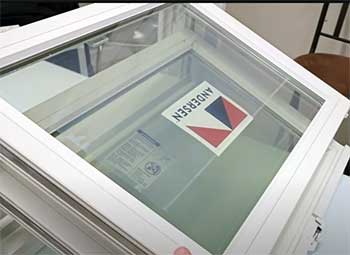
This is where Simonton often wins for everyday homeowners.
Many lines come with a double lifetime warranty that covers the original owner and transfers to the next, including glass, vinyl, hardware, and screens.
It feels reassuring knowing future buyers inherit that protection.
Andersen’s warranties are strong but typically shorter on non-glass parts (10-20 years), though their owner-to-owner transfer still adds value for resale. I like that both back their products, but Simonton’s transferable lifetime coverage gives extra peace of mind if you ever plan to sell.
- Noise Reduction and Security Features
Simonton’s multi-chamber vinyl and thick glass packages do a great job damping street noise, especially in urban or coastal settings. Their cam locks and reinforced sashes feel secure.
Andersen matches or exceeds this with superior seals and heavier construction, making drafts and sound infiltration even rarer in well-installed units. Both brands offer impact-resistant options for hurricane-prone areas, but Simonton’s vinyl impact lines often come at a more accessible price point.
- Environmental and Maintenance Considerations
Vinyl from Simonton requires almost zero upkeep—just occasional cleaning. It resists moisture, salt air, and fading better than wood in tough climates.
Andersen’s Fibrex composite strikes a nice balance with low maintenance and better resistance to expansion/contraction than pure wood, but wood-clad interiors still need periodic attention if you choose those. If you hate painting or staining, Simonton’s set-it-and-forget-it approach wins easily.
Key Features of Simonton Windows
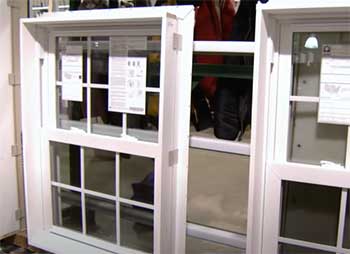
- Multi-chamber vinyl frames for superior insulation and structural strength
- ProSolar Low-E glass options that reflect heat while allowing natural light
- ENERGY STAR qualified collections across single-hung, double-hung, casement, sliding, and picture windows
- Fusion-welded corners that prevent air and water leaks over time
- High-security cam locks and reinforced meeting rails
- Impact-resistant lines like StormBreaker for coastal or storm-prone regions
- Variety of interior and exterior color choices, including wood-grain finishes
- Slim profiles that maximize viewing area without sacrificing performance
- Good sound dampening for quieter indoor spaces
- Double lifetime transferable warranties on many premium series
I have seen these features in action during showroom visits and neighbor installations. The windows operate smoothly years later, and the energy bills stayed noticeably lower after replacement.
Also Read: Is PGT Windows And Doors Worth It?
Pros of Simonton Windows
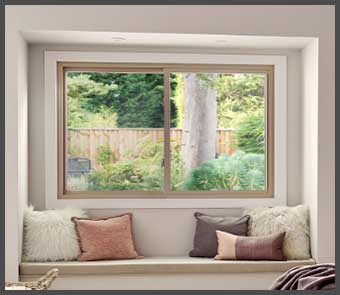
- Affordable yet Reliable Pricing: You get solid performance without stretching your budget. Many homeowners, including me during planning, found the cost per window reasonable for the quality delivered.
- Exceptional Low Maintenance: The vinyl frames never need painting or sealing. Rain and sun do not degrade the color or shape like they can with other materials.
- Strong Energy Savings: With proper glass packages, these windows cut heating and cooling costs effectively, especially in moderate to warm climates.
- Transferable Double Lifetime Warranty: This stands out as one of the best in the industry. It covers you and the next owner, reducing worries about future repairs.
- Quick Availability and Installation: Shorter lead times mean your project finishes faster. The lighter frames make handling easier for crews.
- Good Performance in Humid or Coastal Areas: Pure vinyl resists rot and corrosion better than wood-based options in salty or moist environments.
- Wide Style Selection for Replacement Projects: From double-hung to bay windows, you can match most existing openings without major structural changes.
- Noise Reduction Benefits: Multi-pane and sealed designs keep traffic or neighborhood sounds outside, improving daily comfort.
- Builder and Remodeler Popularity: Rated highly for satisfaction in surveys, showing consistent quality control.
- Impact Options at Better Value: Storm-rated lines provide protection without the premium markup seen in some competitors.
These advantages make Simonton feel like a smart, practical choice when you want quality upgrades that pay for themselves over time through savings and durability.
Cons of Simonton Windows
- Limited Material Variety: If you crave real wood interiors or ultra-premium claddings, you will not find as many options here since the focus stays on vinyl.
- Aesthetics May Feel Less Luxurious: While modern and clean, the look does not always match the warmth or high-end appeal of wood-clad alternatives.
- Potential for Drafts in Lower Lines: Some entry-level models have reported minor air infiltration if not installed perfectly, though higher series perform much better.
- Fewer Ultra-Custom Shapes: Complex architectural needs might require more compromises compared to brands with broader customization.
- Dealer-Dependent Experience: Quality of service and final pricing can vary by local installer, so shopping around becomes essential.
- Not the Absolute Strongest in Extreme Cold: Vinyl can expand and contract more than composites in very harsh winters, though good installation mitigates this.
- Perception as Mid-Range: Some buyers associate the brand only with budget options, missing the stronger performance in premium collections.
- Glass Breakage Handling: Warranties cover replacement parts but often not labor, so you handle installation costs for fixes.
- Less Nationwide Brand Prestige: While respected, it does not carry the same luxury recognition as Andersen in high-end real estate circles.
- Occasional Hardware Issues Over Time: Like most brands, moving parts can need adjustment after many years, though the lifetime coverage helps.
Even with these points, most owners I spoke with still felt satisfied overall, especially when matching the right series to their climate and usage.
Key Features of Andersen Windows
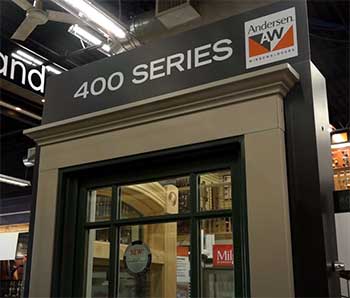
- Fibrex composite material that combines wood fiber strength with polymer durability
- Wood-clad exteriors with aluminum or Fibrex protection for classic looks and weather resistance
- Advanced multi-pane glass with superior Low-E coatings and gas fills
- Extensive customization including custom sizes, shapes, colors, and grille patterns
- High-security locking systems and reinforced construction
- ENERGY STAR qualified options across multiple series
- Owner-to-owner transferable warranties on select products
- Excellent sound insulation through thicker frames and seals
- Variety of window types from casements to picture and specialty shapes
- Made in the USA with decades of craftsmanship reputation
Walking through displays, I noticed how Andersen windows feel substantial and tailored, like they belong in a custom-built home.
Also Read: Comparison of Vinylmax And Simonton Windows.
Pros of Andersen Windows
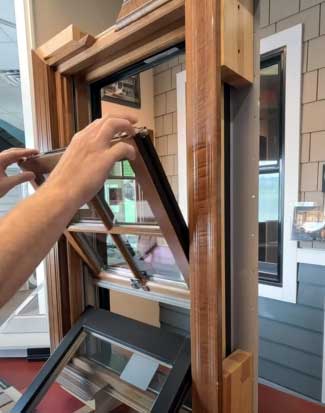
- Premium Build Quality and Strength: The frames and materials hold up exceptionally well to wind, weather, and daily use, giving a solid, long-lasting feel.
- Superior Customization Options: You can truly design windows to match any architectural style or personal preference.
- Excellent Energy Performance in Varied Climates: Especially strong in colder regions where the composite and wood options excel at retaining heat.
- Aesthetic Versatility: Wood interiors create warmth inside while durable claddings protect outside, blending beauty and function.
- Strong Resale Value Boost: Homes with Andersen windows often appeal more to buyers looking for quality upgrades.
- Wide Product Range: From more affordable composite lines to top-tier wood-clad, there is something for different budgets within the brand.
- Good Noise and Draft Control: Tight seals and heavy construction minimize outside disturbances effectively.
- Established Reputation: Over a century in business builds confidence in consistency and support.
- Impact and Specialty Options: Available for tough conditions with robust performance.
- Professional Installation Network: Many authorized dealers provide experienced service, though quality still depends on the specific team.
These strengths shine when you prioritize looks, customization, and a luxury upgrade that lasts decades.
Cons of Andersen Windows
- Higher Price Point: Expect to pay significantly more, especially for wood or fully custom orders, which can strain budgets.
- Longer Lead and Installation Times: Custom work means waiting longer and potentially higher labor costs.
- More Maintenance for Wood Options: Interior wood surfaces may need occasional care to prevent wear.
- Shorter Warranty Periods on Some Parts: Non-glass components often get 10-year coverage rather than lifetime.
- Heavier Frames: This adds strength but can complicate installation in some retrofit situations.
- Dealer and Pricing Variability: Costs and service levels differ by location and salesperson.
- Potential Overkill for Simple Replacements: If you just need efficient, low-maintenance windows, the extra features may not justify the cost.
- Limited Pure Vinyl Focus: Their vinyl lines exist but do not represent the brand’s strongest offerings.
- Higher Upfront Investment: The premium comes with a steeper initial outlay before energy savings kick in.
- Service Dependency: Like many big brands, experiences vary based on local installers and support response times.
For many, the higher cost pays off in satisfaction and home value, but it requires careful budgeting.
When I weigh everything from my research and conversations, Simonton often feels like the practical winner for most average homeowners who want reliable performance, strong warranties, and lower costs without constant maintenance.
Andersen pulls ahead if you value custom aesthetics, superior strength in specific climates, or that premium touch that elevates the entire house. Your climate, home style, and budget will ultimately guide the choice. I recommend visiting showrooms, getting multiple quotes, and considering local installer reputations before deciding.
Also Read: Comparison of ProVia And Simonton Windows.
Frequently Asked Questions (FAQ)
They perform comparably in energy efficiency and durability for most needs, but Andersen edges out in customization and premium feel while Simonton often wins on value and warranty length.
No, they sit comfortably in the mid-range category—solid quality and features without luxury pricing.
Andersen, Marvin, Pella, Milgard, and Simonton frequently appear on lists depending on priorities like premium wood, vinyl value, or overall performance.
Brands like Marvin or Pella can surpass Andersen in specific areas such as customization depth or certain energy ratings, though “better” depends heavily on your exact project and climate.
Final Thoughts
In the end, I hope this breakdown helps you feel more confident as you choose windows that will serve your home for years to come. Think about how you live in your space daily—what matters most to you in comfort, appearance, and peace of mind—and let that guide your final call.
Both Simonton and Andersen can deliver great results when matched correctly to your situation. You deserve windows that make coming home feel even better every single day.