
After testing both amendments across my vegetable beds, flower borders, and container mixes for multiple seasons, I saw clear differences in how plants responded.
This article compares peat humus and peat moss in detail so you can match the right product to your soil goals, plant types, and long-term garden health.
| Aspect | Peat Moss | Peat Humus |
| Decomposition Stage | Partially decomposed sphagnum | Further decomposed, more humified |
| Texture | Light, fibrous, spongy | Finer, darker, more soil-like |
| Typical pH | Strongly acidic (3.5–4.5) | Mildly acidic to near neutral |
| Nutrient Content | Very low | Higher levels of stable organics |
| Water Holding | Extremely high, holds many times its weight | Strong but more balanced |
| Aeration | Excellent when fresh | Good, with finer particle structure |
| Longevity in Soil | Breaks down relatively faster | More stable over seasons |
| Primary Strength | Moisture control and acidity | Nutrient retention and soil building |
| Best Applications | Seed starting, acid-loving plants | Garden beds, general soil improvement |
Key Differences Between Peat Humus and Peat Moss
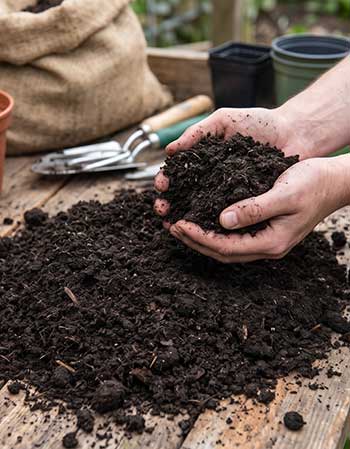
- Decomposition level sets the foundation for everything else. Peat moss remains only partially broken down, so its original fibrous structure is still visible and functional. Peat humus has progressed further, converting more of the carbon into stable humic compounds that interact differently with soil chemistry and microbes. When I compared side-by-side samples, the peat moss still looked like shredded plant matter while the humus looked closer to dark soil.
- Texture and physical behavior diverge sharply in use. Peat moss creates large pore spaces when fresh, which aids drainage and root exploration in the short term. Peat humus fills smaller spaces and binds more tightly with mineral particles. In clay soil tests I ran, peat moss loosened the surface temporarily, while peat humus improved crumb structure deeper in the profile over weeks.
- pH impact is one of the most consistent practical distinctions. Peat moss reliably lowers pH and is useful when you deliberately want acidic conditions. Peat humus exerts a milder effect and can be used in a wider range of soil types without pushing pH as far. If your soil test already shows low pH, peat moss can push it further than intended.
- Nutrient and cation exchange capacity favor peat humus for long-term feeding. Peat moss holds almost no plant-available nutrients and contributes little cation exchange on its own. Peat humus carries more residual organic compounds that hold onto nutrients and release them gradually. Plants in my humus-amended beds needed less frequent liquid feeding than those in peat-moss-heavy mixes.
- Water dynamics differ in both amount and release pattern. Peat moss can absorb an impressive volume of water and hold it tightly. That property helps containers stay moist, yet once the material dries completely it can resist rewetting. Peat humus holds substantial moisture without the same extreme hydrophobic tendency, so rewetting after a dry spell is more predictable.
- Longevity and structural persistence matter for multi-year plantings. Peat moss continues to decompose and can compact or lose volume within a season or two under active microbial conditions. Peat humus, being further along, resists rapid breakdown and maintains its contribution to soil organic matter longer. In perennial borders I observed less shrinkage with humus.
- Cost, availability, and handling also separate the two. Peat moss is widely stocked and often cheaper by volume once expanded. Peat humus appears in fewer retail channels and may cost more per bag for the amount of finished organic matter delivered. Handling peat moss involves breaking apart compressed bales, while humus pours more like a fine soil amendment.
Also Read: Is Revive Lawn Care Good For Soil?
Key Features of Peat Moss
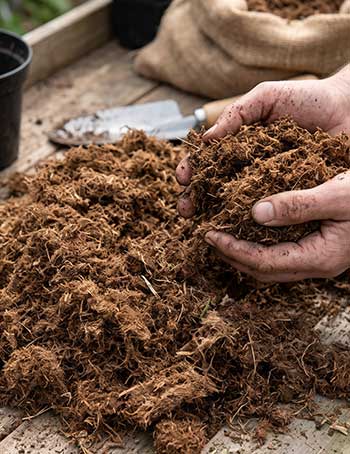
- High water-holding capacity that can reach many times the dry weight of the material. In container trials, mixes containing peat moss stayed evenly moist longer between waterings, which reduced stress on young transplants during hot spells.
- Fibrous structure that creates air-filled pores when properly moistened. Roots in my peat-based seed starting mix showed strong lateral growth rather than circling tightly at the bottom of cells.
- Naturally low pH that benefits acid-preferring plants such as blueberries, azaleas, and rhododendrons. When I top-dressed around established acid lovers, leaf color improved without additional sulfur applications.
- Low nutrient content that makes it a clean base for controlled feeding. You decide exactly what the plants receive rather than dealing with variable release from the amendment itself.
- Relatively sterile nature in packaged form that reduces pathogen load in seed starting. My germination rates improved and I dealt with fewer fungal issues on the soil surface compared to outdoor soil.
- Lightweight character once expanded, which keeps large planters manageable. Moving containers filled with peat-based mixes required less effort than equivalent volumes of denser compost or soil.
- Ability to improve short-term aeration in heavy soils when mixed at appropriate rates. Surface crusting decreased in the first weeks after incorporation, though the benefit diminished as the material broke down.
Pros of Peat Moss
- Superior moisture management in containers and seed starting mixes. Plants in my peat-based blends showed fewer wilting episodes during travel or delayed watering, which made the material reliable for propagation work.
- Effective acidification for specialty plants without needing separate sulfur products. Blueberry bushes in peat-amended soil produced stronger new growth and better fruit set in the following year.
- Excellent aeration when fresh, supporting strong root systems in the early stages. Transplants moved from peat mixes established faster in the garden than those started in denser media.
- Clean, consistent base that lets you control fertility precisely. I could tailor nutrient programs for specific crops without fighting residual salts or unbalanced release from the amendment.
- Lightweight handling that reduces physical strain. Filling dozens of pots or moving large planters became less taxing, which mattered during peak spring planting.
- Widely available and relatively affordable for the volume gained after expansion. Most garden centers stock multiple brands, so sourcing never became a bottleneck.
- Temporary improvement in drainage for heavy soils. In clay beds, the first season after adding peat moss showed better water infiltration before the material compacted.
Also Read: Comparison of Scotts Lawn Soil And Topsoil.
Cons of Peat Moss
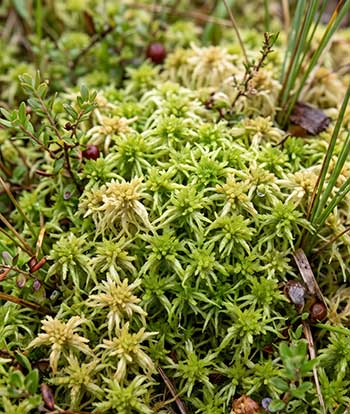
- Rapid loss of structure as it decomposes under active soil conditions. By the second season, mixes that started fluffy had settled and required additional amendments to restore air space.
- Tendency to become hydrophobic if allowed to dry completely. Once a peat-based potting mix dried out in summer heat, rewetting took repeated soaking and still left dry pockets.
- Very low nutrient contribution that demands consistent fertilization. Plants showed deficiency symptoms sooner if I delayed feeding compared with humus-amended soil.
- Strong acidity that can harm plants preferring neutral or alkaline conditions. Leaf yellowing appeared on vegetables when I used peat moss too liberally without pH correction.
- Environmental concerns tied to peatland harvesting. Extraction rates in some regions exceed natural regeneration, raising questions about long-term supply and habitat impact.
- Compression and volume loss over time that can leave containers underfilled. I had to top up several large planters mid-season after the peat settled.
- Potential for nutrient tie-up during early decomposition stages. Nitrogen drawdown occurred in a few beds until microbial activity stabilized, requiring extra nitrogen applications.
Key Features of Peat Humus
- Finer particle size that blends uniformly with existing soil. When I tilled or forked it into beds, there were no large clumps left behind and the amendment disappeared into the profile rather than remaining as distinct layers.
- Higher content of stable humic substances that support cation exchange. Nutrients I applied stayed available longer, and soil tests after one season showed better retention of potassium and magnesium.
- Milder effect on soil pH that suits a broader range of crops. Vegetable beds amended with peat humus did not require lime adjustments as often as those receiving peat moss.
- Dark color and organic richness that improve the visual and biological quality of topsoil. Earthworm activity increased noticeably in the humus-treated sections of my garden within a few months.
- Better resistance to rapid decomposition so the organic matter contribution lasts. Volume loss between seasons was smaller than in peat-moss plots, which helped maintain bed height in raised systems.
- Compatibility with microbial life already present in garden soil. The material did not suppress beneficial organisms the way a very fresh, highly acidic peat layer sometimes can.
- Ease of incorporation without extreme expansion or floating. Once mixed, it stayed where I placed it even under irrigation, reducing the need for repeated top-dressing.
Also Read: Comparison of FoxFarm Ocean Forest And Happy Frog.
Pros of Peat Humus
- Longer-lasting contribution to soil organic matter. Beds amended with peat humus maintained better structure into the second and third seasons without as much additional organic input.
- Improved nutrient holding capacity that reduces leaching. Fertilizer I applied stayed available longer, and runoff from those sections carried fewer dissolved nutrients during heavy rain.
- Gentler pH influence that fits most vegetable and ornamental gardens. I could use it across mixed plantings without creating pockets of excessive acidity.
- Better support for soil biology over time. Microbial activity and earthworm counts rose more steadily than in peat-moss sections, which correlated with improved plant vigor.
- Finer texture that incorporates evenly and stays in place. Surface mulching or light incorporation did not create floating layers or uneven distribution.
- Reduced risk of extreme drying and rewetting problems. Once established in the soil, the material accepted water more readily after dry periods.
- Practical soil-building effect that improves tilth for successive crops. Root crops in humus-treated soil showed fewer deformities linked to compaction.
Cons of Peat Humus
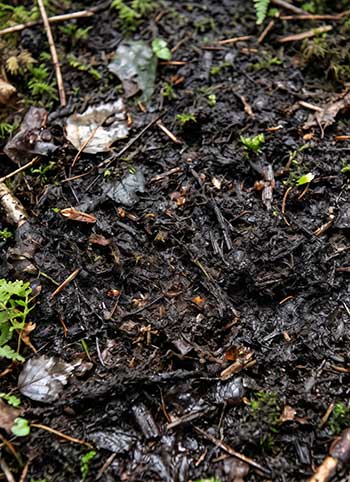
- Lower water-holding extreme compared with fresh peat moss. Containers needed slightly more frequent checking during peak summer heat, though the difference was manageable.
- Higher cost per unit of finished organic matter in many markets. I paid more for the volume of stable material delivered than for an equivalent expanded volume of peat moss.
- Limited availability in some regions or seasons. Not every garden center carried a dedicated peat humus product, so I sometimes ordered ahead or substituted carefully.
- Still derived from peat deposits, so the same sustainability questions apply. Choosing humus does not eliminate the broader concerns about bog harvesting.
- Potential variability between brands in particle size and exact pH. One bag I tried was coarser than expected and required extra mixing to achieve uniform results.
- Less dramatic short-term aeration boost. Heavy clay improved, but the immediate fluffy effect I associated with peat moss was milder.
- Possible inclusion of minor additives in some commercial versions. Reading labels became necessary to confirm I was getting a straightforward organic amendment.
Practical Ways I Use Each Product
In seed starting and propagation, peat moss remains my default because of its sterility and water control. I blend it with perlite and a small amount of compost, then monitor moisture closely to avoid the dry-out problem.
For acid-loving shrubs, I incorporate peat moss at planting and use it as a light top dressing in subsequent years.
For established vegetable beds and perennial borders, peat humus gives better long-term returns. I work it into the top six to eight inches in fall or early spring, then follow with a balanced organic fertilizer.
Container mixes for long-season crops such as tomatoes receive a portion of peat humus so the medium holds nutrients without collapsing as quickly.
Soil testing guides the final decision. When pH is already low, I skip peat moss entirely. When organic matter tests low and I want lasting improvement, peat humus receives priority. B
oth products work best as part of a broader program that includes compost, cover crops, and mineral amendments rather than as sole solutions.
Also Read: Is Back To The Roots Potting Mix Good For Soil?
Frequently Asked Questions (FAQ)
Avoid peat moss when your soil pH is already below 6.0, when you grow plants that prefer neutral or alkaline conditions, or when you need a long-lasting structural amendment. It is also a poor choice if the material will dry out completely between waterings or if sustainability of peat harvesting is a primary concern for your garden.
Peat moss is partially decomposed sphagnum with a fibrous texture and strong acidity. Humus, in the context of peat humus, is more fully decomposed material with finer particles, higher stable organic content, and a milder effect on pH. The practical result is that peat moss excels at short-term moisture and acidity control while peat humus supports longer-term soil fertility and structure.
Excessive amounts of any organic amendment, including peat humus, can create imbalance. Very high rates may temporarily tie up nitrogen, reduce aeration if the material is extremely fine, or alter drainage in already organic-rich soils. Moderate incorporation guided by soil tests avoids these issues and delivers the benefits without creating new problems.
Use peat humus to build long-term soil organic matter in garden beds, improve nutrient retention, enhance tilth in vegetable and perennial plantings, and create more stable container mixes for crops that stay in place for months. It works well as a general soil conditioner when you want lasting improvement rather than rapid acidity or extreme water holding.
Final Thoughts
After comparing both materials across different parts of the garden, I now reach for peat moss when I need precise moisture control, acidity, or a clean seed-starting base.
You will see the strongest short-term results in containers and with acid-loving plants. For building soil that improves year after year, peat humus has proven more reliable in my beds.
You can combine modest amounts of each when a project needs both immediate aeration and longer-term fertility, provided you adjust pH and feeding accordingly.
Testing your soil and matching the amendment to the specific limitation you face will give clearer results than treating either product as a universal fix.