
I have used both FoxFarm Ocean Forest and Happy Frog across seasons of container growing, from patio tomatoes to houseplants and herbs.
The main point of this comparison is to show how their nutrient strength, microbial makeup, and real-world performance differ so you can match the right bag to your plants’ stage and feeding style instead of guessing and risking weak growth or burn.
| Aspect | Ocean Forest | Happy Frog |
| Nutrient Strength | Higher / richer charge from marine inputs | Milder / gentler organic charge |
| Primary Best Use | Established plants, heavy feeders, veggies | Seedlings, clones, young plants, sensitive starts |
| Standout Ingredients | Fish emulsion, crab meal, shrimp meal, sandy loam | Mycorrhizal fungi blend, beneficial bacteria, humic acids |
| Texture Feel | Light yet slightly denser with good moisture hold | Lighter and fluffier with strong aeration |
| Typical Feed Window Before Supplement | Often 3–6 weeks | Usually 2–4 weeks |
| pH Adjustment | Factory set around 6.3–6.8 | Factory set around 6.3–6.8 |
| Microbial Emphasis | From earthworm castings and bat guano | Explicit mycorrhizae and bacterial inoculants |
Key Differences Between Ocean Forest And Happy Frog
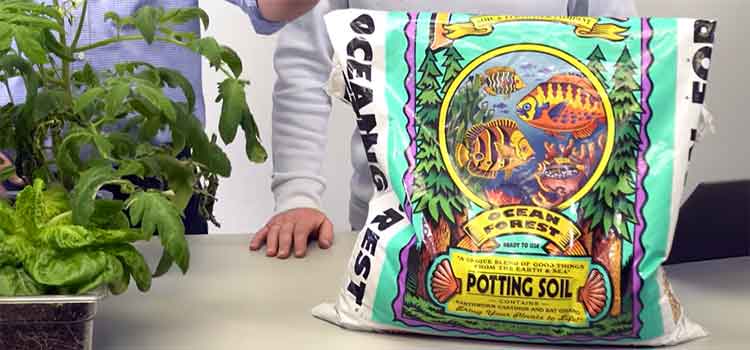
The biggest practical split shows up once the bags are open and plants are in them.
- Nutrient density and “heat” level
Ocean Forest carries a richer organic nutrient load thanks to fish emulsion, crab meal, and shrimp meal blended through the mix. In my containers this translated to faster top growth on mature tomatoes and peppers with less early liquid feeding.
Happy Frog stays milder so young roots are less likely to encounter excess salts or nitrogen right away. I have started seedlings in both; the Happy Frog trays showed fewer yellowing tips in the first two weeks.
- Microbial and biological focus
Happy Frog is formulated with a listed suite of mycorrhizal fungi species plus Bacillus bacteria and humic acids. These are meant to colonize roots and improve efficiency of whatever nutrients are present.
Ocean Forest relies more on the natural biology that comes with earthworm castings and bat guano rather than a heavy added inoculant package.
When I dug root balls at transplant time, Happy Frog plants often showed finer, more branched root systems while Ocean Forest plants pushed thicker primary roots and quicker leaf expansion.
- Texture, drainage, and water behavior
Both use aged forest products and sphagnum peat moss, yet Ocean Forest includes sandy loam that gives it a slightly denser, more structured feel that holds moisture a bit longer in hot weather.
Happy Frog leans lighter and airier because of higher perlite content in many batches. I water Ocean Forest pots less often in midsummer but watch for compaction if I let them dry completely and then flood them.
Happy Frog drains faster and needs more consistent checks so it does not dry out around the edges.
- Ideal plant stage and crop type
Ocean Forest performs best once plants have established roots and can use the richer feed—think transplanted vegetable starts, flowering annuals, or mature houseplants that are already pushing growth.
Happy Frog is safer for direct seed starting, rooted cuttings, and herbs or leafy greens that prefer a gentler start. Mixing or layering the two is common among growers who want the best of both.
- Longevity of the built-in charge
With Ocean Forest I have often gone four to six weeks before adding any supplemental fertilizer on medium-feeding plants.
Happy Frog typically shows the first signs of hunger (pale new growth) closer to the two-to-four-week mark, after which a light organic feed keeps it going. Neither is a true “water-only forever” living soil, so plan on feeding either way for long-season crops.
Also Read: Is Miracle-Gro Potting Mix Worth It?
Key Features of FoxFarm Ocean Forest
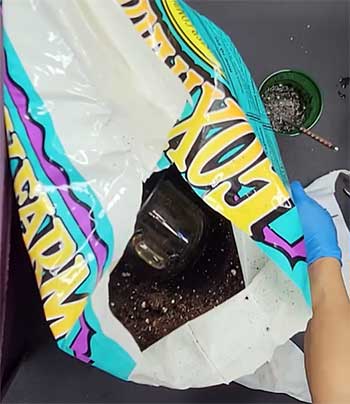
- Aged forest products, sphagnum peat moss, and sandy loam create a light yet stable structure that resists packing down in containers.
I have reused the same potting volume for successive crops with only minor top-dressing and found root balls still easy to separate. - Earthworm castings and bat guano supply slow-release nutrients and beneficial microbes already present in the mix.
These help maintain steady growth without the rapid flush that synthetic charges can cause. - Fish emulsion, crab meal, and shrimp meal add marine-derived nitrogen, phosphorus, and micronutrients.
In my experience this combination supports strong vegetative growth followed by good fruit set on tomatoes and peppers when I transitioned to a bloom-oriented feed later. - Factory pH adjustment in the 6.3–6.8 range keeps most nutrients available without constant testing for typical container plants.
I still check runoff occasionally, but I have rarely needed to correct it in the first month. - Ready-to-use texture that retains moisture while allowing air around roots.
This balance has cut my watering frequency compared with straight peat mixes during warm spells.
Pros of Ocean Forest
The richer marine and forest blend delivers noticeable early vigor once plants are past the delicate seedling stage.
I transplanted pepper starts into three-gallon fabric pots filled with Ocean Forest and watched internodes lengthen and leaves darken within ten days with only plain water.
That built-in charge reduced the number of early liquid feedings I needed, which saved both time and product.
The sandy loam component improved drainage compared with pure peat mixes I had used before, so root rot was rare even when I was slightly heavy-handed with water.
Many growers report strong performance on heavy-feeding vegetables and flowering annuals, and my own patio tomato trials matched that pattern—fruit set began earlier than in lighter mixes.
The light overall texture still allowed easy root penetration, and the pH adjustment meant I spent less time testing in the first few weeks.
For anyone who wants a premium bag that supports robust container production without constant amendment at planting, Ocean Forest has consistently earned its place in my rotation.
Cons of Ocean Forest
The higher nutrient density can be too strong for very young or sensitive plants.
I have had seedlings show leaf-tip burn or slowed growth when sown directly into pure Ocean Forest; the same seeds did better in a milder starter mix.
Because the charge is already present, over-feeding early is easy if you treat it like an inert medium and add full-strength liquid nutrients right away.
Texture can compact over long dry-down cycles if the pot is allowed to go bone-dry and then flooded; I mitigate this by watering more gradually and occasionally aerating the top inch. Price sits at the premium end, so filling large containers or many pots adds up.
Finally, while biology is present from castings and guano, it is not the explicit focus of the formula, so growers chasing maximum microbial diversity sometimes prefer to blend or top-dress additional inoculants.
Also Read: Comparison of Gardyn And AeroGarden.
Key Features of FoxFarm Happy Frog
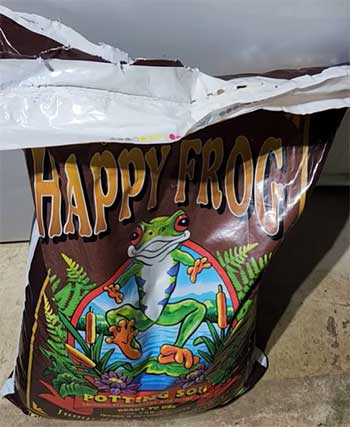
- Custom blend of mycorrhizal fungi (multiple Glomus, Laccaria, Pisolithus, and Rhizopogon species) intended to colonize roots quickly.
When I examined roots after three weeks, many plants showed the characteristic fine white fungal networks that expand the effective root zone. - Beneficial bacterial inoculants (Bacillus species) plus humic acids from leonardite.
These support nutrient cycling and can improve micronutrient uptake under organic feeding programs. - Earthworm castings and bat guano for a mild organic nutrient base.
The charge is noticeable but gentle enough that I have sown seeds directly into it without the tip burn I sometimes saw in richer mixes. - Aged forest products, sphagnum peat moss, and perlite for a light, aerated texture.
The mix stays fluffy longer in my experience, which helps oxygen reach developing roots in smaller starter pots. - Factory pH adjustment similar to Ocean Forest so most plants can take up nutrients efficiently from day one.
This removes one variable when I am starting many trays at once.
Pros of Happy Frog
The milder charge makes it forgiving for beginners and for anyone starting from seed or cuttings. I have filled seed trays and small nursery pots with Happy Frog and seen consistent germination and early root development with almost no burn incidents.
The listed mycorrhizal fungi and bacterial package give plants a biological head start that shows up as denser root systems when I gently lift them for transplant. Humic acids and the forest-product base support steady, even growth rather than a sudden flush.
The lighter, airier texture drains well and resists compaction in small containers, which is helpful during the high-humidity indoor start phase.
Because the nutrient load is gentler, I can control the feeding schedule more precisely once the initial charge begins to fade, which suits growers who prefer organic dry amendments or light liquid programs.
Overall it has been my safer choice for herbs, leafy greens, and any plant I want to keep in a smaller pot for an extended period.
Cons of Happy Frog
The same gentleness that protects seedlings means the built-in nutrition does not last as long. In my longer-season vegetable containers I typically needed to begin supplemental feeding earlier than with Ocean Forest, usually by week three or four.
The microbial inoculants are a selling point, yet results depend on moisture, temperature, and the presence of living roots; dry storage or extreme heat can reduce their viability before use.
Texture is excellent for aeration but can dry out faster at the edges of pots in windy or hot conditions, requiring more frequent moisture checks. Like its sibling, it carries a premium price relative to basic peat mixes.
It is not a complete “set and forget” living-soil system for multi-month crops without further inputs, so growers expecting water-only performance through flowering may be disappointed if they do not plan ahead.
When Ocean Forest Makes the Most Sense?
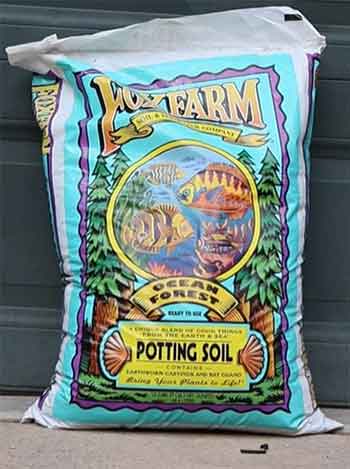
I reach for Ocean Forest when I am potting up established transplants or filling containers for heavy feeders that will stay in the same pot for most of the season.
The richer marine inputs support rapid vegetative growth and strong fruiting once roots are active.
It has worked especially well for my patio tomatoes, peppers, and large flowering annuals where I want early vigor and fewer feedings in the first month.
If your plants are already past the delicate stage and you prefer a mix that carries more nutrition from the start, Ocean Forest is usually the stronger choice.
When Happy Frog Is the Better Fit?
Happy Frog is my default for seed starting, rooted cuttings, and any plant that prefers a gentler environment.
The combination of mild nutrients and explicit microbial inoculants gives young roots a chance to establish without stress.
I also use it for herbs, leafy greens, and houseplants that stay in moderate-sized pots where over-fertilization is a bigger risk than under-fertilization.
If you are new to containers or simply want a forgiving mix that pairs well with controlled organic feeding later, Happy Frog reduces the chance of early problems.
Mixing or Layering the Two
Many growers, including myself, combine the bags.
A practical method is to place Ocean Forest in the lower portion of the pot and Happy Frog in the upper third or half so the seedling or young transplant starts in the milder zone and reaches the richer soil as it grows.
A thorough 50/50 blend also works and gives both the microbial benefits of Happy Frog and the nutrient density of Ocean Forest.
I have run both approaches on the same crop and seen healthy growth either way; the key is to avoid adding extra fertilizer for the first few weeks until you see how the plants respond.
Layering or blending lets you capture the strengths of each formula without committing an entire container to one or the other.
Also Read: Comparison of Sta-Green And Miracle-Gro.
Frequently Asked Questions (FAQ)
Neither is universally best. Ocean Forest is widely favored for vigorous growth on established and heavy-feeding plants, while Happy Frog is preferred for seedlings, clones, and sensitive starts. Choose according to plant stage rather than looking for a single winner.
Yes. Mixing equal parts or layering Happy Frog on top of Ocean Forest is a common and successful practice among container growers. The combination provides a gentler start zone plus richer nutrition lower in the pot.
Other mild, microbe-amended peat-and-forest mixes exist, but few match the specific listed mycorrhizal and bacterial package plus the forest-product base at a similar price point. Basic amended peat mixes plus separate mycorrhizae inoculant can approximate the biology if you prefer to build your own.
For most container gardeners growing vegetables or mature plants, the quality ingredients, pH adjustment, and built-in nutrition usually justify the premium cost through stronger early performance and reduced early feeding. It is less ideal as a pure seed-starting medium.
Wrapping Up
I have watched both soils produce healthy plants when matched to the right situation—Ocean Forest powering rapid growth on established containers and Happy Frog delivering clean, stress-free starts.
You will get better results if you treat them as complementary tools rather than interchangeable bags: use Happy Frog when plants are young or sensitive, shift toward Ocean Forest (or a blend) once roots are established and demand rises, and always monitor moisture and feeding response instead of assuming either mix will carry a crop indefinitely on water alone.
Matching the soil to the current needs of your plants removes most of the guesswork and lets the quality ingredients in both formulas do what they are designed to do.