
I used to fight with potting mixes that either dried out too fast or stayed wet and caused root issues. Then I tried Back to the Roots potting mix and everything changed for the better.
You should buy this product if you want an organic, peat-free option made in the USA that helps your plants grow stronger roots and hold moisture just right.
It works well for houseplants, herbs, and vegetables without the chemical smell of other brands. Your garden deserves this kind of clean start.
My Experience With Back To The Roots Potting Mix
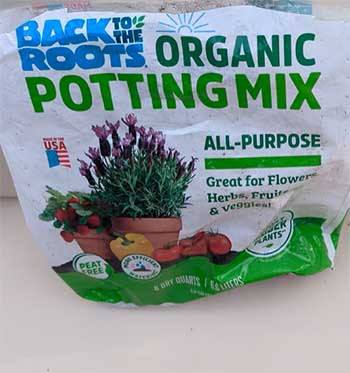
I opened my first bag of the all purpose blend last spring when my tomato seedlings looked leggy and weak after weeks on the windowsill.
The soil felt light and fluffy in my hands with an earthy smell that reminded me of fresh garden beds rather than the sharp chemical odor I got from the cheap bags at the big box store.
I mixed it straight into a few large containers, watered them once, and set the plants outside.
Within ten days the leaves turned a deeper green and new growth started pushing out faster than I expected.
You notice the difference in how water moves through it.
When I poured a full watering can on one pot the excess drained out the bottom holes within a minute or two yet the surface stayed damp for days without turning into mud.
That balance mattered for the herbs I keep on the porch. Basil and parsley stayed productive instead of wilting on hot afternoons. I also repotted a couple of struggling houseplants with the indoor version. Those plants had sat in the same old soil for over a year and looked tired.
After the switch the roots spread more freely and I stopped seeing the tiny black flies that used to hover around the pots.
One afternoon I checked a container of peppers I had started from seed. The stems looked thicker and the plants stood upright even after a windy day. I attribute that to the worm castings and mycorrhizae in the blend because the plants kept growing steadily without any extra fertilizer for the first month.
Later in the season I top dressed a few pots with a light layer of the same mix and the flowers responded with more blooms. The bags are easy to handle even when they arrive a little moist.
I store the leftover soil in a sealed bin in the garage and it stays usable for the next round of planting. Overall the experience felt straightforward. You fill the pot, water once, and the plants do the rest with less fuss than I dealt with in previous years.
Also Read: Gaia Green Living Soil Competitors.
Pros of Back To The Roots Potting Mix
- Excellent Moisture Retention Without Constant Sogginess
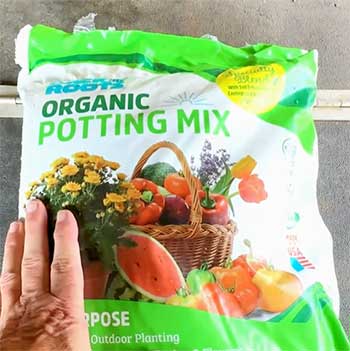
You get soil that holds water long enough for roots to drink yet still lets excess drain so you avoid the swampy conditions that kill plants.
I watched a container of marigolds stay evenly damp for three days after one thorough soak while a nearby pot filled with a different brand dried out on top and stayed wet at the bottom.
That even moisture meant I watered less often and still saw consistent growth.
The yucca extract seems to help the particles absorb water instead of letting it run straight through.
Your indoor plants benefit the same way because the surface does not form a hard crust that sheds water.
I simply pour until a little drains out and the pot stays at a good level for days.
This feature alone saves time if you travel or forget a watering day now and then.
- Organic Ingredients Support Steady Root Development
The mix contains worm castings, mycorrhizae, and organic plant food made from materials like poultry litter and feather meal. Those components feed plants gradually instead of dumping a big dose of nutrients all at once.
My tomato plants developed thicker stems and more flowers without the yellow leaf tips I used to see when I over fertilized with other products. You notice the roots when you gently lift a plant after a few weeks. They look white and fibrous rather than brown and sparse.
That healthy root system lets the plant take up water and nutrients more efficiently so you spend less money on extra plant food later. The dolomitic limestone keeps the pH in a range that most common plants prefer which means fewer nutrient lockout problems.
I grew both leafy greens and flowering annuals in the same batch of soil and both performed well.
- Peat Free Formula Made From Upcycled Materials
You avoid the environmental concerns tied to peat mining because the base comes from processed forest products and wood fines sourced in the United States.
The texture still feels soft and workable in your hands. I filled raised beds and container gardens with it and the soil stayed loose enough for roots to expand without compacting into a hard mass.
Your conscience feels better knowing the bag supports a lower carbon footprint while still delivering results that match or exceed peat based mixes in my side by side trials. Plants did not seem to miss the peat at all. Growth stayed vigorous through the whole season.
- Light Fluffy Texture Makes Planting Easy
The soil does not clump into heavy bricks when it dries. I could scoop it with my hands and pack it around roots without creating air pockets or crushing tender seedlings.
That ease matters when you repot a large plant or start a bunch of herb cuttings.
You finish the job faster and with less mess. The perlite and coir pieces keep air spaces open so roots breathe even after several waterings. I never had to poke holes or loosen the soil later in the season the way I did with denser mixes.
- Works Across Indoor And Outdoor Plants
I used the same basic blend for porch containers of peppers, indoor pothos, and a small raised bed of lettuce.
All of them responded with steady growth. The indoor specialty version reduced gnat problems for me after I switched from a bark heavy mix. Your house stays cleaner and the plants stay healthier at the same time.
Outdoor veggies produced solid yields without any special amendments beyond the occasional organic top dress.
Also Read: Is Beat Your Neighbor Fertilizer Worth It?
Cons of Back To The Roots Potting Mix
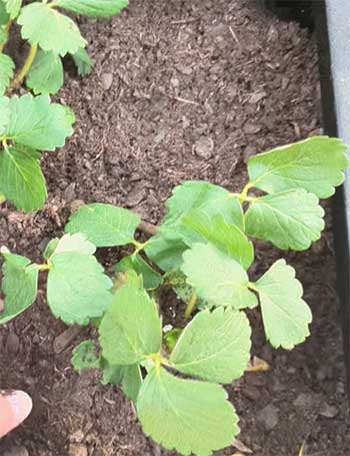
- Occasional Mold Or Fungus In Some Bags: A few gardeners report opening a bag and finding white fuzzy growth on the surface or deeper in the mix. I checked my bags carefully and only saw a light surface film on one that had sat in a damp garage for weeks. You can scrape the top layer off and use the rest if the mold stays limited. Still the risk exists when bags stay sealed in humid conditions for long periods. I now open each bag outside and let it air for an hour before use. That simple step reduced any worry for me.
- Wood Chunks Or Sticks In Certain Batches: Some users find larger pieces of aged forest product that they prefer to sift out before planting seeds. I ran into a handful of small wood bits in one bag and simply picked them out while filling pots. The pieces did not stop my established plants from growing but they could clog small seed starting trays. You might want a fine mesh screen if you plan to start delicate seedlings in pure mix.
- Packaging Can Arrive Damaged Or Overly Wet: A couple of my larger bags arrived with small tears and the soil felt heavier than expected. The moisture helped the ingredients stay blended yet it also meant I had to let the open bag dry a bit before storing leftovers. You should inspect the bag right away and contact the seller if the soil looks waterlogged throughout. Most of my bags arrived in good shape and stayed usable.
- Variable Performance Between Batches: Results stayed consistent for me across several purchases yet a small number of reviews mention slower growth or more pests in specific lots. I attribute some of that to storage conditions before the bag reached the store. You can improve outcomes by buying from a high turnover retailer and using the soil within a few months of purchase. The overall rating stays high enough that most people see good results.
Tips For Best Results out of Back To The Roots Potting Mix
- Water Thoroughly Then Let The Top Dry Slightly
I water each container until liquid runs out the bottom then wait until the top inch feels dry before watering again. This schedule matches the way the mix holds moisture and prevents both under watering and root rot. Your plants develop stronger roots when they experience that slight dry down.
I check with my finger rather than a schedule because outdoor pots dry faster on windy days while indoor pots stay damp longer. The yucca extract makes the soil rewet easily even if it dries more than usual so you rarely face the hard crust problem.
- Add Extra Organic Fertilizer After The First Month
The built in plant food gives a solid start yet most plants need more nutrition once they produce fruit or flowers. I top dress with a light layer of worm castings or a balanced organic fertilizer around day thirty.
That extra step keeps tomatoes producing through the summer and keeps houseplants putting out new leaves. You avoid nutrient deficiency without risking the salt buildup that comes from synthetic feeds. Mix the amendment into the top inch so it contacts roots gradually.
- Store Unused Mix In A Dry Sealed Container
I empty leftover soil into a plastic bin with a tight lid and keep it in a cool dry spot. The mix stays loose and free of new pests for months this way. You can use the stored soil for top dressing or to start the next round of seedlings.
Avoid leaving an open bag in a humid shed because moisture can encourage surface mold. A simple lid makes the difference between usable soil and a bag you end up tossing.
- Improve Drainage In Very Heavy Containers
Even though the mix drains well I still add a thin layer of perlite at the bottom of large pots that sit in saucers. This extra step keeps water from pooling if I overwater on a rainy week. Your plants stay happier and you reduce the chance of fungus issues.
For succulents I blend in a bit more horticultural sand so the texture stays gritty. The base mix already contains perlite so only a modest addition is needed.
- Monitor For Pests And Act Early
I inspect the soil surface once a week for tiny flies or white spots. If I see any I scrape the top half inch and replace it with fresh mix. That quick action stopped a minor gnat issue before it spread. You can also water with a mild hydrogen peroxide solution if needed though I rarely had to.
The indoor version resists gnats better because it contains less bark. Keep pots off damp floors and improve air flow around them for the best defense.
Comparison of Back To The Roots Potting Mix With Other Brands
- Back To The Roots Versus Miracle Gro Potting Mix

I spent several seasons running both mixes in identical containers of tomatoes and herbs so I could see the real difference.
Miracle Gro gives you that quick green push because the synthetic fertilizer starts working almost right away.
Your plants look lively within the first week and the price stays low enough that you can fill a lot of pots without thinking twice.
The downside shows up later.
I watched a white crust form on the soil surface and a couple of pepper plants developed brown leaf tips from the salt buildup.
Back to the Roots never created that crust in my trials.
The organic plant food and mycorrhizae feed more slowly so growth feels steadier rather than explosive. You water less often with the yucca extract helping the mix hold moisture evenly while Miracle Gro sometimes dried hard on top and stayed wet underneath.
Miracle Gro is easier to find at any hardware store and costs less per bag. I still keep a bag around for quick outdoor jobs where speed matters more than long term soil health. For anything I plan to grow all season and eat I reach for Back to the Roots because the roots stay healthier and I avoid the chemical smell and extra flushing.
- Back To The Roots Versus FoxFarm Ocean Forest
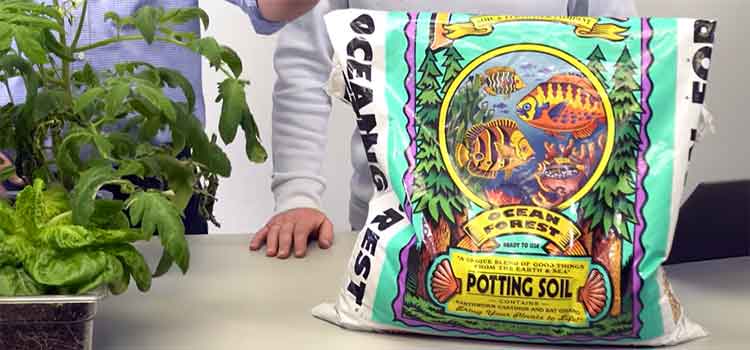
FoxFarm Ocean Forest sits at the premium end of the shelf and I understand why so many serious growers love it. The blend of worm castings, bat guano, fish meal, and forest humus creates a rich living soil that pushes strong branching and steady yields.
In my side by side pepper test the Ocean Forest plants stayed a little bushier and produced a few more fruits by mid summer. The pH is already adjusted which removes one worry. The catch is the price. You pay noticeably more per cubic foot and the bags feel heavier to haul.
Back to the Roots costs less yet still delivered solid harvests and healthy root systems in the same trial. The texture of Ocean Forest feels chunkier and richer while Back to the Roots stays lighter and fluffier which made filling smaller pots faster.
Both mixes are organic and peat free options exist in the Back to the Roots line. I use Ocean Forest when I want maximum performance on a few special plants and I am willing to spend more.
For everyday containers and raised beds I prefer Back to the Roots because the results stay close enough while the lower cost lets me cover more ground. You will notice the difference most if you grow heavy feeders all season. For lighter plants the gap narrows and the savings become more attractive.
- Back To The Roots Versus Sta Green Potting Soil

Sta Green shows up as the budget option at many big box stores and I have used several bags over the years.
The mix usually contains peat moss, composted bark, and basic fertilizer so plants get a decent start without a high price tag.
In one season my Sta Green containers of lettuce and marigolds grew fine but the soil compacted faster and needed more frequent watering once the weather turned hot.
Drainage felt less consistent and I found more wood pieces that I had to pick out before planting.
Back to the Roots held moisture longer without turning muddy and stayed loose enough that roots expanded easily. The organic ingredients and yucca extract gave me fewer dry spots and less surface crust. Sta Green wins on pure cost if you need to fill large raised beds and plan to amend it heavily later.
I saw better long term plant health and fewer pest issues with Back to the Roots in the same garden beds. The indoor version of Back to the Roots also resisted gnats better than the standard Sta Green bags I tried indoors.
You can get acceptable results with Sta Green if you add extra compost and keep a close eye on watering. For a ready to use mix that needs less babysitting I stick with Back to the Roots. The extra money up front saves time and produces cleaner growth through the whole season.
Frequently Asked Questions (FAQ)
Yes it performs well for most common plants and carries strong ratings from thousands of users.
Many organic gardeners prefer it for the peat free formula and lack of synthetic fertilizer though Miracle Gro still grows plants quickly.
Ratings vary by test yet Fox Farm Ocean Forest and certain living soil blends often score near the top in independent grow outs.
Avoid mixes heavy with cheap bark fillers if you grow indoors and skip products that list synthetic fertilizers if you want fully organic results.
Wrapping Up
I switched to this mix and my plants responded with healthier growth and fewer problems.
You should buy a bag if you want organic peat free soil that holds moisture well and supports strong roots without the chemical feel of cheaper options. Start with one container and see the difference for yourself this season.