
When I first brought home my energetic Labrador mix, I spent weeks staring at bags in the store aisle, wondering if IAMS or Pedigree would keep him thriving.
Both brands sit on shelves everywhere and promise solid nutrition without breaking the bank.
In this article, I share my hands-on experiences, break down their formulas side by side, and weigh the real-world pros and cons so you can decide what fits your dog best.
Whether you have a playful puppy, an active adult, or a senior companion, understanding these options helps you feed with confidence.
| Aspect | IAMS | Pedigree |
| Protein Sources | Real meat (chicken, lamb) often first | Meat and bone meal, by-products common |
| Key Ingredients | Wholesome grains, beet pulp, no artificial flavors in many | Corn, wheat, soy, artificial colors in some |
| Price Range | Slightly higher | More budget-friendly |
| Vet Recommendations | Frequently recommended | Less commonly highlighted |
| Best For | Muscle support, digestion, immune health | Basic nutrition, large litters or cost savings |
| Calorie Density | Balanced for activity levels | Varies, often lower in some formulas |
I put together this table after checking labels and talking to other owners. It captures the big picture at a glance.
Key Differences Between IAMS And Pedigree

- Ingredient Quality and Sourcing: IAMS often lists real chicken or lamb as the top ingredient, giving a stronger animal protein base that supports muscle maintenance. Pedigree relies more on meals and by-products, with grains like corn showing up earlier in many recipes. This makes IAMS feel closer to premium options in my experience.
- Grain Usage and Fillers: Both use grains, but IAMS combines them thoughtfully with beet pulp for fiber that aids digestion. Pedigree formulas sometimes pack more corn and wheat higher up, which can suit some dogs but might lead to more filler perception for sensitive stomachs.
- Nutrient Focus Areas: IAMS emphasizes proactive health benefits like immune support through antioxidants and omega fatty acids for skin and coat. Pedigree targets the four universal needs of dogs with research from their science institute, focusing on energy, digestion, and overall vitality at an accessible level.
- Life Stage and Breed Specificity: IAMS offers more targeted lines for small breeds, large breeds, puppies, adults, and seniors with tailored kibble sizes and nutrient levels. Pedigree provides solid all-around options but fewer specialized formulas in comparison.
- Additives and Transparency: Many IAMS recipes avoid artificial flavors and preservatives, leaning on natural sources. Pedigree includes colors in certain products, though they maintain complete nutrition profiles.
- Digestibility and Stool Quality: From my trials and owner stories, IAMS often leads to better-formed stools and less gas, thanks to prebiotics and fiber blends. Pedigree works well for many but can vary more by individual dog.
- Availability and Value: Both appear in major stores, but Pedigree usually costs less per pound, making it a go-to for multi-dog households. IAMS justifies a modest premium with its formulation edge.
- Protein and Fat Levels: IAMS tends toward higher protein percentages in many adult formulas, supporting active lifestyles. Pedigree delivers adequate levels but often with more plant-based contributions.
- Flavor Variety and Palatability: IAMS offers appealing options like beef and rice or chicken formulas that my dog gobbled up. Pedigree has classic roasted chicken or vegetable mixes that prove popular with less picky eaters.
- Long-Term Health Observations: Over years of use and comparisons, owners report IAMS helping maintain weight and joint health better in some cases, while Pedigree keeps dogs happy and energetic on tight budgets without major issues.
These differences add up when you feed day after day. I switched back and forth to test, noting how my dog’s enthusiasm and bathroom habits responded.
Also Read: Is Zignature Dog Food Worth It?
Key Features of IAMS
- Real meat as the first ingredient in most dry formulas, delivering high-quality protein for strong muscles that you notice in playtime stamina.
- Proactive 5 health benefits targeting muscles, energy, digestion, immune system, and skin and coat – a system I found helpful for my dog’s overall balance.
- No artificial flavors or preservatives in core recipes, giving peace of mind during daily meals.
- Essential antioxidants supporting a healthy immune system, especially useful during seasonal changes or for older dogs.
- Wholesome grains and beet pulp for optimal carbohydrate digestibility and intestinal health.
- Tailored formulas for different life stages, including minichunks for small mouths or larger kibble for big chewers.
- Omega-6 fatty acids promoting shiny coats that turn heads on walks.
- High palatability that encourages even finicky eaters to finish bowls consistently.
- Science-backed nutrition developed over decades, aligning with what many vets suggest for everyday feeding.
- Options for weight management with L-carnitine to help maintain lean body condition.
- Complete and balanced meals meeting AAFCO standards without needing supplements.
I appreciate how IAMS feels like a step up from basic kibble while staying practical for regular families.
Pros of IAMS

- Superior ingredient placement with named meats leading many lists, which translates to better nutrient absorption in my observations.
- Stronger focus on immune and digestive support that helped my dog bounce back quicker from minor tummy upsets.
- Better stool consistency and reduced odor, making cleanup easier and home fresher.
- More specialized options for breed sizes and ages, letting you match food precisely to your dog’s needs.
- Higher protein quality supporting muscle tone and energy without excess calories in some lines.
- Positive vet feedback and recommendations that build trust for long-term use.
- Shiny coat results from omega fatty acids that owners comment on regularly.
- No need for constant switching as formulas cover most scenarios effectively.
- Balanced for weight control, ideal if your dog tends to pack on pounds.
- Engaging flavors that maintain appetite over years of feeding.
I saw noticeable improvements in vitality when sticking with IAMS through different seasons.
Cons of IAMS
- Slightly higher cost per bag compared to Pedigree, which adds up for big eaters or multiple dogs.
- Some formulas still include grains like corn, which sensitive dogs might not tolerate as well.
- Availability of certain specialty lines can vary by store location.
- Transition periods sometimes cause temporary digestive adjustment.
- Not the absolute highest protein on the market for very athletic working dogs.
- Occasional reports of picky eaters preferring wetter textures.
- Premium positioning means you pay for the branding and research behind it.
- Limited grain-free options in core lines compared to boutique brands.
- Kibble size might not suit every jaw shape perfectly without trying samples.
- Requires careful portion control to avoid overfeeding due to palatability.
These drawbacks feel minor for most owners but matter if budget or specific sensitivities dominate your choices.
Also Read: Comparison of Kirkland Dog Food And Blue Buffalo.
Key Features of Pedigree
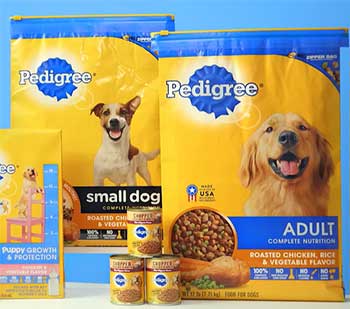
- Affordable pricing that makes feeding multiple dogs or large breeds manageable month after month.
- Professional nutrition addressing the four universal needs: energy, digestion, skin and coat, and overall health.
- Quality ingredients including whole grains that provide carbohydrates for sustained activity.
- Meat and bone meal as protein sources that deliver essential amino acids and calcium for bones.
- Prebiotics and fiber blends supporting healthy gut function in many recipes.
- Wet food pouches offering hydration and variety when mixed with dry kibble.
- Flavors dogs love, such as roasted chicken and rice, keeping tails wagging at mealtime.
- Widely available in stores everywhere, so you never run out during last-minute runs.
- Formulas developed with input from pet science research for complete daily nutrition.
- Crunchy kibble texture that helps with dental health by reducing tartar buildup.
- Options suitable for all life stages with good energy density for playful pups.
Pedigree shines when you prioritize value and reliability for active family pets.
Pros of Pedigree
- Excellent value that stretches further for growing puppies or households with several dogs.
- Reliable complete nutrition that keeps dogs at healthy weights on consistent feeding.
- Popular with large breeds thanks to hearty portions and energy support.
- Easy to find and stock up during sales or emergencies.
- Good palatability that even rescue dogs with history of pickiness accept readily.
- Wet and dry options allow mixing for added excitement and hydration.
- Research-backed approach ensuring balanced vitamins and minerals daily.
- Crunchy texture aiding natural teeth cleaning during chewing.
- Suitable for budget-conscious owners without compromising basic health needs.
- Wide flavor range keeping meals interesting over time.
Many owners, including me during lean months, found Pedigree delivered dependable results.
Cons of Pedigree
- Lower placement of animal proteins with more reliance on meals and by-products.
- Higher inclusion of corn and other grains early in ingredient lists for some recipes.
- Potential for looser stools or more gas in sensitive dogs compared to IAMS.
- Artificial colors in certain products that some prefer to avoid.
- Less emphasis on targeted health benefits like specific immune boosters.
- Can feel more like basic maintenance rather than optimized nutrition for active or senior dogs.
- Mixed owner reports on long-term coat and energy levels.
- Fewer specialized formulas for unique breed needs.
- May require supplementation or rotation for optimal results in some cases.
- Perception as lower-tier food influences some owners’ confidence.
These points highlight areas where Pedigree trades some quality for affordability.
Also Read: Comparison of Kibbles and Bits And Pedigree.
- My Journey Picking Between These Two
I remember switching my dog from one to the other during a budget crunch. The kibble looked similar in the bowl, but the results differed over months.
IAMS seemed to keep his coat shinier and stools firmer, while Pedigree worked fine for short stretches when I needed to stretch dollars. Both brands deliver complete and balanced meals that meet basic standards, yet they approach nutrition differently.
I analyzed ingredients, watched my dog’s energy, and read plenty of feedback from fellow owners to form this view.
- Experiences and Analytical Take
Feeding my dog both over time taught me that individual response matters most. One friend’s Border Collie thrived on Pedigree for years with no issues, crediting the price for allowing more toys and vet visits.
Another switched to IAMS for her Golden and noticed fewer vet trips for skin problems.
Analytically, IAMS edges ahead in ingredient scrutiny and nutrient bioavailability, but Pedigree holds strong for cost-effectiveness and broad appeal.
Neither is perfect, yet both beat many generic options. I recommend starting with small bags, monitoring weight, energy, and digestion for a few weeks, then adjusting. Factors like age, activity, and any allergies should guide your final pick.
- Digging Into Nutrition Details

Protein quality stands central. IAMS sources from real meats more prominently, providing complete amino acids dogs need for repair and growth.
Pedigree uses effective blends too, but plant contributions feature heavier. Fats in both support energy, yet IAMS’ omega balance often shines in coat health.
Carbohydrates from grains fuel daily activities without spikes when properly balanced.
Fiber sources like beet pulp in IAMS promote gut regularity better in tests I’ve seen.
Vitamins and minerals meet standards in each, but IAMS adds targeted antioxidants more consistently.
Calorie counts suit most lifestyles, though portion guidelines deserve close following.
- Choosing for Puppies, Adults, and Seniors
For puppies, IAMS offers growth-supporting formulas with higher calories and DHA for brain development. Pedigree puppy options provide solid starts affordably. Adult maintenance sees IAMS excelling in activity-specific tuning while Pedigree covers basics well.
Seniors benefit from IAMS’ joint and weight formulas, though Pedigree’s mature lines work for less demanding elders. I rotated based on my dog’s life stage and always consulted weight checks.
- Budget and Practical Considerations
Pedigree wins pure cost battles, letting you allocate savings elsewhere like training classes. IAMS costs more but may reduce future health expenses through better baseline nutrition. Both store easily in pantries and travel well.
I suggest buying in bulk when possible and using airtight containers to maintain freshness. Trial periods help confirm what your dog prefers without waste.
Also Read: Do Vets Recommend Carna4 Dog Food?
Frequently Asked Questions (FAQ)
Yes, many vets recommend IAMS for its accessible, science-backed nutrition and balanced formulas suitable for everyday dogs.
IAMS often stands out as a step above in ingredient quality and targeted benefits for many owners seeking more from their budget option.
No single #1 exists for every dog, but premium whole-food or vet-formulated options like those with high animal protein and minimal fillers top many lists depending on needs.
Yes, IAMS earns recognition as a solid mid-to-high quality choice with real meat focus and health-supporting additives.
Final Thoughts
In wrapping this up, I hope sharing my experiences helps you pick what works for your furry friend.
You know your dog best – watch how they respond, adjust as needed, and enjoy the extra playtime that comes from good nutrition.
Both IAMS and Pedigree have places in many homes, and thoughtful comparison leads to happier, healthier tails.