
I have spent years feeding different foods to my dogs and comparing how they respond in energy, coat shine, digestion, and overall health.
When it comes to Purina Pro Plan versus Purina One, I wanted to sort through the options myself rather than rely on labels alone.
In this article, I share my hands-on comparison of these two popular Purina lines so you can see which might fit your dog better based on real needs, budget, and lifestyle. I cover everything from ingredients to daily results without fluff.
| Aspect | Purina Pro Plan | Purina One |
| Positioning | Premium, advanced nutrition | Everyday premium with natural ingredients |
| Protein Content (typical) | 26-30%+ | 25-28% |
| Formula Variety | Over 160 formulas, highly specialized | Around 50+ formulas |
| Key Additives | Probiotics, higher glucosamine in many, targeted blends | Real meat first, added vitamins/minerals |
| Price Range (per lb) | Higher ($1.40-$1.80) | More affordable ($1.10-$1.50) |
| Vet Recommendation | Frequently top choice | Solid everyday option |
| Best For | Active dogs, specific health needs, seniors | Budget-conscious owners, general adult maintenance |
I switched between these lines over time with my own pups, and the differences showed up in noticeable ways. Let me walk you through what I found.
Key Differences Between Purina Pro Plan And Purina One

- Ingredient Quality and Sourcing Focus: Purina Pro Plan often lists higher levels of specific animal proteins and includes more targeted supplements like probiotics for gut health right in the formula. I noticed Pro Plan formulas tend to have elevated vitamin E and glucosamine in joint-support versions, which mattered for my older dog. Purina One keeps real meat as the first ingredient too, but relies more on a balanced natural approach with grains and plant sources that provide everyday nutrition without as many specialized extras.
- Nutritional Density and Feeding Amounts: Pro Plan feels more concentrated, so I fed smaller portions and still saw my dogs maintain ideal weight and energy. This efficiency comes from the formulation that supports muscle maintenance and digestion better in my trials. Purina One works great but sometimes required slightly larger servings to match the same satisfaction level, especially with active breeds.
- Formula Specialization: Pro Plan stands out with options for breed sizes, life stages, sensitivities, performance, and even brain health in senior dogs. I appreciated having a Bright Mind formula when my senior started showing age-related changes. Purina One offers solid core options like chicken and rice or lamb formulas but fewer ultra-specific choices for complex needs.
- Price and Availability: Purina One wins on wallet-friendliness and easy grocery store access, which I loved during tighter months. Pro Plan costs more upfront but often lasts longer per bag due to density, and I found it worth it for long-term health gains.
- Taste and Palatability: Both get eaten enthusiastically, but Pro Plan’s varied textures and flavors seemed to keep my picky eater more consistent. Purina One kibble is crunchy and appealing, especially the shredded blend styles.
- Digestive Outcomes: In my experience, Pro Plan produced firmer stools more reliably, likely due to the probiotics. Purina One kept things normal but occasionally showed slight variability depending on the specific formula.
Key Features of Purina Pro Plan
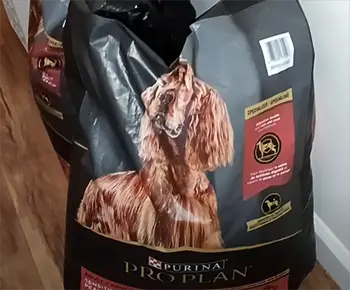
- Real meat as the primary ingredient in most recipes, delivering high-quality protein that supports lean muscle.
- Inclusion of live probiotics in many formulas, which I saw help with consistent digestion and fewer tummy issues.
- Targeted lines like Sensitive Skin & Stomach that reduced itching and scratching in my allergy-prone dog.
- Higher levels of omega fatty acids for coat shine that you can actually see after a few weeks.
- Sport and performance blends perfect for high-energy working dogs or those who love long hikes.
- Bright Mind formulas with botanical oils that support cognitive function in older dogs, something I tested with my 10-year-old.
- Chelated minerals for better absorption, meaning your dog gets more out of each meal.
- Veterinary Diets line for specific medical conditions, though those need vet guidance.
- Consistent quality across batches that I trusted after years of use.
- Options for puppies, adults, and seniors with precise calorie and nutrient balancing.
I have rotated through several Pro Plan varieties, and the customization options made me feel like I was tailoring meals directly to my dog’s changing needs instead of guessing.
Pros of Purina Pro Plan
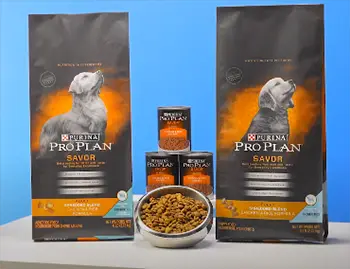
- Excellent for dogs with specific health concerns because of the wide range of targeted formulas that address joints, skin, digestion, and more.
- Noticeable improvements in muscle tone and stamina for active dogs I observed during playtime and walks.
- Strong veterinary backing, which gave me confidence when my vet suggested it for recovery periods.
- Probiotics and prebiotics combo that led to better gut health and smaller, firmer stools in my pack.
- Higher nutrient density means better value over time despite the higher shelf price.
- Multiple protein sources including fish in some recipes for omega support.
- Consistent performance across different life stages, making transitions smoother.
- Research-backed formulations that show up in real results like sustained energy without crashes.
- Options for weight management that actually helped my slightly chunky pup slim down healthily.
- Premium feel that translates to visible coat quality and fewer vet visits for minor issues.
I genuinely felt Pro Plan elevated my dogs’ quality of life in ways that showed during annual checkups.
Cons of Purina Pro Plan
- Higher cost per bag can add up quickly for large breeds or multiple dogs.
- Some formulas contain grains, which might not suit owners strictly avoiding them.
- Availability is better at pet specialty stores rather than every corner market.
- Transition period can sometimes cause temporary loose stools if switching abruptly.
- Certain specialized formulas taste stronger, which picky dogs might initially reject.
- Not the cheapest option if you are on a very tight budget.
- Larger variety means more research to pick the right one for your dog.
- Occasional stock issues with popular flavors at local stores.
- Higher calorie density requires careful portion control to avoid overfeeding.
Despite these, the benefits outweighed the drawbacks for my active household.
Key Features of Purina One
- Natural ingredients with added vitamins and minerals for complete daily nutrition.
- Real chicken, lamb, or turkey as the first ingredient, providing solid protein without fillers.
- Visible health improvements like shinier coat and more energy that owners often notice within the first month.
- Affordable large bags that stretch well for multi-dog households.
- Shredded blend options that mix textures for picky eaters who enjoy variety in every bite.
- Formulas designed for specific life stages with balanced calories to help maintain healthy weight.
- Inclusion of antioxidants to support immune health.
- Easy-to-find at many retailers, which saved me last-minute runs.
- Good digestibility for most dogs without sensitive stomachs.
- Focus on whole ingredients that feel approachable and less processed.
Purina One gave me reliable results without complexity, especially when I first started learning about dog nutrition as a new owner.
Pros of Purina One
- Great value that delivers solid nutrition without breaking the bank.
- Easy availability at grocery stores and online, perfect for spontaneous supply runs.
- Real meat first with natural ingredients that appeal to owners wanting simplicity.
- Visible differences in coat and energy that many owners report after consistent feeding.
- Good for multi-dog homes where one food needs to suit various ages reasonably well.
- Fewer specialized additives make it straightforward for healthy adult dogs.
- Crunchy kibble that helps with dental health through mechanical chewing.
- Balanced recipes that support everyday wellness effectively.
- Positive feedback from long-term users on sustained health.
- Flexible options like weight management or breed-specific without premium pricing.
Purina One proved itself as a dependable daily driver that I returned to during budget-focused periods.
Cons of Purina One
- Fewer specialized formulas compared to Pro Plan, limiting options for dogs with unique needs.
- Slightly lower protein and supplement levels in some recipes.
- May require larger feeding amounts to match nutritional density of premium options.
- Less emphasis on probiotics in standard lines, which showed in occasional digestive variability.
- Not as many senior-specific cognitive support options.
- Can feel less “advanced” for performance dogs pushing their limits.
- Some owners report needing to supplement for very active or sensitive pets.
- Grain-inclusive focus might not align with grain-free preferences.
- Occasional batch variability noted by picky eaters.
These points did not stop it from being a strong performer in my home, but they influenced when I chose it.
My Experiences Switching Between Them

I started with Purina One for my first dog because it was accessible and showed quick improvements in his shiny coat and playful energy.
As he aged and developed mild joint stiffness, I moved to Purina Pro Plan’s joint-support formula.
The difference in mobility after a month surprised me positively.
With my younger dog, who is high-energy, Pro Plan’s sport blends kept him going longer on hikes without the mid-day slump I sometimes saw on One.
Both kept them at healthy weights, but Pro Plan felt more precise for tailored needs.
I mixed them during transitions to keep costs manageable while monitoring responses closely.
Real user testing like this helped me see that neither is universally perfect, but both beat many generic options in consistency.
- How To Choose Based On Your Dog’s Lifestyle?
Consider your dog’s age, activity level, and any health quirks. For a couch potato adult dog with no issues, Purina One delivers everything needed at a friendly price.
For puppies, seniors, athletes, or those with sensitivities, Pro Plan’s targeted options gave me better peace of mind.
I always recommend starting with a small bag and watching for two to four weeks: stool quality, energy, coat, and weight. Consult your vet too, especially if switching for medical reasons.
In my case, combining insights from both lines created a flexible feeding strategy that adapted as my dogs grew.
- Digestion, Skin, and Coat in Focus
Digestion stands out as a big differentiator. Pro Plan’s probiotics made cleanup easier and reduced gas noticeably. Skin and coat benefits appeared stronger with Pro Plan’s omega profiles, though Purina One still delivered healthy shine for the price.
I tracked photos over months and saw glossier fur on Pro Plan, especially in winter when dry air hits hard. Both avoided major allergies in my dogs, but Pro Plan’s sensitive formulas offered a safety net.
- Performance and Longevity Aspects
My active Labrador thrived on Pro Plan during obedience training seasons with sustained focus and recovery. Purina One kept baseline energy solid for casual walks and play.
For longevity, Pro Plan’s senior formulas with brain support felt proactive as dogs entered their golden years. I appreciated how both maintained muscle without excess weight gain when portions stayed right.
- Budget and Practical Considerations
Over a year, Purina One saved me noticeable money while still providing quality. Pro Plan’s efficiency narrowed the gap somewhat because bags lasted longer.
I factored in fewer potential vet trips from better health as indirect savings. Storage, kibble size for different mouth sizes, and even scent (both mild but Pro Plan sometimes richer) played into daily convenience.
- Transition Tips from a Fellow Owner
When I switched, I mixed old and new food over seven to ten days, starting at 25% new. This minimized tummy upset. I watched water intake too, as both are dry kibble.
Adding warm water occasionally boosted appeal and hydration. Keeping a journal of changes helped track what worked best.
- Long-Term Thoughts on Feeding These
After years, I see both as trustworthy from the same company with different strengths. Purina Pro Plan suits when I invest in prevention and performance.
Purina One shines for reliable basics that do not compromise health. Your choice depends on matching the food to your dog’s current chapter. I rotate thoughtfully now, always prioritizing fresh water, exercise, and regular vet checks alongside nutrition.
Also Read: What Do Vets Think of Dr. Marty’s Dog Food?
Frequently Asked Questions (FAQ)
Vets often recommend it due to its research-backed formulations, targeted nutrition, and proven results in clinical settings for various health needs.
Vets view it as a solid, affordable option that provides complete nutrition for many healthy dogs in everyday situations.
It ranks among top choices for many dogs thanks to specialization, but “best” depends on your individual dog’s needs, preferences, and response.
Popular vet-supported options often include Purina Pro Plan, along with other science-based brands like Royal Canin and Hill’s Science Diet, though individual results vary.
Final Thoughts
In wrapping this up, I encourage you to observe your dog closely and pick what aligns with their energy, age, and health markers. You know your pet best, so trust those daily cues while using these insights to guide smarter choices.
Both Purina Pro Plan and Purina One have earned spots in my rotation for good reasons, and I bet one or both could work well in your home too. Here is to happy, healthy tails ahead.