
I recently faced the big decision of replacing my aging central HVAC system. After weeks of research, quotes from local contractors, and talking to neighbors, I narrowed it down to Goodman and American Standard.
Both brands deliver solid home comfort, yet they target different needs and budgets. In this article, I share my analysis based on real features, performance, costs, and long-term ownership experiences so you can decide what fits your home best.
I aim to give you clear insights that help you avoid common regrets when investing in a new system.
| Aspect | Goodman | American Standard |
| Price Range (Installed) | $8,000 – $15,000 | $10,000 – $20,000 |
| Efficiency (SEER) | 13 – 25 | 14.5 – 22.5+ |
| Noise Level | 71 – 75 dB | 55 – 75 dB (often quieter) |
| Expected Lifespan | 8–12 years | 10–15+ years |
| Warranty Highlights | Lifetime compressor on select models, 10-year parts with registration | 10-year parts/compressor with registration |
| Best For | Budget-conscious, value seekers | Long-term investment, premium comfort |
| Build Quality | Solid, improved with Daikin tech | Premium durability, robust cabinets |
Key Differences Between Goodman And American Standard
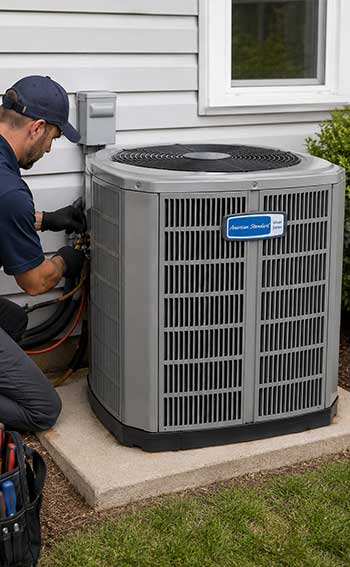
- Pricing and Value Proposition: Goodman systems usually cost noticeably less upfront, which appealed to me when I wanted strong performance without stretching my budget. You pay for what you get, and with Goodman that often means reliable cooling and heating at a price that leaves room for other home priorities. American Standard commands a premium because of its engineering and reputation for lasting longer in tough conditions like extreme heat, cold, or humid areas where systems work harder every day.
- Efficiency and Operating Costs: Both offer high-SEER options, but Goodman often provides competitive efficiency at lower price points, helping you save on energy bills quickly even in the first year. American Standard shines with variable-speed technology that adjusts output precisely, maintaining comfort while using less power over the long haul, especially useful if your electricity rates are high or summers last longer.
- Build and Durability: American Standard units feature thicker, sturdier cabinets that handle weather, resist corrosion, and reduce vibration for quieter running. Goodman has stepped up with better components since Daikin’s involvement, bringing in modern materials and processes, but in my comparisons some users still report it may need more attention to maintenance over a decade-plus period.
- Warranty and Support: Goodman stands out with lifetime compressor warranties on many models after registration, which gave me confidence against major failures. American Standard provides reliable 10-year coverage across parts and compressor along with a strong customer service network that many homeowners praise for responsiveness.
- Noise and Comfort Features: American Standard runs quieter thanks to advanced fan designs and sound-dampening tech, making it ideal if your unit sits near bedrooms or patios. Goodman performs well but can be louder under full load, something you notice more during peak summer afternoons.
- Availability and Parts: Goodman parts are widely available and often cheaper, meaning your local technician can fix things fast without waiting on special orders. American Standard uses higher-quality components that may cost more to replace but tend to need replacement less frequently.
- Technology Integration: Goodman brings accessible smart controls and inverter-driven options at good prices. American Standard integrates more sophisticated communicating systems that work seamlessly with smart home setups for finer control.
- Suitability for Different Homes: Goodman fits well in average-sized homes with moderate demands, while American Standard often proves its worth in larger properties or regions with harsh weather swings.
Key Features of Goodman HVAC Systems
I liked how Goodman focuses on practical, reliable technology that delivers results without unnecessary frills, making it approachable for everyday homeowners like me.
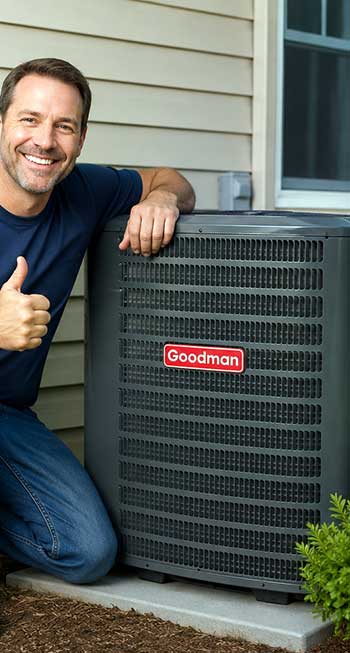
- Affordable High-Efficiency Options: Models reach up to 25 SEER, giving excellent cooling with lower energy use. This helped me see quick savings on summer bills, and the two-stage and variable-speed versions handle humidity better than basic units I had before.
- Strong Compressor Warranties: Many units come with lifetime compressor coverage when registered, offering real peace of mind that protects your biggest investment in the system.
- Daikin Technology Integration: Since Daikin acquired them, Goodman gained access to advanced inverter and R-32 refrigerant tech for better performance, smoother operation, and lower environmental impact without complicated upkeep.
- Simple, Robust Designs: Straightforward systems that contractors install easily, with good humidity control in mid-tier models and heat exchangers that hold up well during winter runs.
- Wide Product Range: From basic single-stage to two-stage and variable-speed units, plus furnaces with excellent heat exchanger warranties that cover decades in some cases. You can mix and match to exactly what your ductwork and home needs.
- Made-in-America Appeal: Many components are produced domestically, which matters to homeowners who prefer supporting local manufacturing and appreciate the quality standards that come with it.
- Easy Maintenance: Filters and parts are accessible, and service technicians know these systems well due to their popularity, so routine tune-ups stay affordable and fast.
- Smart Thermostat Compatibility: Newer lines work smoothly with popular smart thermostats, letting you control temperature from your phone and set schedules that save money automatically.
- Solid Cooling and Heating Performance: Even entry-level models deliver consistent temperatures across rooms, reducing hot or cold spots that plague older systems.
These features make Goodman a practical choice for families who want dependable comfort without overpaying while still getting modern capabilities.
Pros of Choosing Goodman
- Budget-Friendly Without Sacrificing Much: You get solid efficiency and cooling power for thousands less than premium brands. This freed up money for other home upgrades in my case and still delivered reliable summers and winters.
- Impressive Warranties: Lifetime compressor and long parts coverage reduce worry about early failures, especially valuable if you are careful with maintenance but want backup.
- Good Energy Savings Potential: High-SEER models lower monthly bills, especially in moderate climates where the system does not run at full capacity constantly.
- Reliable for Everyday Use: Many homeowners report years of trouble-free operation when properly installed and serviced on schedule.
- Fast Parts Availability: Local suppliers stock common components, meaning quicker, cheaper repairs that do not leave you sweating during heat waves.
- Improved Quality Post-Daikin: Better technology, quieter operation in newer lines, modern refrigerants, and overall refinements that address past feedback.
- Great for First-Time Replacements: Straightforward systems that deliver value and performance for the average home without requiring you to learn complex new controls.
- Strong Dealer Network: Many contractors are familiar and comfortable installing them, often leading to smoother projects and competitive pricing.
- Flexible Sizing Options: Plenty of capacity choices that match different home square footages and layouts precisely.
- Positive User Experiences in Value Segment: Owners frequently mention getting more than they expected for the money spent.
I appreciated the balance—performance I could count on without the luxury markup, and real-world savings that showed up on my utility statements.
Cons of Choosing Goodman
- Potentially Shorter Lifespan: Some reports suggest 8-12 years average, depending on maintenance and climate, compared to premium options that keep going strong longer.
- Noise Levels: Outdoor units can run louder, especially single-stage models during peak operation, which might bother light sleepers or neighbors in close quarters.
- Mixed Long-Term Reliability Feedback: Older units had coil issues; newer ones improved, but opinions vary by installer quality and local conditions.
- Basic Comfort in Entry Models: Single-stage units may have more temperature swings than variable-speed competitors, leading to noticeable cycles.
- Resale Value Impact: Some buyers see premium brands as adding more home value during a future sale.
- Warranty Registration Required: You must register promptly for full benefits, or coverage shortens, adding a small administrative step.
- Less Premium Feel: Cabinets and build may not match the robust, quiet construction of higher-end brands, feeling more functional than luxurious.
- Occasional Availability of Top Models: In some regions, the newest high-efficiency versions might have longer lead times.
- Perception Among Some Buyers: A few view it as “good enough” rather than aspirational, even though performance has closed the gap.
These drawbacks mattered less for me since I prioritized cost savings and solid warranties, but they are worth weighing if you expect extreme conditions.
Also Read: Differences Between Trane And Carrier Heat Pumps.
Key Features of American Standard HVAC Systems
American Standard impressed me with its focus on engineering excellence and homeowner comfort that goes beyond basic temperature control.
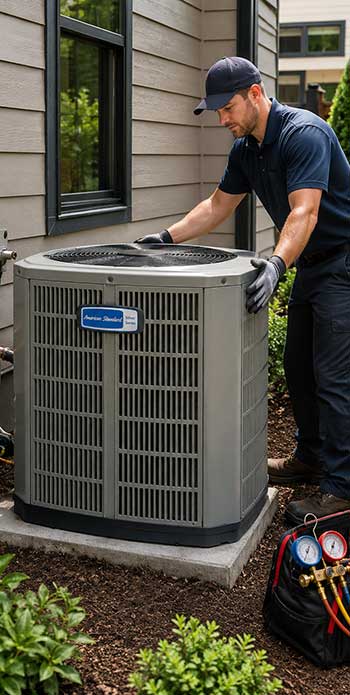
- Premium Build Quality: Thicker cabinets, durable components, and designs built for longevity that stand up to rain, hail, and temperature extremes year after year.
- Advanced Variable-Speed Technology: Precise temperature and humidity control for even comfort throughout the house, eliminating hot and cold spots effectively.
- Ultra-Quiet Operation: Some models rank among the quietest, ideal for noise-sensitive homes where you want to enjoy your backyard or sleep peacefully.
- High Efficiency Ratings: Strong SEER2 performance with excellent energy savings over time, especially when paired with proper duct sealing.
- Trane-Level Engineering: Shares technology with its sister brand, known for reliability and innovations that trickle down to better real-world results.
- Smart Features and Connectivity: Options for communicating thermostats and advanced controls that learn your habits and optimize performance.
- Comprehensive Product Lines: Platinum, Gold, and Silver series offer choices from high-end to solid mid-tier, so you can scale investment to your needs.
- Proven Track Record: Long history of awards for satisfaction and durability that many independent reviews continue to highlight.
- Superior Air Filtration Options: Better integration with advanced filters that improve indoor air quality alongside temperature control.
- Robust Heat Exchanger Designs: Furnaces that deliver consistent warmth with high AFUE ratings for efficient winter performance.
These elements position American Standard as a system you install and mostly forget about for years while enjoying consistent comfort.
Pros of Choosing American Standard
- Superior Durability and Longevity: Built to last 10-15+ years with fewer issues in demanding conditions, potentially saving money on future replacements.
- Exceptional Quiet Performance: Noticeably quieter indoor and outdoor operation for better home enjoyment and happier neighbors.
- Better Comfort Control: Variable-speed and two-stage options maintain even temperatures and humidity, improving how the house feels day to day.
- Strong Brand Reputation: Consistently high satisfaction scores and trust among homeowners who value peace of mind.
- Excellent Customer Service Options: Robust support network and dealer programs that stand behind the product.
- Energy Efficiency Leadership: Advanced designs can lead to significant long-term utility savings that add up nicely.
- Higher Resale Appeal: Premium branding can add perceived value to your property when selling.
- Robust Construction: Weather-resistant and sturdy builds that withstand elements better and maintain performance longer.
- Advanced Diagnostics: Many models include features that help technicians diagnose issues faster, reducing repair times.
- Consistent Performance in Extremes: Handles very hot or cold days without struggling as much as some budget systems.
If you plan to stay in your home long-term, these advantages make a compelling case that justifies the extra investment.
Also Read: Comparison of Ruud And Trane HVAC Systems.
Cons of Choosing American Standard
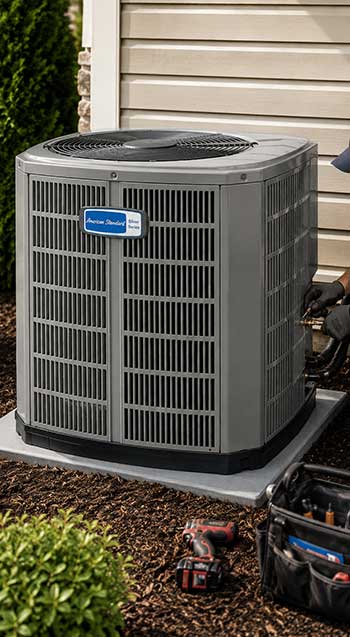
- Higher Upfront Cost: Expect to pay more for equipment and installation, which can strain budgets, especially during unexpected replacements.
- Potentially Costlier Repairs: Premium parts may carry higher price tags if issues arise outside warranty, though they occur less often.
- Overkill for Some Homes: Advanced features might exceed needs in milder climates or smaller spaces where simpler systems suffice.
- Slightly Less Warranty Flexibility: Strong coverage, but Goodman sometimes edges out on compressor lifetime terms for certain buyers.
- Availability: Fewer contractors may stock or specialize in them compared to more common brands, potentially limiting options.
- Longer Payback Period: Higher initial investment takes more time to recoup through energy savings depending on usage.
- Brand Perception Variability: Some view the premium as unnecessary depending on specific models and local energy costs.
- Steeper Learning Curve for Controls: Advanced smart features require more setup time initially.
I weighed these carefully against my expected stay in the house and usage patterns before deciding.
Which One Should You Pick?
After comparing them side by side, I see Goodman as the smart pick when you want maximum value and solid performance on a reasonable budget. It delivers modern features and strong warranties that protect your investment without breaking the bank, making it approachable for most families.
American Standard suits those who prioritize quiet operation, top-tier durability, and are willing to invest more for potential lower maintenance over decades and superior day-to-day comfort.
Consider your climate, how long you plan to live in the home, current energy costs, house size, and installer expertise. Proper sizing and professional installation matter more than the brand alone in determining real satisfaction.
Get multiple detailed quotes, ask about maintenance plans, and think about your comfort priorities like noise levels or air quality. I ultimately leaned toward one based on quotes and my priorities—talk to multiple contractors for your situation so you feel confident.
Also Read: Here Is Why You Should Get Home Depot HVAC Installation Service?
Frequently Asked Questions (FAQ)
Multiply the age of your current unit (in years) by the repair cost. If the result exceeds $5,000, replacement is usually smarter than repairing.
Trane consistently ranks as America’s most trusted residential HVAC brand in consumer studies, with American Standard closely related as a sister brand.
Yes, it positions as a premium option with higher pricing, robust build quality, and advanced features comparable to top-tier systems.
No, but it is one of the most affordable quality brands, offering excellent value with competitive pricing and strong warranties.
Final Thoughts
In the end, both Goodman and American Standard can keep your home comfortable for years when installed correctly. I encourage you to get local quotes, check reviews for installers in your area, and think about your specific comfort needs and budget.
You deserve a system that works reliably without constant worry—choose based on what fits your life best, and you will feel good about the decision for seasons to come.