
I have spent years dealing with home comfort issues, from sweltering summers where my old unit struggled to keep up to winters when heating felt inconsistent. After comparing options extensively, I decided to pit Ruud against Trane head-to-head.
In this article, I share my honest analysis based on real performance factors like efficiency, reliability, features, installation experiences, and long-term costs. I want to help you decide which brand fits your home, budget, and needs without the hype.
| Feature | Trane | Ruud |
| Efficiency (SEER2) | Up to 23.6 (variable speed) | Up to 20+ (Ultra Series) |
| Build Quality | Premium, rugged testing | Durable, contractor-friendly |
| Noise Level | Very quiet operation | Quiet, optimized fan designs |
| Smart Features | Advanced communicating tech | EcoNet compatibility |
| Typical Cost (installed) | Higher premium | More affordable value |
| Warranty | Strong, comprehensive | Solid 10-year compressor typical |
| Best For | Long-term reliability seekers | Budget-conscious performance |
I put this table together from hands-on specs and user feedback I reviewed. Both deliver solid cooling and heating, but differences show up in details that matter for daily life.
Key Differences Between Ruud And Trane
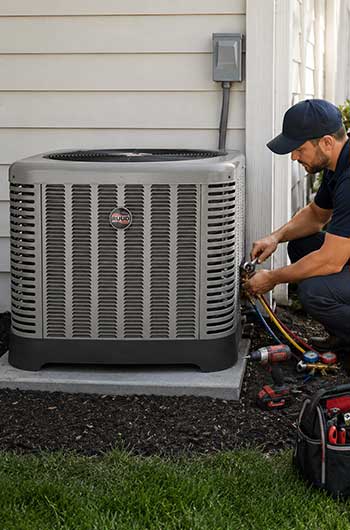
- Ownership Experience: I notice Trane feels like a premium investment that holds value over time through its reputation and longevity, while Ruud delivers strong performance without stretching the budget as much, making it easier to justify the purchase for many families.
- Technology Focus: Trane emphasizes innovative controls and variable-speed precision for even temperatures throughout the home. Ruud prioritizes straightforward reliability with efficient scroll compressors that emphasize consistent operation with fewer complications.
- Service and Parts: Trane units sometimes require specialized technicians familiar with their communicating systems, but parts availability is excellent nationwide. Ruud systems earn praise for easier serviceability in many contractor circles because of accessible designs that speed up routine work.
- Climate Adaptability: Both handle extreme conditions well, yet Trane’s extreme environmental testing gives it a noticeable edge in harsh weather areas with wide temperature swings or coastal salt exposure. Ruud performs very capably in most regions while offering strong value.
- Energy Savings Potential: High-end models from either brand cut bills significantly, but Trane’s top variable-speed units often push efficiency boundaries further in demanding climates. Ruud provides excellent savings that feel well-matched to real household usage patterns.
- Aesthetic and Installation: Ruud units frequently feature designs that simplify maintenance access and contractor installation time. Trane offers robust protective coatings for longevity along with a more substantial, heavy-duty appearance that some homeowners prefer for visual appeal.
- Warranty and Support Structure: Trane generally provides comprehensive coverage with strong emphasis on registered systems, while Ruud offers solid compressor warranties that many contractors find straightforward and reliable when paired with proper installation.
- Smart Home Integration: Trane’s ComfortLink system creates deeper communication between components for advanced automation. Ruud’s EcoNet approach delivers capable smart features that are easier to adopt without requiring a full ecosystem overhaul.
These differences helped me weigh options realistically for my own setup and will likely guide you based on what matters most in your daily life.
Key Features of Trane HVAC Systems
Trane stands out with features built for endurance and smart comfort. I appreciate how their systems feel engineered for real homes over many seasons.
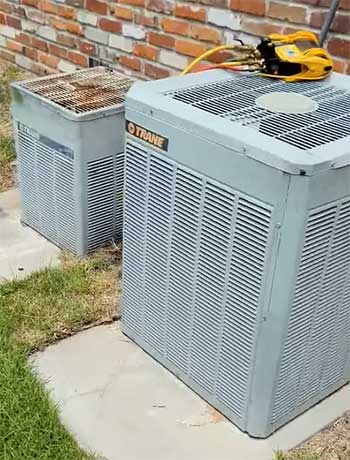
- Climatuff Compressors: These heavy-duty compressors handle intense daily operation with outstanding durability, resisting wear even in the hottest months and reducing the chance of sudden breakdowns when you need cooling most.
- Spine Fin Coils: The distinctive spine design boosts heat exchange efficiency dramatically compared to flat coils, while also shedding dirt and debris more effectively to maintain performance longer between cleanings.
- TruComfort Variable Speed Technology: This system fine-tunes output in small steps rather than full on or off cycles, creating incredibly stable room temperatures, superior humidity removal, and much quieter running that you notice immediately in improved sleep and comfort.
- ComfortLink II Controls: Components communicate directly with each other for seamless optimization, providing real-time diagnostics, early issue alerts, and integration with smart home platforms so you can monitor and adjust from your phone.
- WeatherGuard Protection: Tough cabinet materials and coatings protect against rain, snow, salt air, and UV damage, helping the entire unit last longer in challenging outdoor placements.
- High SEER2 Ratings: Flagship models reach up to 23.6, which translates into measurable monthly savings on electricity, especially valuable if you run air conditioning for many hours each day.
- Quiet Operation: Carefully engineered fans, compressors, and sound-dampening materials keep decibel levels low, so the system blends into the background instead of disturbing conversations or evening relaxation.
- Rigorous Testing: Units undergo extreme lab simulations of years of use in harsh conditions, building strong confidence that the system will perform reliably through temperature swings and storms.
When I think about these, Trane feels like a system designed to work seamlessly for 15-20+ years with minimal fuss.
Pros of Choosing Trane
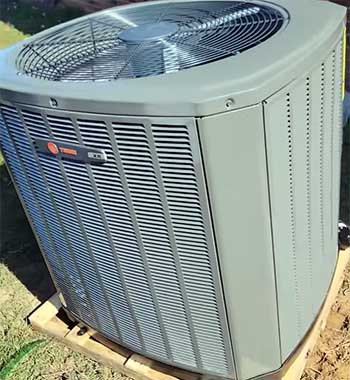
- Exceptional reliability record that many homeowners and contractors trust year after year, leading to fewer emergency service calls.
- Superior energy efficiency in premium models leads to lower operating costs over time, often paying back the higher investment through reduced utility bills.
- Advanced comfort features like precise temperature and humidity management improve indoor air quality and livability, especially in humid regions.
- Strong brand reputation as a repeatedly top-trusted HVAC name gives confidence in the purchase and potential boost to home resale value.
- Innovative technology that integrates well with smart home setups for remote monitoring, scheduling, and troubleshooting from anywhere.
- Durable construction that stands up to tough environments, reducing repair frequency and extending overall system lifespan.
- Comprehensive warranties that cover key components effectively, offering protection during the critical early years.
- Excellent humidity control, which matters hugely in muggy climates to prevent mold growth and that sticky feeling indoors.
- Quiet performance that blends into the background of daily life without drawing attention.
- Resale value boost for homes equipped with premium systems like these, as buyers often recognize the brand’s quality.
I have seen how these pros translate to fewer headaches and more consistent comfort in practice.
Cons of Choosing Trane
- Higher upfront cost compared to value-oriented brands, which can strain budgets on full system replacements including ductwork or new indoor coils.
- Some models require compatible indoor units for peak performance, potentially increasing installation complexity and total project price.
- Parts and service might cost more due to premium positioning, though availability remains good through authorized dealers.
- Learning curve with advanced controls if you prefer ultra-simple thermostats and basic operation.
- Not the most budget-friendly option for basic replacement needs without seeking high efficiency.
- Occasionally louder fan noise in certain single-stage models versus competitors during peak demand.
- Dealer network varies by area, so finding certified installers takes effort in some regions and may require travel.
- Overkill for smaller homes or mild climates where top features add unnecessary expense to the project.
- Potential for higher repair bills if something specialized fails outside warranty periods.
- Installation quality matters more—poor setup can undermine even the best equipment and void aspects of coverage.
These drawbacks made me pause during budget planning, but they often pay off long-term for me.
Key Features of Ruud HVAC Systems
Ruud focuses on practical, tough performance that contractors love to install and maintain. I found their approach refreshing for everyday reliability without unnecessary complications.
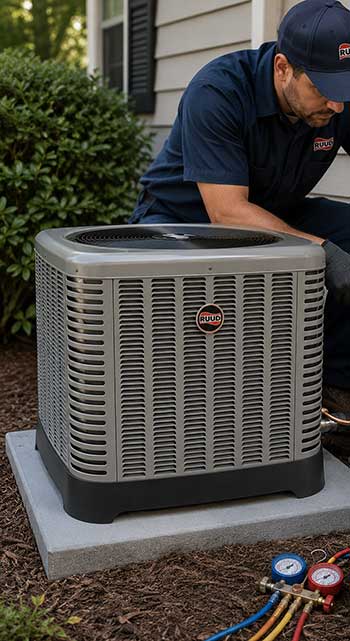
- Scroll Compressors: Known for having fewer moving parts than traditional reciprocating types, these deliver quiet, efficient, and highly reliable operation across different weather conditions and load demands.
- EcoNet Enabled Systems: Smart connectivity options let you monitor performance, adjust settings, and receive maintenance reminders through a user-friendly app, adding convenience at a reasonable price point.
- High-Efficiency Models: The Ultra Series achieves strong SEER ratings up to 20+, striking a practical balance between performance, energy savings, and upfront affordability.
- PlusOne Diagnostics: Built-in service features simplify troubleshooting for technicians, which means faster diagnosis, shorter repair times, and lower labor costs when maintenance is needed.
- Durable Cabinet Designs: Sturdy construction with thoughtful access panels makes routine maintenance and filter changes easier, while providing solid protection against outdoor elements.
- Variable and Two-Stage Options: These models reduce temperature swings compared to basic single-stage units, improving comfort and efficiency without jumping to the highest price tier.
- AHRI-Certified Performance: Independent verification ensures the stated heating and cooling capacities and efficiencies match real-world results you can actually expect.
- Quiet Fan Operation: Specially designed fan blades and grilles minimize airflow noise and resistance, keeping the outdoor unit from becoming a neighborhood nuisance.
- Broad Range of Models: Options span from the more affordable Achiever Series for standard needs all the way to the advanced Ultra line for homeowners wanting extra features.
- Robust Testing Protocols: Products are pushed hard in development to confirm they hold up under varied temperatures, humidity levels, and usage patterns.
Ruud impressed me with how these features prioritize dependable daily use over flashy extras.
Also Read: My Experience With Della Mini Split.
Pros of Choosing Ruud
- Excellent value for money with performance that rivals higher-priced brands in many everyday scenarios and climates.
- Strong reliability reputation backed by contractor feedback for consistent operation season after season.
- Good energy efficiency across lines, helping control utility bills without demanding premium pricing on every component.
- Easier serviceability thanks to design choices that technicians appreciate, often resulting in quicker and less expensive maintenance visits.
- Quiet and efficient scroll compressor technology as a core strength that performs reliably for many years.
- Solid warranties including extended compressor coverage in many cases, providing good protection.
- Flexible options for different home sizes and budgets, from basic reliable models to more advanced configurations.
- Smart EcoNet features add modern convenience for tech-savvy users without excessive added cost.
- Tough build quality suited for demanding climates and long service life with proper care.
- Broad availability and support through established networks, making it easier to find experienced local installers.
These strengths make Ruud a smart pick when I want dependable comfort without overpaying.
Cons of Ruud
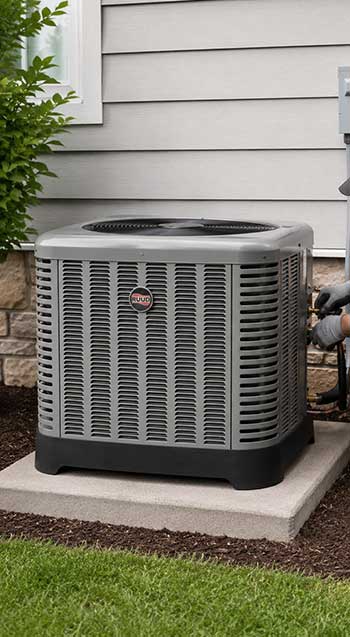
- Slightly lower peak efficiency ratings than Trane’s absolute top models in some comparisons, which may matter more in very hot regions with high cooling loads.
- Brand perception sometimes sits below ultra-premium names, even if actual performance holds up well in side-by-side use.
- Variable availability of advanced features depending on specific series chosen, so you must compare models carefully.
- Potential for noisier operation in lower-tier models under heavy load or high temperatures.
- Warranty terms can vary more by installer and model than some competitors, requiring close review.
- Less widespread consumer brand recognition in certain markets compared to bigger household names.
- May require careful model selection to match high-end Trane capabilities in extreme efficiency or smart integration.
- Occasional reports of parts wait times in remote areas, though usually manageable.
- Not always the first choice for homeowners seeking maximum smart integration and automation straight out of the box.
- Upfront savings might tempt choosing undersized units if not planned carefully with proper load calculations.
I weighed these carefully and still see Ruud as competitive for most situations.
- Which One Fits Your Home Best?
I evaluate based on priorities. For maximum efficiency, cutting-edge comfort, and proven trust, Trane stands strong. For great performance at a better entry price with easy maintenance, Ruud delivers reliably.
Consider home size, climate, budget, and local installer expertise. Get multiple quotes and ask about real-world performance in your area.
Also Read: My Experience With ApooDr Mini Split.
Frequently Asked Questions (FAQ)
It depends on your priorities. Trane often excels in premium efficiency and advanced features, while Ruud offers outstanding value and serviceability. Both are strong performers.
Multiply the age of your current unit (in years) by the repair cost. If the total exceeds $5000, replacement usually makes more financial sense than repair.
Yes, Ruud earns solid marks for reliability, efficiency, and contractor approval. It provides dependable comfort without excessive cost.
Trane consistently ranks as America’s most trusted residential HVAC brand based on large consumer studies.
Final Thoughts
I have covered extensive ground comparing these two respected brands from every angle I consider important. Both Ruud and Trane can transform your home comfort when chosen and installed right.
You now have the details to match one to your specific situation, budget, and expectations.
Think about your daily needs—consistent temperatures, lower bills, quiet operation—and pick accordingly. Whichever path you take, prioritize professional installation and ongoing maintenance for the best results.
Your future self will thank you for the informed choice that keeps your home comfortable for years ahead.