
I stood in the showroom for nearly an hour, pressing my palm into sample after sample while the salesperson waited.
Soft felt good, but soft alone does not tell you how a carpet will look six months after the kids, the dog, and the daily vacuuming start.
Frieze and plush both promise comfort underfoot, yet they behave differently once they leave the sample board and enter real rooms.
This comparison walks through the practical differences so you can pick the surface that matches your traffic, cleaning habits, and the look you want to keep.
| Feature | Frieze Carpet | Plush Carpet |
| Pile style | Tightly twisted yarns that stand up and hide marks | Cut pile with a smooth, velvety surface |
| Appearance over time | Casual texture that masks footprints and vacuum lines | Shows traffic patterns and vacuum marks more clearly |
| Best traffic level | Medium to high | Low to medium |
| Comfort feel | Firm yet cushioned, slightly textured | Very soft, sinking sensation |
| Cleaning ease | Resists showing dirt between cleanings | Needs more frequent vacuuming to stay even |
| Typical price range | Mid-range | Mid to higher depending on fiber |
| Formal vs casual look | Relaxed, textured | Polished, uniform |
Key Differences Between Frieze and Plush Carpet
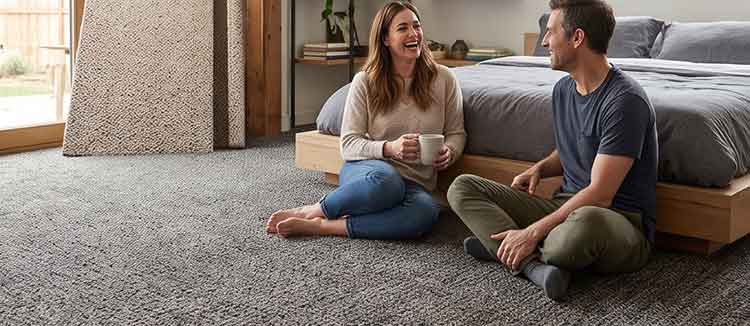
- How each surface handles daily marks: Frieze hides compression and footprints through its multi-directional twists; plush displays them because every yarn stands at the same height and angle. The practical result is that frieze looks acceptable longer between vacuumings while plush requires more consistent attention to stay visually even.
- Traffic tolerance over years: The twisted construction of frieze distributes weight and recovers more evenly in walkways. Plush can perform well in low-traffic rooms or when the face weight is high, but the same density in a busy hallway will show wear sooner. Matching the carpet type to the actual use of each room prevents disappointment.
- Visual character and light interaction: Frieze creates small shadows that soften the overall appearance and hide minor imperfections. Plush reflects light uniformly, which can make a room feel larger and brighter but also reveals every variation in the pile. The choice often comes down to whether you prefer texture that recedes or a smooth plane that highlights the space.
- Comfort sensation underfoot: Frieze offers a resilient, slightly springy cushion that supports each step. Plush delivers a deeper sinking softness that many people associate with luxury. Both can be comfortable; the difference is most obvious when you walk from one to the other in the same house.
- Maintenance rhythm required to keep the look you want: Frieze tolerates a slightly more relaxed cleaning schedule because marks disappear on their own. Plush rewards frequent vacuuming with a consistently smooth appearance and shows neglect more quickly. Your willingness to vacuum is one of the strongest predictors of long-term satisfaction.
Also Read: Is Dream Weaver Carpet Worth It?
Key Features of Frieze Carpet
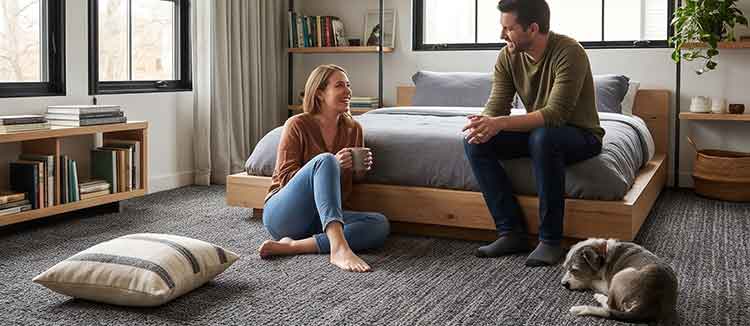
- Twisted yarn construction that creates a multi-directional surface: The permanent twist is heat-set during manufacturing so the yarns remember their shape. Even after heavy furniture is moved, the pile tends to spring back instead of staying flattened. This resilience is why frieze is often recommended for rooms where chairs are pulled out every day.
- Ability to hide everyday marks without constant maintenance: Because each yarn tip points in a slightly different direction, small debris and compression marks blend into the texture. I stopped vacuuming the frieze hallway every single day and the floor still looked acceptable when guests arrived. The difference is most noticeable with light-colored carpet that would otherwise show every speck.
- Casual visual texture that works with both modern and traditional rooms: The surface never looks machine-perfect, which helps it sit comfortably next to wood furniture, stone fireplaces, or painted walls. In one renovation the designer chose a mid-tone frieze specifically so the large open-plan space would not feel too polished or formal.
- Good performance in medium-to-high traffic zones: The twisted structure distributes weight across more fiber ends, reducing the chance that a single path will crush permanently. Families with children and pets often find they can keep the same carpet longer before the main walkways start to look tired.
- Fiber options that balance softness and durability: Most residential frieze is nylon or polyester. Nylon holds the twist better over years and resists matting; polyester offers a softer hand at a lower price but can lose definition faster in heavy-use areas. Both can be solution-dyed so color runs through the entire fiber rather than sitting on the surface.
Pros of Frieze Carpet
- Footprints and vacuum tracks disappear quickly, which reduces the need for daily touch-ups
In a house with school-age children I watched the same frieze hallway for six months. The kids ran through after soccer practice and the marks were gone by the time I finished dinner. That forgiveness let me keep a lighter color than I would have chosen in plush. - The textured surface hides minor soiling between professional cleanings
Dust and pet hair settle into the twists rather than sitting on top. A quick pass with a vacuum still lifts most of it, yet the floor does not look neglected if a day is missed. This trait is especially useful in entryways and family rooms. - Resilience under repeated traffic means the main paths stay even longer
The twisted yarns share the load, so a single walkway does not develop a permanent trench as quickly as a straight-cut pile sometimes does. Homeowners who plan to stay in the house for seven to ten years often prefer this longevity. - Works with both casual and slightly formal decorating styles
The texture adds interest without demanding a specific furniture style. I have seen frieze used successfully under mid-century pieces and under more traditional sofas; the carpet recedes and lets the furniture speak. - Generally available at accessible price points with solid performance
You do not need the highest face weight to get the hiding benefit. Mid-range nylon frieze often delivers the practical advantages without the premium cost of ultra-dense plush.
Cons of Frieze Carpet
- The textured look is less formal than a smooth plush surface
If your goal is a polished, almost seamless floor that photographs like a magazine page, frieze will always read as more relaxed. Some homeowners find the casual appearance does not match their preferred aesthetic. - Very light or very dark colors can still show wear if the twist is loose
Poorly manufactured frieze with weak heat-setting will flatten in traffic lanes and lose the hiding effect. Checking the sample under different lighting and asking about the heat-set process helps avoid this. - The springy feel is firmer than the sinking softness of plush
People who want the maximum “barefoot luxury” sensation sometimes find frieze too structured. The difference is most noticeable when you walk from a plush bedroom into a frieze hallway. - Pet claws can occasionally catch on the twisted tips
While the texture hides most damage, a determined cat or dog can pull individual yarns if the twist is not tight enough. Tight, well-set nylon reduces this risk.
Also Read: Comparison of Serging And Binding Carpet Edges.
Key Features of Plush Carpet
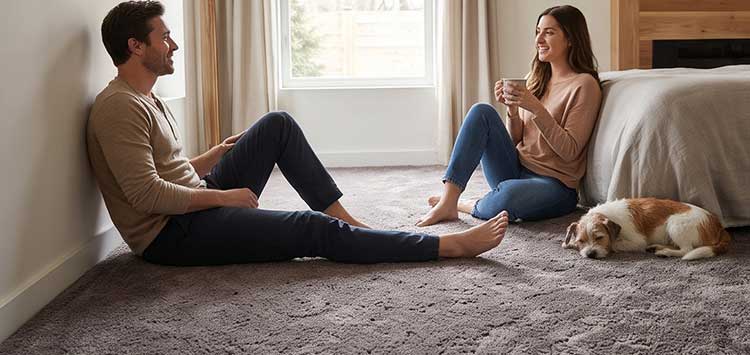
- Uniform cut pile that delivers a consistent soft surface: Every yarn is the same length and stands straight, so the first step feels the same as the hundredth. This evenness is what people mean when they say plush “feels like a cloud.” The sensation is strongest in lower-traffic rooms where the pile has not been compressed repeatedly.
- Light-reflecting surface that makes rooms appear larger and brighter: Because there are no deep shadows between yarns, more light bounces back into the room. Bedrooms and formal living areas often benefit from this quality, especially when the walls are painted in cooler tones that already absorb light.
- Dense construction available in higher face weights: Premium plush can be tufted with more yarn per square inch than many textured styles. The extra density helps the pile recover from occasional furniture placement and reduces the chance of permanent shading. Lower-density plush will crush more quickly, so face weight is worth checking when you compare samples.
- Smooth appearance that pairs well with formal furnishings: The lack of visible texture lets upholstered chairs, area rugs, and curtains become the visual focus. In dining rooms or guest bedrooms where the carpet is seen more than walked on, the clean surface can look intentional rather than casual.
- Compatibility with a wide range of fiber types and treatments: Nylon, polyester, and triexta are all common. Many plush styles also accept stain-resistant finishes more evenly because the yarns sit at the same height. This can simplify spot cleaning when the only traffic is occasional.
Pros of Plush Carpet
- The uniform softness creates an immediate luxurious sensation underfoot
Stepping onto quality plush feels different from any textured style. In bedrooms and sitting areas where people spend time barefoot or in socks, that comfort is the main reason many choose it. - Even light reflection makes the entire room look brighter and more spacious
North-facing rooms and spaces with limited windows benefit from the way plush bounces light. The effect is subtle yet noticeable when you compare the same room before and after installation. - Clean, tailored appearance pairs easily with formal furniture and area rugs
The lack of competing texture lets other design elements stand out. Dining rooms, offices, and guest suites often look more intentional with a smooth surface. - Higher-density versions recover well from occasional furniture movement
When the face weight is sufficient, chair legs and temporary furniture leave only temporary marks that blend back after vacuuming. This makes plush workable in rooms that are rearranged a few times a year.
Cons of Plush Carpet
- Footprints, vacuum lines, and traffic patterns remain visible longer
In any room used more than a couple of times a day the surface will show paths. Homeowners who dislike the look of vacuum marks often end up vacuuming more frequently than they expected. - Soiling is more obvious between cleanings, especially in lighter colors
Because debris sits on the flat surface rather than settling into texture, a missed vacuum day is immediately noticeable. This characteristic pushes many people toward darker shades or toward frieze in high-use areas. - Permanent shading or crushing can develop in heavy traffic if density is low
A budget plush with low face weight will develop permanent wear patterns faster than a comparable frieze. Checking the ounces per square yard and the fiber type before purchase reduces this risk. - The soft feel can compress under heavy furniture more readily than twisted styles
Large sofas and bookcases may leave lasting impressions if the carpet is not dense enough or if furniture coasters are not used. Planning the layout before installation helps.
Matching The Carpet to Specific Rooms and Lifestyles?
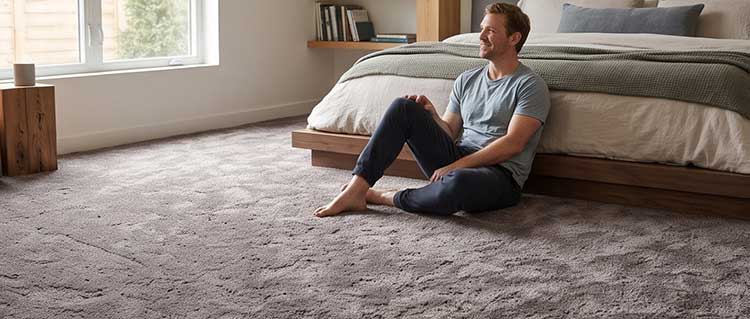
If most of your time is spent in bedrooms and a formal living room that sees guests only on weekends, plush can deliver the soft feel and polished look you want with manageable upkeep.
The same household might still choose frieze for the family room, hallway, and any space the dog uses daily. Mixing the two styles within one house is common and works well when the colors stay in the same family.
Households with young children or multiple pets usually find frieze more forgiving across the main living areas. The texture absorbs the visual impact of dropped toys, muddy paws, and constant foot traffic. In those homes plush is often reserved for the primary bedroom where the lower traffic lets the smooth surface stay even.
Budget also influences the decision. A well-made mid-range frieze frequently outperforms a low-density plush in real use. Spending more on higher face-weight nylon in either style improves longevity, yet the hiding benefit of frieze remains even at moderate price points.
Asking the retailer for the face weight and fiber type, then comparing those numbers against the rooms you have in mind, keeps the choice grounded.
Also Read: Carpet Installation Cost Calculator.
Frequently Asked Questions (FAQ)
Yes. Many households continue to choose it for family rooms, hallways, and any space where hiding everyday marks matters more than a perfectly smooth appearance.
Pros include quick recovery from footprints, good performance in medium-to-high traffic, and a casual texture that works with many decorating styles. Cons include a less formal look than plush and a firmer feel that some people find less luxurious.
It usually sits in the mid-range. You can find solid performance without paying the highest prices associated with ultra-dense plush, though premium nylon versions cost more.
It refers to a cut-pile style in which the yarns are tightly twisted and heat-set so they stand in different directions, creating a textured surface that hides marks.
Wrapping Up
You now have the side-by-side details that matter once the carpet is installed and daily life begins. If your rooms see regular traffic and you prefer a surface that stays presentable without constant attention, frieze will likely serve you longer.
If you want the softest possible feel in lower-traffic spaces and do not mind vacuuming more often to keep the look even, plush can deliver exactly that.
Walk the samples in the lighting of your own home, press your hand into both, and choose the one whose practical behavior matches how you actually live.