
I have spent years working with carpet remnants, custom area rugs, and edge finishes in my own home projects and for friends, and I wrote this piece to help you figure out whether serging or binding makes better sense for your carpet edges so you can protect the fibers, get the look you want, and avoid wasting money on the wrong finish.
| Aspect | Serging | Binding |
| Edge Appearance | Soft, rope-like yarn wrap that blends in | Flat fabric tape creating a defined border |
| Materials Used | Heavy yarn (wool, nylon, polyester) | Cotton, polyester, or synthetic binding tape |
| Durability | Good but can show wear faster in high traffic | Stronger reinforcement, better for heavy use |
| Cost per Linear Foot | Higher ($7–$12 typical) | Lower ($2–$6 typical) |
| Best Carpet Types | Thick, plush, high-pile, traditional rugs | Flatter, commercial, or modern carpets |
| Feel Underfoot | Soft and seamless | Slightly firmer, more structured |
| Style Match | Traditional, oriental, rustic | Modern, clean, contemporary |
| Time to Complete | Longer due to continuous looping | Faster application |
| Color Options | Many yarns for close matching | Wide range of tapes, easy contrast |
| DIY Friendliness | Difficult without specialized equipment | Easier with adhesive tapes or basic sewing |
Key Differences Between Serging And Binding Carpet Edges
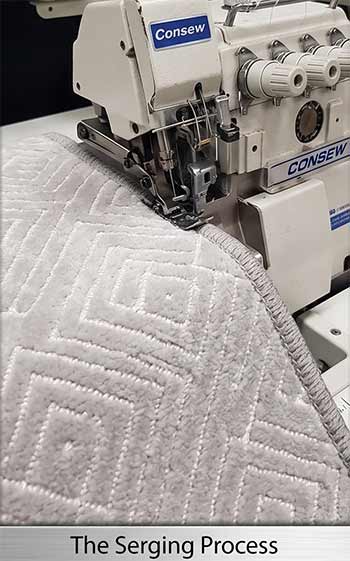
- Edge profile and how the finished carpet feels when you step on it or run your hand along the side Serging produces a soft, rounded rope that compresses slightly and feels continuous with the carpet pile. Binding produces a flat, firm strip that creates a distinct step. The difference is immediately obvious under bare feet and remains noticeable for the life of the rug. Rooms where people sit or play on the floor favor the serged profile; rooms that need a crisp boundary favor the bound profile.
- Visual integration versus deliberate framing and how each choice affects the overall style of the room Serging aims to disappear or to create only the softest outline. Binding aims to define and frame. Traditional and patterned interiors usually benefit from integration. Modern and minimalist interiors often benefit from the clear frame. The choice becomes part of the larger design conversation rather than a purely technical decision.
- Material composition and the way yarn versus tape responds to abrasion, moisture, and cleaning Yarn edges flex and absorb impact but can compress and fuzz under heavy traffic. Tape edges resist abrasion and moisture more effectively yet can feel stiffer. Cleaning methods also differ: yarn edges need gentle vacuuming along the border, while tape edges tolerate wiping. Matching the material behavior to the actual conditions of the room prevents early wear.
- Cost structure and the point at which the higher price of serging becomes worthwhile for the look you want Binding remains the budget choice for long perimeters and multiple pieces. Serging becomes worthwhile when the rug is a focal point, the carpet is thick, or the desired look is seamless and traditional. Calculating the total linear footage and weighing it against the visual importance of the piece clarifies the decision quickly.
- Speed of application and how that influences both professional pricing and DIY feasibility Binding machines finish work faster, which lowers labor cost and shortens turnaround. Serging requires more time per foot, especially on complex shapes. DIY adhesive binding is realistic for small projects; DIY serging is rarely successful. Time and skill requirements therefore shape both professional quotes and homeowner options.
- Suitability for different carpet constructions, from thick residential piles to thin commercial loops Thick, plush, and shag carpets accept serging yarn gracefully and often look awkward with tape. Thin, dense, and commercial carpets accept tape cleanly and can look bulky with yarn. Matching the finish method to the carpet construction is one of the most reliable ways to avoid disappointment.
- Long-term maintenance needs and how easy or difficult each edge is to repair when wear appears A damaged serged section usually requires professional re-work of the entire affected length. A damaged bound section can often be replaced locally with less disruption. Understanding the repair path helps owners anticipate future costs and effort.
- Design flexibility for matching versus contrasting and the ability to change the border later if tastes shift Both methods allow matching or contrasting, yet the visual results differ. Yarn contrast remains soft; tape contrast remains sharp. Changing a bound border later is mechanically simpler than changing a serged border. Owners who expect their design preferences to evolve may prefer the greater future flexibility of binding.
Also Read: Is Godfrey Hirst Carpet Worth It?
Key Features of Serging
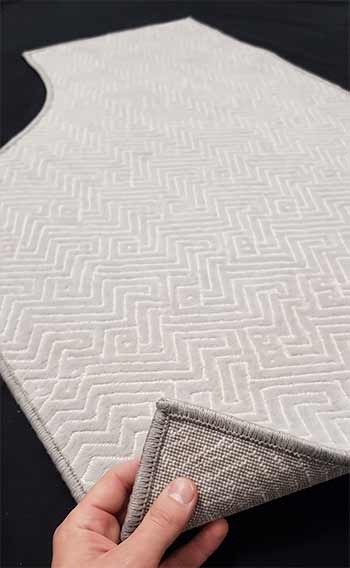
- Continuous yarn wrap that fully encases the edge and locks every loose fiber in place so fraying stops immediately.
- Ability to match yarn color almost exactly to the carpet face, which keeps the border nearly invisible on solid or subtle patterns.
- Soft, rounded profile that sits low and feels comfortable when you walk or sit near the edge.
- Compatibility with high-pile and shag carpets where a flat tape would look bulky or fail to grip the thick fibers.
- Traditional appearance that echoes the finished edges found on many oriental and hand-knotted rugs.
- Option for both machine speed and hand control depending on the complexity of the shape or the thickness of the material.
- Yarn choices that include wool for a natural look and feel, nylon for abrasion resistance, and polyester for bright or hard-to-match colors.
- Slight give in the edge that moves with the carpet instead of creating a rigid line that can lift or catch.
Pros of Serging
- Creates a seamless, built-in look that makes the finished piece feel more like a true area rug rather than a cut remnant with an added border.
- Soft texture underfoot that never feels sharp or raised, which matters in bedrooms, living rooms, or any space where people sit on the floor.
- Excellent color blending that lets the edge disappear on patterned or multi-toned carpets.
- Strong enough for normal household traffic while still looking refined.
- Works especially well on thicker carpets where binding tape might sit too high or fail to cover the dense pile completely.
- Adds a subtle decorative texture that many people prefer for traditional or cozy interiors.
- Yarn can be chosen to contrast deliberately if you want a small amount of definition without the flat look of tape.
- Holds up well on curved or irregular edges because the continuous loop follows the contour without buckling.
- Gives higher-end or custom rugs a professional factory-style finish that raises the perceived value of the piece.
- Reduces the chance of the edge catching on vacuum cleaners or furniture legs because nothing sticks out sharply.
Cons of Serging
- Costs more than binding because the process uses more material and takes longer, especially on large perimeters.
- Can show wear sooner in high-traffic doorways or hallways where the yarn loops get compressed and start to look fuzzy.
- Harder to repair if a section of yarn pulls out; you usually need a professional to re-serge the damaged area.
- Requires specialized equipment or skilled labor, so DIY versions rarely match the quality of a shop job.
- Heavier yarn can feel slightly bulkier on very thin carpets and may not sit as flat as tape.
- Limited ability to create a strong visual frame if you want the edge to stand out as a design feature.
- Color matching, while excellent, still depends on available yarn stock; exact matches for unusual carpet shades can take extra time.
- Not ideal for outdoor or extremely wet areas because some yarns absorb moisture more readily than synthetic tapes.
- The soft profile offers less mechanical protection against heavy dragging of furniture compared with a wide fabric tape.
- Pricing climbs quickly on large rugs because every linear foot of edge needs continuous stitching.
Also Read: Is Shaw Pet Perfect Carpet Worth It?
Key Features of Binding
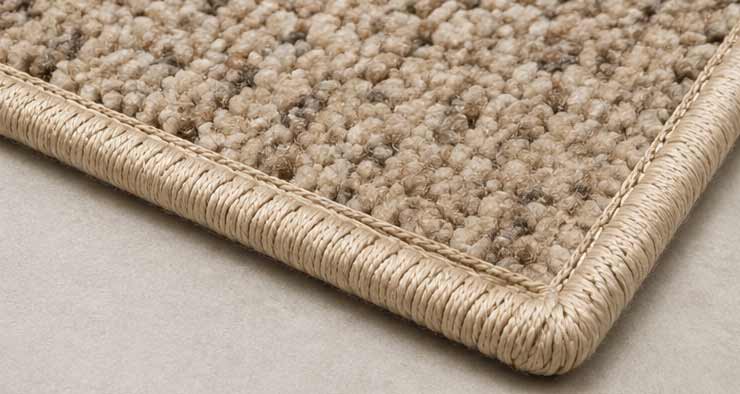
- Flat fabric or synthetic tape that creates a crisp, visible border around the entire perimeter.
- Wide selection of colors and materials that let you match the carpet or introduce deliberate contrast.
- Strong mechanical reinforcement that protects the edge against repeated foot traffic and vacuuming.
- Faster application process that keeps labor costs lower on large projects.
- Compatibility with almost any carpet thickness, including low-pile commercial styles and outdoor materials.
- Option for adhesive-only systems that allow homeowners to finish small remnants without sewing equipment.
- Ability to choose wider tapes for a more pronounced frame or narrow tapes for a minimal look.
- Resistance to moisture and fading when polyester or treated tapes are selected.
- Clean line that works well with modern and contemporary interiors where soft edges would look out of place.
- Easy replacement of a damaged section because the tape can often be removed and reapplied without affecting the rest of the border.
Pros of Binding
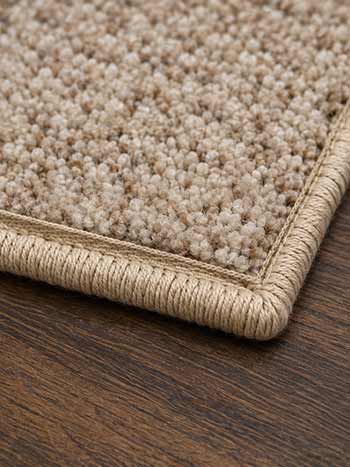
- Lower cost per linear foot makes it practical for large rooms, long runners, or multiple pieces cut from the same remnant.
- Defined edge gives a polished, modern appearance that many people prefer in open-plan homes and offices.
- Greater durability under heavy use because the fabric tape adds an extra layer of abrasion resistance.
- Faster turnaround time from most professional shops, so you get the finished rug back sooner.
- Huge color range that lets you either disappear the border or turn it into a design accent.
- Works reliably on thin or dense commercial carpets where serging yarn might not grip well.
- DIY-friendly options exist for small projects, letting you finish a remnant in an afternoon.
- Easy to clean because the flat surface does not trap as much dirt as a looped yarn edge.
- Can incorporate specialty materials such as leather or heavy cotton for high-end or high-wear applications.
- Provides a stable base that helps keep the carpet from curling at the edges over time.
Cons of Binding
- Creates a visible border that some people feel looks less integrated than a serged edge, especially on traditional rugs.
- The flat profile can feel slightly raised underfoot compared with the soft yarn of serging.
- On very thick or shaggy carpets the tape may not cover the pile completely and can look awkward.
- Adhesive-only DIY versions sometimes fail over time if the carpet is flexed repeatedly or exposed to heat.
- Sewing the tape requires careful alignment; a crooked line is immediately noticeable.
- Contrast colors can look dated if trends shift, while matching colors still leave a distinct edge line.
- Wider tapes add a bit of stiffness that may not suit soft, drapey area rugs.
- In very high-traffic commercial settings the tape edge can eventually fray at the stitch line if the wrong material is chosen.
- Removal and re-binding is possible but still involves labor, so it is not completely free of maintenance.
- Some inexpensive synthetic tapes can look shiny or artificial next to natural fiber carpets.
Also Read: Is Dream Weaver Carpet Worth It?
Frequently Asked Questions (FAQ)
Neither is better overall. Serging suits thick traditional rugs that need a soft blended edge. Binding suits high-traffic or modern pieces that need strength and a clean border.
Serging costs more per linear foot because of the yarn and longer labor time. Binding is the more affordable option for most projects.
Tape binding attaches a flat fabric strip to the edge. Carpet serging wraps continuous yarn around the edge in a looped stitch that creates a soft rope-like finish.
Most shops charge between $7 and $12 per linear foot for serging, depending on yarn quality, carpet thickness, and local labor rates. Exact quotes require measuring the full perimeter.
Wrapping Up
I have walked through both finishes on enough projects to know that the right choice depends on the carpet in front of you and the way you plan to use the finished piece.
You now have the practical differences, the real costs, and the long-term performance factors laid out so you can decide with confidence.
Measure your edges, look at the pile height, and match the finish to the life the rug will actually live. That approach has saved me money and disappointment more than once, and it will do the same for you.