
I have spent years fixing walls in my own home and helping friends with theirs, and the choice between drywall compound and spackle keeps coming up.
This piece lays out exactly how the two products differ, where each shines, and which one you should reach for so your repairs look clean and last without extra hassle or wasted material.
| Feature | Drywall Compound (Joint Compound) | Spackle |
| Best for | Large repairs, seams, taping, skim coats | Small holes, nail pops, minor dents |
| Consistency | Thinner, creamy, easy to spread thinly | Thicker, paste-like |
| Shrinkage | Noticeable; needs multiple coats | Minimal to none |
| Drying time | 12–24 hours per coat (setting types faster) | 30 minutes to 2 hours |
| Sanding | Excellent, very smooth over wide areas | Good, slightly harder |
| Package size | 1–5 gallon buckets or powder | Small tubs (8 oz to 1 quart) |
| Cost per volume | Lower | Higher |
| Versatility on surfaces | Limited mainly to drywall and plaster | Better on wood, brick, stone in some formulas |
Also Read: Free Basement Finish Cost Calculator: Materials, Labor & Permits.
Key Differences Between Drywall Compound and Spackle
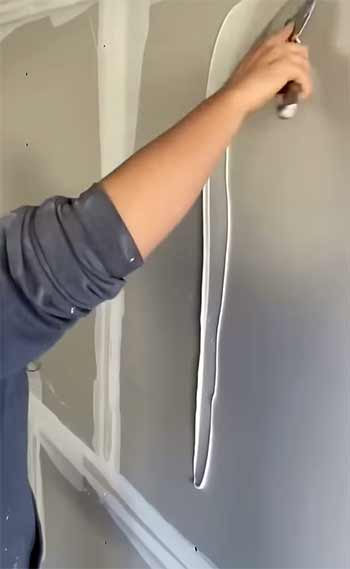
- Primary Purpose And Scale Of Work Drywall compound exists for structural finishing tasks. You use it to cover the joints between full sheets, embed reinforcing tape, fill screw holes across an entire ceiling, or skim-coat uneven walls. Spackle exists for localized touch-ups. I reach for it when the damage measures less than half an inch across and I want the wall ready the same afternoon. The scale difference drives every other choice: one product handles square footage, the other handles thumb-sized spots.
- Texture And How Each Spreads Drywall compound stays thinner and creamier, almost like soft frosting. That consistency lets the knife glide and leaves a level surface with minimal effort once you learn the angle. Spackle feels denser and more resistant, closer to toothpaste or soft clay. You push it into the void rather than spread it, and the extra body helps it stay put without sagging. Beginners often find spackle more forgiving for tiny repairs because it does not run, while drywall compound rewards practice on larger planes.
- Shrinkage Behavior During Drying Moisture content decides this point. Drywall compound holds more water, so as it evaporates the volume decreases and the surface can sink or develop hairline cracks if applied too thick. Multiple thin coats solve the problem. Spackle’s binders and lower water ratio keep the fill nearly the same size after drying. I have filled dozens of nail holes with one pass of spackle and never returned for a second coat, something that almost never happens with ordinary joint compound.
- Time From Application To Paint-Ready Standard drywall compound asks for patience. Each coat needs twelve to twenty-four hours before sanding, and a typical seam needs three coats. Setting-type powders speed things up to under two hours, but you must mix and use them before they harden in the pan. Spackle usually firms up in thirty minutes to two hours depending on thickness and humidity. That speed lets you sand, prime, and paint an entire wall of small repairs in a single day, which is why I keep it on hand for last-minute prep before guests arrive.
- Sanding Characteristics And Final Surface Both products accept sandpaper, yet the feel differs. Drywall compound sands into a powder that levels beautifully across wide areas and blends with the surrounding wall. Over-sanding rarely damages it if you stay gentle. Spackle sands well on small spots but can feel a bit harder or more brittle; aggressive pressure sometimes creates a slight dish or pulls particles loose. For a seamless large repair I always prefer the compound; for a pinhole the difference is negligible.
- Packaging, Cost, And Shelf Life Drywall compound arrives in bulk because projects consume volume. A five-gallon bucket costs less per ounce and covers many rooms, yet once opened it can dry out or separate if not sealed tightly and sometimes needs remixing. Spackle comes in small tubs priced higher by the ounce but lasts through years of minor fixes if the lid stays closed. I buy the big bucket only when I know the job will use most of it; otherwise the little tub sits ready without waste.
- Surface Compatibility Drywall compound sticks best to clean, paper-faced gypsum and to itself. It struggles on wood, brick, stone, or greasy surfaces and may peel later. Certain vinyl or acrylic spackles bond to those other materials, giving them an edge when the repair crosses from drywall onto trim or masonry. Always clean the area first either way; dust or oil defeats both products.
Also Read: Comparison of Drywall And Gypsum Board.
Key Features of Drywall Compound
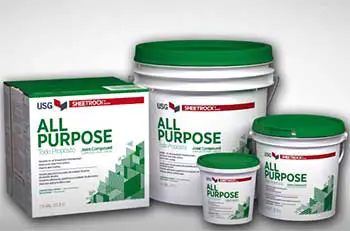
- Gypsum core with adjustable consistency The base material is ground gypsum that you can thin with water for easier spreading or leave thicker for filling deeper voids. Pre-mixed versions arrive ready, while powder lets you control the exact thickness and set time. I mix setting-type powder when I need a repair that hardens fast and resists shrinkage in a single thick pass.
- Ability to embed tape and reinforce seams Paper or fiberglass mesh tape sinks into the first coat and becomes part of a strong joint. No other common filler does this as reliably. That feature turns separate drywall sheets into a continuous surface that moves together and resists cracking from normal house settlement.
- Multiple specialized formulas All-purpose compound handles every coat. Lightweight versions reduce weight for ceilings and sand more easily. Topping compounds create the smoothest final layer. Setting compounds give timed chemical hardening. Having those options means I match the product to the stage of the job instead of forcing one mix to do everything.
- Excellent feathering and blending The thin consistency lets the edge of a repair disappear into the existing wall over six to twelve inches. Once sanded and primed the transition vanishes under paint. This property makes large patches invisible rather than leaving a noticeable plateau.
- Strong inter-coat adhesion Each new layer bonds tightly to the previous dry layer, building thickness without delamination. That reliability supports three-coat systems that end up stronger than the original board in many cases.
Pros of Drywall Compound
- Handles full-scale finishing and large repairs with real strength When the job involves seams, tape, or anything bigger than a small dent, drywall compound bonds tightly to the board and to itself. It creates a continuous surface that holds up under normal house movement far better than lighter fillers. I have used it on entire rooms of new drywall and the finished joints stay solid for years.
- Produces the smoothest final surface after sanding The thinner consistency feathers out cleanly over wide areas. Once dry it sands into a fine powder that levels perfectly and disappears under primer and paint. That blend is hard to beat when the repair sits under strong side light.
- Costs less on bigger projects Sold in large buckets, the material covers far more area than small tubs of spackle for the same money. On a full wall of screw holes or multiple large patches the savings add up quickly.
- Comes in formulas matched to different stages All-purpose, lightweight, topping, and setting-type versions let me pick the right mix for the coat I am applying. Setting compounds harden on a schedule and shrink less in thicker applications, which is useful when time is short.
Cons of Drywall Compound
- Needs multiple coats and long drying times Standard formulas take twelve to twenty-four hours per coat and almost always require two or three layers because of shrinkage. A simple repair can stretch into days of waiting and sanding.
- Shrinks noticeably if applied too thick Moisture leaves the mix and the surface can sink or develop fine cracks. Thin coats are the only reliable way to avoid that problem, which means extra work.
- Creates more dust on larger areas Sanding wide repairs produces a fine powder that settles everywhere. Good dust control and a mask become necessary.
- Does not stick well to many non-drywall surfaces Wood, brick, stone, plywood, and anything greasy or dusty will often reject it. Clean paper-faced gypsum is its ideal base.
Also Read: Comparison of Drywall And Cement Board.
Key Features of Spackle
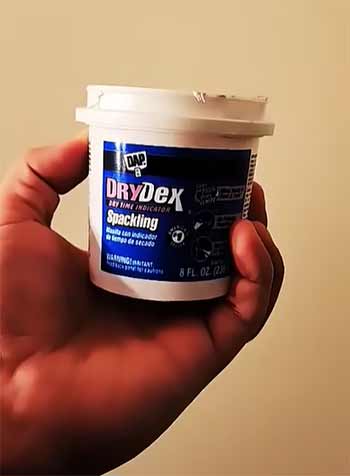
- Ready-to-use paste with built-in binders Open the tub and the material is already at working consistency. Vinyl, acrylic, or similar agents keep it flexible and reduce shrinkage. I never measure water or worry about mixing ratios for ordinary repairs.
- Fast surface drying Most formulas skin over quickly so dust stays off and sanding can begin soon. Lightweight types often allow paint the same day. That speed turns a weekend of small fixes into an hour of focused work.
- Low shrinkage even in modest thickness Because the volume stays nearly constant, one application usually finishes the job. I press the paste in, leave a slight crown, wait, then sand flush. No second trip back to the wall for the same hole.
- Ease of application for beginners The thick body stays where you put it. You do not chase runs or drips the way you might with thinner mud. A simple putty knife and a steady hand produce acceptable results on the first try for most nail holes and shallow dents.
- Variety of specialized types Lightweight for tiny cosmetic spots, heavyweight or vinyl for slightly larger voids, and some formulas that color-change to show when dry. A few outdoor-rated versions even handle exterior siding touch-ups. The range covers almost every small household need without buying bulk material.
Pros of Spackle
- Dries fast enough for same-day finishing Most formulas firm up in thirty minutes to two hours. I can fill nail holes, sand, prime, and paint in a single afternoon without overnight waits.
- Shrinks very little so one coat usually finishes the job The added binders keep the fill nearly the same size after drying. A single press-and-scrape application is often enough for small dents and holes.
- Easy to control for occasional users The thicker paste stays where I put it and does not run. Beginners can get acceptable results on tiny repairs with almost no practice.
- Convenient small packaging and long shelf life A little tub lasts through months of minor touch-ups if the lid stays sealed. No need to buy bulk material for a handful of picture-hanger holes.
Cons of Spackle
- Cannot handle seams, tape, or large patches It lacks the strength and feathering ability needed for anything structural. Trying to force it into bigger work leaves a soft or cracked repair that fails later.
- Costs more when measured by volume on larger jobs The small containers are convenient but expensive if you suddenly need to fill many spots or deeper damage.
- Feathers poorly across wide surfaces Edges can remain visible under paint if the repair area is more than a couple of inches across. Blending into the surrounding wall is harder than with compound.
- Limited depth capacity without special kits Beyond about three-quarters of an inch most formulas start to feel soft or pull away. Deeper holes need backing and a different product.
When I Choose Each Product in Real Projects?

For a wall full of picture-hanger holes before repainting a living room I open the spackle tub.
The work finishes in under an hour and the wall is paint-ready by evening.
When a doorknob punches a fist-sized hole or when new drywall goes up, the compound comes out.
I cut a patch, tape the edges, and build coats over a couple of days.
Trying to force spackle into the larger job leaves a soft spot that fails; trying to force compound into dozens of tiny holes wastes time and creates extra dust.
Humidity and temperature affect both. In a damp basement I favor setting-type compound because it hardens even when evaporation is slow.
In a dry climate spackle performs at its best.
Clean the surface either way: vacuum dust, wipe grease, and let everything dry before application.
A little extra care at the start prevents peeling later.
Practical Tips That Improve Results with Either Product
Keep tools clean.
A drywall knife with dried clumps leaves ridges. Wipe it often and rinse at the end of the day. For compound, mix only what you need for the next hour if using setting powder; once it starts to harden the batch is finished.
For spackle, press the paste firmly into the void so no air pockets remain, then scrape level. Light sanding with 120- to 220-grit paper works for both; stop when the repair feels flush rather than digging a depression.
Prime every repair before final paint. Unprimed compound or spackle can absorb paint differently and show as a dull or shiny spot. A quick coat of primer equalizes the surface and improves adhesion of the topcoat.
Also Read: Comparison of USG Plus 3 and All Purpose Joint Compound.
Frequently Asked Questions (FAQ)
Use spackle for small holes and dents under half an inch. Use drywall compound for seams, large patches, and any work that needs tape or wide feathering.
A small amount reduces surface tension, cuts air bubbles, makes the mix spread smoother, eases sanding, and can lessen shrinkage. Add roughly a tablespoon per gallon and mix thoroughly.
It fails on wood, brick, stone, plywood, greasy or dusty surfaces, and many plastics. Clean, paper-faced drywall is its ideal base.
Yes. Clean the crack, apply compound, and add mesh or paper tape for wider cracks. Multiple thin coats work better than one thick fill.
Closing Thoughts
After comparing the two products side by side across many repairs, I now grab the right container without second-guessing. You can do the same.
Match the scale of the damage to the strengths of each material and your walls will look solid and smooth for years.
Small cosmetic work belongs to spackle; anything structural or large belongs to drywall compound. That simple rule saves time, material, and frustration every time you pick up a putty knife.