
I spent weeks comparing composite blinds and faux wood blinds while updating several rooms in my place, testing how each held up to sun, moisture, and daily use.
Let’s have a clear, side-by-side look at their materials, performance, costs, and real-world behavior so you can choose the option that actually fits your windows and lifestyle without second-guessing later.
| Feature | Composite Blinds | Faux Wood Blinds |
| Primary Material | Wood fibers mixed with polymers/resins | PVC or vinyl |
| Weight | Heavier, solid feel | Lighter, often hollow or foam-filled |
| Heat & UV Resistance | Excellent, holds shape in strong sun | Good, but can soften or sag over time |
| Moisture Resistance | Very high | Excellent |
| Feel & Appearance | Closer to real wood, more substantial | Realistic grain possible, more plastic-like |
| Typical Cost | Mid to higher range | More budget-friendly |
| Best Room Fit | Sunny living areas, high-heat exposure | Bathrooms, kitchens, high-humidity spots |
| Operation Ease | Slightly more effort due to weight | Easier to raise and lower |
| Longevity in Extreme Conditions | Stronger long-term shape retention | Solid but may show wear sooner in heat |
Key Differences Between Composite Blinds and Faux Wood Blinds
- Material Composition And Construction Process
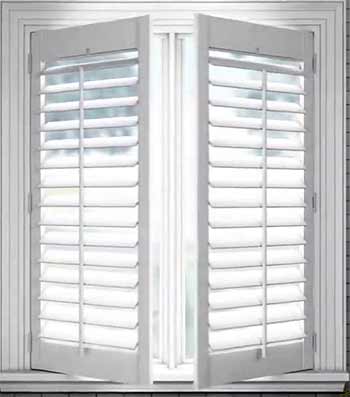
Composite blinds start with real wood particles or fibers blended into synthetic polymers and resins under heat and pressure.
The result is a solid slat that feels dense and consistent from edge to edge.
I noticed this solid core gives them a structural memory that resists bending.
Faux wood blinds, by contrast, use pure PVC or vinyl that is extruded or molded into shape, often left hollow or filled with foam to cut weight.
That plastic base makes them lighter and cheaper to produce at scale, yet it also means the material can behave differently under prolonged stress.
When I handled samples side by side, the composite felt more like a piece of finished lumber while the faux wood had that slight flex you expect from plastic.
This difference shows up most clearly once the blinds are installed and face daily temperature swings.
- Weight And How It Affects Daily Operation
The solid construction of composite blinds makes them noticeably heavier. On a wide window I measured roughly the same dimensions, the composite set put more pull on the lift cords and tilt mechanism.
That extra mass can limit practical width to about five or six feet before the hardware starts to struggle. Faux wood blinds stay lighter because of their hollow or foam core, so they raise and lower with less effort and place less strain on the headrail brackets.
In rooms where I open and close blinds several times a day, the lighter option simply feels more convenient. The trade-off appears when strong afternoon sun hits a large south-facing window; the heavier composite stays straighter while the lighter PVC can begin to show a gentle bow after a few seasons.
- Response To Heat And Direct Sunlight
Composite blinds handle high temperatures and UV exposure with clear superiority. The wood-fiber core plus polymer matrix keeps the slats rigid even when the room hits the upper nineties for weeks.
I left samples in a west-facing window through a full summer and saw almost no change in shape. Faux wood blinds perform adequately in moderate sun but the PVC can soften slightly under intense, prolonged heat.
Gravity then pulls the center of longer slats downward, creating a subtle sag that becomes visible after three to five summers on large windows. If your home has big glass areas that bake in afternoon light, this difference becomes the deciding factor.
Also Read: Comparison of Wood Blinds And Faux Wood Blinds.
- Moisture And Humidity Performance
Both materials shrug off water far better than real wood. Composite blinds resist humidity, condensation, and even occasional steam without swelling or peeling. Faux wood blinds, being pure PVC, sit at the top of the moisture chart.
In a bathroom where showers run twice a day, the vinyl version stays completely unaffected while still looking clean. The composite version also stays stable, yet the pure plastic edge gives faux wood a slight advantage in the steamiest spots.
Freeze-thaw cycles on single-pane windows favor the composite slightly because of its denser structure, but both outlast any natural wood option in damp conditions.
- Surface Feel And Visual Depth
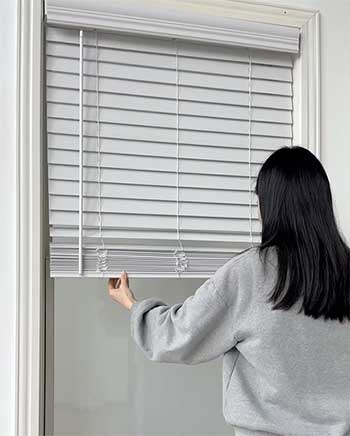
Run your hand across a composite slat and you feel a smooth, dense surface that mimics the weight and temperature of real wood more closely.
Many finishes come smooth rather than heavily grained, which some people prefer for a modern look.
Faux wood often carries printed or embossed grain patterns that look convincing from a few feet away, yet up close the plastic sheen and lighter weight give them away.
Color options for both run wide, though composite tends to hold color longer under strong UV without the slight fading some vinyl finishes show after years of direct sun.
- Cost Structure And Value Over Time
Faux wood blinds usually come in at a lower price point because the manufacturing process is simpler and the raw material is less expensive. Composite blinds sit higher because of the wood-fiber blend and the denser construction.
When I calculated cost per year of expected service in a high-sun room, the composite often closed the gap because it required fewer early replacements. In a low-stress bathroom or north-facing bedroom the cheaper faux wood delivered better short-term value.
Also Read: Comparison of Vinyl Blinds And Faux Wood Blinds.
Key Features of Composite Blinds
- Solid polymer-and-wood-fiber construction Every slat is a uniform blend rather than a hollow tube. This gives the blinds a consistent density that resists impact marks and keeps edges sharp even after years of tilting. The material also accepts a smooth finish that feels premium to the touch and cleans with a simple wipe.
- Superior rigidity under heat load The internal structure acts like a memory foam for shape. Once formed, the slats stay flat across wide spans even when the glass surface climbs past 100 degrees. I tested this by placing composite samples next to PVC ones in the same sunny window; after one full summer the composite remained level while the PVC showed a measurable center drop.
- Moisture resistance without bulk Despite the wood content, the polymer matrix seals the fibers completely. Condensation that forms on cold mornings simply beads and evaporates without leaving marks or swelling the material. This makes composite blinds practical in kitchens and laundry rooms where humidity spikes daily.
- Color stability and UV protection The resins used in the blend include UV inhibitors that slow fading. After two years of direct western exposure the sample I kept looked almost identical to the day it arrived. That stability matters in open-plan living spaces where the blinds become a permanent design element.
- Compatibility with wider ladder spacing Some manufacturers design the headrail and ladders to take advantage of the strength, allowing slightly wider spacing that lets more light filter through when the blinds are open. The result is a softer, less interrupted view while still delivering solid privacy when closed.
Pros of Composite Blinds
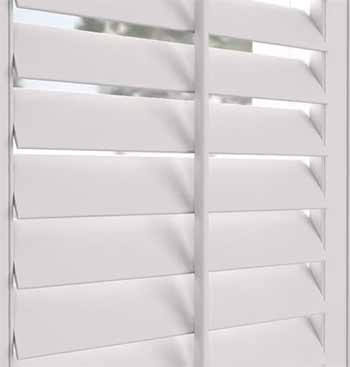
- Long-term shape retention in sunny rooms The biggest advantage I saw was the way composite blinds refused to bow under months of direct heat. Living rooms and home offices with large west or south glass keep a clean, straight appearance year after year. That reliability removes the need to replace or adjust the set after only a few seasons.
- Premium tactile experience The solid feel under the fingers and the quiet, substantial sound when the slats close give the whole window a higher-quality impression. Guests often comment that the blinds look and feel more expensive than the actual price paid.
- Strong performance across temperature extremes From freezing winter nights to summer heat spikes the material stays stable. Condensation that freezes and thaws does not create stress cracks the way it sometimes can in thinner plastics.
- Better color hold under UV Rooms that receive four or more hours of direct sun keep their original tone longer. This matters when the blinds form part of a carefully chosen color scheme.
- Reduced long-term maintenance Because the slats stay flat and the finish resists fading, you spend less time adjusting cords or cleaning uneven surfaces. The denser material also shrugs off minor bumps from pets or vacuuming without showing dents.
Cons of Composite Blinds
- Higher upfront cost The wood-fiber blend and denser construction push the price above basic faux wood. For a whole-house project the difference can become noticeable in the final budget.
- Extra weight on wide openings Once the window exceeds roughly six feet the lift system works harder. Some installers recommend splitting the opening or adding reinforcement, which adds complexity and cost.
- Slightly more effort to operate daily Raising and lowering the blinds requires a firmer pull. In rooms used by children or older family members the extra resistance can feel less convenient than the lighter alternative.
- Overkill in low-stress locations In a north-facing bedroom or a small bathroom the superior heat resistance goes largely unused. You pay for performance that the space never demands.
- Limited maximum width without support Very wide spans push the practical limits of the material, forcing design compromises that pure PVC handles more easily.
Also Read: Comparison of Lowe’s And Home Depot Blinds.
Key Features of Faux Wood Blinds
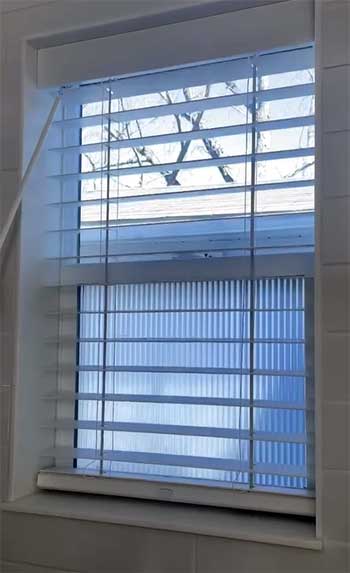
- Lightweight PVC or vinyl body The hollow or foam-filled design keeps overall weight low so the lift mechanism works smoothly for years. Even on windows near the upper size limit the cords move without the heavy pull you feel on denser materials.
- Outstanding resistance to steam and humidity Pure vinyl does not absorb water at all. In a bathroom that sees constant shower steam the blinds stay free of warping, mildew, or any surface change. Cleaning is as simple as a damp cloth, and the material never needs resealing.
- Realistic grain patterns at accessible prices Manufacturers print or emboss wood-like patterns that look convincing from normal viewing distances. You can match common stain colors without paying the premium that solid wood or high-end composite often commands.
- Fire-resistant formulations Most PVC versions meet residential fire codes and will not support open flame the way some untreated woods might. That built-in safety factor adds quiet peace of mind in family homes.
- Easy custom sizing and availability Because the material is extruded in long runs, shops can cut nearly any width or height without long lead times. This flexibility helps when you have odd-sized windows or need a quick replacement.
Pros of Faux Wood Blinds
- Attractive price point for most budgets You can cover several windows for the cost of one high-end composite set. That accessibility makes them popular for rentals, first homes, and full-house upgrades.
- Effortless daily operation The light weight means cords move smoothly and the tilt wand turns with almost no resistance. Anyone in the household can adjust the blinds without strain.
- Top-tier moisture handling Bathrooms, kitchens, and laundry rooms stay free of warping or mildew concerns. Steam from cooking or showers simply does not affect the material.
- Quick and simple cleaning A soft cloth or mild soap solution removes dust and fingerprints in minutes. No special cleaners or resealing are required.
- Wide availability and fast custom cuts Most retailers stock common sizes and can produce odd dimensions quickly, so project timelines stay short.
Cons of Faux Wood Blinds
- Potential for gradual sagging in strong sun After several summers of intense heat the longer slats can develop a gentle center curve. On large south or west windows this becomes visible and can look less tidy.
- Hollow or lighter feel Up close the material can feel less substantial than solid wood or composite. Some people notice a slight plastic sound when the slats close.
- Possible mild fading over many years While modern UV inhibitors help, the pure vinyl surface can lose a touch of depth after prolonged direct exposure compared with the denser composite blend.
- Heavier strain on hardware only in extreme cases Although lighter overall, very large installations still need solid mounting; the material itself is not the weak point, but the lighter construction does not add structural help the way a denser slat can.
- Less premium impression in formal spaces In a formal living room or high-end remodel the lighter, more plastic character can feel less luxurious next to solid furniture and architectural details.
Also Read: Comparison of Budget Blinds And Home Depot.
Frequently Asked Questions (FAQ)
Composite blinds perform better in strong heat and offer a more solid feel, while faux wood wins on price and pure moisture resistance. The better choice depends on your specific windows and climate.
No. Modern grain patterns and colors keep them looking current in both traditional and contemporary rooms.
There is no single best material. Composite suits high-sun areas, faux wood suits high-moisture and budget projects, and real wood still appeals when natural texture is the top priority.
Composite blinds handle prolonged heat and direct sun more effectively and maintain their shape longer.
Final Thoughts
After comparing samples, living with both types in different rooms, and tracking how they aged through seasons of sun and humidity, I see clear strengths on each side. Composite blinds give you rigidity and lasting shape where heat is intense.
Faux wood blinds give you light operation, strong moisture resistance, and a friendlier price. You now have the detailed differences, features, pros, and cons needed to match the right material to each window in your home.
Measure your sun exposure, check your humidity levels, set your budget, and choose the option that will still look and work the way you want years from now.