
I have spent years helping friends and family pick window treatments, and nothing sparks more debate than choosing between wood blinds and faux wood blinds. You want something that looks great, lasts long, and fits your lifestyle without constant headaches.
In this article, I share my honest take on wood blinds versus faux wood blinds so you can decide what works best for your home. I cover the real differences, key features, pros, cons, and practical advice from someone who has seen both in everyday use.
| Aspect | Wood Blinds | Faux Wood Blinds |
| Material | Natural hardwood like basswood or pine | Composite PVC, vinyl, or polymer |
| Appearance | Authentic grain, warm natural texture | Realistic wood-like look, more uniform and polished |
| Moisture Resistance | Poor – warps or cracks in humidity | Excellent – handles bathrooms and kitchens easily |
| Durability | Good but sensitive to temperature swings | High – resists fading, cracking, and impacts |
| Weight | Lighter, easier to operate | Heavier, can strain cords or mechanisms on large windows |
| Maintenance | Needs careful dusting, occasional refinishing | Wipe clean with damp cloth, very low effort |
| Cost | Higher upfront investment | More affordable, better value for many budgets |
| Insulation | Superior natural insulation | Moderate, but still effective |
| Customization | Wide range of stains and finishes to match décor | Good variety of colors and textures, less unique grain |
| Best For | Dry rooms, formal spaces, natural aesthetic | Humid areas, high-traffic homes, budget-conscious |
Key Differences Between Wood Blinds And Faux Wood Blinds
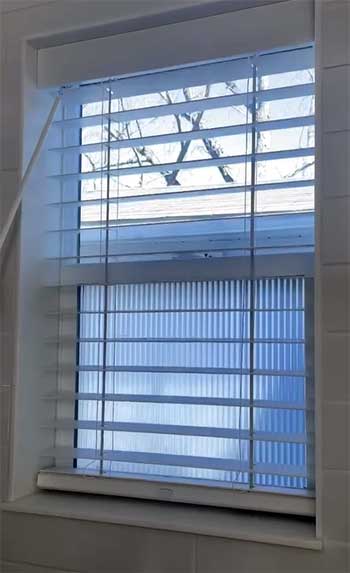
- Material composition sets the foundation for everything else. Real wood blinds come from actual trees, giving each slat its own unique grain pattern and character. You feel that organic quality the moment you touch them. Faux wood blinds use man-made composites designed to imitate that look, so they deliver consistency across every slat but miss the subtle variations found in nature.
- How they handle everyday environments makes a huge difference in real homes. I have installed wood blinds in living rooms where the air stays dry and stable, and they perform beautifully for years. In kitchens or bathrooms, however, moisture quickly becomes an issue. Faux wood blinds shrug off steam from showers or cooking splashes without a second thought, which is why I often recommend them for busy family spaces.
- Weight and operation affect daily convenience more than you might expect. Wood blinds feel lighter when you tilt or raise them, especially on taller windows. Faux versions add noticeable heft because of their denser construction. If you have large picture windows or plan to adjust the blinds often, that extra weight can make the process feel clunky over time.
- Aesthetic authenticity appeals differently depending on your style goals. Wood blinds bring a timeless, premium warmth that pairs perfectly with hardwood floors or furniture in matching tones. Faux wood blinds have improved dramatically and can fool most guests from a distance, but up close the texture sometimes looks a bit too perfect or uniform.
- Long-term performance under sunlight and temperature changes reveals another layer. Real wood can expand and contract with seasonal shifts, leading to minor gaps or sticking if not installed with care. Faux wood stays more stable year-round and holds color better against UV exposure, so you avoid that faded, tired look sooner.
- Environmental and sustainability angles come into play for many of you. Wood blinds sourced responsibly support renewable forestry, but they do use real trees. Faux options reduce deforestation pressure and often incorporate recycled materials, making them appealing if you prioritize eco-conscious choices without sacrificing style.
- Sound and light control behave similarly on the surface, yet subtle differences emerge. Both types tilt to filter light softly or block it completely for privacy. Wood’s natural density gives a slightly richer sound-dampening effect in quiet rooms, while faux wood’s uniform build ensures consistent performance across all slats.
Key Features of Wood Blinds
- Natural grain and texture that no synthetic can fully replicate. Every piece tells its own story through unique patterns, knots, and color variations that add depth and personality to your windows.
- Excellent thermal insulation because wood is a natural barrier against heat and cold. You notice the difference in energy bills during extreme seasons, as the blinds help maintain comfortable indoor temperatures.
- Wide selection of stains and paints. You can match existing cabinetry or flooring precisely, creating a cohesive look throughout the room that feels custom and intentional.
- Lighter overall weight for smoother operation. Raising and lowering large sets feels effortless compared to heavier alternatives, which matters if you do it multiple times a day.
- Premium, luxurious feel that elevates formal spaces like dining rooms or home offices. Guests often comment on the warmth and sophistication these blinds bring.
- Ability to be refinished or touched up over the years. Minor scratches or wear can be sanded and resealed, extending the life of your investment when cared for properly.
- Classic versatility that pairs with almost any interior style, from traditional to modern farmhouse. The organic material never feels dated when chosen in neutral or warm tones.
- Better acoustic properties in some setups, subtly softening echoes in larger rooms because of the natural material density.
Also Read: Comparison of Veneta And LEVOLOR Blinds.
Pros of Wood Blinds
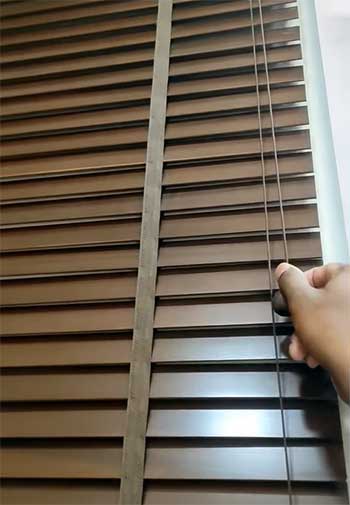
- You get unmatched authentic beauty that instantly makes a room feel more inviting and high-end. The natural variations create visual interest that synthetic options struggle to match.
- Superior insulation helps with energy efficiency. In colder months the blinds reduce heat loss, and in summer they block some solar gain, which you appreciate on your utility statements.
- Customization options let you create a truly tailored look. From light oak to deep espresso stains, you align the blinds perfectly with your existing décor elements.
- Lighter weight improves daily usability. Tilting slats or raising the entire blind requires less effort, especially welcome in bedrooms where you adjust them morning and night.
- Timeless appeal ensures they never go out of style quickly. Wood blinds have remained popular for decades because they deliver classic elegance that adapts to changing trends around them.
- Potential for long lifespan when placed in suitable environments. With proper care in low-humidity rooms, they can last 20 years or more while still looking great.
- Eco-friendly sourcing is available through sustainable forestry programs. You support responsible practices while enjoying a natural product.
- Excellent light diffusion. The slats create soft, filtered sunlight that feels warm and welcoming rather than harsh.
Cons of Wood Blinds
- Moisture sensitivity limits where you can install them. High humidity causes warping, swelling, or cracking, so bathrooms, kitchens, and laundry rooms become risky choices that lead to premature replacement.
- Higher initial cost can stretch your budget. Quality hardwood blinds carry a premium price that reflects the material and craftsmanship, which might feel steep if you cover many windows.
- More demanding maintenance routine. You must dust carefully and avoid excess moisture during cleaning, or risk damaging the finish. Occasional polishing or refinishing adds to the long-term effort.
- Vulnerability to temperature fluctuations. In rooms without good climate control, slats may expand or contract, causing operational issues or visible gaps over seasons.
- Potential for fading or discoloration if exposed to direct, intense sunlight for years. UV protection helps, but real wood still reacts more noticeably than treated composites.
- Heavier cleaning restrictions. You cannot simply wipe with a wet cloth without worry; harsh cleaners or soaking can ruin the natural finish quickly.
- Limited color consistency across large installations. Because each slat comes from natural wood, slight variations in tone might appear, which bothers some people seeking perfect uniformity.
- Risk of pest or mold issues in damp conditions. Though rare in well-maintained homes, neglected humidity problems can invite unwanted guests that damage the blinds.
Key Features of Faux Wood Blinds
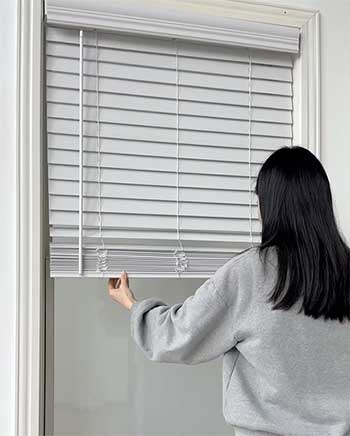
- Highly realistic wood-like appearance achieved through advanced texturing and coloring processes. Modern versions capture the warmth of wood so well that many people cannot tell the difference without close inspection.
- Outstanding moisture and humidity resistance. The composite materials repel water, making these blinds ideal for steamy environments where real wood would fail.
- Durable construction that stands up to daily wear. They resist dents, scratches, and impacts better, which proves valuable in homes with kids or pets.
- Easy-clean surfaces that wipe down in seconds. A damp cloth removes dust, fingerprints, or kitchen grease without special products or techniques.
- Consistent color and texture across every slat. You get uniform appearance from one end of the window to the other, which looks clean and intentional.
- UV stabilizers built into the material to prevent fading or yellowing. The blinds hold their color longer even in sunny rooms.
- Affordable price point that delivers premium style on a budget. You enjoy wood-like beauty without paying the full natural wood premium.
- Fire-resistant properties in many formulations, adding a subtle safety benefit in certain home layouts.
Also Read: Comparison of Zebra Blinds And Cellular Shades.
Pros of Faux Wood Blinds
- Exceptional value for the money. You achieve a stylish, wood-inspired look at a fraction of the cost, freeing up budget for other home improvements.
- Incredible durability in challenging conditions. Humidity, temperature swings, and busy households barely affect them, so they keep performing year after year.
- Minimal maintenance requirements save you time and frustration. Quick weekly dusting or occasional wiping keeps them looking fresh with almost no effort.
- Versatility across different rooms. You confidently install them in kitchens, bathrooms, or laundry areas where real wood would struggle.
- Wide range of color and finish options. Manufacturers offer everything from light driftswood tones to bold painted looks, helping you match any décor scheme.
- Resistance to warping, cracking, or peeling. The material stays stable, so you avoid the common repair headaches associated with natural wood.
- Lighter environmental footprint in some cases. Reduced reliance on harvested timber appeals if sustainability matters to you.
- Smooth, reliable operation once installed properly. Modern hardware handles the extra weight effectively in most standard window sizes.
- Good light control and privacy features. The slats tilt precisely and block light effectively when closed.
Cons of Faux Wood Blinds
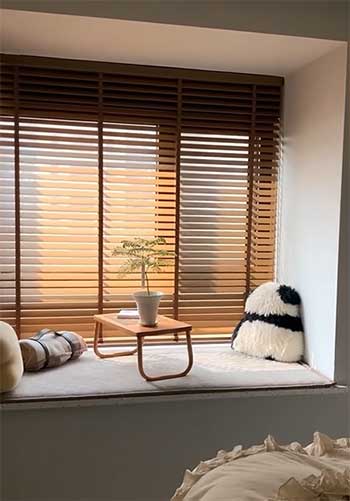
- Heavier weight becomes noticeable on larger windows. Raising or lowering them requires more effort, and the added strain can affect cords or mechanisms over time.
- Slightly less authentic texture up close. While convincing from normal viewing distance, the surface lacks the depth and organic feel of real wood grain.
- Potential for a more plastic-like appearance in certain lighting. Some finishes can look shiny or uniform in ways that reveal the synthetic nature.
- Limited ability to refinish or repair deeply. Scratches or dents are harder to hide permanently compared to sanding and resealing real wood.
- Thermal insulation is not quite as effective. You might notice slightly less temperature regulation compared to natural wood in extreme climates.
- Heavier installation demands. The extra weight means stronger mounting brackets and more careful planning, especially for oversized or arched windows.
- Possible off-gassing concerns with lower-quality composites, though reputable brands minimize this issue significantly.
- Less unique character. The uniformity, while clean, misses the individual personality that makes real wood so charming to many homeowners.
Which One Should You Choose?
When I weigh everything, the decision comes down to your specific situation. If you love the genuine warmth of natural materials and your rooms stay dry and climate-controlled, wood blinds reward you with unmatched beauty and insulation. You invest more upfront but enjoy that premium feel for years.
If practicality ranks higher—whether because of budget, busy family life, or humid climates—faux wood blinds give you very similar style with far less worry. They handle real-life messes and moisture without drama, letting you focus on living in your home rather than maintaining window treatments.
Many of you end up mixing both: real wood in formal dry areas and faux in functional spaces. That hybrid approach often delivers the best of both worlds. Consider your room conditions, how often you adjust the blinds, and what matters most—pure aesthetics or everyday ease.
Test samples in your actual lighting before committing, because appearance changes dramatically depending on the space.
Also Read: Are Beltway Blinds Worth It?
Frequently Asked Questions (FAQ)
It depends on your needs. Wood blinds excel in beauty and insulation but require more care and avoid humidity. Faux wood wins on durability, maintenance, and versatility for most modern homes.
No, wood blinds remain popular in 2026, especially for their natural warmth and timeless appeal in biophilic or classic interiors. They continue to feature in many trend-forward designs.
In 2026, trends lean toward smart motorized options, natural textures like woven woods and bamboo, layered treatments, and moisture-resistant faux wood for practical elegance.
Main drawbacks include sensitivity to moisture causing warping, higher cost, more maintenance, vulnerability to temperature changes, and restrictions on where you can safely install them.
Wrapping Up
Choosing between wood blinds and faux wood blinds ultimately comes down to how you live in your home. I have seen both transform rooms beautifully when matched to the right conditions.
Take time to assess your windows, lifestyle, and priorities—you will end up with treatments that look great and serve you well for years. If you still feel torn, start with samples in your actual rooms. The real test happens when the blinds are up and you experience them daily.
Whichever path you pick, you gain better light control, privacy, and style that makes coming home feel even better.