
If you’re searching for a dependable dog food that starts with real meat, skips artificial fillers, and supports your dog’s everyday health at a reasonable price, Blue Buffalo Life Protection stands out as a choice worth making.
This blue buffalo life protection review shares my direct experience and explains why many owners should buy this formula for their companions.
It delivers solid nutrition through natural ingredients without the extremes of some premium options or the shortcomings of basic kibbles.
My Experience With Blue Buffalo Life Protection

I brought home a 30-pound bag of the Chicken and Brown Rice recipe for my four-year-old Labrador mix, Max, after his previous food left his coat looking dull and his stools occasionally loose.
The switch felt like a natural next step once I read the ingredient list and saw real deboned chicken leading the way.
I followed a slow transition over ten days, mixing increasing amounts of the new kibble with his old food.
Max showed zero resistance from day one.
He cleaned his bowl with enthusiasm, something that did not always happen before.
Within the first two weeks his stools firmed up consistently and the gas he sometimes had after meals disappeared.
His coat began to shine noticeably around the three-week mark, especially across his back and tail.
Walks felt more energetic without the mid-day slump he showed on the prior formula. The separate LifeSource Bits caught his attention first most days, and he ate them without issue even though some dogs reportedly pick around them.
I tracked his weight every two weeks and adjusted portions slightly downward because he maintained his ideal condition easily on the recommended amounts. No vomiting, no itching flare-ups, and no ear problems surfaced during the six months I have fed this food.
Vet visits confirmed steady muscle tone and healthy skin. The kibble size suits his medium muzzle perfectly, and the 30-pound bag lasts about five weeks with one large dog.
Storage proved simple. I keep the bag in a sealed bin in the pantry and scoop daily portions without any loss of freshness or appeal. Price per pound lands in a comfortable mid-range that feels fair for the ingredient quality.
Max seems genuinely satisfied at every meal, which removes the daily guessing game I faced with pickier formulas in the past. Overall the change improved several small but meaningful areas of his routine without creating new problems.
Also Read: Differences Between Kirkland Dog Food And Blue Buffalo.
Pros of Blue Buffalo Life Protection
You will notice several practical strengths once you examine what this formula actually provides your dog day after day.
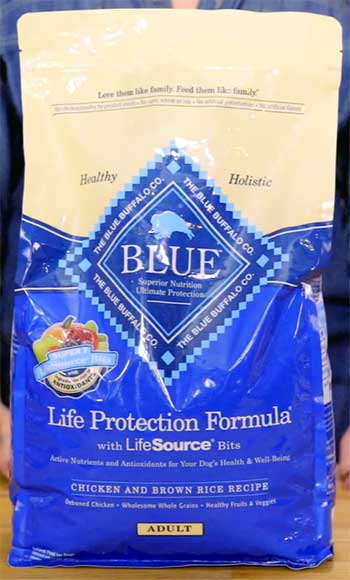
- Real Deboned Meat Leads The Recipe: Deboned chicken or another named protein sits in the top spot, followed closely by chicken meal for concentrated protein. This structure supplies your dog with complete amino acids from muscle meat rather than vague by-product blends. You see the benefit in steady energy and muscle upkeep without excess bulk. In my case Max kept his lean build while staying satisfied between meals. The approach avoids the filler-heavy starts common in lower-cost foods and gives you clear transparency on the label.
- Whole Grains Supply Balanced Energy: Brown rice, barley, and oatmeal appear early and deliver digestible carbohydrates plus fiber. These grains support steady blood sugar and sustained activity for average adult dogs without the rapid spikes some grain-free diets can create. Your dog receives usable fuel for daily walks and play rather than empty calories. I observed consistent energy levels throughout the day once Max settled on this food.
- Added Glucosamine And Chondroitin Support Joints: These compounds appear in the formula to help maintain cartilage and ease everyday joint stress. Active or aging dogs benefit from this built-in support without needing separate supplements in many cases. Max stayed comfortable on longer weekend hikes, and his movement stayed fluid. You gain preventive value that compounds over months of feeding.
- Omega Fatty Acids Promote Skin And Coat Health: Flaxseed supplies omega-3 and omega-6 fatty acids that help reduce dryness and support a glossy coat. You notice the difference in shedding control and skin comfort, especially during seasonal changes. Max’s coat thickened and gleamed within weeks, and brushing became easier with fewer loose hairs around the house.
- LifeSource Bits Deliver Targeted Antioxidants: These cold-formed pieces contain a blend of vitamins, minerals, and antioxidants designed to support immune function. They sit separately so the nutrients stay fresher until eaten. Your dog receives an extra layer of protection against everyday oxidative stress. Max enjoyed them and showed no decline in overall vitality during the time I fed this food.
- Prebiotics Aid Digestive Regularity: Chicory root and similar fibers act as prebiotics to feed beneficial gut bacteria. This helps maintain firm stools and reduces occasional digestive upset during routine changes. You avoid the trial-and-error that comes with lower-fiber foods. Max experienced reliable bathroom habits that made cleanup predictable and stress-free.
- No Corn, Wheat, Soy, Or Artificial Additives: The formula steers clear of these common fillers and synthetic preservatives. Your dog avoids potential triggers that can cause itching or loose stools in sensitive animals. The clean approach aligns with what many owners seek when they move away from basic grocery brands.
Also Read: Differences Between Orijen And Taste of the Wild.
Cons of Blue Buffalo Life Protection
A balanced view includes a few points worth weighing before you commit long term.
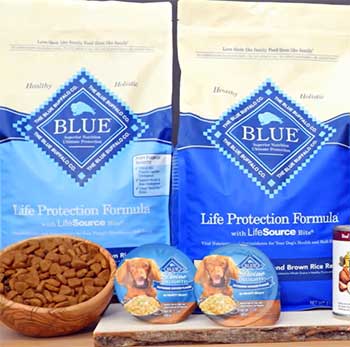
- Peas And Pea Starch Appear In The Mix: Legumes show up mid-list, which some owners prefer to limit given ongoing research around heart health in certain dogs. This grain-inclusive recipe sits in a safer category than fully grain-free options, yet the presence still warrants attention if your dog has diagnosed sensitivities. I watched Max closely and saw no related changes, but awareness remains useful.
- Past Brand Recalls Create Lingering Caution: Blue Buffalo experienced several recalls years ago tied to supplier issues or vitamin levels. None affected this specific Life Protection line recently, and ownership changes brought tighter controls. Still, the history makes some owners hesitate compared with brands that maintained spotless records longer.
- No AAFCO Feeding Trials Listed: Nutrition adequacy comes from formulation rather than live feeding tests published by the company. Many veterinary nutritionists value the extra data from actual trials. You rely on ingredient quality and owner reports instead of that additional layer of validation.
- Some Dogs Pick Around The LifeSource Bits: A portion of picky eaters separate or ignore the darker bits even when the main kibble disappears. You may lose a small amount of the intended nutrient boost if your dog behaves this way consistently. Max ate them without complaint, but the behavior appears in enough reviews to note.
Feeding Tips of Blue Buffalo Life Protection
Proper handling keeps the food effective and your dog thriving over time.
- Transition Gradually Over Seven To Ten Days: Mix 25 percent new food with 75 percent old food for the first three days, then shift to half and half. Increase the new portion every few days until the bowl contains only Blue Buffalo Life Protection. This method protects gut balance and prevents loose stools during the changeover period.
- Adjust Portions To Your Dog Specific Needs: Start with the bag chart based on current weight and activity level, then weigh your dog every two weeks. Reduce or increase by about 10 percent if body condition drifts. Active dogs may need the higher end while couch potatoes stay leaner on smaller servings. Consistent monitoring prevents gradual weight creep.
- Keep Fresh Water Available At All Times: Dry kibble increases thirst, so multiple bowls or a circulating fountain helps your dog stay hydrated. Check and refresh water daily, especially during warm months or after exercise. Proper hydration supports digestion and overall comfort alongside the food.
- Store In A Cool Dry Location With An Airtight Container: Once opened, transfer kibble to a sealed bin away from direct sun or humidity. This preserves the fats from turning rancid and keeps the pieces appealing. A simple scoop system makes daily feeding clean and quick without exposing the whole bag repeatedly.
- Watch Stool Quality, Coat, Energy, And Weight Weekly: Note firmness, frequency, and any straining. Track coat shine during brushing and energy during walks. Small shifts often signal the need for portion tweaks or a vet check before bigger issues develop. Early observation keeps your dog on track.
- Pair The Food With Daily Movement And Basic Dental Care: Walks, play sessions, and occasional dental chews or brushing complement the nutrition. Food alone cannot replace physical activity or oral hygiene. The combination supports joint health, weight control, and fresh breath over the long term.
How Blue Buffalo Life Protection Compares To Other Premium Options?
- Zignature Dog Food

Blue Buffalo Life Protection occupies a practical middle ground that suits many households.
When you place it beside Zignature Dog Food the differences become clear quickly.
Zignature focuses on limited-ingredient recipes built around single novel proteins such as kangaroo, venison, or duck.
Those formulas avoid common triggers and often stay grain-free, which helps dogs with confirmed allergies or sensitivities.
Owners report reduced itching and firmer stools in reactive pets.
However the price climbs noticeably higher, often double what you pay for Blue Buffalo, and the ingredient list stays extremely short by design.
Blue Buffalo Life Protection offers more recipe variety, includes wholesome grains for steady energy, and costs less per pound while still delivering real meat first.
It serves everyday dogs better, whereas Zignature shines when your vet has identified specific protein intolerances that require strict elimination.
- Abound Dog Food

It presents another contrast as a more budget-oriented choice sold through grocery chains.
It also leads with real meat, excludes corn, wheat, soy, and by-products, and maintains moderate protein levels similar to Blue Buffalo.
The lower shelf price appeals to owners who want decent quality without premium markups.
Yet Abound carries a 2018 recall history tied to vitamin D levels, and some batches showed less consistent kibble quality according to owner feedback.
Blue Buffalo Life Protection provides tighter quality controls in recent years, broader flavor options, and the added LifeSource Bits for antioxidant support.
If your budget stays tight and your dog shows no special sensitivities, Abound works as a functional alternative.
For slightly higher investment you gain more consistent owner-reported results and easier nationwide availability with Blue Buffalo.
- Next Level Dog Food
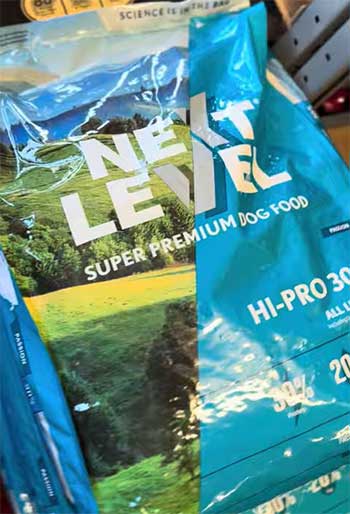
It leans toward the performance side with higher protein targets around 28 to 29 percent on a dry-matter basis and added joint compounds in many recipes.
It earns strong marks for digestibility and coat improvements in active or working dogs.
Some formulas include both grain-inclusive and grain-free paths plus prebiotics and probiotics.
Pricing sits above Blue Buffalo, and the brand emphasizes science-driven formulation for sport and large-breed needs.
Blue Buffalo Life Protection delivers adequate protein for average adult maintenance at a gentler cost and with proven palatability across mixed households.
If your dog competes in agility or works long hours, Next Level may supply extra fuel.
For typical family dogs who enjoy regular walks and playtime, Blue Buffalo covers daily requirements without overspending on excess protein your companion may not need.
Frequently Asked Questions (FAQ)
Many veterinarians prefer brands that publish extensive AAFCO feeding trials and fully meet WSAVA guidelines, such as Purina Pro Plan or Hill’s Science Diet. Blue Buffalo faced past recalls and a marketing lawsuit, while its grain-free Wilderness line appeared in FDA DCM discussions. The grain-inclusive Life Protection formula receives fewer objections but still lacks the feeding-trial data some vets prioritize.
A 2014-2016 class action alleged false “no by-product” claims after some supplier batches contained poultry by-products. Blue Buffalo settled for around 32 million dollars and strengthened oversight. Separate recent suits target grain-free formulas and possible DCM links in individual cases.
No single food earns that title. Veterinary nutritionists frequently point to Purina Pro Plan, Hill’s, and Royal Canin because those brands conduct rigorous feeding trials and follow strict WSAVA standards backed by peer-reviewed research.
For most average adult dogs the Life Protection formula works better. It includes digestible grains for balanced energy and sits farther from the high-legume concerns tied to grain-free diets in FDA reports. Wilderness supplies higher protein suited to very active dogs yet carries more scrutiny over potential heart health associations.
Final Thoughts
After living with the results in my own home, I recommend you buy Blue Buffalo Life Protection if your dog needs reliable everyday nutrition, enjoys real meat flavors, and benefits from added joint and coat support without extreme costs or restrictions.
It solved several small issues for Max and continues to deliver steady results month after month.