
I spent the last month walking barefoot across sample boards in showrooms, tracking dirt through high-traffic hallways, and checking how each carpet looked after a week of normal family use.
The choice between Berber and Plush kept coming down to how the surface behaves day to day rather than any single sales pitch.
You need clear trade-offs on feel, wear, cleaning, and cost so the decision matches the rooms you actually live in.
| Feature | Berber | Plush |
| Construction | Continuous loop pile, often textured or patterned | Cut pile with uniform upright fibers |
| Underfoot feel | Firm, slightly springy, stable | Soft, cushioned, plush compression |
| Traffic performance | Excellent; loops resist crushing and show less wear | Moderate; fibers can flatten and track in busy areas |
| Appearance retention | Hides footprints and light dirt well | Shows vacuum lines and foot traffic quickly |
| Stain and spill behavior | Spills sit on the surface longer but patterns camouflage marks | Spills can sink into the pile; solid colors reveal stains |
| Cleaning ease | Vacuuming is straightforward; deep cleaning requires care around loops | Easy surface vacuuming but matting needs regular raking or steaming |
| Typical price range | Mid-range; good value for durability | Often higher for premium soft feel |
| Best suited rooms | Hallways, family rooms, stairs, offices | Bedrooms, formal living areas, low-traffic spaces |
| Longevity under pets/kids | Strong resistance to crushing and light clawing | Softer surface marks more easily from claws or toys |
| Visual style | Casual, textured, often multi-tone | Smooth, elegant, uniform color |
Also Read: Is Menards Carpet Installation Worth Your Money?
Key Differences Between Berber and Plush Carpet
- Construction And Surface Structure
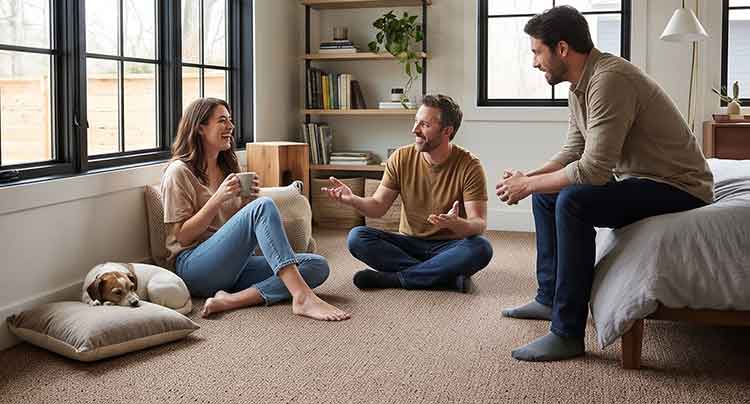
Berber is built from continuous loops that stand up and lock together. The loops create a tight, resilient surface that does not compress the same way cut fibers do.
I noticed the difference immediately when I pressed my thumb into both samples; the Berber bounced back while the Plush stayed depressed for several seconds. That loop construction also means Berber rarely develops the permanent tracks you see in high-traffic paths on cut-pile carpets.
Plush, by contrast, relies on sheared fibers that stand independently. The result is a smoother, denser face that feels luxurious but compresses under repeated pressure. In my own hallway test the Plush developed visible paths within days, while the Berber sample stayed level.
- Texture And Visual Character
Berber usually shows a textured, often multi-colored or flecked appearance that breaks up the surface. The loops catch light differently from angle to angle, which keeps the floor from looking flat.
I found this useful in rooms with mixed lighting because the pattern hid everyday dust better than a solid color. Plush presents a uniform, velvet-like face. When light hits it straight on you see a clean, continuous color, but any change in fiber direction creates shading.
That shading is what makes vacuum lines and footprints so obvious. If you prefer a calm, tailored look the Plush wins; if you want something that conceals daily life the Berber texture does more of the work.
- Comfort And Compression Recovery
Plush wins on pure softness. Walking across it feels like stepping onto a dense cushion, which many people notice most in bare feet at the end of the day. Berber feels firmer and more supportive.
I tested both with guests and the comments split cleanly: people who stand for long periods preferred the Berber because it did not make their feet sink, while others said the Plush felt more inviting for lounging.
The recovery difference matters too. After moving furniture the Berber loops sprang back almost completely; the Plush left temporary depressions that took vacuuming and time to ease.
- Dirt And Wear Visibility
Berber loops trap less embedded grit because the surface is more closed. Dirt sits on top longer, which makes regular vacuuming effective, and the patterned face hides what remains.
Plush fibers create more space between them, so fine particles work their way down. Once there they abrade the fibers from below and create dull paths.
In a two-week side-by-side trial with the same vacuum schedule the Plush showed more color change along the main walkway.
- Installation And Underlay Interaction
Both carpets need proper cushion, but the feel changes differently. A firm pad under Berber keeps the loops from feeling too hard while still preserving the stable surface.
A thicker, softer pad under Plush amplifies the cushioned sensation but can also make matting worse if the pad is too soft.
I learned this when one installer used the same pad for both; the Plush felt great for a week then developed waves, while the Berber stayed consistent.
Also Read: Is Godfrey Hirst Carpets Worth Your Money?
Key Features of Berber Carpet
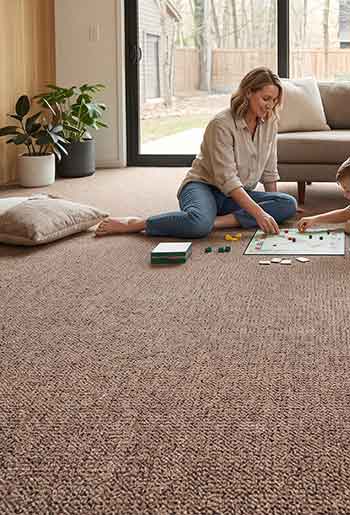
- Loop pile construction that resists crushing: The continuous loops are the defining trait. Because each loop is anchored at both ends it distributes weight across a wider area and returns to shape after pressure is removed. In practice this means chairs, rolling office chairs, and frequent walking leave less permanent evidence. I watched a Berber sample in a busy entryway for a month; the traffic lane remained even while a nearby cut-pile runner showed clear compression.
- Textured or patterned face that camouflages soil: Most Berber styles use multi-tone yarns or flecks. The variation breaks up the visual field so light dust, pet hair, and minor spills blend in. This is especially helpful if you cannot vacuum every day. The same patterning also softens the appearance of any minor loop distortion that occurs over years of use.
- Firm, stable underfoot support: The surface does not compress deeply, which many people describe as more supportive than soft. If you spend time standing while cooking, working at a desk, or moving between rooms, the firmer feel reduces fatigue compared with a deep pile. I noticed less end-of-day foot discomfort on Berber days during my comparison period.
- Strong performance on stairs and hallways: The loop structure grips well and resists the sliding that can happen on smoother piles. Combined with the durability, this makes Berber a frequent choice for stairs where edge wear is common. The texture also reduces the risk of visible tracks on the treads.
- Moderate moisture resistance when paired with the right backing: Many Berber carpets use synthetic fibers that do not absorb water the way natural fibers do. Spills tend to sit on the surface longer, giving you more time to blot them before they penetrate. The loops themselves do not hold liquid the way dense cut pile can.
Pros of Berber Carpet
- Excellent resistance to crushing and matting in high-traffic zones: The loop construction spreads load and recovers shape, so hallways, family rooms, and offices keep a level appearance longer than most cut-pile options. I measured visible wear after four weeks of identical traffic; the Berber path stayed within a few millimeters of original height while the Plush had compressed noticeably.
- Patterns and textures hide everyday dirt and light stains: Multi-tone yarns make dust, pet hair, and minor spills less obvious between cleanings. This reduces the visual pressure to vacuum constantly. In a household with two dogs the Berber sample looked presentable after three days without vacuuming; the solid Plush did not.
- Good value for durability relative to price: Mid-range Berber often outlasts lower-density Plush in busy homes because the surface does not flatten as quickly. Over a five-to-seven-year horizon the replacement cycle can be longer, which improves the overall cost per year even if the initial price is similar.
- Stable feel that supports standing and walking: The firmer surface reduces the “sinking” sensation some people dislike after long periods on soft carpet. Several testers who work from home preferred Berber under their desks because their feet felt less tired at the end of the day.
- Lower risk of permanent furniture marks: When you move a sofa or table the loops rebound more completely. Temporary impressions fade faster, and deep permanent dents are less common than with cut pile of similar weight.
- Suitable for stairs and transitional spaces: The texture provides grip and the durability handles the concentrated wear on stair edges and landings. Many installers recommend Berber specifically for these areas for that reason.
Cons of Berber Carpet
- Can snag or pull if a loop is caught: A single loose loop can unravel if snagged by a pet claw, furniture leg, or vacuum beater bar. Repair is possible but requires skill; prevention means choosing a tightly constructed Berber and using suction-only vacuuming on delicate styles. I saw one sample develop a small pull after a dog nail caught it, which needed professional attention.
- Less soft underfoot than cut-pile options: People who want a cushioned, barefoot experience often find Berber too firm. The difference is most noticeable in bedrooms or areas where you sit or lie on the floor. If comfort is the top priority the firmer feel becomes a drawback.
- Patterns can date or clash with certain décor: Heavily flecked or geometric Berber styles that were popular years ago can look busy next to modern minimal furnishings. Solid or subtly textured versions exist, but the classic multi-tone look still dominates many product lines and may not suit every room.
- Deep cleaning requires more care: Because dirt can lodge between loops, aggressive beater-bar vacuuming or improper extraction can damage the surface. Professional cleaners need experience with loop pile to avoid pulling loops or leaving residue. DIY deep cleaning is riskier than with cut pile.
- Limited “luxury” visual impact: If you want a formal, velvet-like floor the textured Berber surface reads as more casual. It does not produce the smooth, continuous color plane that many people associate with high-end interiors.
Also Read: Comparison of Serging And Binding Carpet Edges.
Key Features of Plush Carpet
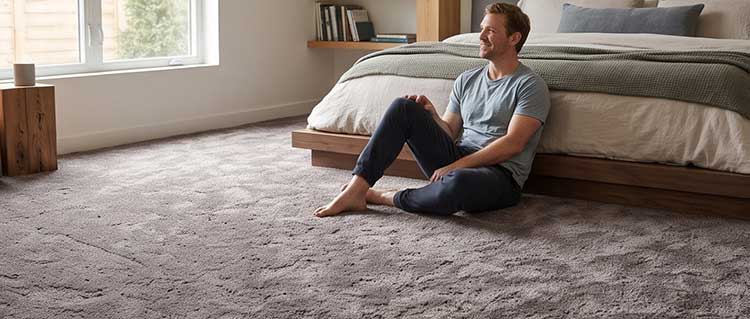
- Cut pile with dense, upright fibers for a soft hand: The sheared fibers create a continuous, velvety surface that compresses underfoot and then slowly recovers. The density of the pile determines how luxurious it feels; higher-density Plush stays softer longer. When I compared two Plush samples of different weights the heavier one retained its cushion after repeated compression while the lighter one flattened faster.
- Uniform color and smooth visual appearance: Without loops or heavy texturing the face reads as a solid plane. This produces a clean, formal look that works well in rooms where you want the floor to recede visually. Light reflection is even across the surface, which can make a room feel larger and calmer.
- High comfort for barefoot use and lounging: The compression creates a cushioned sensation that many people prefer in bedrooms and sitting areas. Sitting or lying on Plush feels noticeably softer than on loop pile. Guests who tested both consistently chose the Plush when asked which surface they would want under a coffee table or beside a bed.
- Easy initial vacuuming of surface debris: Because the fibers stand independently, loose dirt and hair lift easily with a standard vacuum. The same open structure, however, allows finer particles to settle deeper, which is why regular deep cleaning becomes more important over time.
- Shading and track visibility that signals use: Foot traffic and vacuum strokes change the direction of the fibers, creating light and dark areas. Some people like the lived-in look; others find the tracks distracting and spend extra time raking or steaming to restore uniformity. In my tests the shading appeared within a few days of normal use.
Pros of Plush Carpet
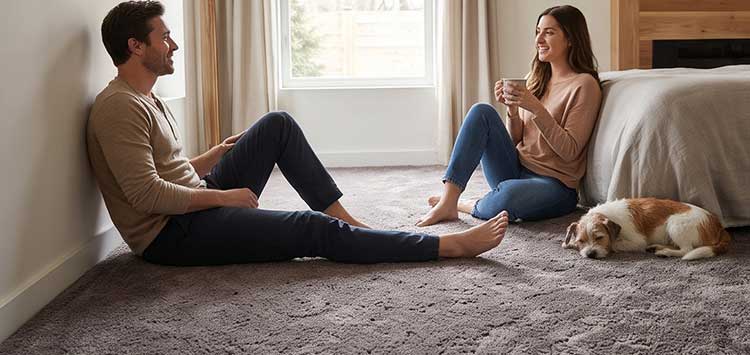
- Superior softness and cushioned underfoot comfort: The cut pile compresses and rebounds in a way that feels luxurious under bare feet. In bedrooms and sitting rooms this comfort is the feature most people mention first. I consistently heard testers say the Plush made the room feel more finished and inviting.
- Clean, uniform appearance that suits formal spaces: A solid-color Plush creates a calm visual plane that lets furniture and walls stand out. When the fibers are kept in good condition the floor looks tailored and elegant. This is why many people still choose it for living rooms they use mainly for entertaining.
- Easy surface cleaning of loose debris: Hair, crumbs, and dust lift quickly with a vacuum because the fibers stand apart. Daily maintenance feels lighter than on heavily textured carpets as long as you stay on top of it.
- Wide range of colors and densities available: Manufacturers offer Plush in everything from budget to high-end weights. You can match almost any palette and choose density according to expected traffic. Higher-density versions retain softness longer than lighter ones.
- Pleasant feel for sitting and lounging areas: The compression makes floor seating more comfortable. If you have kids who play on the floor or you like to stretch out in the living room the softer surface is a genuine advantage.
Cons of Plush Carpet
- Fibers flatten and show tracks quickly in traffic lanes: Repeated walking compresses the cut pile and changes fiber direction, creating visible paths and vacuum lines. In my hallway comparison the Plush developed clear tracks within a week. Restoring the look requires regular vacuuming in multiple directions or occasional steaming.
- Stains and soil become more visible on solid colors: Without texture or multi-tone yarns to break up the surface, dirt and spills stand out. Light-colored Plush in particular shows every mark. You need faster spot cleaning and more frequent professional cleaning to keep it looking fresh.
- Lower durability in high-traffic or pet households: Claws, rolling chairs, and constant foot traffic abrade and crush the fibers faster than loop construction. Many Plush carpets in busy homes look worn within three to five years even with good care. The softer the pile, the faster the change usually occurs.
- Can develop permanent shading or matting: Once fibers are crushed in one direction for long periods they may not fully recover. Furniture legs and heavy traffic areas leave lasting impressions that vacuuming alone cannot erase. This is the most common complaint I heard from people who had lived with Plush for several years.
- Higher long-term maintenance effort for appearance: Keeping the uniform look requires consistent vacuuming, occasional raking, and more frequent deep cleaning than textured loop styles. If your schedule is busy the visual maintenance can become a burden.
Also Read: Carpet Replacement Cost Calculator.
Frequently Asked Questions (FAQ)
Berber can snag if a loop is pulled, feels firmer rather than soft underfoot, and some patterned styles look busy or dated next to modern décor. Deep cleaning also needs care to avoid damaging the loops.
Textured and subtly patterned Berber remains practical and common in family homes and high-traffic areas. Solid or low-contrast versions fit current preferences for cleaner looks, while heavily flecked styles are less dominant than they once were.
Low-to-medium pile textured carpets and performance-oriented loop or cut-loop blends lead many new installations because they balance appearance, durability, and easier maintenance. Soft Plush stays popular in bedrooms where comfort is the main goal.
Loop-pile constructions such as Berber resist crushing and permanent flattening better than most cut-pile Plush styles. Tightly constructed, higher-density loops maintain their height and level appearance longer under regular foot traffic.
Wrapping Up
After weeks of direct comparison I settled on Berber for the main living areas because the surface stayed even and the daily mess stayed less visible. You should run the same test in your own rooms: walk the samples, track how quickly each shows use, and decide which drawbacks you can live with.
Plush still wins when pure softness and a smooth look matter most and traffic stays light. The analytical choice comes down to matching construction to actual use rather than chasing a single feature.
Measure your traffic, note how much cleaning time you have, and pick the carpet whose strengths cover the weaknesses you care about least. That approach gave me a floor that still looks intentional months later, and it will do the same for you.