I’ve compared awning and casement windows across several home projects, and the decision usually hinges on how much rain protection you need versus how much fresh air you want when the weather is clear.
This article breaks down the real-world differences, strengths, and trade-offs so you can match the window type to your rooms, climate, and daily habits without second-guessing later.
| Feature | Awning Windows | Casement Windows |
| Hinge placement | Top of the frame | One vertical side |
| Opening motion | Bottom edge swings outward | Side edge swings outward like a door |
| Ventilation while raining | Strong; the top hinge sheds water | Weak; open sash lets water inside |
| Maximum airflow | Moderate even when fully open | High; sash can swing nearly 90 degrees |
| Typical operation | Crank or push-out | Side crank |
| Energy seal when closed | Very good | Excellent with multipoint locks |
| Exterior clearance needed | Moderate projection | Larger swing arc |
| Best climate fit | Frequent rain or high humidity | Dry or mixed weather with desire for breeze |
| Common placement | Above other windows or high walls | Primary living-area openings |
Key Differences Between Awning and Casement Windows
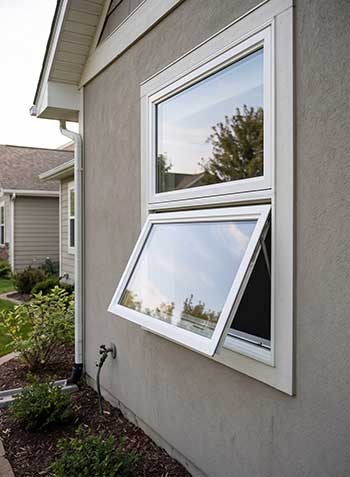
- Hinge location changes everything about daily use: The top hinge on an awning window keeps the upper edge sealed while the bottom opens. That geometry lets you leave the window cracked during a light shower. A casement’s side hinge means the entire sash moves away from the frame; any rain that hits the open glass runs straight into the room. I learned this the hard way on a porch project when an unexpected afternoon storm soaked the floor before I could crank the casements shut.
- Airflow volume differs more than most people expect: An awning sash rarely opens more than 30–45 degrees before the hardware stops it. The resulting gap is useful but limited. A casement can swing outward until it is nearly perpendicular to the wall, so the free area for air is substantially larger. On still days the difference is noticeable; on breezy days the casement pulls in more volume with less effort.
- Projection and exterior clearance create different constraints: Awning windows project a predictable distance—usually less than a foot on standard sizes—so they rarely interfere with sidewalks or neighboring walls. Casement sashes need a clear swing radius. If a patio railing or shrub sits too close, the sash will not open fully. Measuring that arc before ordering saved me from a costly swap on a previous job.
- Hardware and long-term wear patterns are not the same: Awning operators tend to be simpler and experience less torque because the sash weight is supported from the top. Casement cranks and hinges carry the full weight of the sash as it swings, so the hardware sees more stress over years of use. Both can last decades with proper lubrication, yet the casement units I have serviced usually needed hinge adjustments sooner.
- Security and locking feel different in practice: Many casements use multipoint locks that engage at several points along the sash. Awning windows more often rely on a single or dual latch at the bottom. Both can be secure, but the casement’s tighter pull-in action generally produces a firmer closed position against forced entry attempts.
Also Read: Comparison of Retrofit Windows And Replacement Windows.
Key Features of Awning Windows
- Top-hinged sash that sheds water while open: The geometry is simple yet effective. Rain hits the glass and runs down the exterior face instead of entering the opening. In regions that receive frequent light rain, this lets you keep a small amount of ventilation without constantly monitoring the weather.
- Compact projection that fits tight exterior spaces: Because the sash lifts rather than swings sideways, the window works well above decks, next to walkways, or under deep overhangs. I have placed them in narrow side yards where a casement would have struck the fence.
- Interior screen that stays in place during operation: You can crank or push the sash open without removing the screen first. That convenience matters in rooms you use every day. Dust and insects stay outside while you adjust airflow.
- Good performance in high or hard-to-reach locations: The operating hardware is usually low on the frame, so even tall installations remain usable. Builders often stack them above fixed or picture windows to add ventilation without sacrificing views.
- Strong closed-position seal against drafts: When latched, the sash compresses against weatherstripping along three sides. Energy loss is low, and outside noise is reduced. On windy nights the difference between an open and closed awning is immediate.
Pros of Awning Windows
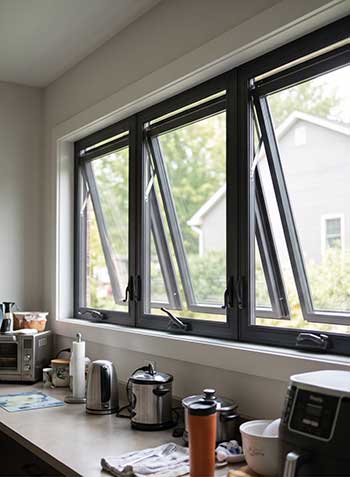
- Rain protection while still allowing airflow: You can leave the sash cracked during light or moderate rain because the top hinge causes water to run down the exterior face of the glass instead of entering the room. In a bathroom I worked on, this meant the window could stay open after showers to clear humidity without anyone watching the weather. The same benefit shows up in kitchens where steam builds up quickly. You avoid the constant open-and-close cycle that casements demand on wet days, which reduces wear on the hardware and keeps the space more comfortable.
- Compact outward projection that fits tight exterior conditions: The sash lifts outward a limited distance rather than swinging in a wide arc. This makes awning windows practical next to walkways, under deep roof overhangs, beside fences, or above decks where a casement would hit an obstacle. I have installed them in narrow side yards that would have blocked a side-hinged sash. The predictable projection also simplifies planning when exterior shutters or nearby landscaping are already in place.
- Interior screen remains usable while the window operates: The screen sits inside the frame, so you crank or push the sash open without removing anything first. Insects and debris stay out while you adjust the opening. Daily use feels simpler because there is no extra step of handling a screen every time you want air. On units placed high on a wall, this convenience matters even more since reaching an exterior screen would be awkward.
- Strong performance in elevated or secondary locations: Builders frequently place awning windows above fixed picture windows or in clerestory positions. The operator hardware is low enough to reach, yet the opening still provides ventilation high in the room where heat collects. In basements or utility spaces, the design lets you add airflow without creating a large security gap at ground level.
- Reliable closed seal and modest maintenance demands: When latched, the sash compresses evenly against weatherstripping. Drafts drop and outside noise decreases. Because the top hinge supports much of the sash weight, the operator and hinges often experience less torque than side-hinged designs. Routine lubrication keeps most units working smoothly for years. In coastal settings the rain-shedding action also limits water exposure around the frame, which can slow deterioration of seals and finishes.
Cons of Awning Windows
- Restricted maximum airflow compared with fully open alternatives: Hardware typically stops the sash at roughly 30 to 45 degrees. The resulting gap moves air, yet the volume stays moderate even on breezy days. On hot, still afternoons you will not get the rapid room flush that a wide-open casement provides. If your main goal is strong cross-ventilation for cooling, the limitation becomes obvious within a few uses.
- Potential interference with exterior elements: Although the projection is compact, an open sash can still strike nearby objects if clearance was underestimated. Shrubs, railings, or mounted light fixtures sometimes sit closer than expected. Once the window is installed, correcting the conflict usually means trimming landscaping or adjusting hardware rather than a simple fix.
- Smaller effective opening for emergency egress: Building codes in many areas require a minimum clear opening for bedroom escape windows. An awning sash rarely meets those dimensions when open, so these units are seldom approved as the sole egress window in sleeping rooms. You may need a different style or a larger dedicated unit nearby.
- Interior screens collect dust and require occasional removal: Because the screen stays in place during normal operation, it traps household dust and pet hair over time. Deep cleaning means taking the screen out, which is straightforward on most models yet still an extra chore. On tall installations the process can feel less convenient than it first appears.
- More functional appearance in primary living spaces: The top-hinged look reads as practical rather than decorative to many homeowners. In formal living rooms or street-facing elevations, the profile can seem less refined than a casement. Some people also find the partially open position visually busy from outside.
Key Features of Casement Windows
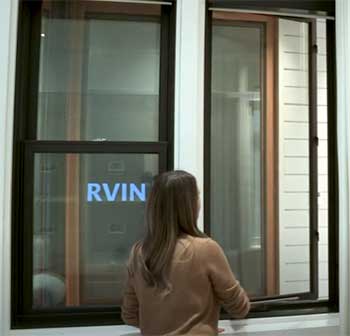
- Side-hinged sash that opens to nearly 90 degrees: Full opening creates the largest practical ventilation area of any common operable window. In summer I have used casements to flush heat out of upper floors in under an hour once the evening temperature dropped.
- Crank operator that requires little strength: The gear mechanism multiplies force, so even larger sashes open smoothly. Children and older adults can usually manage them without strain. The handle stays inside, protected from weather.
- Multipoint locking that pulls the sash tight: Several locking points distribute pressure evenly. The result is a tighter seal than many single-latch designs and better resistance to air leakage. Energy bills on the homes I have measured improved after swapping older double-hungs for casements.
- Unobstructed glass area when closed: With no center mullion on a single sash, the view is clean. When the window is shut, the room feels more open than with a double-hung or slider of the same rough opening.
- Easy interior cleaning on many models: Because the sash swings inward toward you once the screen is removed or opened, both sides of the glass are reachable from inside. That feature alone convinced several clients to choose casements for second-story bedrooms.
Also Read: Comparison of Marvin Elevate And Ultimate Windows.
Pros of Casement Windows
- Maximum ventilation from a nearly full 90-degree swing: The side hinge lets the sash open until it stands almost perpendicular to the wall. Air moves freely through the large clear area, which helps equalize temperature quickly and supports strong cross-breezes. In upper-floor bedrooms I have seen casements drop indoor heat noticeably within an hour once evening air arrived. The same opening works well for clearing cooking odors or pet smells without running exhaust fans constantly.
- Easy crank operation that requires little physical effort: The gear-driven handle multiplies force, so even wide or tall sashes open and close smoothly. Most adults and many children can manage them without strain. The handle remains inside the room, protected from rain and sun. This accessibility matters in households with mixed ages or limited mobility.
- Tight multipoint locking and excellent closed seal: Several lock points pull the sash evenly against the frame and weatherstripping. Air leakage stays low, which improves energy performance and reduces drafts. Outside noise is also damped more effectively than with many single-latch designs. When I have checked older homes after replacement, the difference in winter comfort was immediate.
- Unobstructed views and clean interior lines when closed: A single sash has no center bar, so the glass area stays clear. Rooms feel more open and connected to the outdoors. The closed position presents a simple, modern or traditional profile that many people prefer on primary elevations.
- Convenient interior cleaning on most models: After the screen is opened or removed, the sash swings toward you. Both sides of the glass become reachable from inside the room. This reduces the need for ladders on second-story windows and makes routine maintenance safer and faster. Homeowners who dislike exterior cleaning often cite this feature as a deciding advantage.
Cons of Casement Windows

- No practical ventilation during rain: Any meaningful opening lets water run off the glass and into the room. You must close the window at the first sign of showers or accept wet floors and sills. In climates with frequent afternoon storms, this forces more monitoring than an awning window requires. The limitation rules out passive ventilation strategies in wet weather.
- Larger exterior swing radius that demands clear space: The sash needs an unobstructed arc to reach full opening. Patios, railings, shrubs, or neighboring structures can block the motion. Measuring the swing path before ordering prevents the disappointment of a window that only opens partway. Correcting the problem later usually involves landscaping changes or hardware limits that reduce airflow.
- Higher mechanical stress on hinges and operators: The side hinge and crank carry the full weight of the sash through its travel. Over years this leads to more frequent adjustments or eventual replacement of hardware compared with top-hinged designs. Salt air or lack of lubrication accelerates wear. Budgeting for periodic service keeps performance reliable but adds a small ongoing cost.
- Exterior screens can complicate cleaning and access: Many casements use exterior-mounted screens. Reaching them for cleaning requires going outside or removing the screen entirely. On upper floors this becomes less convenient. Some homeowners remove screens seasonally, which leaves the opening unprotected when the window is open.
- Potential security considerations on ground-floor installations: The wide opening creates a larger gap than an awning window when left unattended. While multipoint locks are strong when engaged, an open casement on a accessible level needs more attention if the house is empty. Some owners add secondary stops or sensors for peace of mind.
Deciding Which Window Fits Your Home
Climate should guide the first cut. If your area sees regular rain and you value the ability to leave windows cracked, awning units solve a daily friction point. In drier regions or rooms where you mainly want maximum breeze on pleasant days, casements deliver more air with less compromise.
Room function matters next. Bathrooms, laundries, and basements benefit from the rain protection of awnings. Living rooms, bedrooms, and kitchens that open onto patios often gain more from the full ventilation and clean sightlines of casements.
I usually mix both types in the same house—awnings high on walls or in wet zones, casements at seating height where people spend time.
Measure exterior clearance carefully for casements and confirm the operator height is reachable for awnings. Energy performance is strong for both when closed, so focus on how you will actually use the open position.
Budget differences are usually small once you match size, glass package, and frame material; the bigger long-term cost is choosing a style that fights your weather or habits.
If you are replacing existing windows, note the rough opening and whether the current hardware location will work with the new operator. A quick site visit with a tape measure and a rain forecast in mind has prevented more regrets than any specification sheet.
Also Read: Free Price Calculator For Window Replacement.
Frequently Asked Questions (FAQ)
Limited maximum airflow, potential interference with nearby exterior objects, and a more functional appearance that some homeowners find less refined in main living areas.
No. The side hinge and swing direction are fundamentally different, so a casement cannot shed rain the way a top-hinged awning does.
No. The rain-shedding design remains useful in wet climates and specific rooms even if casements are more common in many new builds.
Often similar in basic configurations; premium casements with advanced locks and larger sizes can cost more, but price depends more on size, glass, and frame than on the style alone.
Wrapping Up
After working through the hinge geometry, airflow limits, rain performance, and hardware differences, I keep returning to the same practical test: how often will you want the window open when it is raining, and how much air do you need when it is not.
You should weigh those two questions against your climate and the rooms involved before you order. Matching the window to real daily use will matter more than any single feature once the installation is finished.