
I’ve always enjoyed the crisp fizz of soda but grew tired of the sugar highs and crashes that came with it.
Cutting back led me to try Zevia and Poppi as everyday alternatives.
This head-to-head comparison breaks down their ingredients, nutrition numbers, real-world taste, and practical trade-offs so you can decide which one aligns with your goals for lower sugar, steady energy, or a bit of digestive support.
| Feature | Zevia | Poppi |
| Calories (per 12 oz can) | 0 | 25 |
| Sugar (per can) | 0 g | 5 g |
| Fiber | 0 g | 2–3 g |
| Primary Sweetener | Stevia leaf extract | Organic cane sugar + stevia leaf extract |
| Key Functional Elements | None | Organic apple cider vinegar + prebiotic fibers (agave inulin, cassava root) |
| Caffeine (select flavors) | 0–55 mg (higher in colas) | ~0–32 mg (in cola-style options) |
| Best For | Zero-sugar/keto needs, strict calorie control | Mild gut support with lower sugar than classic soda |
| Approx. Price per Can | $1.00–1.40 | $1.80–2.50 |
Key Differences Between Zevia and Poppi
- Sweetener makeup and metabolic impact stand out immediately
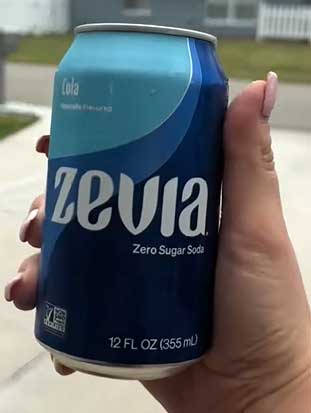
Zevia relies solely on stevia for its zero-calorie, zero-sugar profile, which keeps blood sugar flat and supports keto or low-carb lifestyles without any insulin response from the drink itself.
Poppi blends a small amount of organic cane sugar with stevia, delivering 5 grams of sugar and 25 calories per can.
That small sugar load still registers on blood glucose for some people, though far less dramatically than a regular 39-gram sugar cola.
If your priority is eliminating every gram of sugar to manage weight or diabetes risk, Zevia removes the variable entirely.
Poppi trades that purity for a slightly more rounded sweetness that many find closer to traditional soda.
- Functional additions create the biggest positioning split
Poppi adds organic apple cider vinegar and prebiotic fibers from agave inulin and cassava root, aiming to support digestion and provide a modest 2–3 grams of fiber per can.
The fiber amount is real but modest—you would need multiple cans daily to approach meaningful daily fiber targets from whole foods.
Zevia stays simple with no added fiber, probiotics, or acids beyond flavor balancing. It positions itself as a clean swap rather than a functional beverage.
Analytically, Poppi’s additions offer a small potential edge for gut regularity if you tolerate the ingredients well, while Zevia avoids any risk of initial bloating that new fibers can trigger in sensitive stomachs.
- Taste and aftertaste shape daily enjoyment more than labels suggest
Zevia delivers classic soda flavors like cola, ginger ale, and root beer with a clean upfront sweetness that can finish with a light herbal or licorice-like note from stevia.
Some people notice it right away; others adapt after a few cans. Poppi leans into brighter, fruit-forward or nostalgic profiles with a subtle tangy edge from the apple cider vinegar.
The tang integrates nicely in flavors like strawberry lemon but can feel sharper in cola versions for first-time drinkers.
Carbonation levels feel similar, yet Poppi’s slight body from juice and fiber gives it a touch more mouthfeel. Personal testing showed Zevia winning for straight cola cravings and Poppi edging ahead when I wanted something that felt less like a “diet” drink.
- Price and value reflect their different promises
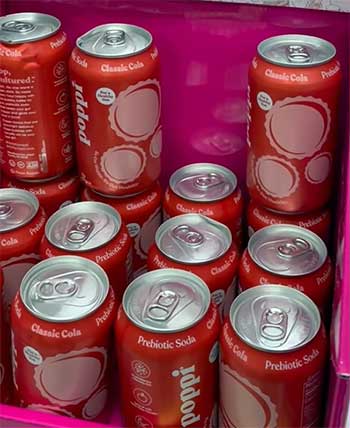
Zevia generally costs less per can and stretches further for bulk buyers focused purely on zero-sugar refreshment.
Poppi commands a premium tied to its prebiotic story and trendier branding.
Over a month of daily use, the gap adds up, especially if you drink more than one can.
Both beat the long-term health costs of regular soda, but Zevia offers stronger everyday value when budget and zero calories matter most.
Poppi justifies the extra spend for users who actively want the ACV and fiber elements and enjoy the flavor variety enough to stick with it.
- Target users and lifestyle fit diverge clearly
Zevia suits anyone prioritizing complete sugar elimination—keto followers, those managing insulin resistance, or people simply counting every calorie.
It works well mixed into mocktails or enjoyed straight without derailing goals.
Poppi appeals more to those already eating decent fiber elsewhere and looking for an incremental gut nudge alongside a lower-sugar treat. It also attracts people who find stevia-only drinks too one-note.
Neither replaces water or whole-food nutrition, but each fills the “I want something fun and fizzy” slot more responsibly than conventional options.
- Ingredient philosophy and transparency differ in subtle ways
Both avoid artificial colors, high-fructose corn syrup, and synthetic preservatives. Zevia keeps the list shortest and most straightforward.
Poppi includes more components to deliver its functional angle, which introduces natural flavors and multiple fiber sources.
For ingredient minimalists, Zevia feels cleaner. For those open to added functional components even in small doses, Poppi provides that layer without venturing into heavily processed territory.
Zevia’s Key Features
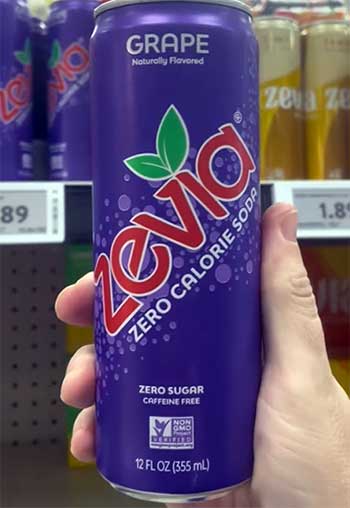
- Pure stevia sweetening creates a true zero-impact profile. The brand uses organic stevia leaf extract across its lineup, delivering sweetness without calories, sugar, or meaningful carbohydrates. This makes every can suitable for strict ketogenic or diabetic-friendly routines where even small sugar loads can disrupt progress. The approach keeps things simple: carbonated water, natural flavors, stevia, and acid blends for balance. No polyols or sugar alcohols appear in current formulations for most flavors, reducing another potential digestive variable.
- Broad classic flavor lineup covers everyday soda nostalgia. Options span cola, vanilla cola, ginger ale, creamy root beer, orange, grape, and more. The range lets you rotate without boredom while staying within zero-sugar boundaries. Cola and ginger ale versions come closest to familiar profiles, making the transition from regular soda smoother for many users. Limited-edition or seasonal drops add variety without complicating the core clean formula.
- Clean certifications support broad dietary compatibility. Zevia carries vegan, gluten-free, non-GMO, and kosher certifications. These markers matter for households with multiple restrictions or preferences. The brand also avoids common allergens and artificial additives, giving it wide appeal beyond just sugar-conscious drinkers.
- Caffeine options in select flavors add flexibility. Cola-style varieties contain 38–55 mg of caffeine per can—enough for a gentle lift without the higher loads found in energy drinks. Non-caffeinated flavors keep things neutral for evening or sensitive users. This built-in choice reduces the need to layer separate beverages.
Pros of Zevia
- Complete removal of sugar and calories supports steady energy and weight goals. Without any sugar to spike blood glucose or trigger cravings later, Zevia helps maintain consistent energy through the afternoon. Many people switching from regular soda report fewer energy dips and less afternoon snacking. Analytically, eliminating liquid sugar calories creates a meaningful daily deficit over time without requiring other drastic changes. It also sidesteps the dental erosion risk tied to frequent sugary or acidic drinks.
- Strong fit for restrictive diets without compromise. Keto, low-carb, and diabetic routines become easier when a satisfying fizzy option exists that adds zero net carbs or glycemic load. Zevia removes the usual trade-off between enjoyment and adherence. It also works for intermittent fasting windows since it contains no calories to break a fast for most protocols.
- No post-drink crash or rebound hunger. The absence of sugar means no corresponding insulin response or subsequent energy drop. This makes it practical for workdays or active schedules where focus matters. Users often note it satisfies the soda habit without reigniting the cycle of craving more sweet drinks.
- Wide availability and straightforward storage. Found in most grocery chains and online, Zevia requires no special handling. Cans travel well and keep for months, making it convenient for stocking up or packing in lunches and gym bags.
- Minimal ingredient list reduces unknowns. With fewer components than many functional beverages, Zevia lowers the chance of unexpected sensitivities. The straightforward formula appeals to people who prefer to know exactly what they consume daily.
Cons of Zevia
- Stevia aftertaste affects enjoyment for some palates. The herbal finish can read as bitter, licorice-like, or artificial even though it comes from a plant. Sensitivity varies widely—some adapt quickly while others never warm to it. This remains the most common complaint and the main reason people try Zevia once and return to other options.
- No added functional benefits beyond sugar removal. It delivers clean refreshment but contributes nothing to fiber intake, gut bacteria support, or other wellness angles. For users seeking more from their beverages than zero sugar, it can feel basic compared with prebiotic-style alternatives.
- Potential digestive sensitivity in stevia responders. A subset of people report mild bloating or discomfort after regular use, possibly linked to how stevia interacts with individual gut bacteria. While not universal, it means testing personal tolerance before committing to daily cans.
- Premium pricing versus conventional soda. The cost per can sits well above regular cola, which can add up for households consuming multiple servings daily. The health trade-off justifies it for many, yet budget-conscious buyers may limit it to occasional use.
- Limited innovation in new functional directions. The brand stays focused on its core zero-sugar promise rather than expanding into fiber, adaptogens, or other trending additions. This keeps consistency high but may feel dated to shoppers exploring the latest wellness beverages.
Poppi’s Key Features
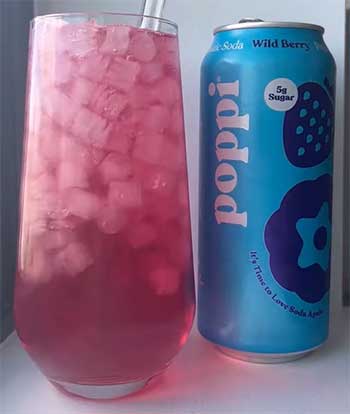
- Apple cider vinegar and prebiotic fibers form the functional core. Each can includes ACV plus fibers from agave inulin and cassava root. These elements position Poppi as a digestive-support option within the soda category. The fiber contributes 2–3 grams toward daily needs, while the vinegar adds a traditional wellness angle in a convenient, palatable format.
- Lower sugar than classic soda with real fruit notes. At 5 grams of sugar per can—mostly from organic cane sugar and juice concentrates—Poppi cuts sugar dramatically versus traditional options while retaining some natural sweetness and body. Flavors often incorporate real fruit elements, giving them brighter, less one-dimensional profiles.
- Playful, modern flavor range with nostalgic nods. Offerings include classic cola, strawberry lemon, raspberry rose, and doc pop styles. The variety feels fresher and more exploratory than standard soda lines, encouraging rotation and reducing flavor fatigue. Many options lean fruity or lightly botanical rather than purely cola-forward.
- Modest caffeine in select varieties for balanced energy. Cola and similar flavors include natural caffeine around 32 mg. This provides a light pick-me-up without pushing into energy-drink territory, making Poppi suitable across more times of day than higher-caffeine choices.
- Vegan, gluten-free, and non-GMO positioning. These attributes align with common dietary preferences and make Poppi accessible for most households exploring better-for-you swaps.
Also Read: Comparison of Poppi And Olipop Prebiotic Soda.
Pros of Poppi
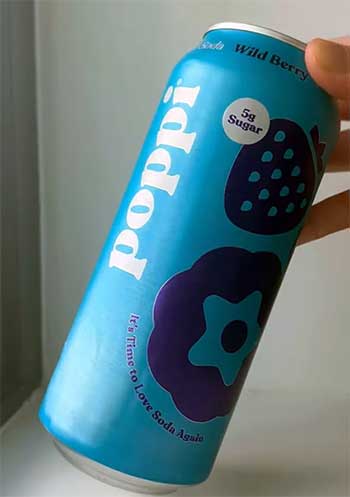
- Small prebiotic contribution supports incremental gut habits. The 2–3 grams of fiber per can adds a modest daily boost that can complement a vegetable-rich diet. Over weeks, consistent use may contribute to overall fiber goals without requiring separate supplements. Many users report subtle improvements in regularity when they replace higher-sugar drinks.
- Taste closer to conventional soda for easier transitions. The blend of cane sugar, juice, and light ACV tang creates a more familiar mouthfeel and sweetness curve than stevia-only options. This helps people wean off regular soda without feeling deprived. Fruit-forward flavors particularly shine for those who want something brighter than classic colas.
- Lower sugar and calories deliver meaningful improvement over regular soda. Cutting from 39 grams of sugar to 5 grams per serving reduces liquid sugar load substantially. This supports better metabolic health markers and dental outcomes with minimal lifestyle friction. The 25 calories also fit more easily into daily budgets than full-sugar versions.
- ACV element adds a wellness layer without strong vinegar taste in most flavors. The amount integrates smoothly, providing a subtle tang that enhances certain profiles rather than dominating. For people already using ACV in other forms, Poppi offers a convenient, enjoyable delivery method.
- Trend-forward branding encourages consistent use. Eye-catching cans and approachable messaging make Poppi feel like a treat rather than a compromise. This psychological edge helps some users stick with the swap longer than with more clinical-tasting alternatives.
Cons of Poppi
- Still contains sugar and calories, limiting strict protocols. The 5 grams of sugar and 25 calories per can register on blood glucose and daily totals. For strict keto or very low-calorie phases, even this small amount can matter. It sits between zero-sugar options and regular soda rather than replacing either fully.
- Fiber amount remains too low for significant standalone impact. Two to three grams per can represents only a fraction of recommended daily fiber. Real gut health gains come primarily from whole foods; Poppi serves better as a complement than a primary solution. Some sensitive users also experience temporary gas or bloating when introducing the fibers.
- ACV tang does not suit every preference. The subtle vinegar note works well in certain flavors but can taste sharp or off-putting in others, especially for people new to ACV. This creates a trial-and-error period before finding favorites.
- Higher price point reduces everyday accessibility. At nearly double the cost of Zevia in many stores, Poppi feels like a splurge for regular consumption. Value depends heavily on how much you enjoy the taste and functional angle versus simpler zero-sugar alternatives.
- Natural flavors keep full ingredient transparency limited. While better than artificial options, the vague “natural flavors” listing leaves some health-conscious buyers wanting more specificity about sources and processing. This mirrors industry norms but stands out against Zevia’s more minimal approach.
Making the Choice: Which One Fits Your Routine?
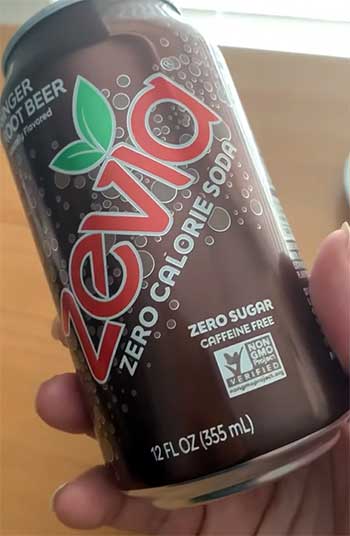
If your primary aim is eliminating sugar and calories while keeping a soda-like ritual, Zevia delivers the cleanest execution.
It integrates easily into keto, low-carb, or calorie-controlled plans without second-guessing numbers. Start with cola or ginger ale if you want familiar territory.
When you want a touch of prebiotic support, brighter fruit flavors, and a drink that feels more like an intentional wellness choice, Poppi offers that layer.
It works best alongside an already fiber-rich diet rather than as a standalone solution. Test a few flavors to confirm the ACV note lands well for you.
Many people rotate both depending on the day—Zevia for strict zero days or workouts, Poppi when they want variety and a subtle functional nudge.
Listen to how your body responds to stevia versus the small sugar plus fiber combination, then adjust.
The better option is ultimately the one you enjoy enough to stick with consistently over plain water or sugary defaults.
Also Read: Comparison of Culture Pop And Olipop.
Frequently Asked Questions (FAQ)
Yes for most people. It removes all sugar and calories while keeping the fizz and flavor, which reduces risks tied to excess liquid sugar like weight gain, blood sugar spikes, and dental issues. It is still a processed beverage, so it works best as an occasional treat within a diet centered on whole foods rather than a daily staple replacement for water.
Current evidence and regulatory positions support safety for healthy individuals at typical consumption levels. Some studies even note neutral or positive effects on certain kidney markers. However, animal research at very high doses has flagged potential concerns, and anyone with existing kidney disease or concerns should check with a doctor before making it a daily habit.
It depends on your top priority. Zevia wins outright on zero calories and zero sugar, making it ideal for strict metabolic or weight goals. Olipop provides substantially more prebiotic fiber (around 9 grams per can) for gut support alongside low sugar, positioning it closer to Poppi but with a stronger fiber punch. Poppi sits between them—less fiber than Olipop but more functional elements than Zevia. Choose based on whether zero sugar or added fiber matters more to you right now.
For most healthy adults, yes in moderation as part of a balanced diet. It avoids sugar-related downsides and fits many dietary patterns. Individual tolerance to stevia varies, so watch for any digestive changes or aftertaste fatigue. Rotating with other low-sugar options like plain sparkling water or herbal teas prevents over-reliance on any single sweetened drink.
Final Thoughts
Looking back after testing both side by side, Zevia excels when you need uncompromising zero sugar and calorie control. Poppi brings a bit more personality and a small functional nod that can make the swap feel more rewarding for some.
You will get the best results by matching the choice to your actual priorities—whether that is flat blood sugar, a touch of gut support, or simply enjoying a fizzy treat without the usual baggage.
Experiment for a week or two with each and notice how you feel and how often you reach for it. Your body and taste preferences will point you toward the right long-term fit.