
If you are like me and keep reaching for something fizzy in the afternoon but want to avoid the sugar crash that comes with classic soda, Poppi and Olipop probably caught your eye.
Both position themselves as better-for-you options with prebiotics and far less sugar.
In this comparison I lay out how they differ on nutrition, ingredients, taste experience, and practical value so you can match one to your own priorities around gut support, flavor, and daily habits.
| Aspect | Poppi | Olipop |
| Calories per 12 oz can | 25-30 | 35-50 |
| Total Sugars | About 5 g | 2-5 g |
| Dietary Fiber | Around 2 g | Up to 9 g |
| Prebiotic Source | Cassava root fiber and agave inulin | OLISMART blend of multiple plant fibers and botanicals |
| Standout Ingredient | Organic apple cider vinegar | Proprietary mix including chicory root, Jerusalem artichoke, nopal cactus and more |
| Number of Flavors | Roughly 11 | Around 16 |
| Sweeteners | Organic cane sugar plus stevia | Apple juice concentrate, stevia, and cassava root syrup |
Key Differences Between Poppi And Olipop
- Fiber Levels Create The Biggest Practical Gap For Daily Gut Support
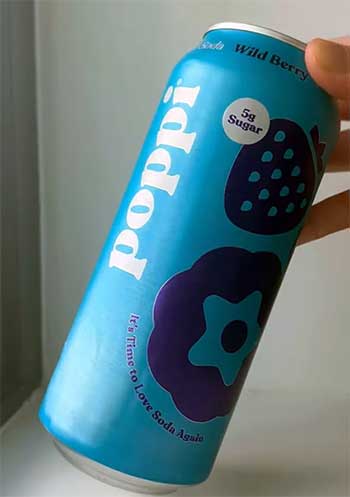
When I compared the labels side by side, the fiber difference jumped out immediately.
Olipop delivers around 9 grams per can from its OLISMART blend of chicory root inulin, Jerusalem artichoke inulin, cassava root fiber, and supporting botanicals like nopal cactus and marshmallow root.
That amount covers a meaningful portion of the 25-38 grams most adults need each day and gives your gut bacteria more material to work with for regularity and microbiome balance.
Poppi sits at roughly 2 grams from cassava root fiber and agave inulin.
That smaller serving still adds a little prebiotic benefit and pairs with the apple cider vinegar, yet it functions more as a light assist than a substantial contribution.
If your current diet runs low on fiber overall, the higher number in Olipop moves the needle further per can without requiring you to drink several at once.
At the same time, both brands faced legal questions about whether one serving alone delivers dramatic digestive changes, so neither replaces eating vegetables, beans, or whole grains.
- Sugar And Calorie Profiles Stay Low But Tilt In Slightly Different Directions
Poppi keeps calories around 25-30 with about 5 grams of sugar, much of it from organic cane sugar and a touch of fruit juice. Olipop ranges 35-50 calories with 2-5 grams of sugar depending on the flavor, often pulling from apple juice concentrate and cassava root syrup.
The gap feels small in real life, yet if you drink one every day the lower calorie count in Poppi adds up over weeks. Both versions cut sugar dramatically compared with a regular 12-ounce soda that carries 35-40 grams, so either choice reduces the blood-sugar roller coaster you might feel otherwise.
The trade-off appears when you factor in the fiber: Olipop’s extra grams can help slow absorption of its modest sugar load, while Poppi relies more on the apple cider vinegar for any similar effect.
- Ingredient Philosophy Splits Between Focused ACV Support And Broad Botanical Fiber
Poppi builds its identity around organic apple cider vinegar alongside the prebiotic fibers. The vinegar brings a subtle tang and carries research-backed associations with modest improvements in blood-sugar response and digestion for some people, though the amount diluted in a can remains small.
Olipop instead uses a wider OLISMART combination that mixes several prebiotic fibers with botanicals chosen for soothing and anti-inflammatory traditions.
You end up with two different approaches: one leans on a single well-known fermented ingredient plus fiber, while the other spreads bets across multiple plant sources.
Neither formula contains artificial colors or high-fructose corn syrup, and both stay gluten-free and non-GMO, yet the flavor and functional feel diverge because of these core choices.
- Flavor Variety And Classic Soda Recreation Differ Noticeably
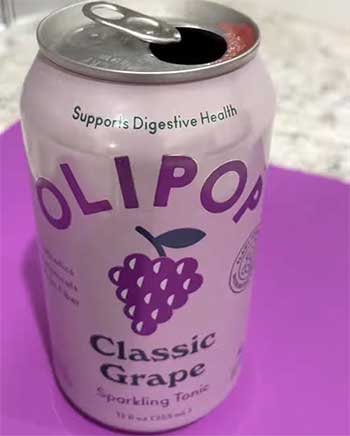
Poppi offers about eleven options with bright, fruit-forward profiles such as Strawberry Lemon or Ginger Lime that keep a light, refreshing character.
Olipop expands to roughly sixteen flavors and aims closer to nostalgic soda tastes like Vintage Cola, Classic Root Beer, or Cherry Vanilla.
When I sampled both lines, Poppi felt zestier and sometimes carried a faint vinegar note that some people enjoy and others notice right away.
Olipop tended to coat the tongue more because of the higher fiber content, which can create a smoother mouthfeel closer to traditional soda.
Your preference here depends on whether you want something that tastes like a light sparkling water with benefits or a closer stand-in for the sodas you grew up with.
- Price Per Can Sits In The Same Premium Range Yet Value Perception Shifts With Usage
Both brands land around two to three dollars per can at most stores, far above mainstream soda. The higher fiber load in Olipop can make each can feel like it delivers more functional payoff if gut health sits high on your list.
Poppi’s lower calorie and ACV focus may justify the cost better if you prioritize lighter sipping or already use apple cider vinegar in other parts of your routine. Buying variety packs helps test flavors without committing to a full case of one kind.
- Real-World Tolerance And Side Effects Vary By Person
The inulin and other fermentable fibers in both drinks can cause temporary bloating or gas when you first introduce them, especially if your system is not used to higher fiber loads.
Olipop’s larger serving amplifies this possibility for sensitive stomachs or those following lower-FODMAP approaches. Poppi’s smaller fiber dose plus the acidity from apple cider vinegar may bother people prone to reflux.
Starting with half a can and drinking it with food helps most people adjust. Neither product acts as a miracle fix, and individual responses to stevia aftertaste or carbonation levels also play a role in long-term enjoyment.
- Marketing Claims Versus Documented Outcomes Invite Healthy Skepticism
Both companies highlight gut health and prebiotic benefits on packaging and ads. Legal challenges have questioned whether the fiber quantities in a single can produce the transformative results implied.
Poppi reached a settlement on these points, and Olipop faces similar scrutiny. The science on prebiotics remains solid in general, yet dose, consistency, and your overall diet matter far more than any one beverage.
These sodas work best as occasional upgrades rather than daily staples that replace water or fiber-rich meals.
Also Read: Comparison of SodaStream And Drinkmate.
Key Features of Poppi
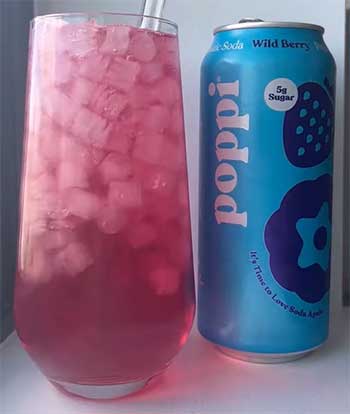
- Apple cider vinegar infusion adds a distinctive functional layer The organic ACV in every can supplies a mild acidic note alongside the prebiotics. Some research links regular ACV intake with modest support for blood-sugar stability after meals and digestive comfort, although the diluted amount in a soda can delivers only a fraction of a typical tablespoon dose. For me the tang gave certain flavors like Ginger Lime an extra brightness that regular sparkling water lacks. If you already enjoy ACV in salad dressings or morning routines, this built-in version feels like a convenient extension.
- Lower calorie density supports lighter daily habits At roughly 25-30 calories, Poppi keeps the number low enough that one can fits easily into most calorie budgets without much thought. That lightness makes it simple to enjoy in the afternoon without feeling like you spent a significant portion of your intake on a drink. Compared with many other flavored sparkling options that hover higher, the difference adds up if you reach for something fizzy most days.
- Cassava root fiber and agave inulin provide a gentle prebiotic base These two fibers feed beneficial bacteria without overwhelming the system in small amounts. The combination stays modest enough that most people tolerate it well even on first tries. Poppi pairs this base with the ACV rather than stacking many different fibers, which keeps the ingredient list relatively short and focused.
- Bright, fruit-leaning flavor options stay refreshing Flavors such as Strawberry Lemon or Orange stay crisp and not overly sweet. The stevia finish appears but rarely dominates when the fruit notes lead. This profile works especially well cold from the fridge or over ice, making it easy to sip slowly instead of gulping.
- Wide availability in single cans and variety packs Most grocery chains and online retailers stock Poppi in both individual flavors and mixed packs. That accessibility lowers the barrier to trying several options before settling on favorites.
Pros of Poppi
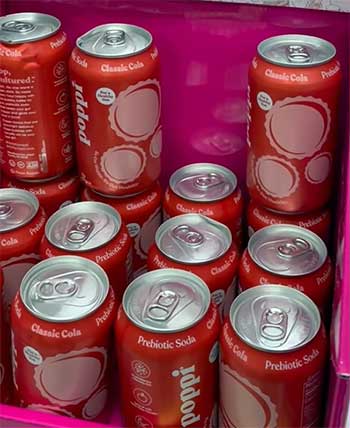
- Lower calories make daily enjoyment feel less consequential When I tracked a week of swapping one can into my routine, the 25-30 calorie mark let me keep overall intake steady without extra planning. That margin matters if you already watch portions or combine the drink with snacks. The difference versus Olipop stays modest, yet every consistent saving helps over months.
- Apple cider vinegar brings a unique functional angle some people appreciate The built-in ACV offers a secondary benefit beyond prebiotics for those interested in blood-sugar or digestion support. Even at the modest level present, it gives Poppi a point of differentiation that resonates if you already value vinegar in cooking or wellness habits.
- Lighter, brighter flavor profile refreshes without lingering sweetness Many of the fruit-forward options taste crisp and clean rather than heavy. The subtle tang from the vinegar cuts through in a way that prevents the drink from feeling overly sweet, which helps if stevia aftertaste bothers you in other products.
- Shorter, more focused ingredient list feels straightforward Poppi keeps the formula tight around sparkling water, the fibers, cane sugar, ACV, and natural flavors. Fewer components can simplify decision-making when you prefer minimal processing stories on labels.
- Often slightly cheaper in multipacks at big retailers Promotions and variety packs for Poppi sometimes land a few cents lower per can than comparable Olipop bundles, stretching your budget further if you buy in volume.
Cons of Poppi
- Fiber quantity remains low enough that benefits stay incremental Two grams per can adds a small prebiotic nudge but will not move most people close to daily fiber recommendations on its own. If gut support ranks as your primary reason for choosing these drinks, you still need substantial fiber from food sources to see larger shifts.
- Apple cider vinegar tang does not suit every palate Some flavors carry a noticeable acidic edge that can surprise first-time drinkers or feel sharp if you prefer purely sweet or cola-style profiles. The note grows on some people and stays polarizing for others.
- Legal settlement around gut-health claims adds a layer of caution The class-action resolution highlighted that one can delivers limited prebiotic impact for the marketing language used. That history encourages reading labels critically and treating the product as a tasty low-sugar option rather than a therapeutic beverage.
- Stevia finish appears in most varieties and can taste artificial to sensitive tasters While the amount stays small, the aftertaste lingers for certain people and can clash with the fruit notes in some flavors.
- Limited flavor depth compared with more traditional soda recreations The lineup leans bright and citrusy rather than deep or creamy, so fans of root beer or cola styles may find fewer matches that fully satisfy the craving.
Also Read: My Experience With Simpli Soda.
Key Features of Olipop
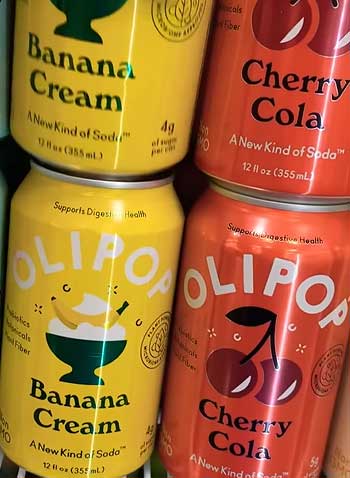
- High fiber load from the OLISMART blend stands as the headline benefit Nine grams of diverse prebiotic fibers per can supplies a noticeable contribution toward daily targets. The mix pulls from chicory root, Jerusalem artichoke, cassava, and additional botanicals that bring traditional digestive-soothing properties. For anyone actively working to close a fiber gap, this volume provides more direct support per serving than most other ready-to-drink options.
- Broader flavor lineup recreates familiar soda experiences With around sixteen choices including cola, root beer, and cream soda styles, Olipop gives you more chances to find a taste that feels nostalgic yet upgraded. The higher fiber content also lends a slightly thicker, more satisfying mouthfeel that many people associate with classic sodas.
- Lower sugar options across several flavors keep intake minimal Certain varieties stay at the low end of the 2-5 gram sugar range while still delivering the full fiber payload. This balance helps if you monitor added sugar closely yet want more than plain sparkling water.
- Botanical additions bring extra layers beyond basic fiber Ingredients such as nopal cactus and marshmallow root appear in the proprietary blend and carry historical uses for digestive comfort. While their quantities remain small, they contribute to the overall “more than just fiber” positioning.
- Strong emphasis on plant-based, clean-label credentials Olipop markets itself as paleo-friendly, vegan, and free from common allergens beyond the fibers themselves. The transparent sourcing story appeals when you prefer drinks built around recognizable plant ingredients.
Pros of Olipop
- Substantially higher fiber per can delivers more noticeable gut-support potential Nine grams gives you a real contribution toward daily needs and more material for beneficial bacteria. When I added Olipop regularly, the extra fiber paired well with meals and helped maintain steadier digestion compared with lower-fiber days.
- Wider flavor selection increases the chance of finding a daily favorite Sixteen-plus options spanning nostalgic soda tastes mean you can rotate without boredom. The closer match to classic profiles also helps transition away from higher-sugar versions more smoothly.
- Fiber volume can increase feelings of fullness for some drinkers The higher soluble fiber content slows digestion slightly and can curb mid-afternoon snacking urges. That satiety effect turns the drink into a small functional tool beyond simple refreshment.
- Lower sugar ceiling in many flavors supports tighter intake goals Several varieties stay toward the bottom of the 2-5 gram range while still offering the full prebiotic payload, giving you more flexibility if added sugar remains a focus area.
- Diverse botanical blend adds perceived depth to the functional story The combination of fibers plus traditional botanicals creates a richer narrative around digestive wellness that resonates when you want more than basic prebiotic fiber.
Cons of Olipop
- Higher calorie count per can reduces the “light” perception Thirty-five to fifty calories feels less negligible if you enjoy more than one serving or track intake tightly. The difference versus Poppi becomes noticeable over a week or month of regular use.
- Larger fiber serving raises chance of initial digestive adjustment symptoms Nine grams of mixed inulin-type fibers can produce bloating or gas in people whose systems are not yet adapted. Starting slow and pairing with food helps, yet the adjustment period may last longer than with lower-fiber alternatives.
- Ongoing legal questions around benefit claims create similar skepticism as with competitors The lawsuit alleging overstated digestive results mirrors issues faced industry-wide and reminds buyers that marketing language often exceeds what one can realistically deliver.
- Thicker mouthfeel from fiber does not appeal to everyone seeking light fizz Some drinkers prefer a crisper, more water-like texture. The extra body in Olipop can feel heavier or almost creamy in certain flavors.
- Stevia plus botanical notes can create complex aftertastes in specific varieties While many flavors taste clean, a subset carries an herbal or lingering sweetness that may not match every expectation of traditional soda.
Also Read: My Experience With SodaStream Terra.
Frequently Asked Questions (FAQ)
It depends on your main goal. Olipop supplies far more prebiotic fiber for gut support in one can, while Poppi adds apple cider vinegar that some people value for metabolic reasons. Both dramatically cut sugar and calories versus regular soda and work best as occasional treats alongside a fiber-rich diet.
A class-action complaint claims the digestive-health messaging overstates what the fiber quantity and overall formula can realistically achieve for most people from a single serving, echoing similar past challenges in the category.
No single product earns that title universally. Look for higher fiber from quality sources, very low sugar, minimal additives, and transparent labeling. Even the best option remains a supplement to whole-food fiber rather than a replacement.
It offers a lower-sugar, lower-calorie alternative to traditional soda and includes apple cider vinegar plus a small amount of fiber that may blunt blood-sugar response for some individuals. Personal testing with a glucose monitor after drinking it remains the most reliable way to know how your body reacts, and moderation still applies.
Final Thoughts
After weighing nutrition numbers, ingredient approaches, taste experiences, and the surrounding legal context, you can see that neither brand delivers a perfect daily health drink.
One leans into higher fiber volume and broader flavor nostalgia while the other keeps calories lower and adds a vinegar twist.
You get to pick the trade-offs that matter most for your body and routine, then enjoy the fizz without the heavy sugar load of older options. Small, consistent upgrades like these add up when they actually fit what you reach for.