
I started swapping regular sodas for these functional drinks a while back because I wanted something fizzy that wouldn’t leave me feeling sluggish.
After trying dozens of cans from both Culture Pop and Olipop, I realized they approach gut-friendly refreshment in completely different ways. In this article, I share my real experiences, break down how they compare, and help you figure out which one might suit your daily routine better.
Whether you crave classic soda vibes or lighter, juice-forward flavors, I’ll walk through everything from taste to benefits so you can decide for yourself.
| Aspect | Culture Pop | Olipop |
| Type | Probiotic soda | Prebiotic soda |
| Fiber per can | 0g | 9g |
| Sugar | 8-11g (from fruit juice) | 2-5g (with stevia) |
| Sweetener | Natural fruit juices | Stevia + juice concentrates |
| Key addition | Live Bacillus subtilis probiotics | Plant fibers (inulin, etc.) |
| Calories | ~45-50 | ~35-50 |
| Taste profile | Fruity, less sweet, juice-like | Soda-like, sometimes aftertaste |
| Best for | Probiotic boost, no artificial aftertaste | High fiber intake, traditional soda feel |
Key Differences Between Culture Pop And Olipop

- Probiotic vs Prebiotic Focus: Culture Pop delivers live probiotics directly, aiming to add beneficial bacteria to your system. Olipop supplies prebiotic fibers that feed the good bacteria already living there. I noticed Culture Pop feels more like introducing new guests to the party, while Olipop nourishes the existing crowd.
- Sweetening Approach: One of the biggest shifts for me came from ditching stevia. Culture Pop relies solely on organic fruit juice concentrates for sweetness—no stevia, no refined sugars. Olipop uses a mix that includes stevia, which some people love for lower calories but others detect as a slight bitter finish.
- Fiber Content and Digestive Impact: Olipop packs a serious fiber punch with around 9 grams per can from sources like inulin and cassava. That helped me stay fuller longer. Culture Pop has zero fiber but includes live cultures that survived canning, offering a different kind of support without the potential for extra gas from high fiber.
- Flavor Philosophy: Culture Pop tastes closer to a sparkling fruit juice with herbs and spices—think bright, natural, sometimes subtle. Olipop goes for nostalgic soda flavors like cola or root beer, making it feel like a closer swap for traditional drinks.
- Ingredient Transparency: Both use cleaner lists than regular soda, but Culture Pop emphasizes organic juices, herbs, and sea salt. Olipop highlights its proprietary prebiotic blend with roots and cacti.
- Shelf Life and Convenience: Both are shelf-stable, but Culture Pop’s probiotic claim relies on the strains being viable at purchase. Olipop’s prebiotics remain stable longer without live cultures.
- Calorie and Sugar Balance: They land in similar calorie ranges, but the source matters. Culture Pop’s sugars come naturally from juice, which felt cleaner to me during taste tests.
Also Read: My Experience With SodaStream Terra.
Key Features of Culture Pop
- Live Probiotics in Every Can: Each serving includes billions of CFU of Bacillus subtilis, a spore-forming probiotic known for surviving harsh conditions and potentially supporting digestion. I appreciated this because it didn’t require refrigeration after opening and offered a direct way to introduce beneficial microbes without needing separate supplements.
- Fruit Juice Sweetening Only: Flavors like Wild Berries or Ginger Lemon use white grape, berry, and citrus juices. No stevia means a cleaner finish that reminded me of fancy sparkling waters with personality, allowing the natural fruit notes to shine through without masking or altering the taste unnaturally.
- Organic Herbs and Spices: Many varieties include turmeric, coriander, or ginger for subtle depth and extra wellness angles. The Ginger Lemon & Turmeric became a go-to for me when I wanted something zesty, as these additions provided gentle anti-inflammatory hints alongside the fizz.
- Lower Sweetness Level: At 8-11g sugar from juice, it avoids cloying sweetness. It quenched my thirst without the sugar crash I used to get from regular pop, making it suitable for more frequent sipping throughout the day.
- Vibrant, Approachable Flavors: Options like Lemon Lime mimic classic citrus sodas but with a lighter, more natural profile. Great for people easing off super-sweet drinks or those who enjoy balanced, not overpowering, carbonated beverages.
- Plant-Based and Inclusive: Vegan, gluten-free, kosher, non-GMO—broad appeal for different dietary needs, which made it easy to recommend to friends with various restrictions.
- No Added Prebiotic Fiber: Perfect if high fiber causes bloating for you. It focuses purely on delivering live cultures, sidestepping common fiber-related digestive adjustments.
- Balanced Mineral Touch: A hint of sea salt in some recipes adds electrolytes and rounds out flavors nicely, contributing to a more refreshing and hydrating feel overall.
- Shelf-Stable Probiotic Formula: The spore-based probiotic maintains viability better than many other live cultures, providing consistent benefits from the first sip to the last in the can.
I found myself reaching for Culture Pop on days when I wanted refreshment that felt closer to real food ingredients. The absence of intense sweeteners made it easier to sip slowly and enjoy the nuanced profiles.
Pros of Culture Pop
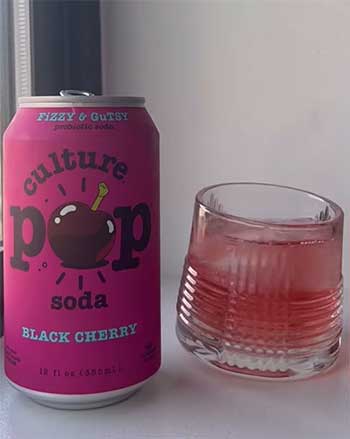
- Cleaner Sweetness Without Aftertaste: Many users, including me, prefer the pure fruit juice profile. It avoids the metallic or lingering notes some associate with stevia, resulting in a more straightforward and enjoyable sipping experience every time.
- Probiotic Delivery: Live cultures provide direct bacteria support. Studies on Bacillus subtilis suggest benefits for gut balance, which aligned with how I felt after consistent use, including potentially fewer minor digestive hiccups.
- Gentler on Sensitive Stomachs: Zero added fiber means less risk of bloating compared to high-inulin drinks. Great if prebiotics have bothered you before, allowing for easier integration into daily habits.
- Natural Ingredient Appeal: Organic juices and spices give it a premium, “made with real stuff” vibe that built my trust and made me feel better about what I was consuming.
- Unique Flavor Experience: Less sweet and more nuanced—perfect for people who enjoy sparkling waters or light juices but want carbonation and a touch more character.
- No Sugar Crash: Even with 8g sugar, the natural sources and probiotics seemed to stabilize my energy better than traditional options, supporting steadier focus throughout the afternoon.
- Broad Dietary Compatibility: Appeals to those avoiding artificial sweeteners or high-fiber loads, making it versatile for family sharing or group settings.
- Fun, Fruity Variety: Flavors feel innovative without trying too hard to copy soda exactly, opening up new taste adventures.
- Shelf-Stable Convenience: Easy to stock up without worrying about refrigeration until opened, ideal for travel or busy lifestyles.
- Transparent Marketing: Focuses on what it has (probiotics, real juice) rather than overloading claims, fostering a sense of honesty that resonated with me.
Cons of Culture Pop
- Lower Fiber Content: At 0g, it won’t help hit daily fiber targets the way prebiotic options do. I had to get fiber elsewhere through meals, which required more planning on my part.
- Higher Natural Sugars: 8-11g from juice might concern strict low-sugar followers, even if naturally sourced, especially for those monitoring blood sugar closely.
- Subtler Soda-Like Taste: Some flavors feel milder or more juice-forward, which might disappoint die-hard cola fans seeking exact replicas or intense sweetness.
- Probiotic Survival Questions: While claimed viable, heat or storage could impact live cultures over time, introducing slight uncertainty in benefits.
- Limited Availability in Some Areas: Not always as widely stocked as bigger competitors, requiring online orders or special trips occasionally.
- Price Point: Similar to others but the value feels tied more to taste than massive fiber benefits, which might affect perceived cost-effectiveness.
- Less Satiety: Without fiber, it didn’t curb hunger as effectively for me during busy afternoons, sometimes leading to additional snacking.
- Flavor Variability: Personal taste matters—some batches or flavors felt too tart or mild, requiring trial and error to find favorites.
- Dependence on Strain Efficacy: Benefits hinge on the specific probiotic performing as expected in your unique gut environment, which can vary individually.
Key Features of Olipop
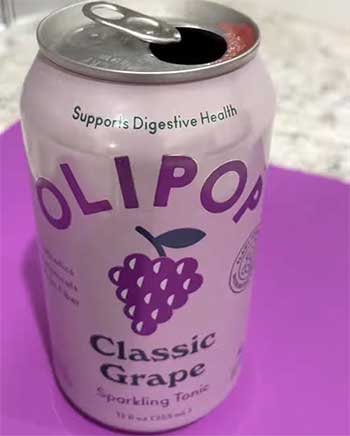
- High Prebiotic Fiber Load: Consistently delivering 9 grams of fiber per can from diverse plant sources like inulin from chicory, cassava root, nopal cactus, and marshmallow root. This stood out as a game-changer for my daily fiber goals, helping promote regularity and supporting overall digestive comfort over time.
- Nostalgic Soda Flavors: Vintage Cola, Lemon Lime, and Root Beer taste remarkably close to the real thing while cutting sugar dramatically. It satisfied my craving for classic fizz and made the switch from conventional sodas feel seamless and enjoyable.
- Low Sugar with Stevia: Only 2-5 grams of sugar paired with stevia keeps calories in check. Ideal for anyone tracking intake closely or looking to reduce overall sugar consumption without sacrificing much on taste satisfaction.
- Functional Blend: Beyond fiber, the ingredients target broader digestive support. I noticed better satiety after drinking it with meals, and the variety of plant fibers seemed to provide layered benefits for gut microbiome nourishment.
- Wide Flavor Variety: Dozens of options, from fruity to creamy to cola-style, making it easy to rotate without boredom and experiment with pairings for different occasions or moods.
- Bright Packaging and Accessibility: Eye-catching cans available in many stores, which made impulse buys convenient and turned it into a reliable pantry staple.
- Clinically Inspired Formulation: The brand emphasizes research-backed prebiotics, giving it a science-forward edge that appealed to my analytical side when evaluating options.
- Versatile Mixer Potential: Flavors like Lemon Ginger work well in mocktails or cocktails for those who want functional fun without compromising on flavor complexity.
- Consistent Carbonation and Mouthfeel: Delivers that satisfying bubbly texture reminiscent of traditional sodas, enhancing the overall drinking experience across its lineup.
Olipop felt like the reliable daily driver when I needed something that mimicked soda closely while adding tangible fiber.
Also Read: Differences Between SodaStream And Drinkmate.
Pros of Olipop
- Impressive Fiber Boost: 9g per can makes a real dent in daily needs, supporting regularity and fullness. I loved this for gut health routines and noticed improvements in how satisfied I felt after drinking.
- Strong Soda Replacement: Flavors nail familiar profiles, easing the transition from regular sodas and reducing cravings for less healthy options.
- Low Added Sugar: Keeps calories and sugar minimal while delivering taste, supporting weight management or moderation goals effectively.
- Science-Backed Prebiotics: Multiple plant fibers offer broader microbiome support potential, backed by the brand’s focus on functional ingredients.
- High Variety and Consistency: Reliable across many flavors with fun seasonal options, preventing palate fatigue over long-term use.
- Widespread Availability: Easy to find in stores or online, fitting seamlessly into grocery runs and routines.
- Satiety and Fullness: Fiber helped me snack less between meals, contributing to better portion control naturally.
- Positive Taste Test Feedback: Often ranks high for mimicking traditional soda enjoyment across independent reviews.
- Functional Focus: Appeals to those prioritizing quantifiable nutrition like fiber grams, providing clear metrics for tracking benefits.
- Innovative Ingredients: Roots and cacti add unique plant benefits beyond basic fiber, enhancing the overall wellness profile.
Cons of Olipop
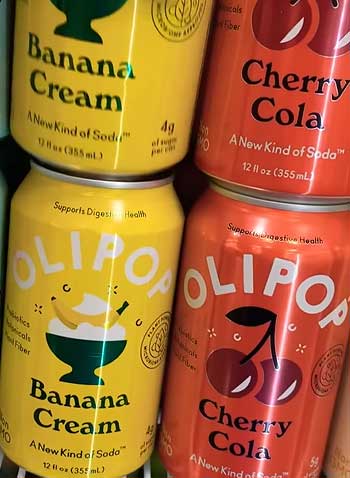
- Stevia Aftertaste for Some: Not everyone tolerates it well; I occasionally noticed a slight bitterness that lingered, especially in certain flavors.
- Potential Digestive Discomfort: High inulin can cause gas or bloating initially, especially if ramping up quickly, requiring a gradual introduction period.
- Lawsuit Concerns: Questions around whether the fiber amount delivers advertised benefits have surfaced in legal challenges, adding a layer of skepticism.
- Sweeter Profile Overall: Might feel heavier for those preferring ultra-light drinks, occasionally leading to less refreshment on hot days.
- Higher Cost per Benefit: Pricey if fiber tolerance limits you to one can, impacting budget for regular consumption.
- Adaptation Period: Some need time to adjust to the fiber load without side effects, which delayed full enjoyment initially.
- Less “Natural” Feel: Stevia and processed fibers contrast with pure juice approaches, which bothered me on days I sought maximal cleanliness.
- Flavor Intensity: Stronger tastes can overwhelm if you’re sensitive to certain profiles or prefer milder options.
- Dependency on Tolerance: Not ideal for everyone due to fiber sensitivity, limiting its universal appeal compared to lower-fiber alternatives.
My Personal Experience Switching Between Them
As someone who rotates drinks based on mood and needs, I found both fit different moments. Mornings called for Olipop’s fiber to start the day strong and satisfied.
Afternoons leaned toward Culture Pop for its lighter, juice-inspired refreshment that didn’t weigh me down. Taste-wise, Olipop won for nostalgia, but Culture Pop grew on me for everyday sipping without sweetener fatigue.
Neither replaced water or whole foods, but they made cutting back on junk soda painless.
I analyzed ingredients, nutrition labels, and how my body responded over weeks. Culture Pop felt gentler and more food-like. Olipop delivered measurable nutrition but required listening to my digestion.
- Which One Should You Choose?
It depends on your priorities. If live probiotics and clean fruit sweetness top your list, go with Culture Pop. If maximum fiber and soda-like satisfaction matter most, Olipop shines. Many people, like me, enjoy both in rotation.
Start with samplers to test flavors and tolerance.
Also Read: Is Simpli Soda Actually Healthy?
Frequently Asked Questions (FAQ)
Yes, as a better alternative to regular soda thanks to live probiotics, natural juices, and low calories, though it’s not a miracle cure and best paired with a balanced diet.
A class action claims Olipop’s fiber levels may not provide the significant digestive benefits advertised, questioning the health impact relative to marketing.
It varies by needs—Olipop offers high fiber, but individual tolerance and whole-food fiber sources matter most. Consult a professional for personalized advice.
Similar to other brands, debates center on whether prebiotic amounts deliver meaningful gut benefits and if marketing overstates effects, plus potential digestive side effects from fiber.
Wrapping It Up
After all my testing and analysis, I see real value in both Culture Pop and Olipop as steps toward smarter sipping. You now have the details to pick what fits your lifestyle best—whether prioritizing probiotics, fiber, taste, or a mix.
Give them a fair shot, listen to your body, and enjoy the process of finding drinks that make you feel good. What works for me might differ for you, so experiment and stay curious about your own responses.
Cheers to better choices that actually taste great.