
I sat down to write this piece after struggling for seasons with overgrown beds and endless pulling sessions in my own yard.
The goal here is straightforward: help you figure out whether weed barrier or landscape fabric will actually keep weeds down without creating new headaches, by laying out how each one behaves in real soil, under real weather, and over real time.
You will walk away knowing which material fits your garden style, budget, and patience level so the choice feels clear instead of confusing.
| Aspect | Weed Barrier | Landscape Fabric |
| Typical Material | Dense plastic film or heavy non-woven sheet | Woven or non-woven polypropylene geotextile |
| Water and Air Flow | Minimal to none | High permeability |
| Weed Suppression Strength | Very high at first | Strong but allows some root penetration over years |
| Longevity in Ground | 2–5 years before cracking or shifting | 5–15 years with proper mulch cover |
| Installation Effort | Quick roll-out, needs pinning | Similar roll-out, seams need overlapping |
| Cost per Square Foot | Lower upfront | Slightly higher but longer service life |
| Soil Health Impact | Can restrict microbial activity | Better for earthworms and root respiration |
| Best Pairing | Temporary beds or paths | Permanent beds under organic mulch |
| Removal Difficulty | Tears easily, leaves plastic shards | Holds together better, pulls up in sheets |
Key Differences between Weed Barrier And Landscape Fabric
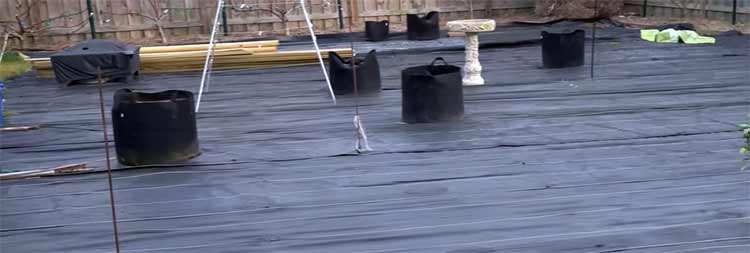
- Material construction stands out first. Weed barrier usually arrives as a solid black plastic sheet or a tightly pressed non-woven mat that feels almost like a heavy trash bag. Landscape fabric, by contrast, is either woven with visible threads or spun into a felt-like non-woven layer that still lets you see tiny openings when you hold it to the light. I noticed this difference the moment I unrolled both in my side yard; the plastic version blocked every drop of water while the fabric let a gentle hose stream soak through in seconds.
- Permeability changes everything below the surface. With weed barrier the soil underneath stays dry longer after rain because almost nothing moves through it. Landscape fabric lets moisture and air reach the roots and the beneficial microbes that keep soil alive. After two summers of side-by-side tests I found the beds under fabric still had earthworms working the top six inches while the plastic side felt lifeless and compacted.
- How each handles roots over time is another clear split. Weed barrier stops most weeds cold in the first season because nothing can push through the solid sheet. Landscape fabric slows weeds but some determined roots eventually find the tiny gaps or grow along the surface until they locate an edge. In my perennial border the fabric still looked tidy after four years while the plastic had already started to crack and let grassy runners sneak out.
- Installation quirks differ more than product labels admit. Weed barrier needs careful pinning at every seam and edge because wind lifts the light plastic easily. Landscape fabric is heavier and stays put better, yet the woven version can snag on stones if you drag it. I spent an entire Saturday re-pinning plastic after a spring storm while the fabric side needed only a quick walk-around.
- End-of-life behavior separates them too. When the plastic finally fails it tears into ragged pieces that stay in the soil for years. Landscape fabric can be pulled up in larger sections and disposed of more cleanly, though the non-woven type sometimes leaves fine fibers. After removing both from a test bed I filled a trash bag with plastic scraps but only a single neat roll of fabric.
- Cost trajectory diverges after the first year. Weed barrier looks cheaper on the shelf, yet I replaced it twice in five seasons. Landscape fabric cost more at purchase but still performed in year six, so the real price per year flipped in favor of the fabric.
- Aesthetic outcome under mulch is subtle yet noticeable. Plastic creates a slick under-layer that sometimes shows as dark shiny patches when mulch thins. Fabric blends better and lets the mulch settle into a natural look. Visitors to my front beds never guessed fabric was underneath while the plastic side always looked a bit artificial once the bark thinned.
Also Read: Differences Between Click and Grow And AeroGarden.
Key Features of Weed Barrier
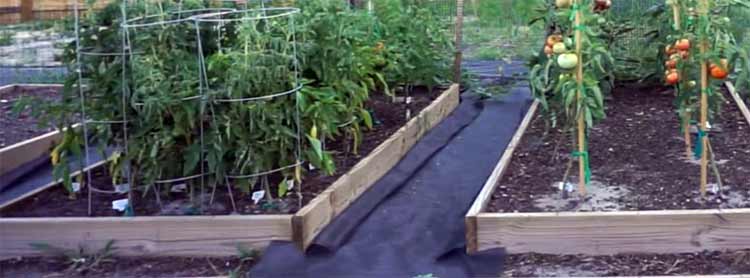
- Solid impermeable sheet forms the core of most weed barrier products. The material is usually polyethylene or a similar plastic that creates a complete physical wall against light and emerging shoots. When I spread a roll across a new vegetable plot the difference was immediate: no sunlight reached the soil surface and the first flush of annual weeds simply never appeared.
- Thin profile keeps the finished surface low. Most sheets measure only a few mils thick so they sit flat under two inches of mulch without creating a raised ridge. That thinness also makes the barrier easy to cut with scissors around existing shrubs, something I appreciated when I worked around established roses.
- UV inhibitors appear in better grades. Manufacturers add stabilizers so the plastic resists sun damage for a season or two if it peeks out from under mulch. In my experience the cheaper rolls without these inhibitors turned brittle after one summer of partial exposure.
- Pre-cut slits or perforated options exist for some brands. These versions claim to let limited water through while still blocking weeds. I tried a perforated roll in a raised bed and found the holes clogged with silt within months, reducing the claimed benefit.
- Lightweight rolls cover large areas fast. A single person can unroll fifty feet in minutes, which suited me when I wanted to finish a long border before rain arrived. The same lightness becomes a drawback in wind, requiring more landscape pins than I first expected.
- Color is almost always black. The dark surface absorbs heat and raises soil temperature slightly in spring, an advantage I used to get tomatoes off to an earlier start. In midsummer that same heat can stress roots if the mulch layer is too thin.
- Packaging often includes measuring marks printed along the edge. Those marks helped me cut precise lengths without a tape measure, saving time on a weekend project.
Pros of Weed Barrier
- Immediate and near-total weed stoppage ranks as the strongest advantage. The solid sheet cuts off light so thoroughly that even aggressive annuals never get started. In a new cutting garden I laid plastic in spring and spent the entire summer without a single weeding session.
- Low purchase price makes large projects affordable. A one-hundred-foot roll often costs less than half the price of comparable landscape fabric. That savings mattered when I covered an entire side yard in one weekend.
- Fast installation suits busy schedules. Because the material is light and comes in long continuous sheets, I finished a forty-foot border in under an hour once the ground was cleared.
- Heat absorption can speed early growth. Black plastic warms the soil a few degrees, which helped my warm-season vegetables jump ahead of the neighbors’ plots by nearly two weeks.
- Temporary use cases fit the product well. When I needed a clean surface for a one-season flower display or a construction pathway, the barrier did the job and then came out without long-term commitment.
- Easy cutting around obstacles works with ordinary household scissors. I shaped the material around tree trunks and fence posts without special tools.
- Clear visual boundary under thin mulch helps keep beds looking intentional. The dark edge shows through sparse gravel and reminds me where the planted zone ends.
Cons of Weed Barrier
- Restricted water movement creates dry pockets. After a heavy rain the surface of the plastic stayed wet while the soil six inches down remained powder dry. I had to water more often than expected, especially in sandy soil.
- Soil life declines under continuous cover. Earthworms and beneficial fungi need air exchange that the solid sheet blocks. Within two years the soil under my plastic test plot felt dense and lifeless compared with the open bed next to it.
- Cracking and shifting shorten useful life. Freeze-thaw cycles and foot traffic caused the plastic to split along fold lines. By the third season weeds were emerging through every crack.
- Removal leaves plastic fragments in the soil. When I finally pulled the barrier up, thin shards stayed behind and mixed into the topsoil. Those pieces will remain for decades.
- Heat buildup in summer can stress plants. Without enough mulch the plastic surface reached temperatures that cooked shallow roots of lettuces and pansies.
- Wind lift requires constant maintenance. Even after pinning, a strong gust would billow the edges and force me back outside with more staples.
- Limited long-term value shows up in the budget. Replacing the material every few years erased the initial savings and added labor I would rather have spent elsewhere.
Also Read: Differences Between Little Hottie And Bobo Hydrangea.
Key Features of Landscape Fabric
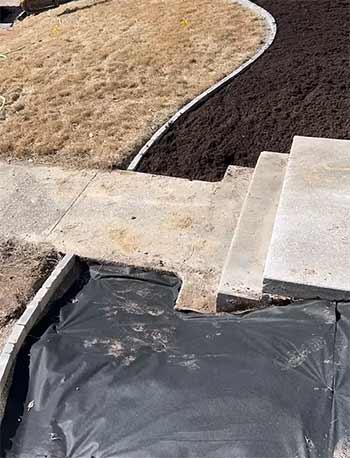
- Woven or non-woven polypropylene construction defines the category. Woven versions look like a tight mesh of ribbons while non-woven feel more like thick felt. Both allow water and air to pass yet still create a barrier that most weed seedlings cannot penetrate easily. I preferred the woven style in high-traffic paths because it resisted tearing when I walked on it.
- High permeability is the standout trait. Rain soaks through within minutes and roots can still exchange gases with the soil atmosphere. After installing fabric under a new shrub border I watched the plants settle in without the transplant shock I had seen under plastic.
- Tear resistance ranks higher than plastic film. Once pinned, the fabric holds its shape even when the soil shifts with freeze-thaw cycles. In my northern climate the fabric stayed intact through three winters while nearby plastic cracked along every fold line.
- Seam overlap instructions come printed on most rolls. Manufacturers recommend six to twelve inches of overlap, and following that advice kept weeds from emerging at the joints. I learned the hard way that a three-inch overlap is not enough; grass found the gap within a month.
- Mulch compatibility is excellent. Bark, wood chips, or gravel sit cleanly on top without sliding. The fabric’s slightly textured surface grips the mulch so wind does not blow it around as readily as it does on slick plastic.
- Longevity claims range from five to twenty years depending on thickness and UV protection. Real-world results in my yard landed closer to eight to twelve years when I kept a consistent three-inch mulch cover.
- Roll widths vary from three to fifteen feet, making it simple to match bed size. I used a twelve-foot roll for a wide perennial island and avoided almost all seams, which reduced the chance of weed breakthrough.
Pros of Landscape Fabric
- Balanced water and air exchange keeps soil healthier. Rain soaks through and roots continue to breathe, so plants establish faster and stay more vigorous. My hydrangeas under fabric leafed out earlier and held bloom longer than those under plastic.
- Extended service life reduces replacement frequency. With a proper mulch layer the fabric in my front beds is still working after nine seasons. That durability turns the higher upfront cost into a lower annual expense.
- Stronger resistance to tearing handles foot traffic and soil movement. I walk on the fabric paths regularly and have never punched a hole the way I did with plastic.
- Better integration with organic mulches creates a natural appearance. Bark chips settle into the texture and hide the fabric completely. Guests never realize a barrier is present.
- Reduced need for chemical herbicides follows from reliable physical control. Once the fabric is down I only spot-treat the occasional edge weed, cutting my spray use dramatically.
- Cleaner removal at the end of its life leaves fewer fragments. I rolled up a ten-year-old section last fall and bagged it without the plastic confetti that plastic barriers leave behind.
- Flexibility across garden styles works for both formal beds and informal borders. The same roll served under a rose garden and under a wildflower meadow edge without looking out of place.
Also Read: Is Anleolife Garden Bed Worth It?
Cons of Landscape Fabric
- Higher initial cost can stretch a tight budget. A quality roll often runs twice the price of basic plastic, which forced me to phase installation over two weekends instead of one.
- Some weed roots still find a way through over time. Determined perennials such as bindweed or quackgrass can push through the weave or grow laterally until they locate a seam. I still spend a short session each spring removing those few survivors.
- Installation demands careful overlapping and pinning. Skimping on the overlap width invited weeds at the joints within a single season. The extra minutes spent on seams paid off but added to the total labor.
- Mulch must stay thick enough to protect the fabric from ultraviolet light. When bark washed away on a slope the exposed fabric degraded faster than expected. I now top up mulch every other year without fail.
- Woven versions can snag on rough ground during layout. Stones and old roots caught the mesh and forced me to lift and reposition sections more than once.
- Non-woven types sometimes allow fine silt to clog the pores. In a clay-heavy bed the fabric’s water flow slowed after several years of muddy runoff, though it never fully stopped.
- Edge maintenance never disappears completely. Grass from the lawn still creeps over the border and needs trimming, just as it would with any other barrier.
Performance Across Different Garden Settings

I tested both materials in three distinct areas of my property so the results would not depend on a single soil type or light level.
In a full-sun vegetable plot the weed barrier gave me a nearly weed-free first season and warmed the soil for earlier tomatoes, yet by year three the soil structure had suffered and watering became a weekly chore.
Landscape fabric in the same plot required a bit more early weeding but kept the soil friable and the plants happier over five consecutive years.
In a shady perennial border under mature oaks the plastic version trapped excess moisture and invited fungal issues on hosta leaves.
Landscape fabric handled the damp conditions without creating a swampy layer, and the plants rooted more deeply.
Along a sloping path the fabric stayed in place better during heavy rains while the plastic sheet developed channels that funneled water and eroded the mulch.
Cost tracking over six seasons showed the plastic starting cheaper but ending more expensive once labor and replacements entered the picture.
Fabric required a larger check at the garden center yet delivered lower total cost when measured by years of service.
Time spent weeding dropped dramatically with both, yet the fabric version needed fewer emergency repairs after storms.
- When One Clearly Outperforms The Other?
Choose weed barrier when you need a temporary clean surface for a single season of annuals, a construction access path, or a budget project that will be renovated soon.
Choose landscape fabric when the bed is meant to stay in place for many years, when soil health matters, or when you want fewer interruptions for repairs. Mixed plantings of shrubs and perennials favor fabric. Purely ornamental annual displays can use plastic without long-term soil concerns.
Also Read: Differences Between Vegega And Vego Raised Garden Beds.
Frequently Asked Questions (FAQ)
Not exactly. Weed barrier often means a solid plastic sheet while landscape fabric is a permeable woven or non-woven geotextile. Many stores use the names interchangeably, yet the materials behave differently under real garden conditions.
It restricts water and air movement, shortens soil life, cracks within a few years, leaves plastic fragments when removed, and can overheat roots in summer if mulch thins.
A quality landscape fabric under a thick organic mulch layer usually outperforms solid plastic for long-term beds because it preserves soil health and lasts longer. In some situations dense planting and regular hand weeding work better than any barrier.
Many do, especially under permanent shrub and perennial plantings. They favor heavy-duty woven grades and insist on proper overlap and mulch depth. Some prefer to skip fabric entirely in high-end designs and rely on plant density plus mulch alone.
Wrapping Up
I have laid both materials, watched them succeed and fail, and measured the results across seasons so you can skip the expensive trial-and-error stage.
You now have a clear picture of how each product behaves in the ground, what it costs over time, and which situations favor one over the other.
Take the comparison table and the detailed lists, match them to your soil and your patience level, and install the option that will actually keep your beds looking the way you want without constant repair. The right choice today means fewer weeds tomorrow and healthier soil for years ahead.