
I have spent years tinkering in my backyard garden, chasing that perfect balance of showy blooms, manageable size, and reliability through hot summers and cold winters. When it comes to compact panicle hydrangeas, Little Hottie and Bobo often top my list for smaller spaces.
I compare them here because both deliver massive flower power without overwhelming your yard, yet they differ enough in performance, heat handling, and visual appeal to make the choice personal.
This article shares my real-world experience testing these two side by side. You will see which one might suit your garden better, whether you crave early blooms, stronger heat tolerance, or the most compact footprint.
Let’s break it down so you can decide with confidence.
| Feature | Little Hottie Hydrangea | Bobo Hydrangea |
| Mature Height | 3-5 feet tall | 2.5-3 feet tall |
| Mature Width | 3-5 feet wide | 3-4 feet wide |
| Bloom Start | Mid to late summer | Early to mid summer |
| Flower Color Start | Bright white (sometimes lime-tinged) | Pure white |
| Fall Color Change | Antique white to soft pink | White to pink, sometimes deeper tones |
| Heat Tolerance | Excellent – bred for southern heat | Good, but can show browning in extreme heat |
| Flower Density | Very dense, full panicles | Large but slightly less dense |
| Stem Strength | Strong, upright | Strong, no flopping |
| Best For | Hot climates, smaller landscapes | Very small spaces, early color |
| Hardiness Zones | 3-8 | 3-9 |
Key Differences Between Little Hottie And Bobo Hydrangea
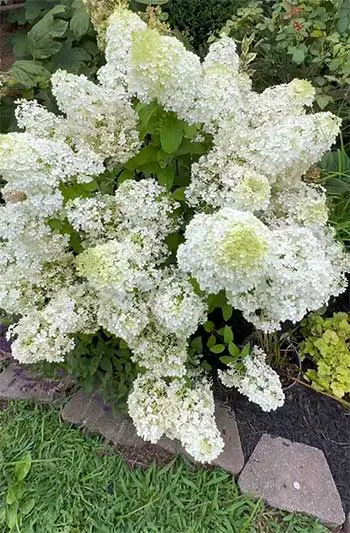
- Size and scale: Little Hottie reaches 3-5 feet while Bobo stays closer to 2.5-3 feet, so Bobo wins for the tiniest spots and Little Hottie offers more visual weight.
- Bloom timing: Bobo starts earlier, giving you color weeks sooner, whereas Little Hottie blooms later and can extend the season in combination plantings.
- Heat performance: Little Hottie handles hot summers with less browning, making it my pick for southern or urban gardens with reflected heat.
- Flower density and texture: Little Hottie produces tighter, fuller panicles that look more substantial up close; Bobo has larger but airier-looking clusters.
- Color transition: Both shift toward pink, but Little Hottie leans into soft antique shades while Bobo can develop richer pink tones depending on your climate.
- Overall vigor in sun: Little Hottie keeps its white brighter longer in full sun; Bobo sometimes needs a touch more protection during peak heat.
- Mature shape: Little Hottie forms a more symmetrical rounded bush, while Bobo tends toward a lower, mounded profile that hugs the ground.
- Establishment speed: Both grow at a moderate pace, but Bobo often looks fuller faster in small spaces due to its naturally compact genetics.
- Best climate fit: Little Hottie shines in areas with hot, humid summers; Bobo performs reliably across a broader range but may need extra care in extreme heat.
- Maintenance feel: Little Hottie requires almost zero intervention once established; Bobo benefits from occasional shaping to keep its petite look tidy.
These differences help me match the plant to the specific challenges and goals in each part of my yard.
When I stand back and look at both after several seasons, Little Hottie edges ahead for me in hotter zones because its heat tolerance and dense blooms create a more consistent display.
Bobo still charms me with its early show and tiny footprint—perfect when I want something that stays truly miniature. You might lean toward one or the other based on your summer weather, available space, and how soon you want flowers.
I often mix them in the same border so Bobo brings early color while Little Hottie carries the show later and adds height variation. Both reward patience and basic care with years of reliable beauty.
Key Features of Little Hottie Hydrangea
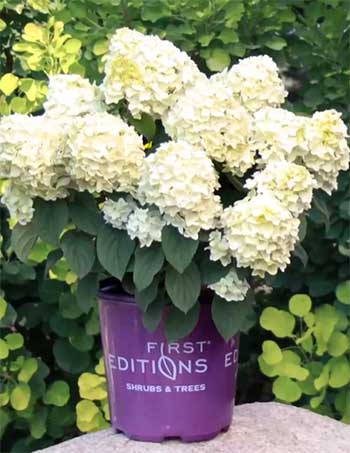
- Compact yet impactful size: It grows into a rounded shrub that stays neatly between 3 and 5 feet tall and wide. I love how it fits perfectly in front of taller perennials without stealing the show.
- Heat-loving blooms: The brilliant white flowers hold up beautifully even when the sun beats down. No scorching or wilting like some others I have tried in zone 7 summers.
- Dense flower heads: The panicles feel fuller and more packed than many dwarfs. They start with a fresh green or lime hint before opening to crisp white.
- Fall transformation: As nights cool, the petals shift to soft antique pink tones that add cozy charm through autumn.
- Sturdy structure: Thick stems keep everything upright, even after heavy rain. The dark green foliage stays lush and provides nice contrast all season.
- Low maintenance vibe: It handles full sun to part shade and needs minimal pruning to keep its shape. I give it a light trim in late winter and it rewards me every year.
You will notice Little Hottie feels like a tough little performer built for real-life gardens where heat waves hit hard.
Pros of Little Hottie Hydrangea
- Outstanding heat and sun tolerance makes it reliable in warmer regions where other panicles might struggle.
- Dense, showy blooms create a solid wall of white that looks impressive from a distance.
- Good cold hardiness down to zone 3, so you do not worry about harsh winters killing the buds.
- Symmetrical rounded habit looks polished with almost no effort on your part.
- Later bloom time extends the season if you already have early-flowering shrubs.
- Strong stems mean no staking or worrying about flopping, even when loaded with flowers.
- Attractive fall color adds another layer of interest without extra work.
- Versatile for containers, borders, or foundation planting in tighter spots.
- Resilient foliage resists common pests and diseases better in humid conditions.
- Overall vigor lets it establish quickly and bloom heavily even in its second or third year.
I keep coming back to these strengths because they solve real headaches I faced with less tolerant varieties.
Cons of Little Hottie Hydrangea
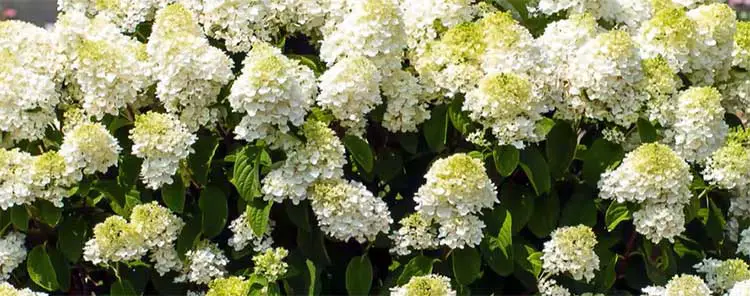
- Blooms a bit later than some dwarfs, so if you want color right at the start of summer you might feel impatient.
- Slightly larger than ultra-dwarf options, which could feel too big if your space is extremely limited.
- Fall pink tones stay softer and more antique rather than vivid hot pink.
- Needs average watering to look its best during peak summer; it tolerates dry spells but performs better with consistent moisture.
- Younger plants can take a season or two to really fill out and show full flower power.
- In very shady spots the blooms become less abundant and stems stretch a little.
- Pruning timing matters—if you cut too late you lose some next year’s flowers since it blooms on new wood.
- Availability can vary since it is a newer introduction compared to longtime favorites.
- The dense flower heads sometimes hold moisture longer after rain, which rarely leads to minor spotting in super humid areas.
- Not quite as petite as true mini varieties if you are aiming for something under 3 feet.
These drawbacks feel minor to me in most gardens, but they matter depending on your exact conditions and expectations.
Key Features of Bobo Hydrangea
- True dwarf stature: This one stays remarkably small at 2.5 to 3 feet tall, making it ideal when every inch counts.
- Early and abundant blooming: It kicks off flowering earlier in the season, often covering the plant in large white panicles by early summer.
- Upright flower display: Strong stems hold the blooms proudly without any drooping, even when they lengthen during the season.
- Color progression: Starts pure white and gradually shifts to pretty pink tones as fall approaches, sometimes deepening nicely.
- Mounded habit: Forms a tidy, rounded shape that looks cute and full from the ground up.
- Pollinator magnet: The big flower clusters draw bees and butterflies while adding bright contrast against green leaves.
Bobo gives you that instant “wow” factor in a tiny package that feels almost too good to be true for small patios or borders.
Pros of Bobo Hydrangea
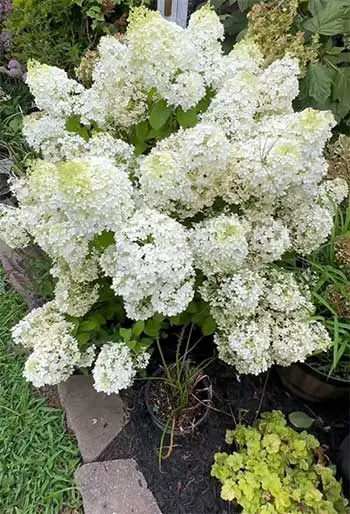
- Super compact size fits beautifully in tiny gardens, along pathways, or in mixed containers without crowding anything.
- Blooms earlier, giving you summer color sooner than many other panicle types.
- No flopping issues thanks to sturdy stems that support heavy flower loads.
- Massive blooms can nearly hide the foliage at peak, creating a snowball effect that looks dramatic.
- Excellent hardiness in zones 3 through 9 covers a wide range of climates.
- Easy to prune since it flowers on new wood—you can cut it back hard in late winter.
- Attractive pink aging adds seasonal interest that pairs well with fall perennials.
- Moderate growth rate means it reaches mature size in just a couple of seasons.
- Low maintenance overall with good resistance to common garden stresses.
- Versatile placement options including foundations, edging, or even mass plantings for a uniform look.
When space is tight, these advantages make Bobo feel like a smart, low-risk choice that delivers big results.
Cons of Bobo Hydrangea
- Can show some browning or scorching on flowers during intense, prolonged heat waves.
- Slightly less dense flower heads compared to some newer compact varieties.
- Smaller overall presence might not fill larger beds as effectively as something a bit taller.
- Blooms can fade faster to brown in very hot, dry conditions without supplemental water.
- Earlier bloom means the show might peak and start declining sooner if your summer drags on.
- In extremely cold zones with late frosts, new growth can occasionally get nipped though the plant recovers well.
- Needs good sun for best flowering—too much shade leads to fewer blooms and leggier growth.
- Flower color change depends on temperature drops; warm fall nights can limit the pink development.
- Younger plants sometimes look sparse until they bulk up after a few years.
- Might require more frequent division or relocation if it spreads wider than expected in rich soil.
I have seen these issues pop up mostly in challenging weather years, but they rarely ruin the plant entirely.
Also Read: Is SMACKIN’ Sunflower Seeds Worth It?
Frequently Asked Questions (FAQ)
They typically reach 3 to 5 feet tall and wide at maturity, staying neat and rounded.
Beauty is personal, but many gardeners find Little Hottie’s dense white-to-pink blooms and dark foliage especially striking for a balanced look.
Yes, the white flowers develop soft antique pink and parchment tones in fall as temperatures drop.
Occasional flower browning in extreme heat, slower establishment in shade, or minimal pink color if fall nights stay too warm.
Final Thoughts
Choosing between Little Hottie and Bobo ultimately comes down to what you value most in your garden. If you deal with hot summers and want reliable white blooms that hold strong, give Little Hottie a serious look.
If you need the smallest possible shrub with early flowers and a cute mounded shape, Bobo might feel like the better fit for you.
I encourage you to try one—or both—in your space this season. You will quickly see which personality clicks with your style. These compact panicle hydrangeas prove you do not need a huge yard to enjoy massive floral impact.
Happy planting, and I hope your garden fills with beautiful blooms all summer long.